Ah, coffee

I’ve already written about my experiences with Australian prices. When I first arrived, I spent hours walking down supermarket aisles, monitoring, comparing in my head, how much each product costs in various stores.

Although it’s waned over the last few months, the habit has stayed with me.

That’s why when I heard a small cup of flat white with almond milk and an extra shot costs $5.20, I had a hard time masking my bitch face. I swallowed the anger that rose to my lips and smiled instead. Thank you for such unfairness.

$5.20 isn’t a lot of money, I admit. But it’s still a lot for a not-so-great coffee in a not-so-big-enough cup. And yet, I’ve noticed that it’s the standard in most places in Canberra.

Imagine my surprise when I arrived in Melbourne.

For $4.50, I got a much bigger cup of more satisfying coffee. And I fell in love with Melbourne. Well, not just because of the coffee, but it sure helped.

That said, even in Melbourne, alternative milks and extra shots of espresso cost an additional 50 cents each. Some places dare go even further and charge anything between 80 cents and a dollar. 

And that’s on top of the standard price of a coffee.

I couldn’t comprehend the reasoning behind it. I don’t even think there is a reasoning. Of course, almond milk is more expensive than regular cow’s milk, but that doesn’t justify charging extra over a commodity I didn’t ask for.

I could, for the sake of an argument, dissect the price points of each element that goes into a flat white and evaluate the fairness of the price. But that’ll get me nowhere.

So I chose to rant here instead.

In all honesty though, this elevated coffee prices has made me appreciate it more than ever. Now getting a coffee outside is special. It’s not the kind of pick-me-up you associate with takeaway cups and Hollywood heroins in a rush. Coffee means proper coffee, and that means treating it with the respect it deserves—savouring every sip as it travels down my throat.
Of sinks

One of the most important things to me in a home is having a big sink. When I say that to any of my friends in Canberra, I get rolling eyes and raised brows in return. 

The reason: they can’t fathom why I’d want a bigger sink when the one in the kitchen is as wide as a trash bin. 

As for my unaccustomed-to-the-first-world self, I can’t—for the life of me—comprehend how people live with tiny sinks in which you can’t even rinse a wok without whacking your elbows in the sides.

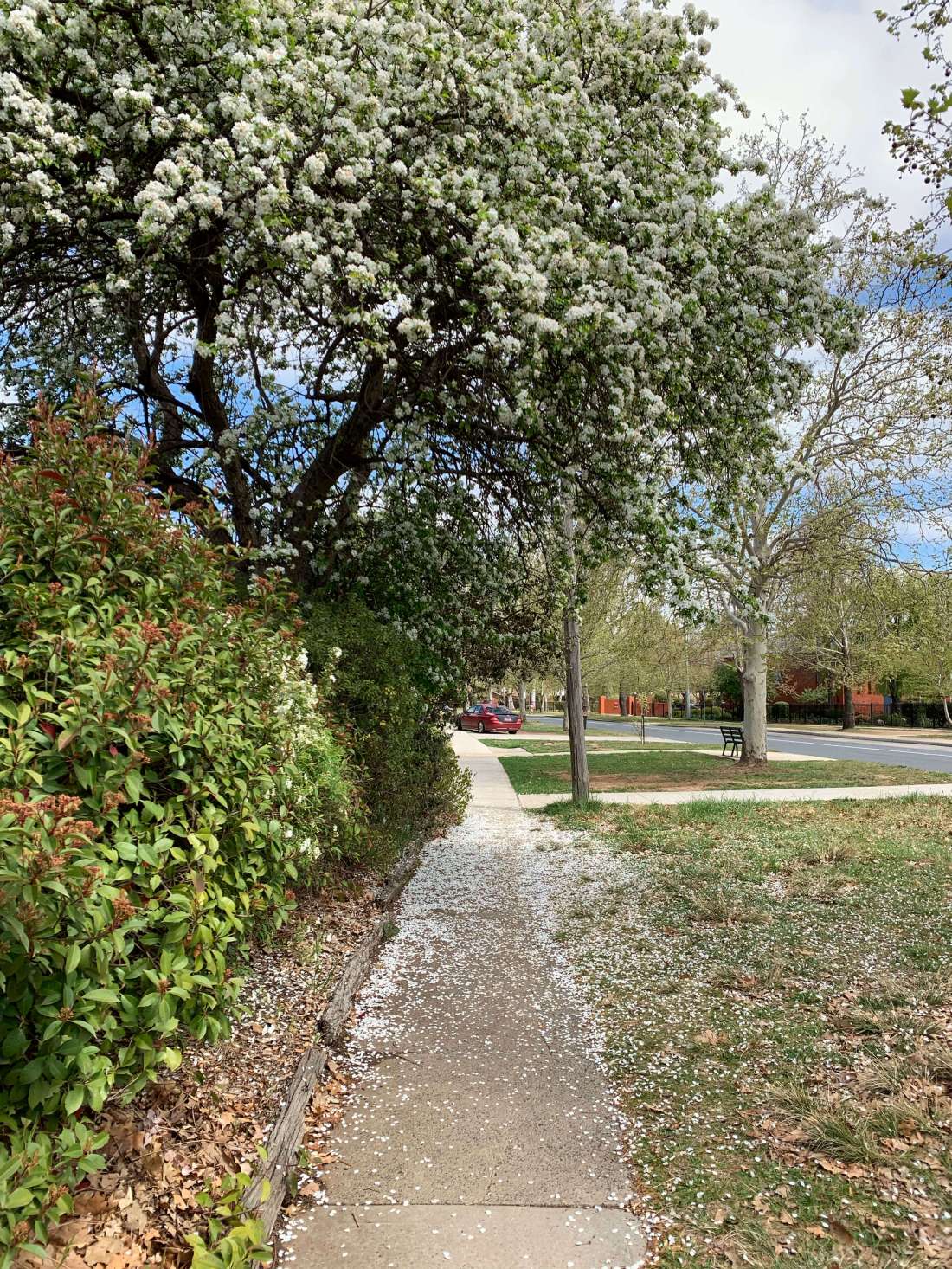
Over the last six months, I’ve seen many kitchens and sinks. When I learnt I’d be travelling for over a week, I moved out of the expensive place I was staying in. And so, for almost two months, I’ve been house hunting, walking all over the beautiful suburbs of Canberra, peering through overgrown bushes to find door numbers, lighting my way at night with my iPhone, desperately hoping the flashlight’s battery wouldn’t run out, and stopping every now and then during the day to gawk at and photograph early spring blossoms breaking away from their tree houses.

Every place I saw—from old, creaking, leaking buildings to new, renovated, refurbished townhouses—had small, impractical kitchen sinks.

When I mused about this phenomenon, one of friends pointed out people nowadays use dishwashers. (Don’t even get me started on the prices of dishwasher tablets.)

Oh, sure. But what about things that can’t go in a dishwasher—like an expensive bamboo chopping board? 

Some of the older houses don’t even have a dishwasher, rendering the argument moot. It makes sense, too—the dishwasher is a modern, economically well-off person’s fancy house appliance. However, it still didn’t explain the economy in sink size.

When I lived in a fancy house, I never used the dishwasher once. It was useless to turn on the machine when I cooked (meal prepped) only for myself. It’d take me weeks of cooking to fill up the dishwasher. 

Hand washing is easier and more sensible. If only the sink designers were as sensible as I.

Latest reading

I’ve been trying hard, and failing, to read a book.

It’s not the first time. It doesn’t happen often, and so when it does happen, these books remain in my mind vivid, as the Sydney Opera House in June.

The Girl With the Dragon Tattoo, One Hundred Years of Solitude, and a couple others.

Not that these books were complex in language, but they featured elements and situations that bored me. However, I did finish One Hundred Years of Solitude and mentally kicked myself for putting it off for so long. It took me a good nine months to finish that book because I kept forgetting I was reading it. That’s a great book—I admitted when I did read it.

But the dragon tattoo was too much for me. It went into such gruelling detail about sex that it threw me off. I don’t mind descriptions that add value to a story, but as I was reading it, it felt as if the author could’ve edited away some of the detailing and still achieved a crisp narrative. But that’s just me. Almost everyone I’ve spoken to about the book was surprised that I quit halfway through. I got tired of waiting for the exciting part of the story.

That happened about five years ago. Perhaps I was too young to digest it. Perhaps what was casual description for many was too gory for me. That’s when I realised I could return a book without reading, and not feel guilty about it after.

Except, now, after all these years, I’m reading a book that I don’t feel like finishing. It’s a lighter-hearted than The Girl With the Dragon Tattoo, and it’s non-fiction. But it’s still too much detail. It’s a semi-biography of an American-Australian author. It’s the first full-length comedy book I’m reading, and although I appreciate the author’s ability to laugh at her faults and shenanigans, some of her anecdotes aren’t funny—they’re just silly.

It feels as if I’m too old to laugh at these stories. Some of them are too personal—stuff that I’d take to the grave. Of course, there’re learning opportunities in every embarrassing situation, but sometimes, lessons are personal. Writing about the time you strutted around the school in sex-stained jeans thinking it was cool, isn’t cool. Now imagine an entire book of stories like that. Of course, not every story is about sex, but the embarrassment-level is quite similar.

I’m certain there’re some stories in there about good things that happened to the author—like winning a game or passing a big test.

I’ll know for sure when I get there. If I get there at all.

That’s what I’m struggling with now. I know it’s a popular book. It may even be a good one, according to most readers. But perhaps it’s just not for me.

Ever been there?

Floriade in Canberra

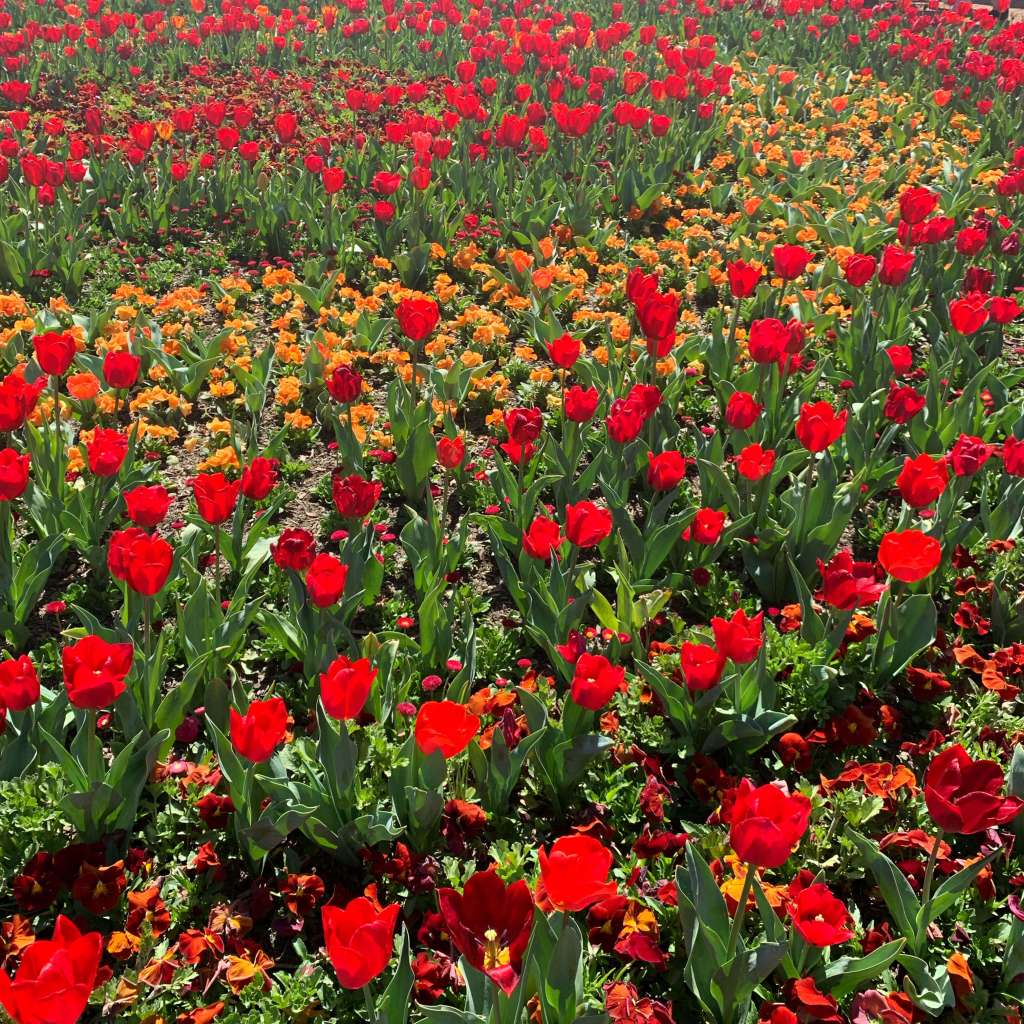
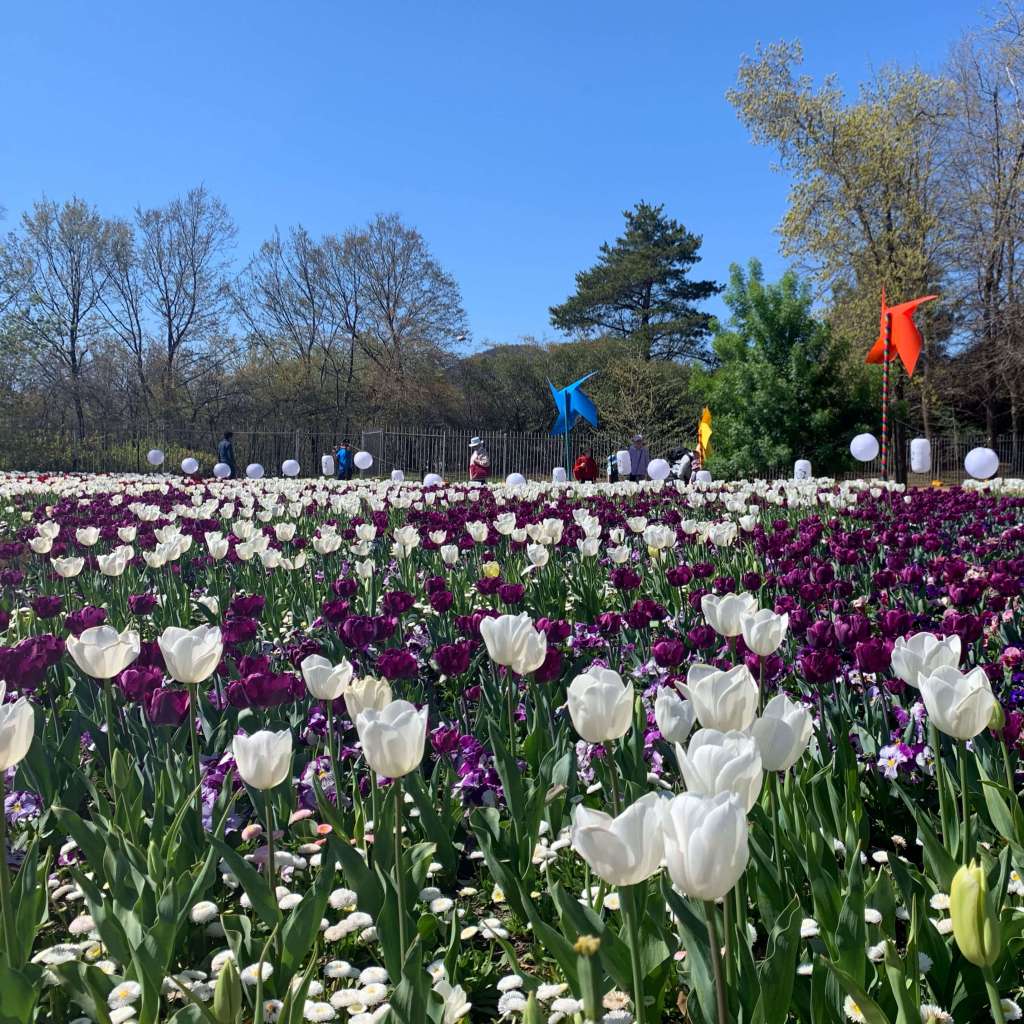
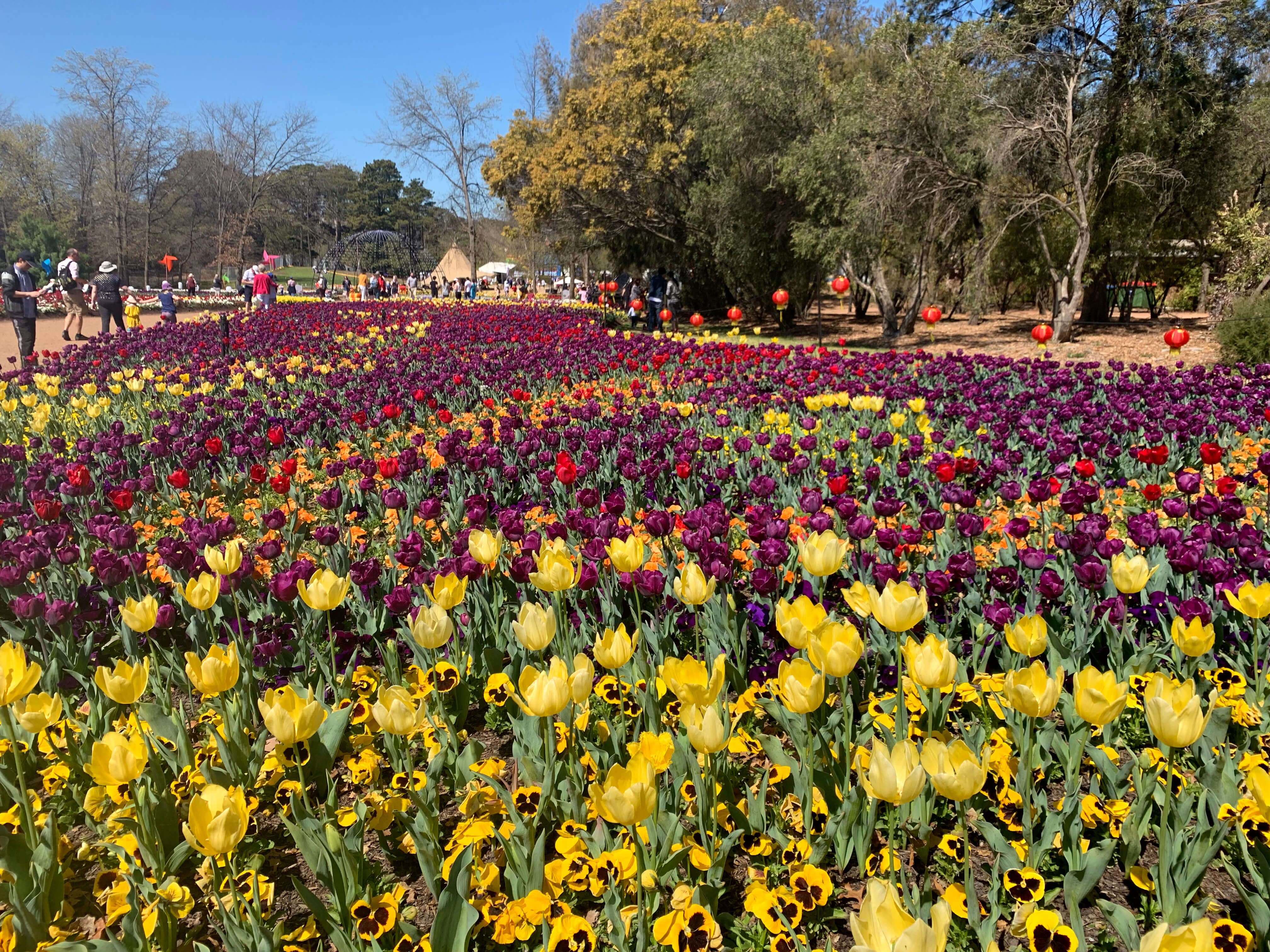
For 32 years, Australia has welcomed spring with tulips. This means, at this time every year, the government assembles millions of flowers in a grand public park in Canberra, and invites people from all over the country to visit and experience nature.

Floriade 2019 in Canberra - 5

In all its glory—
Floriade,
human vanity.

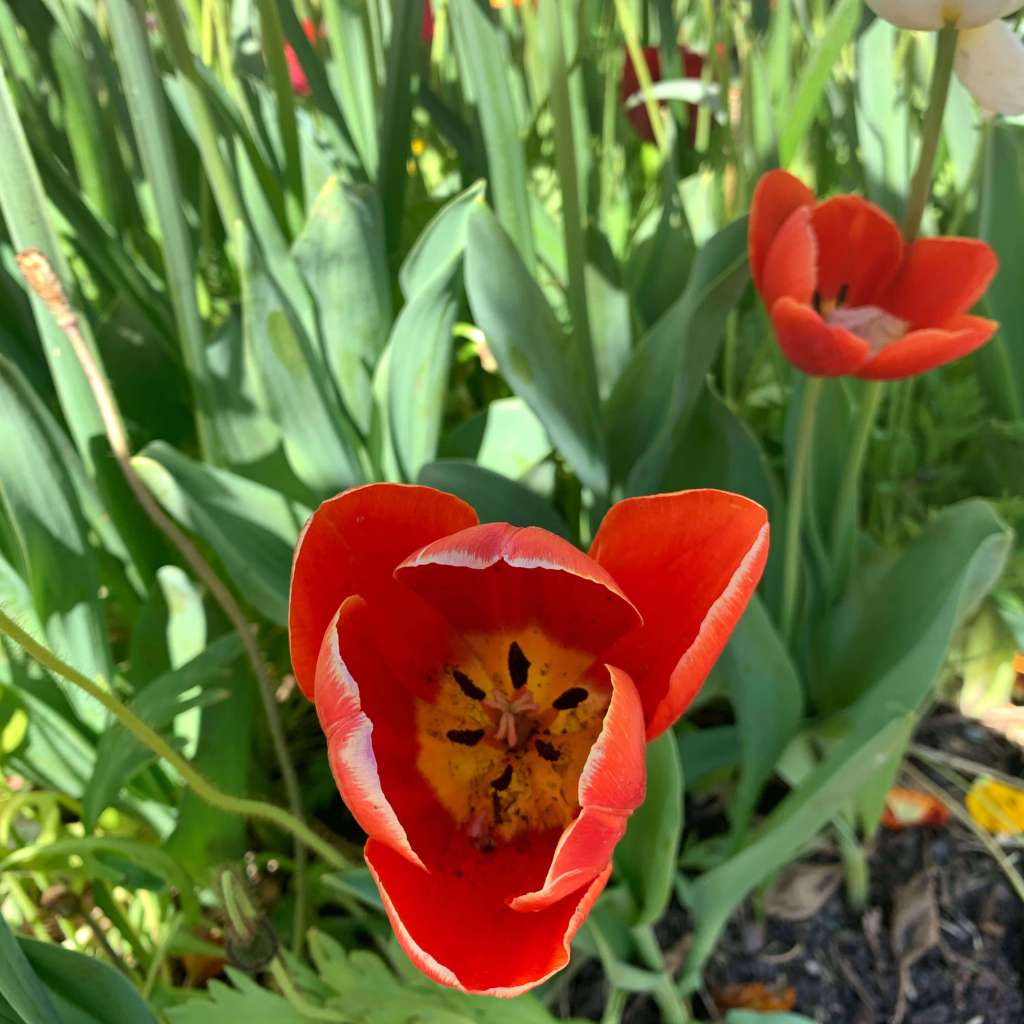
The festival is called Floriade. And this year’s theme was World in Bloom. For an entire month, these flowers sit in their designated spots, laughing in the sun, opening its petals, attracting birds, selfie sticks, and macro lenses of all sizes.

To call it glorious is an understatement.

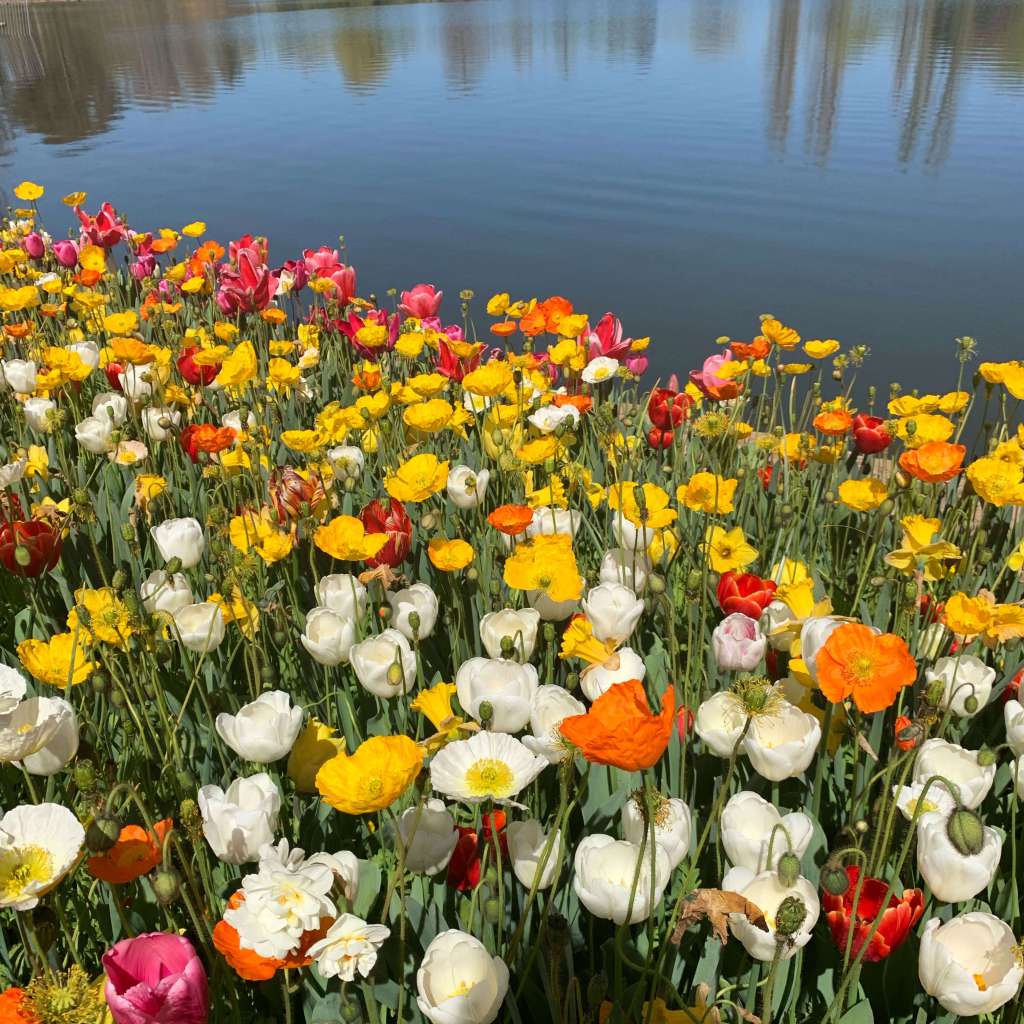
With flowers, the lake, herons, and falling buds in the backdrop, people flocked to photograph themselves and the free pricelessness.

To call it beautiful is injustice.

Floriade hosts people from all over the country. Not just various shades and accents of white, but also hundreds of shades of brown and black. The air echoed with varieties of Australian, American, Asian, and European.

As I sat on a bench, flower gazing and people watching, flashes of colour showered not only from the blossoms and the sunshine they reflect, but also from the rainbow of whirlwind coming from spring dresses, khaki trousers, yoga pants, singlets, hats, and caps, mingled with heaving sighs and perfumed sweat.

What a great celebration of spring.