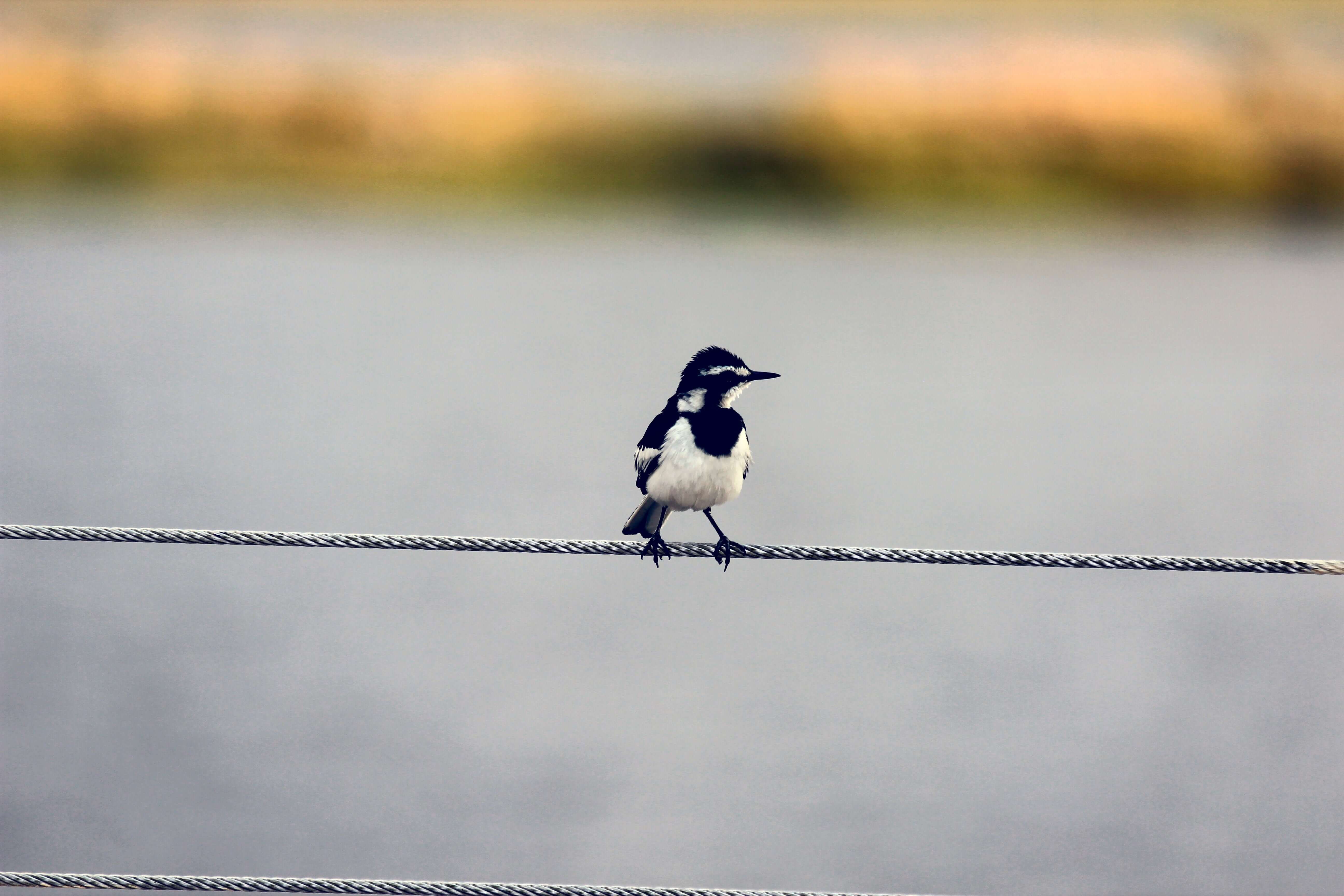
Oh, swooper

I’ve known for a long time that magpies swoop at bicyclists and pedestrians. However, only recently, when a couple of aggressive ones did swoop at me, did I realised they were just protecting their territory. Turns out, magpies swoop during the hatching season just to make sure no humans get to their eggs.

That’s understandable. Parental reflexes—a necessary instinct even, considering how inconsiderate humans can be.

Once I knew that, I learnt to maintain respectful distance. It’s been a while since, and though I still like observing magpies, I know better than to mess with them.

I’ve also become accustomed to navigating the streets without cowering, throwing anxious glances between branches every time I walk under a tree, overly-cautious about potential bird attacks.

In fact, I’d almost forgot. Until—

Today.

A tiny, harmless-looking bird flew down on me as I walked past the tree in our front garden. I didn’t linger, but from what I did notice, it looked like a hummingbird, except (thank goodness!) it had a less sharp beak. Co-incidental, I wondered, smiling to myself as I continued my morning walk around the neighbourhood.

As I returned, though, at the exact same spot, the bird came at me again. This time, my feet went auto. It was no longer a co-incidence, and I duck-jogged the little pathway to my front door.

Later, upon further investigation, I learnt to my dismay, that magpies and male ducks aren’t the only Australian birds that aggressively attack if they deem you a threat. Here’s a list, but I doubt it’s exhaustive.
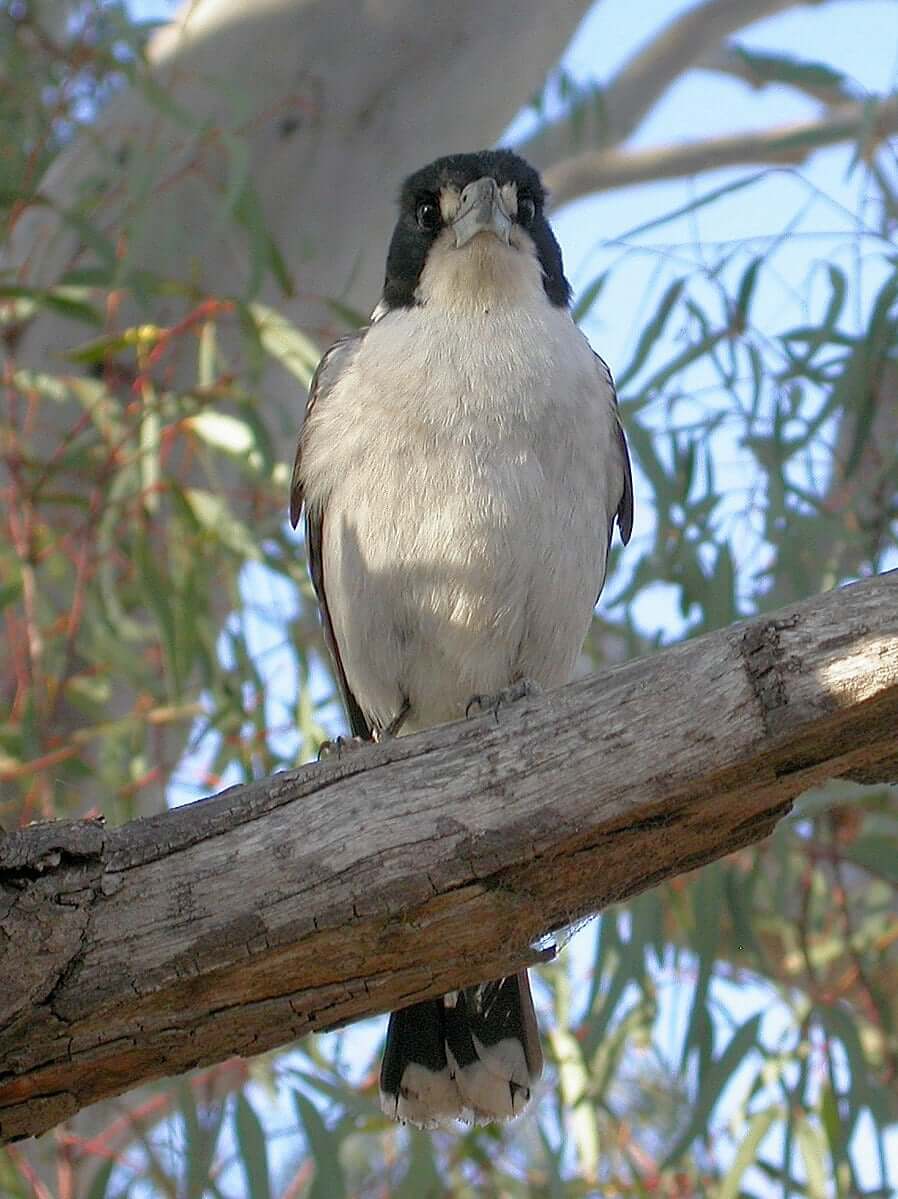
The Grey Butcherbird of Australia

Looks like the one out to get me is a grey butcherbird.

They’re beautiful birds, endemic to Australia. And like a lot of natural creatures that sprawl this country, grey butchers can also hurt you. Or at least scare you pretty badly.

Oh, well.


Photo credit: Wikimedia Commons
A proud moment

The proudest moment for anyone who writes is having a third person read and appreciate their work.

I got my moment today.

A friend in my writing group kindly reviewed my first collection of travel haiku.

It’s my first review, and I’m quite pleased—if I may say so myself.

Read the whole review here:

Steps and Stones is available on Amazon.

Creativity needs freedom

My friend is in his late twenties, works for a multi-national company, and earns a standard five-figure salary—a more than adequate income considering he was single and lived in a share house with five others. 

His day begins as usual: brush, wash, shower, and bus to work. He clocks in at 8 for his 9 o’clock shift and get an overtime bonus. He skips coffee breaks, brings canteen lunch to his desk, and keeps a bottle of water beside him at all times. He has no reason to engage in office chatter, which has made him more efficient than others and mechanical in completing work on time.

“Get a life!” People tell him.

He spends Saturdays in office, sometimes for the overtime bonus and sometimes for the cheap canteen food. He sleeps in on Sundays, saving breakfast expense and surviving on a big brunch.

He’s the office nut case. No one knows what he likes to do for fun or how he spends his money. He doesn’t read, he doesn’t sing, he doesn’t listen to music. Doesn’t paint, doesn’t write, doesn’t…live. According to the world, he had no creative nerve in him. He was a good-for-nothing corporate mushroom who churned out labour in exchange for payment he locked away.

No one knew—

that he was paying off his family’s debt.

He had no time for art and music and poetry. He was too engrossed in getting through each day, subsisting, so that he could sustain long enough to become free.

We don’t always realise it, but creativity is strenuous. It’s hard work and it demands your full attention. To create, you need a clear mind, a soul that’s not crushed by the weight of poverty and responsibility. That’s why every struggling creative needs someone or something to support them so that they can shed their worries, even momentarily, and create. Those who have that assurance—through family, friends, or a support group—end up making magic. But those who don’t, like my friend, may never unleash their creativity.

Cookies!

I’ve done quite a lot of baking since moving to Australia. But I’m no baker. I’ve never made delectable goods people would want to buy. 

I’ve baked vegetables, pumpkin seeds, and oat clusters. I’m a complete novice otherwise.

I volunteer at a co-operative food shop. Yesterday, one of the managers walked up to me as I cleaned the counter and asked me how I felt about baking. 

Unprepared. Unconfident.

And then, for the first time, I was asked to bake something. It was to be either banana bread or cookies. Nothing new or unheard of—we had s pre-designed recipe. I just had to follow instructions. If it said to boil two cups of salt, well… you know. 

I wouldn’t boil two cups of salt.

But I was making chocolate chip and tahini cookies. 

This wasn’t my usual marinate-vegetables-and-shove-in-the-oven recipe. It wasn’t anything like the pumpkin and oats mixture I bake all the time. To put it simply, it wasn’t simple.

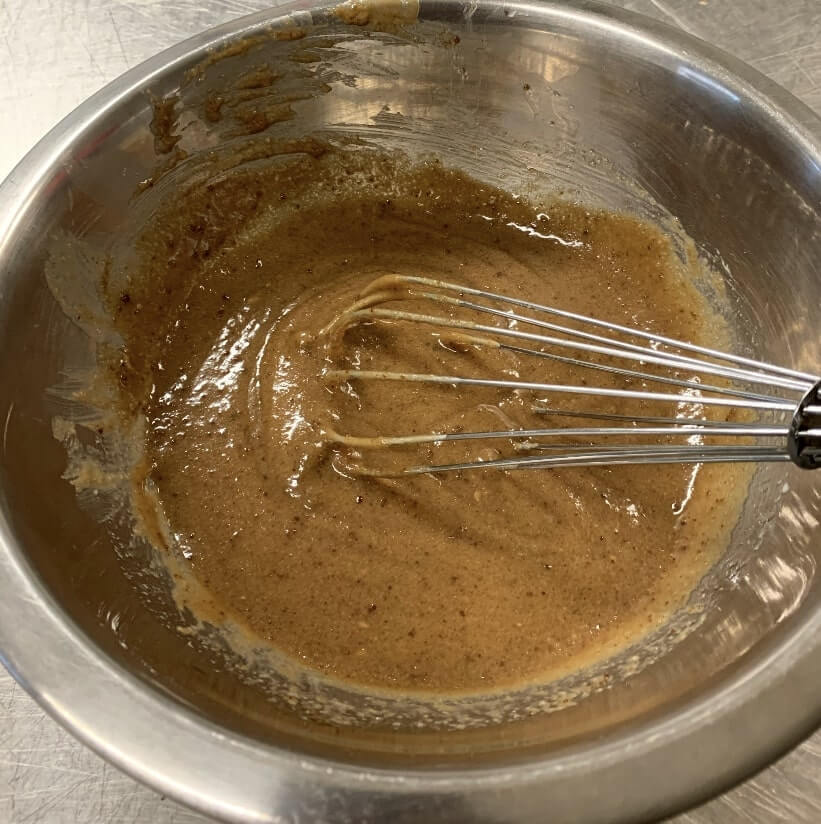
cookies in the making

However, on paper, the recipe was pretty straightforward. It had fewer steps than the banana bread, and even though I’d have chosen the bread to stuff my face in, the cookies seemed far less intimidating to make.

I read the instructions over and over just to make sure I didn’t forget the salt or the vanilla, the oil, or the milk. 

It was a vegan recipe, and only a few days ago, I’d seen the recipe’s author bake some cookies herself. So I had a reasonable idea of how they were supposed to look. I recalled awe-ing at how flawlessly the cookies had spread and how much people enjoyed chewing them.

It was a lot to live up to. And that terrified me. Even though it was just flour, baking soda, and salt for the dry and oil, tahini, milk, and sugars for the wet, I still felt an enormous pressure over my head as I measured the ingredients, battling with myself over the difference between a heaped and flattened cup.

The recipe suggested 15 cookies. And as I balled up the cookie dough, smiling to myself at how much it resembled the cookie doughs I’d seen on television, I realised I was making far too many—I’d made thirty small balls instead of 15 big ones. Anxious, but still proud of my mixing capabilities, I greased the trays, arranged the balls, and popped them into a waiting oven. 

freshly baked cookies

For the next fifteen minutes, I was thankfully too distracted to bite my nails and check in on the cookies every two minutes. When they came out, smaller than I expected, they were more like blobs of chocolate-topped brownish flour than flat disks of chewy goodness. 

My heart sank. Perhaps I’d sunk the cookies.

The first taste-tester said it was good. But he’s a nice guy. The second affirmed the first guy’s comment, adding that the cookies were crunchy and crumbly—which is good, if you like crumbly cookies.

They were both more than less than helpful. I still couldn’t tell if the cookies were any good. And I didn’t trust myself to eat any.

We sold out of cookies in a day.

Many people appreciated my cookies. And yet, as a novice baker and an incredibly-doubtful person, it’s hard to believe.

Perhaps it wasn’t so bad.

Perhaps I’m not such a terrible baker, after all.

Perhaps I could do more…

Swooped. Almost.

I’ve written about Australian wildlife being wild and at times, aggressive. Magpies swoop down on runners, bicyclists, and pedestrians even potentially leaving in their wake painful holes in heads and a bloody mess. All over the country, crocodiles await adventurous wanderers, kangaroos could become too friendly and shove all their weight on you, and venomous snakes slither into your home, making themselves cosy under your bed or on your toilet.

Even ducks waddle their way up to you wanting to pick a fight.

However, all of this is book knowledge. I’ve heard stories of others’ homes infested with eight-legged monsters, injured pedestrians keeling on footpaths nurturing magpie wounds, and countless other incidents that curdle your blood.

But you never understand it until you experience it yourself.

As I did today. While I jogged down my usual route by the lake, a woman walking a few yards in front of me shrieked. It all happened fast—by the time I realised what had happened, she’d recovered, a man walking behind her had helped her avoid the magpie’s talon. She held what looked like a leather bag that probably shielded her. The two of them quickly walked away while the magpie settled itself on a light pole between me and the path ahead.

I’d stopped jogging, my heart in my mouth. It seemed harmless. It was just a tiny bird sitting on a pole, watching the world beneath it. Nothing about it suggested any hatred towards humankind. And yet, as I watched, a cyclist pedalled his way towards me from the opposite side. As he rode under the pole, the bird screeched, bent its knees, and lifted off towards the bobbing red helmet.

It was ferocious. The cyclist didn’t deter even for a second. He rode onwards, steady, and almost oblivious to the potential death hovering over his head.

In a split second, without thinking, I took off. Seeing as how the bird chased the cyclist going the opposite side, I ran straight ahead, hoping it would be distracted long enough for me to escape.

But of course, nature is smarter than humankind. I ran like Phoebe, and the bird chased after me wailing and sending shards of panic through my entire being. I hadn’t run like that since my relay races in fifth grade.

As the bird’s cries died down, I slowed and stopped. From behind me came huffing noises, and I turned to smile surprisedly at a runner. She looked far more seasoned than I, and she slowed down long enough to add laughingly, “they went for me, too when I came in earlier.” And she went on as if nothing had happened.

For her, and the cyclist, it was just another morning.

Australian wildlife is crazy, but Australians are crazier.


Photo: Joel Herzog on Unsplash.com