National Multicultural Festival

Volunteering is the best way to experience a new society, right?

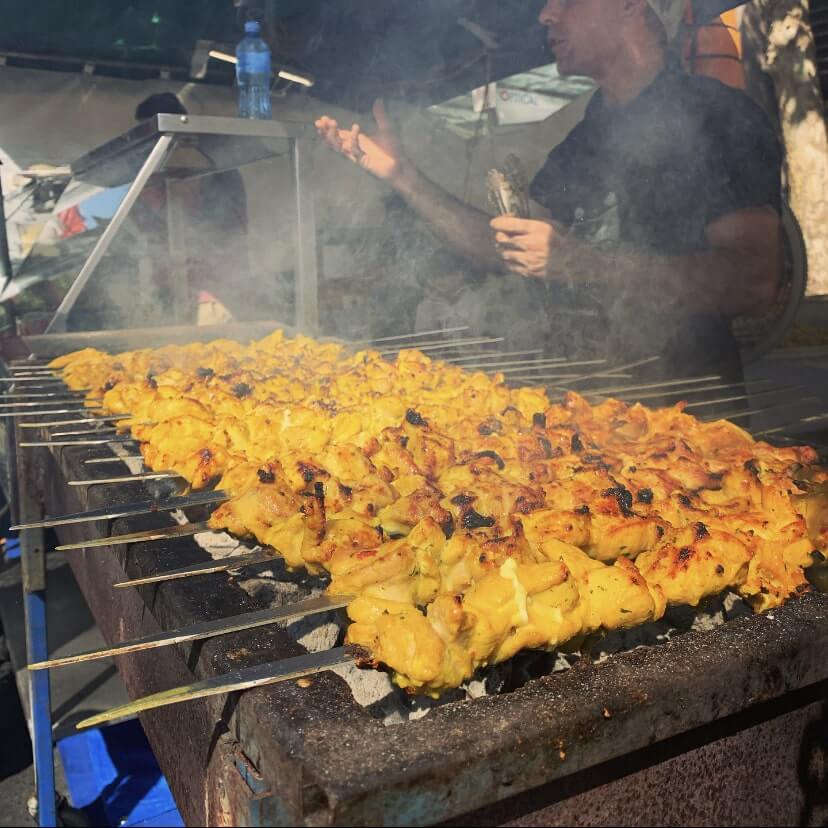
So when the Multicultural Festival came around, I signed up as a general volunteerโ€”you know, the ones wearing a red festival t-shirt and a hat, and a lanyard too large for their bodyโ€”wandering around the perimeter smiling at those gorging on meat on a stick, sipping their beer before stepping away so that it doesn’t spill over before they reach their friends. 

The festival started at 4 pm last Friday, with cultural performances and food stalls all the way through 11 pm. When I showed up at 4, a half hour earlier than the start of my shift, the place thronged with a hum of excitement. The sun sprawled on us as volunteers scattered throughout the city circle, taking their positions, armed with brochures, information packs, while the area wardens double-checked their walkie talkies, strapped on and ready to go.
The moment I stepped out into the festival ground, I regretted not carrying my water bottle. The festival organisers had done a tremendous job of setting up water filling stations every few metres, but without my bottle, I didn’t stand a chance. When at last I gave up my ego and picked up a plastic water bottle, drained and desperate, I promised never to do that again. 

It didn’t take me too long to study the festival map. Six stages with three or four tents that accommodated smaller performances, spread across five major streets in the city centre. I’d walked around that part of city enough of times to know what lay where, and after two complete rounds, Iโ€™d memorised the locations of each stage.

Equipped with so much information, I began wandering. For that was my role as a general volunteer. I was to walk around with a welcoming smile, answering questions, and helping out anyone in distress. It had all seemed easy and fun on paper. And yet as I walked around I felt myself suffocating under the smoke of charred meat, barbecue and grilled citrus waffling throughout the streets, mingled with the joyous cries of lolly-sucking kids and the satisfied lip-smacking of bratwurst-wolfing adults.

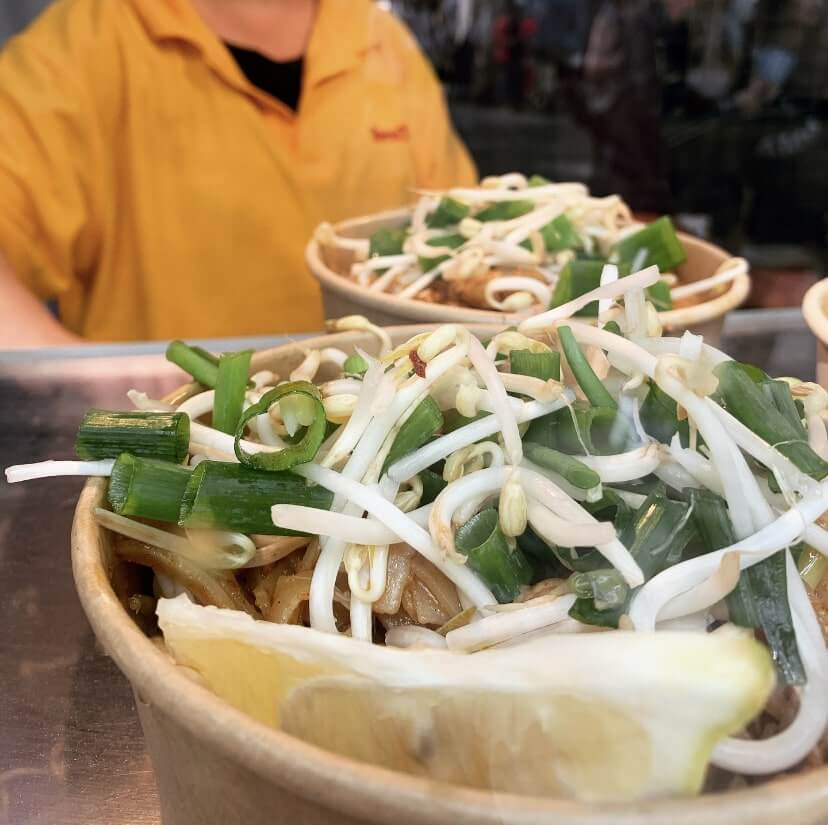
On my right, noodles were sizzling, fried with eggs and chicken. From the left came yells advertising crepesโ€”savoury and sweetโ€”French, with gluten-free and vegan options. Baos, or steamed buns, werenโ€™t too far away, sitting right next to the street food extravaganza of masala dosa and curry. A little further were Croatian beers, Sydney ice-cream, Ethiopian lentils and beef stews with flavoured injera.

Row after row showcased food from all over the world, in various shapes and sizesโ€”from pulled pork burgers to the so-called healthy zucchini fritters, from paella to pan-friend momos, from fresh-squeezed orange juice to vodka-infused lemonade.
  • Greek coffee at the National Multicultural Festival

Overwhelming is an understatement. For five hours, I let the crowds push me from one place to another, as I tried to find my way through, only wanting to return to my starting point. As I left the festival that eveningโ€”four hours before the performances ended for the dayโ€”I was ready to hit the bed and not return for my shift the next day. I didnโ€™t want to volunteer ever again.

But on Saturday afternoon, I arrived again, signed in to my shift three hours early, and started patrolling the grounds, looking for something more engaging than dead meat. Fortunately, that second day was the best.

In most cultural events that are advertised on Facebook with flyers abound and hashtags galore, people throng in thousands, flashing cameras at dancers as if theyโ€™d never before seen a blend of colours or beaded jewellery. Our impression of culture is often so stereotypical that we can’t imagine anything beyond a stage performance featuring slender female dancers and flavoured meat.

However, this multicultural festival tried to showcase some genuine culture. Not only did it feature music and food from various countries, but it also accommodated embassies of various nations. Why, one of the most popular aspect of the eventโ€”aside from the German beer and sausagesโ€”was the EU village. For an entire day, a large section of the festival hosted embassy stalls where delegates and foreign representatives shared brochures, travel advice, traditional information, and snacks. They even gave away free EU passports at the European Union tentโ€”a fun activity for the young and the older where you could walk your way through all the tents of the EU countries and get your passport stamped at each tent.

  • National Multicultural Festival, Canberra - 2020

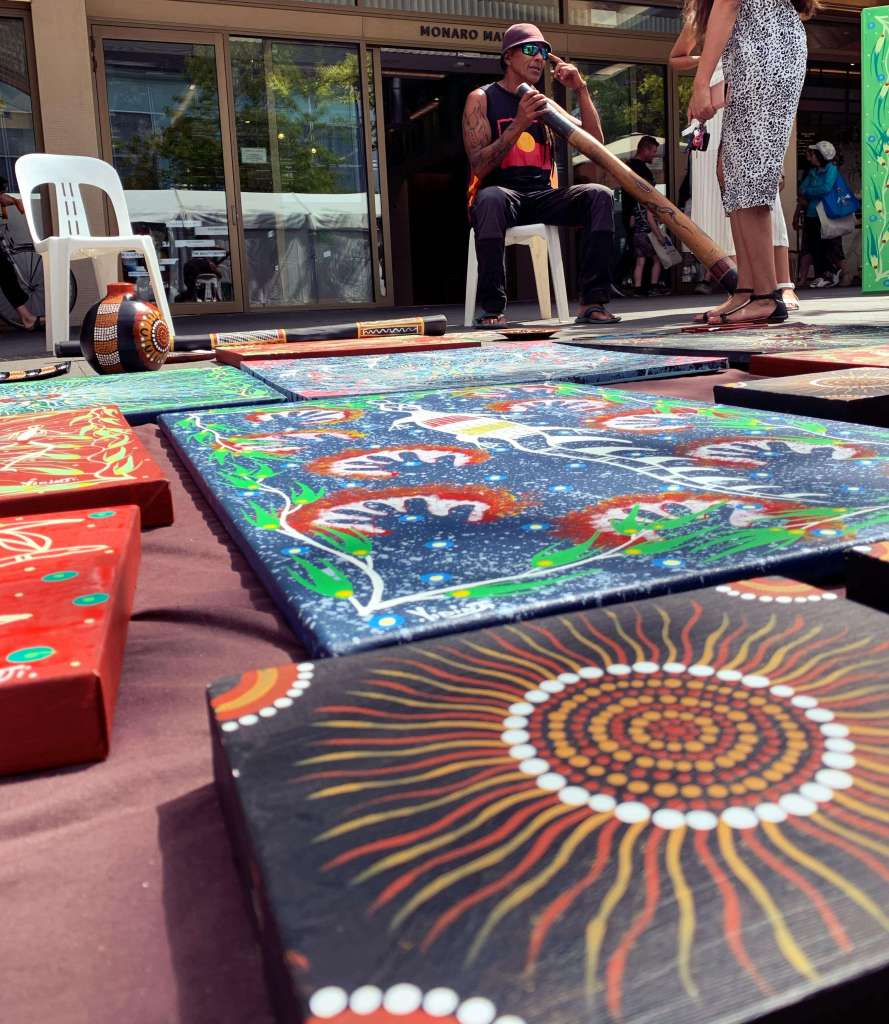
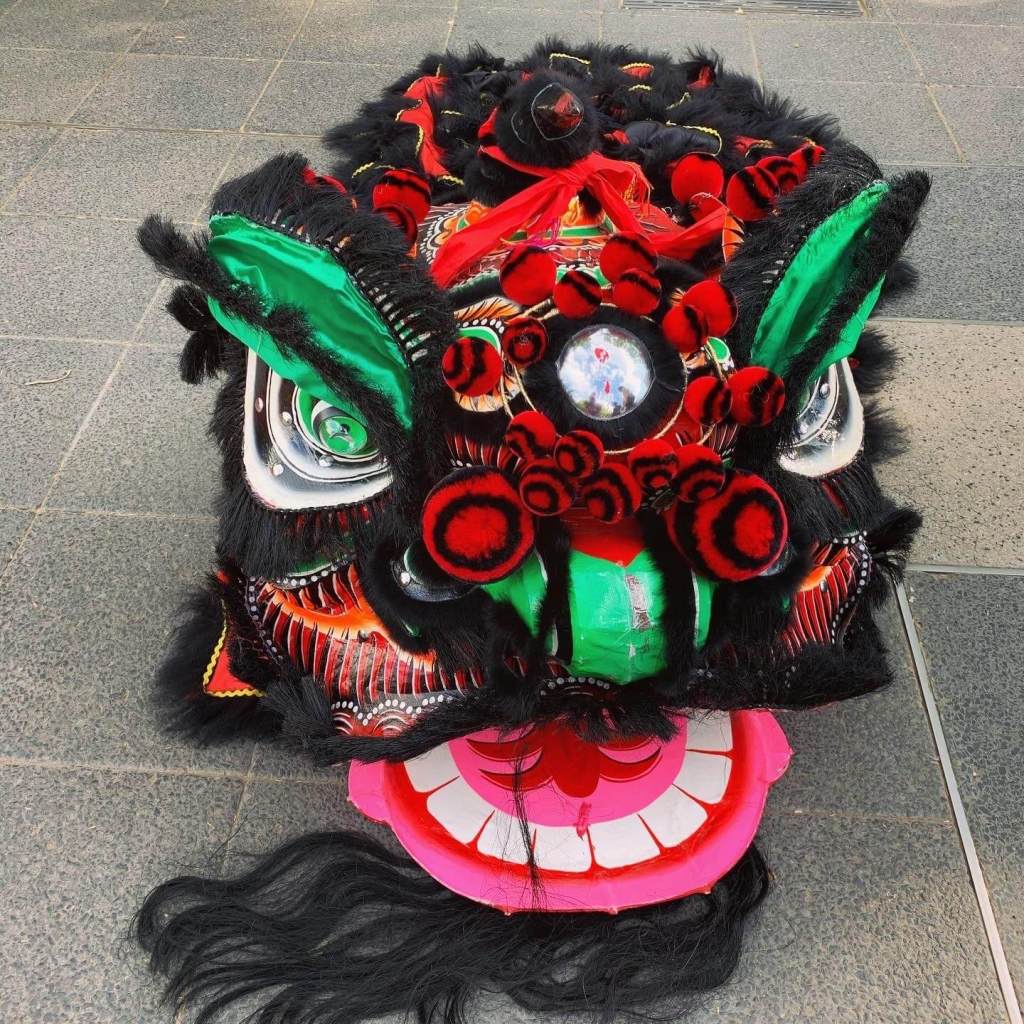
A little later that day came the iconic Multicultural Festival Parade. As the name suggests, itโ€™s a tremendous walking and dancing display of culture by the many countries that call Canberra (and Australia) home. From indigenous musical representatives to Chinese dragon dance, to Korean music, south Indian drumming, Bulgarian dancing, Brasilian samba, belly dancing, and more, the entire parade was a blurry flourish of colour.

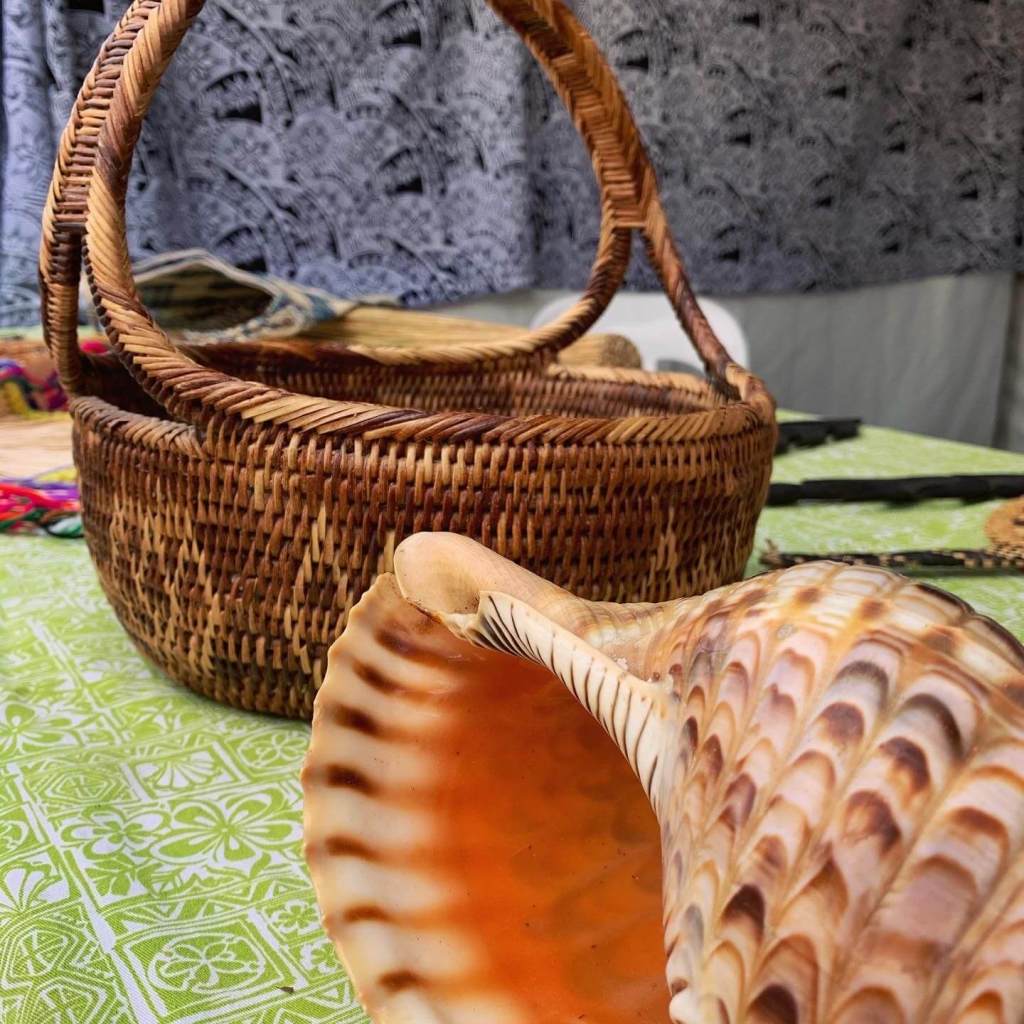
Each of the six main stages represented a region. For instance, stage five was for African and Pacific Islander performances, food, and crafts, whereas stage two and its surrounds featured Celtic performances and Scottish traditional foods, information, and dance troupes.

Day two was more satisfying than the first one.

When I woke up on Sunday, hoping to make it on time to hear some multi-lingual poetry at 10 am, I realised Iโ€™d been stressing myself out. I had to lie in bed until I had to leave. My shift was to start at 1pm and I checked in 10 minutes prior.

Having spent two whole days at the festival without staying anywhere long enough to enjoy any performance completely, Iโ€™d decided to let it all go and have fun.

The section I stood at featured the Greek community and culture. From Zorba dance and olive pastries to sipping black traditional Greek coffee, I had a wonderful time, nodding to tunes Iโ€™ll never get out of my head.ย 

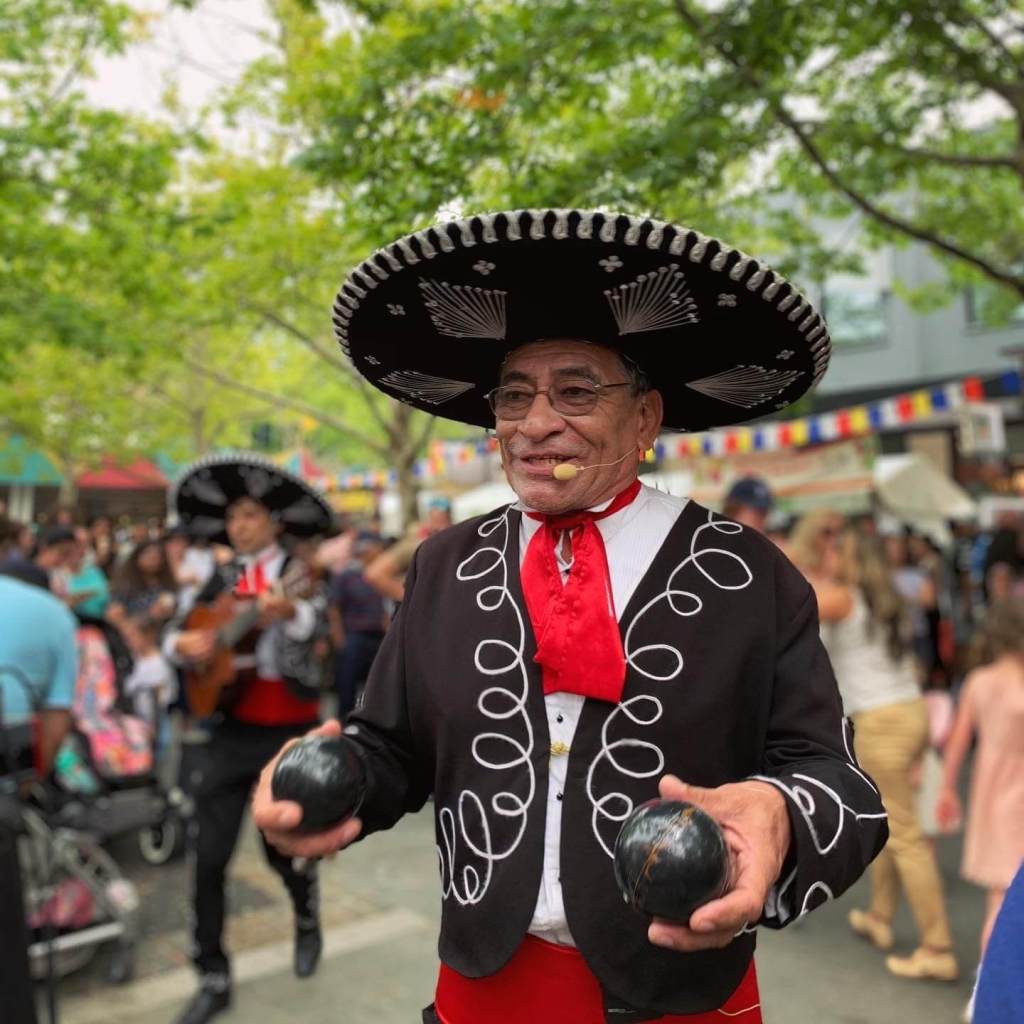
As I waddled over to the Latin American zone, loud maracas and drums invited me with floral t-shirts and unpronounceable words. It was the most warm and welcoming experience Iโ€™ve ever had. Charged by my volunteer status, I walked right to the frontโ€”not because I was being an arsehole, but because being 5 feet and a couple of inches, in a crowd, I canโ€™t see anything other that peopleโ€™s sweaty, muscly, arms. 

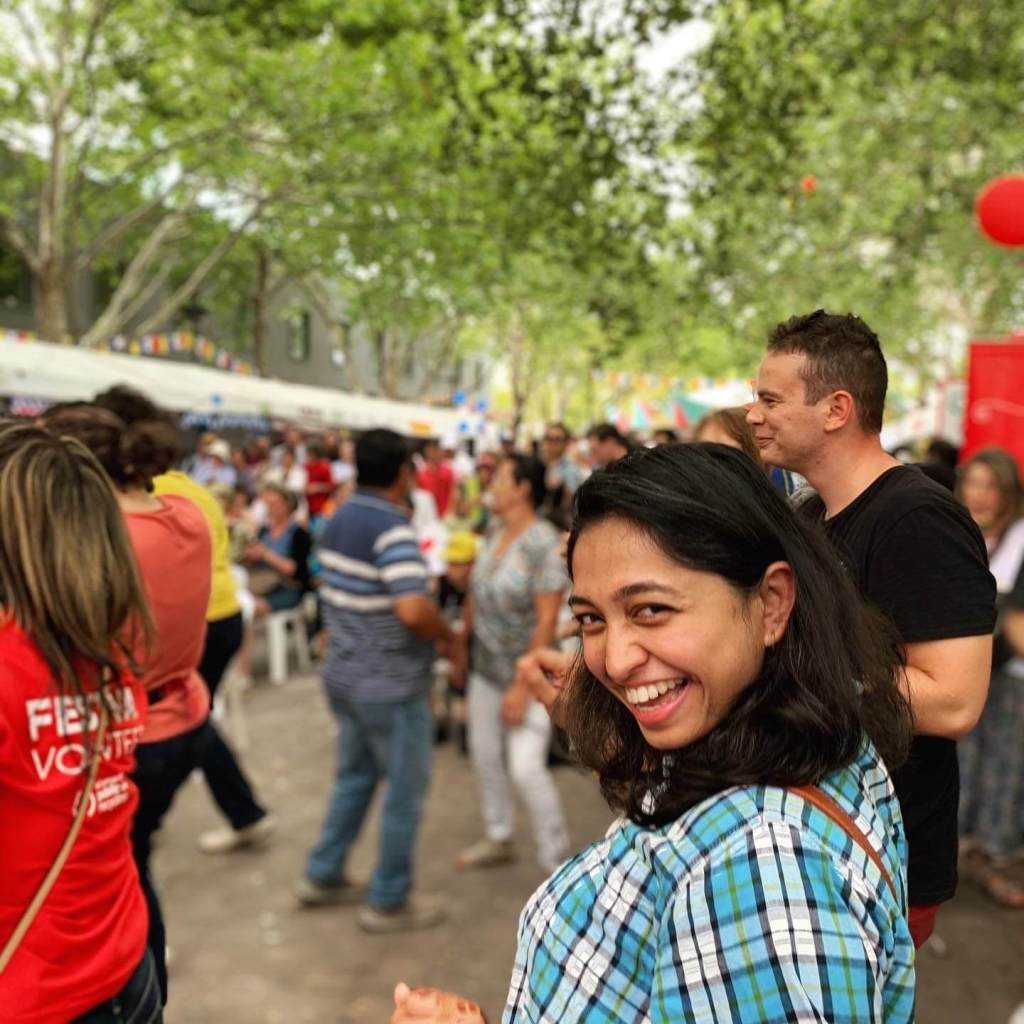
While the groovy Peruvian music troupe sang and danced, the audience had a party of its own. People in all kinds of clothing set their bags on the ground to jump onto the dance floor. It was a perfect amalgamation of traditionsโ€”performers came from various Latin American countries and the audience featured black, white, and all shades of the brown in between.
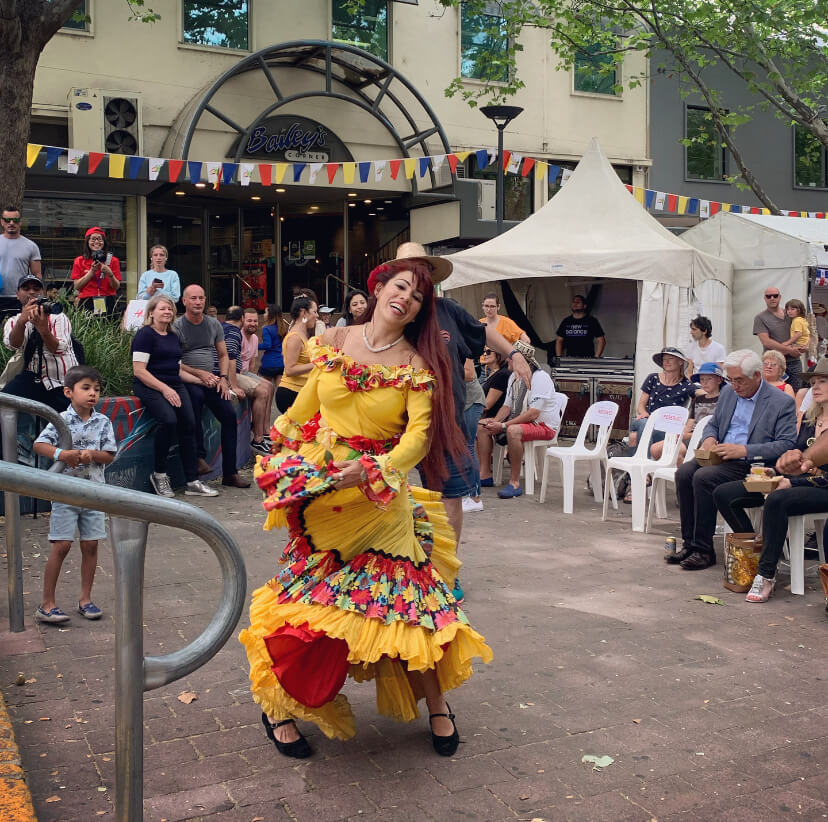
National Multicultural Festival, Canberra 2020

As the festival wound to a close, Iโ€™d changed my mind about volunteering. Iโ€™d so it all again next year, but now that I know the scale of the event, Iโ€™ll be more strategic about channeling my energy and enjoy the event. 

After all, what good is volunteering if we donโ€™t have fun?

Swooped. Almost.

I’ve written about Australian wildlife being wild and at times, aggressive. Magpies swoop down on runners, bicyclists, and pedestrians even potentially leaving in their wake painful holes in heads and a bloody mess. All over the country, crocodiles await adventurous wanderers, kangaroos could become too friendly and shove all their weight on you, and venomous snakes slither into your home, making themselves cosy under your bed or on your toilet.

Even ducks waddle their way up to you wanting to pick a fight.

However, all of this is book knowledge. I’ve heard stories of others’ homes infested with eight-legged monsters, injured pedestrians keeling on footpaths nurturing magpie wounds, and countless other incidents that curdle your blood.

But you never understand it until you experience it yourself.

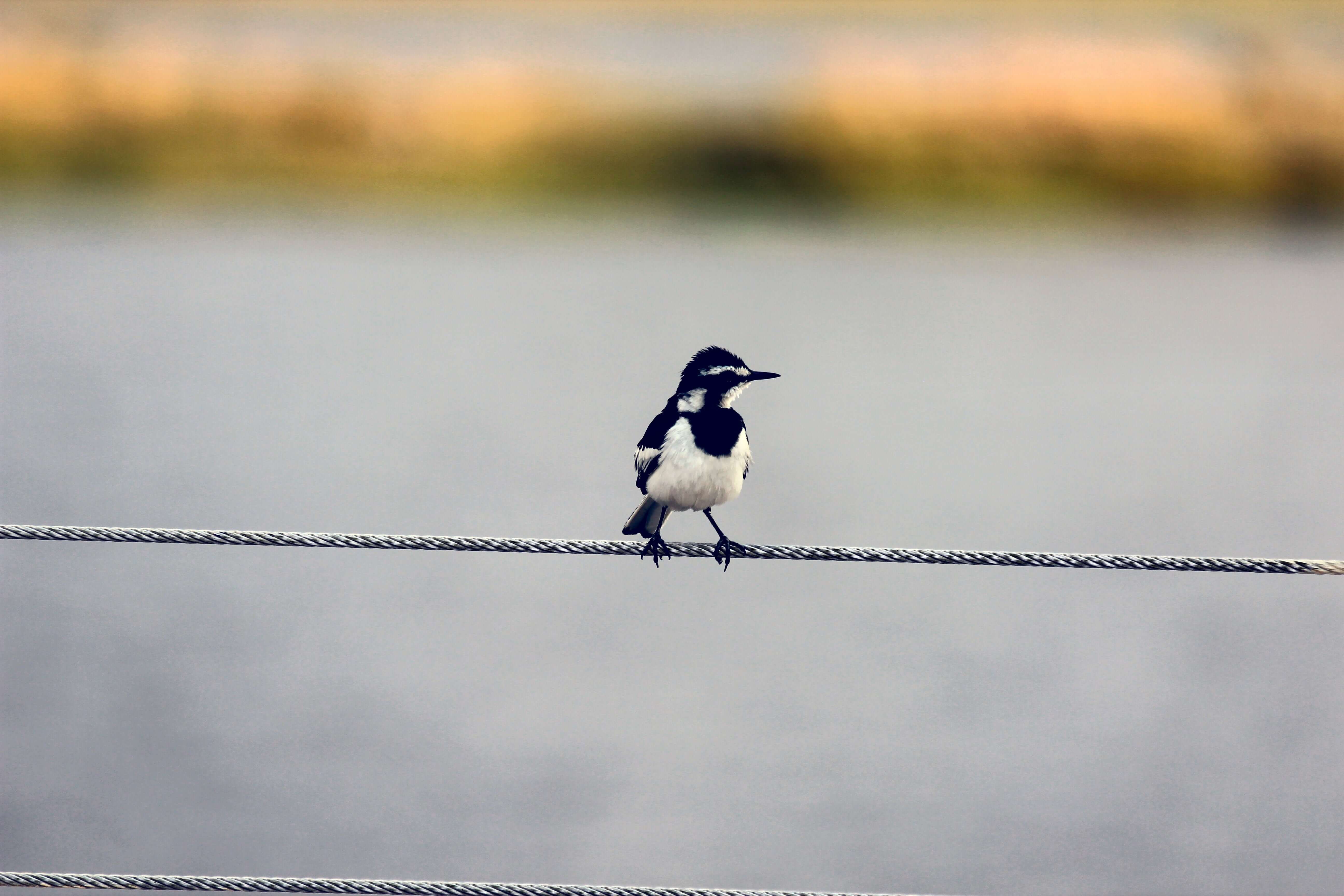
As I did today. While I jogged down my usual route by the lake, a woman walking a few yards in front of me shrieked. It all happened fastโ€”by the time I realised what had happened, she’d recovered, a man walking behind her had helped her avoid the magpie’s talon. She held what looked like a leather bag that probably shielded her. The two of them quickly walked away while the magpie settled itself on a light pole between me and the path ahead.

I’d stopped jogging, my heart in my mouth. It seemed harmless. It was just a tiny bird sitting on a pole, watching the world beneath it. Nothing about it suggested any hatred towards humankind. And yet, as I watched, a cyclist pedalled his way towards me from the opposite side. As he rode under the pole, the bird screeched, bent its knees, and lifted off towards the bobbing red helmet.

It was ferocious. The cyclist didn’t deter even for a second. He rode onwards, steady, and almost oblivious to the potential death hovering over his head.

In a split second, without thinking, I took off. Seeing as how the bird chased the cyclist going the opposite side, I ran straight ahead, hoping it would be distracted long enough for me to escape.

But of course, nature is smarter than humankind. I ran like Phoebe, and the bird chased after me wailing and sending shards of panic through my entire being. I hadn’t run like that since my relay races in fifth grade.

As the bird’s cries died down, I slowed and stopped. From behind me came huffing noises, and I turned to smile surprisedly at a runner. She looked far more seasoned than I, and she slowed down long enough to add laughingly, “they went for me, too when I came in earlier.” And she went on as if nothing had happened.

For her, and the cyclist, it was just another morning.

Australian wildlife is crazy, but Australians are crazier.


Photo: Joel Herzog on Unsplash.com

Making sense of Mint

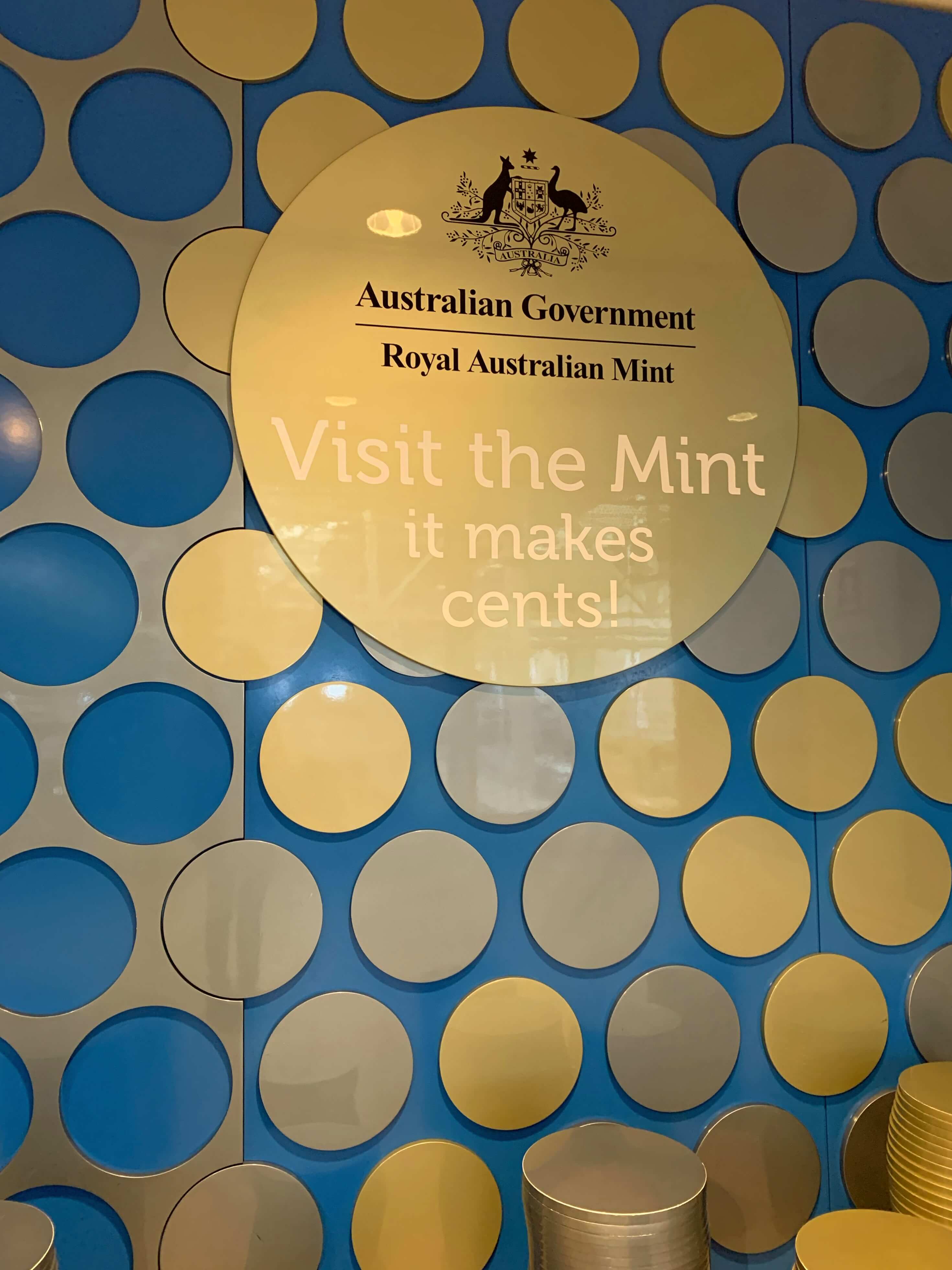
When I awoke this morning with nothing to do, I mused at the rarity of it. I always have something to occupy myself with over the weekends. After rummaging Facebook for a while, I concluded that I could either go to a street market, where I knew a few of my friends would be, or take a solo trip to the Royal Australian Mintโ€”something I’d been putting off for a long time because it was just too far away.

The food market sounded fun, but considering I’d probably buy nothing and wander around aimless, I decided to do the wandering at the Mint instead.

After two buses and about 45 minutes, I entered the building that runs Australia’s coin system. A big pot of gold coins greeted me. Next to it, a staircase led to the upper level and the main exhibition. Stepping upwards, I couldn’t miss the thousands of coins studded into the stairs.

On the upper level, famous Australian bushrangers greeted me in large cutouts. From time to time, the Royal Australian Mint makes comparative coins marking important events and people. This year, they’ve made a unique set of coins to acknowledge and appreciate the contribution of bushrangers to Australian cultures and stories. It was an excellent way to remember history’s villains, most of whom died in captivity.

Moving on, I entered a corridor full of stunning displays. Hundreds of coins marked the timeline of Australia’s currency system, dating way back to the first foreign coins found in shipwrecks. Since some of the first outsiders to arrive in Australia were prisoners and war slaves, most of their currency became the initial seedling for Australia’s current monetary system. These coins gradually replaced the natives’ barter system.

Walking my way down the timeline, I learnt how, from using coins of unknown lands, the country progressed to establishing a proper way to assess the value of these random coins. From there, they moved on to adopting the shilling-and-penny system that Britain was using. As a country, Australia was under the British reign for a long time, and it only made sense to use the same coins.ย 

Then came the decimal period. From farthings and halfpennies, Australia went to cents and dollars. Displays showed how designers formulate the images and engravings that mark a coin. Looking at the detailing of each drawing, I was amazed to see how most of the coins in current use incorporate unique Australian fauna. There’s more to this country than kangaroos and possums. And sometimes, even though we handle and pass on these coins countless times every day, we don’t often pause to observe.ย 

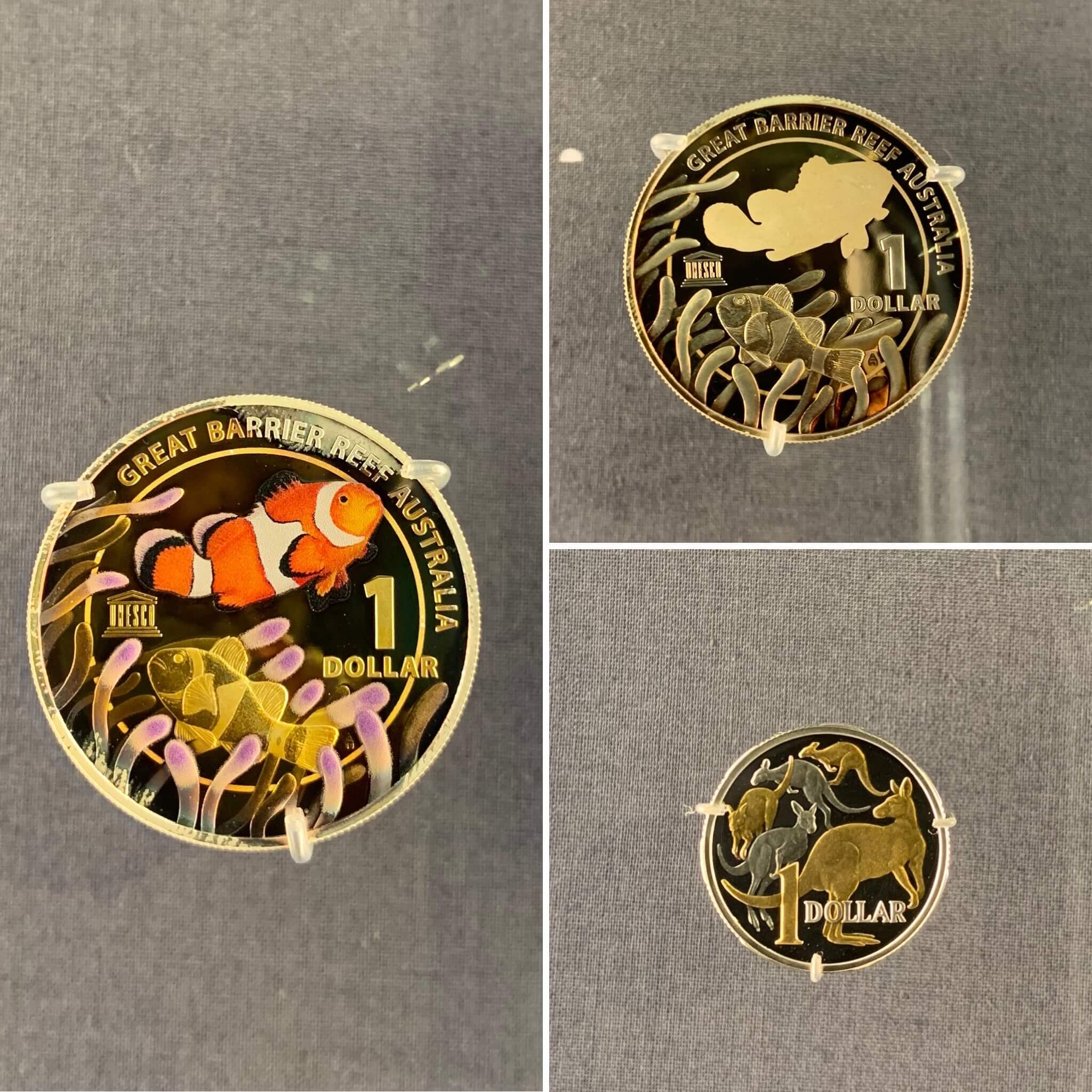
Apart from these coins, the Mint also had displays of other collectible coins and medals that it’s made over the years. There were 1kg coins in both gold ($3000) and silver ($30) marking the Mint’s partnership in the 2016 Olympic games. There were gold, silver, and bronze medals offered to winners at the 2000 Olympic Games in Sydney. Also on display were the medals presented at the 2019 INAS Global Games. And my favourite, three special coins celebrating the Great Barrier Reef.

Great Barrier Reef - collector coins - Royal Australian Mint

It took me about an hour and a half to look and read through all the displays. From the various metal combinations tested for a single coin and the different designs they considered, to the actual robot that helps with heavy lifting and transporting during the minting process, the Royal Australian Mint has so much awe to offer. I’m glad I skipped the markets for this.

Tea or coffee?

“Erโ€””

As a lover of both, itโ€™s one of the biggest dilemmas I face in a gathering. Most people are either tea drinkers or coffee fanatics. I understand that. However, I come from a long history of tea estate owners and workers who used to wake up to the decadent smell of dewy tea leaves outside their windows, and who washed down their morning carbohydrates with a steaming pot of black tea. To say Iโ€™m a tea lover is like saying the Joker is eccentric. Itโ€™s moot.

That said, I also partly come from a society that relies on the laxative power of coffee to kickstart their day and metabolism. A hot cup of flutter coffee infused with sugar and milk is the stable beverage of a typical south Indian household.

And so when choosing one, I struggle like a mother being forced to choose between husband and child. While the former leads to the discovery of the other, the other only increases her passion for the first.

I like tea. I like coffee. And I always struggle to choose between the two.

So for a long time, I made a compromise in such a way that I give both of them equal importance in my life. Instant black coffee served as the first dregs of fuel for my engine, kicking off the day, whereas a cup of tea became my standard breakfast. Afternoons were dedicated to either lemon tea or black filtered coffee, depending on the weather, while the other one became my regular dinnertime beverage. Some days lemon tea went with lunch and some days with dinner. Either way, I was sure to get enough of both in a day.

Then I went to Melbourne for the first time, the coffee capital of Australia. It offered me some of the best-tasting coffees Iโ€™ve had in my life. Not to mention affordable, even in the central business district (CBD). However, that wasnโ€™t the most noteworthy thing about Melbourne. Aside from the impeccable coffee, I discovered a strange thing called dirty chai.

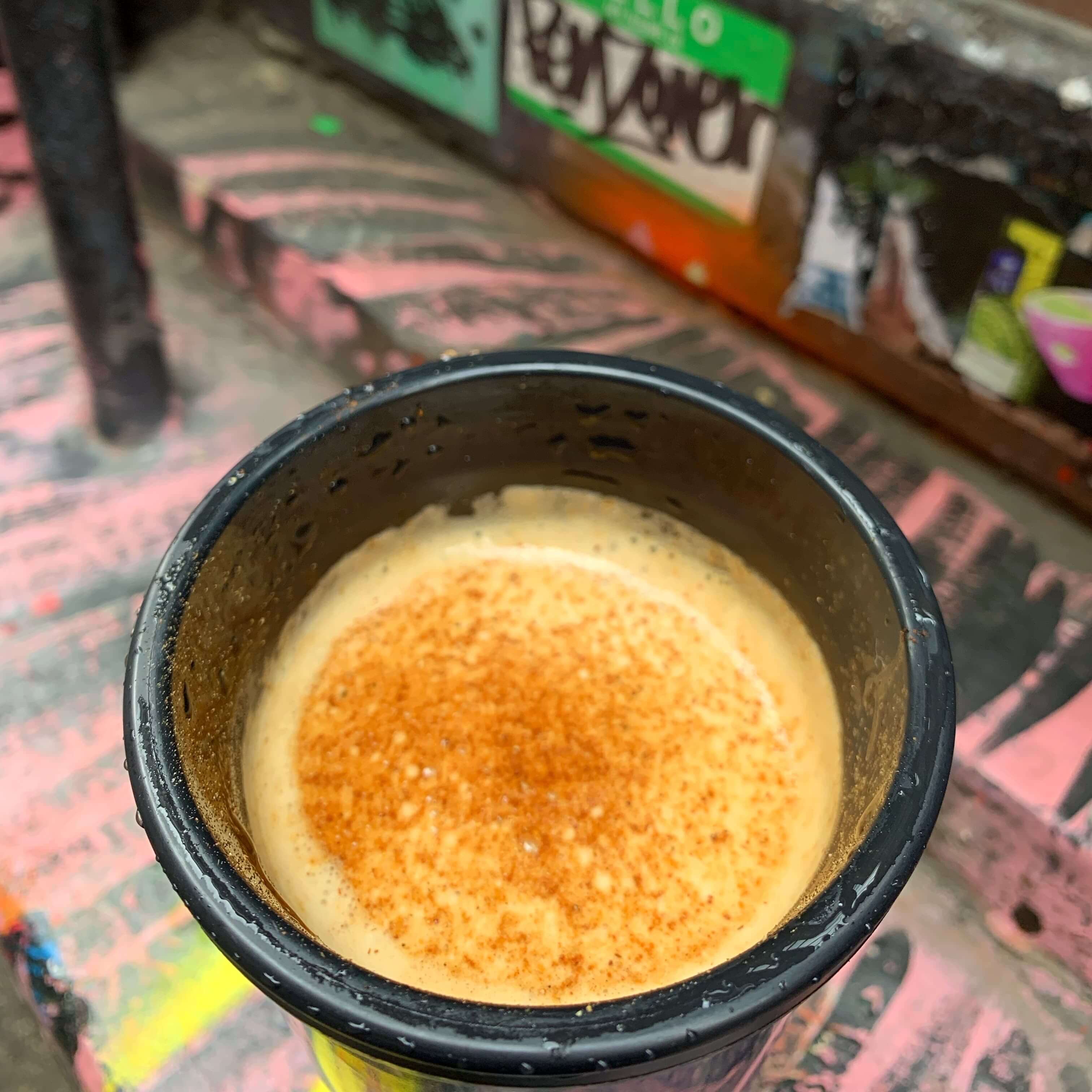
Dirty chai with cinnamon topping - Melbourne

One of my American colleagues (who was visiting Australia) introduced me to the miracle that is the dirty chai. I had no idea that you could mix tea and coffee and end up with a concoction so addictive and mesmerising that itโ€™s unbelievable itโ€™s not more prevalent.

Yet, there it wasโ€”a simple brew of stewed tea leaves and a shot of espresso, melded to create a beverage that not only thrills the tastebuds but also satisfies, satiates, the penduluming soul of the tea-coffee lover.

Itโ€™s one of the many reasons to love Melbourne. It has such good coffee that it transforms a plain chai into a dirty chai that youโ€™d love to cuddle between your palms, taking in one of the worldโ€™s best fusion creations.

The small Tudor village

Art finds countless ways to make history. When in Melbourne, attending a work conference, I managed to wander into the Fitzroy Gardens. Itโ€™s a massive nature haven with a 150+ year history. Whatโ€™s more, itโ€™s in the heart of the city, making the city far more prone to desirable infection from beautiful greenery, flora, and thousands of chirping birds.

Part of Melbourneโ€™s charm, aside from its century-old Victorian architecture and artisan coffee, is that everything has a history worth rememberingโ€”or trying to remember.

To appreciate how deeply history and art are embedded in Melbourneโ€™s lifestyle, I had to see the Tudor Village.

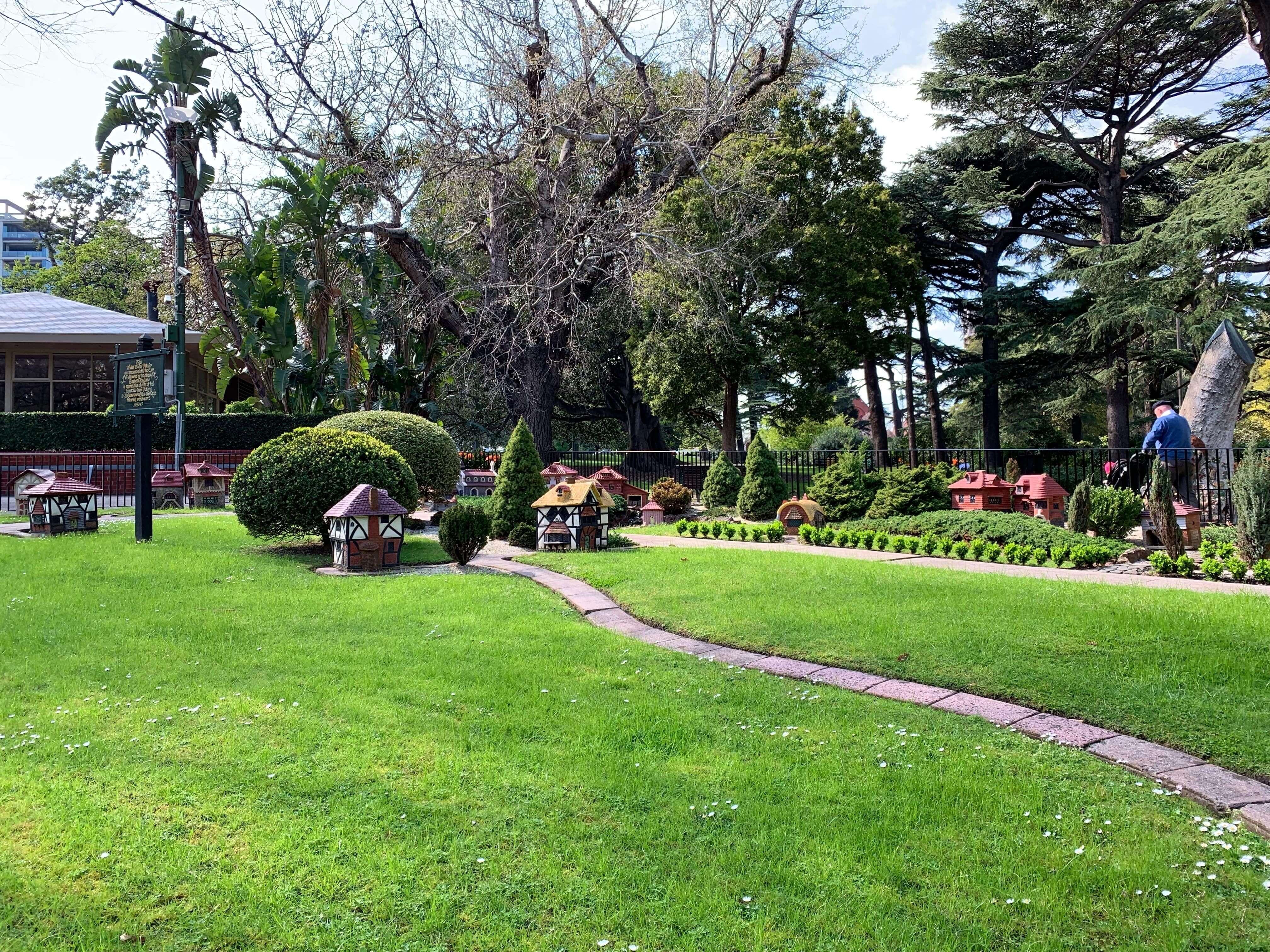
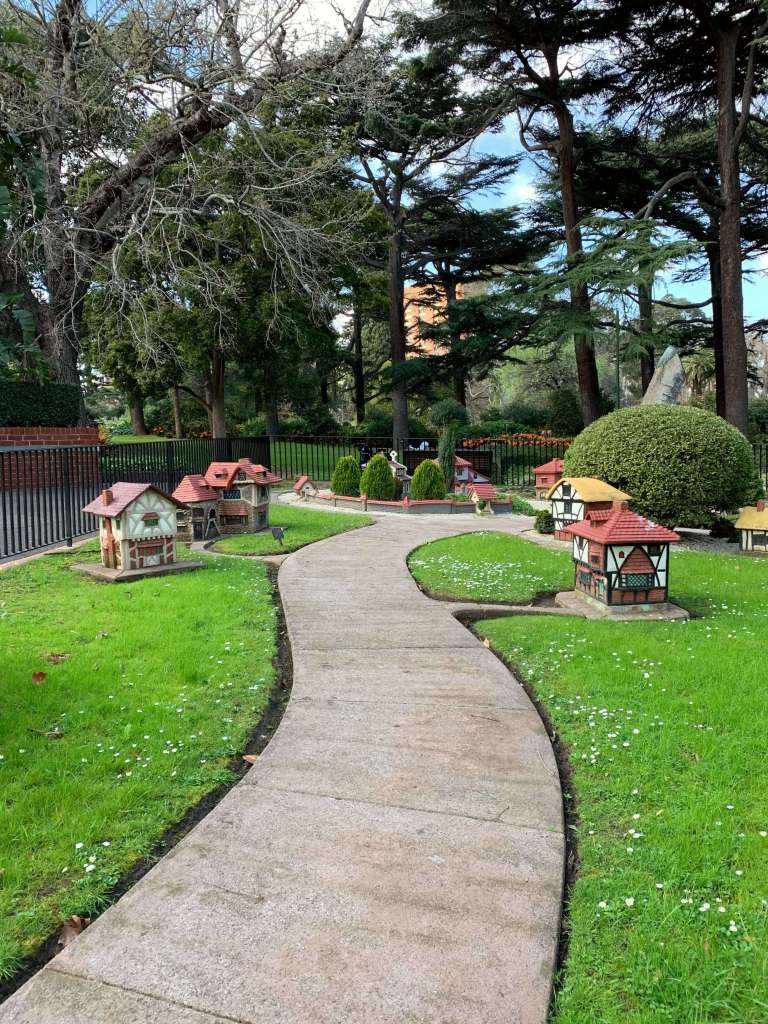
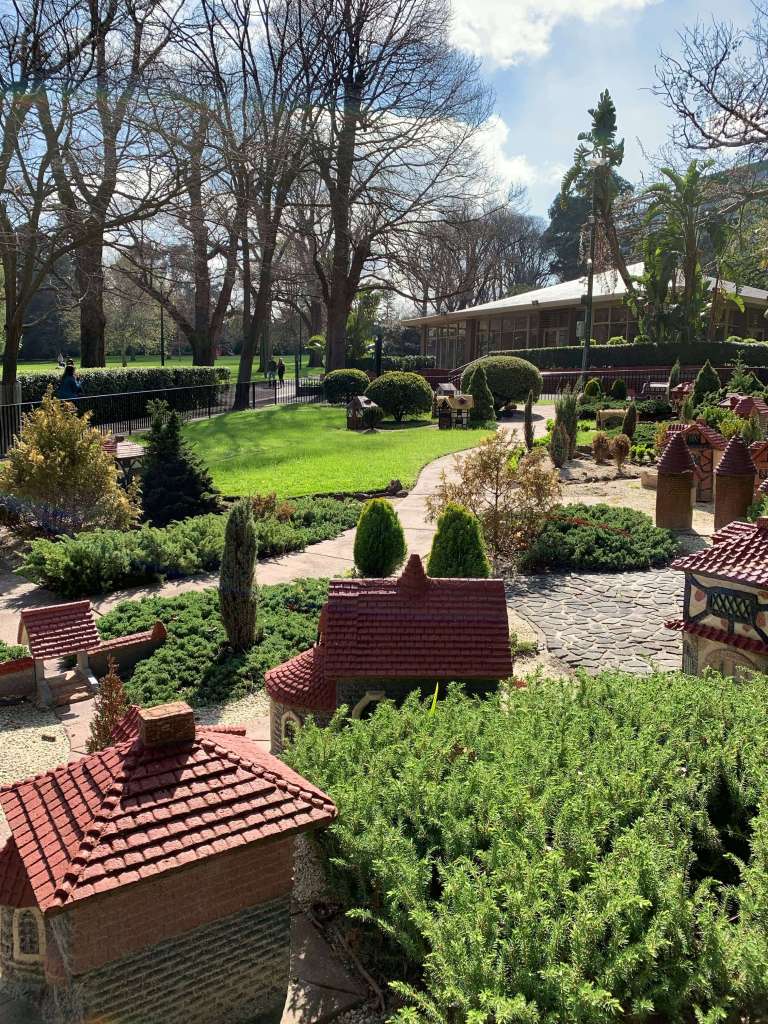
Tudor Village in Fizroy Gardens, Melbourne

Among the many historical elements in the Fitzroy Gardens, The Tudor Village is a piece of art and a gift from a British artist. Mr. Edgar Wilson was 77 and lived in Norwood, London when he made villages as a hobby. Modelled in cement, the Tudor Village is one of his three works and is a miniature replica of an English village during the Tudor period.

It took me a while to notice them, but the village comprises of thatched cottages, a church, school, hotel, a barn, and all the public buildings youโ€™d expect in a self-sufficient small town. Even the architectural elements were precise to that period.

The Tudor Village, however, isnโ€™t just any gift. It was a symbol of gratitude to the city of Melbourne for sending food to Britain during the Second World War.

Itโ€™s such a great icon in the gardens. There I was in Victorian Melbourne, dropping my jaw at an ancient Tudor-period village.

If you visit Melbourne, stop by the gardens. Thereโ€™s plenty more to see as well.