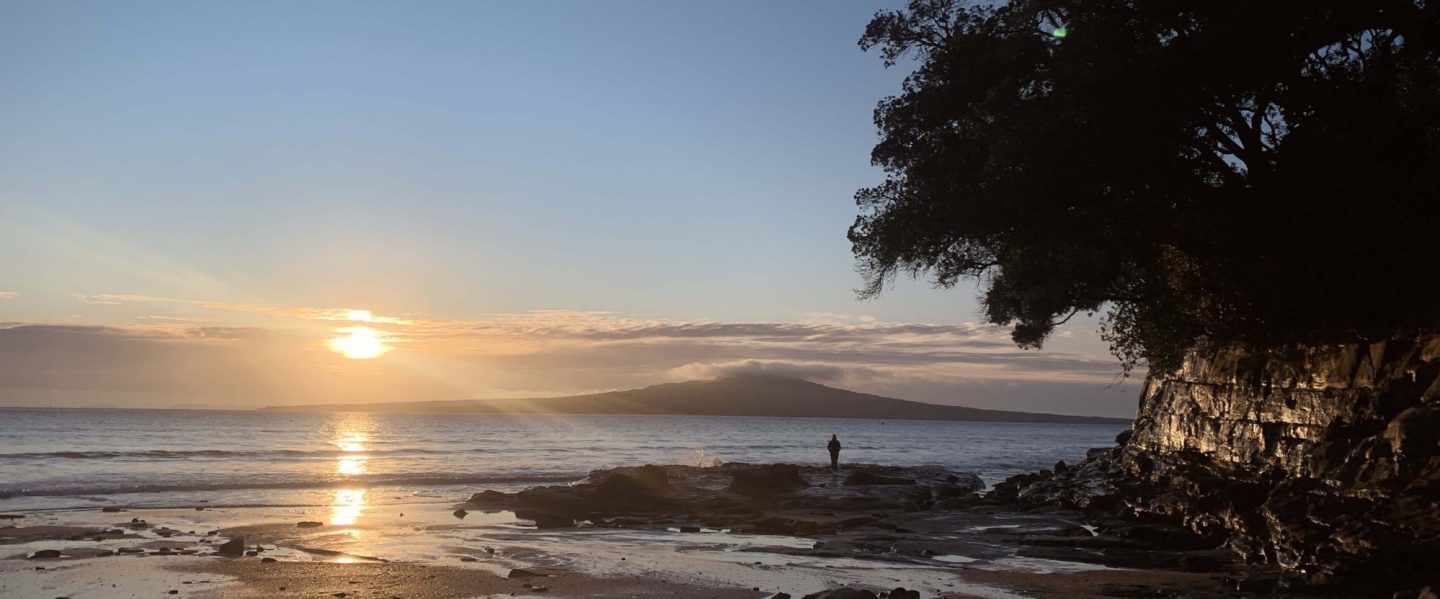


Gladly unaware,
defiantly-crooked trees—
sometimes like people.
Gladly unaware,
defiantly-crooked trees—
sometimes like people.
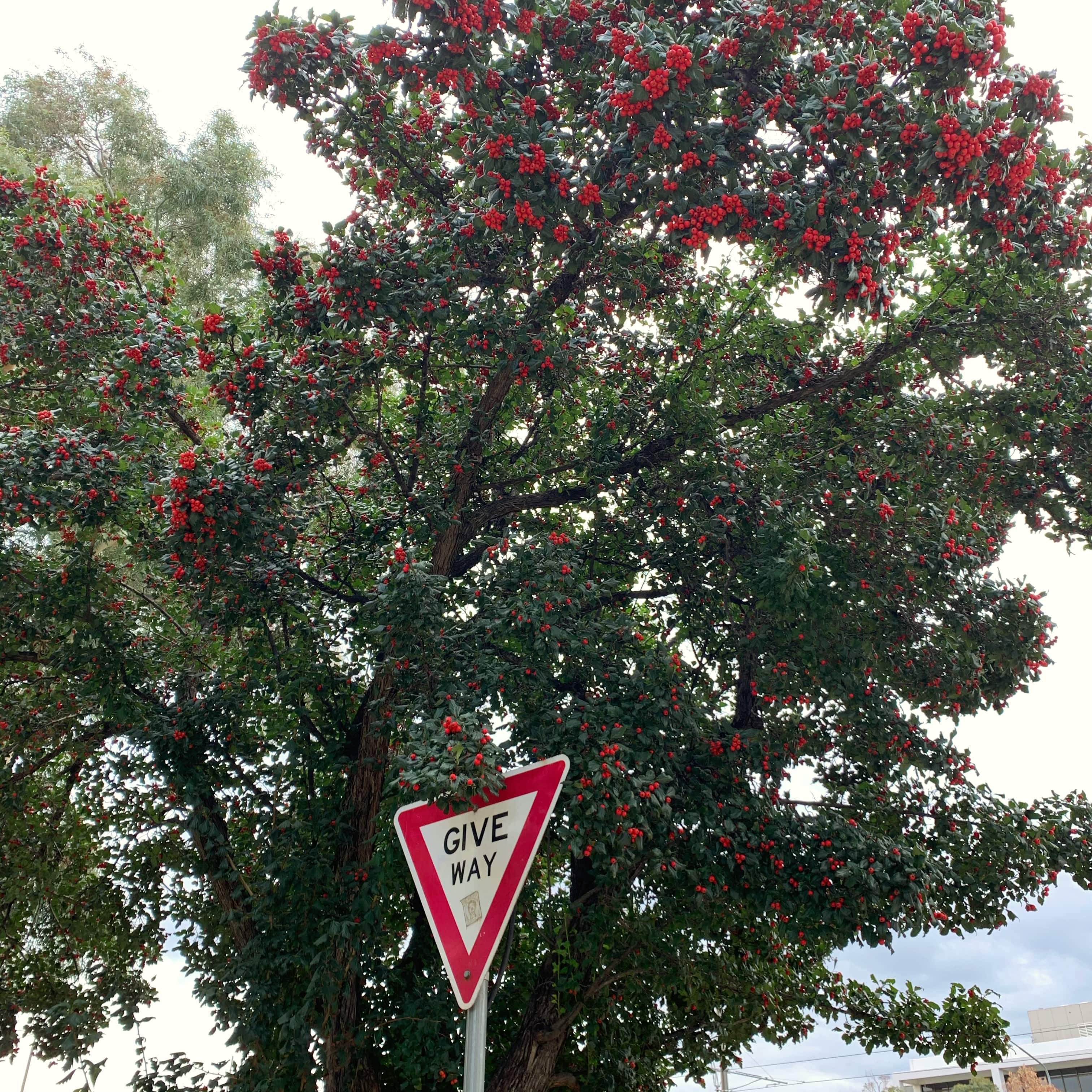
For healing sunshine,
and joyous blossoming fruit—
why not just give way?
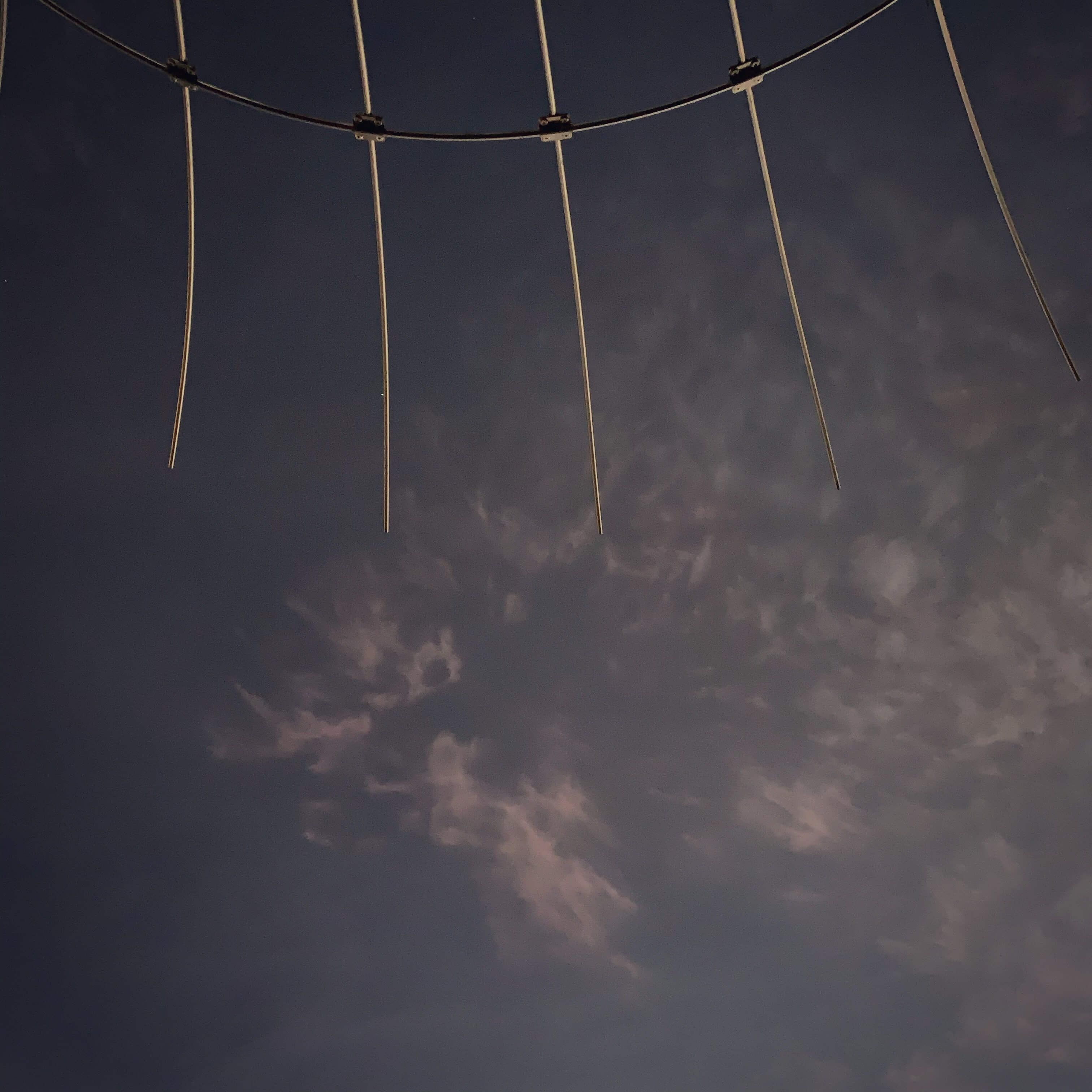
Combing through our skies,
diluting life-giving clouds—
buildings; human needs.
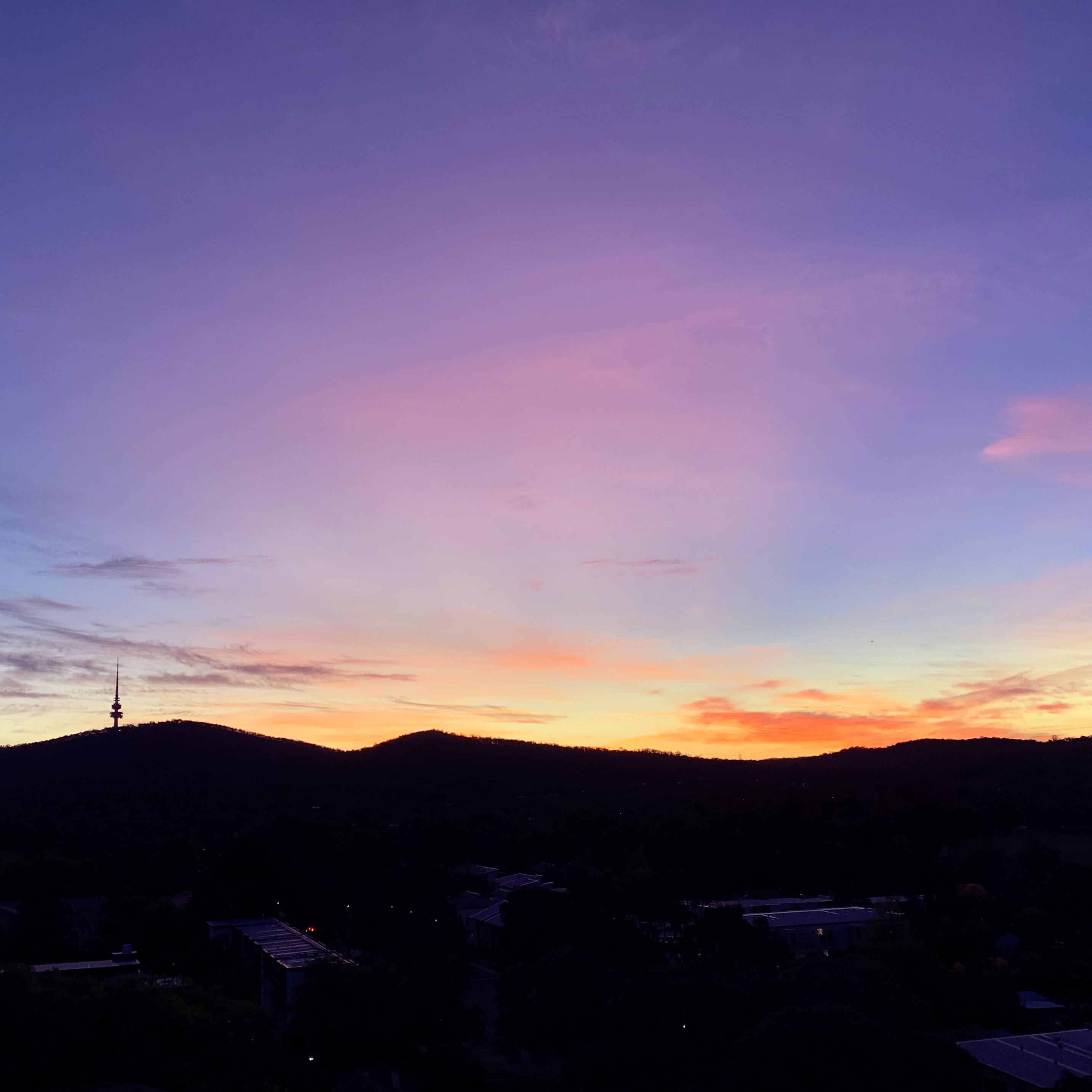
Calmly sets the sun,
despite these unsettling times—
a bright horizon.
At least ninety percent of the people I interact with daily involve themselves—and boast about it—in some sort of activism against governments’ inaction on climate change. Until as recently as a couple of months ago, people rallied in closed spaces, furiously discussing the endless possibilities of rallying outdoors, with cheeky signboards and stern yells at authority. It feeds their ego—makes them feel like angry mothers, with a hand on the hip, waving a finger at their uncontrollable toddler.
Now though, with the world gradually going into an impending lockdown, I haven’t seen any of these cluster bombs around me.
Instead of halting traffic and playing their own part in increasing the excess gas pumped into the air as drivers clutched their gears, revving engines, instead of yelling at the top of their voices, as if that’d make global leaders care more, and introducing unnecessary noise pollution in otherwise, quiet streets, instead of wasting everyone’s time just to make themselves feel better as if they’ve achieved something, these non-violent protestors are now in their homes.
Socially distancing themselves from each other, but still unsure what that means, some gather in smaller groups, in each others’ living rooms, to chat about the world and despair at having to cancel protests.
In the meantime, though, the earth has just woken up.
Remember, the first time you let an ant crawl on your hand, how mesmerised you were at its tinyness? How you allowed it to wander up and down from your elbow and knuckles, smiling at its worthless, feeble life at how easily you could crush it? It’s a wonderful experience—to watch an ant strut. Until—it starts to tingle your arm hair, and you feel the ant moving, you sense it more acutely, and soon, you can’t help yourself but smack it or slash it away. The fascinating creature becomes a pest, and like a dog ridding itself of a flea around its ear, you shake it off.
We’re the earth’s ants. We’ve scratched her too long—and now she’s shaking us away.
As we crouch away from all contact, hide in the confines of our own couches, life as we’ve never known it, is returning to its original state. Look at Italy, for instance.
Venice, a travel destination for many, was always too small to treat all the greedy tourists of the world. As a result, it’s faltered under the weight of human pollution. With the country in lockdown, however, because of you-know-what, the waters of Venice are clearer than ever before. Without any humans around, swans and fish rejoice because they can finally breathe the oxygen in those waters.
How sad is that?
The planet’s fine, mate. It’s the people who’re fucked.
 The Chaos Within