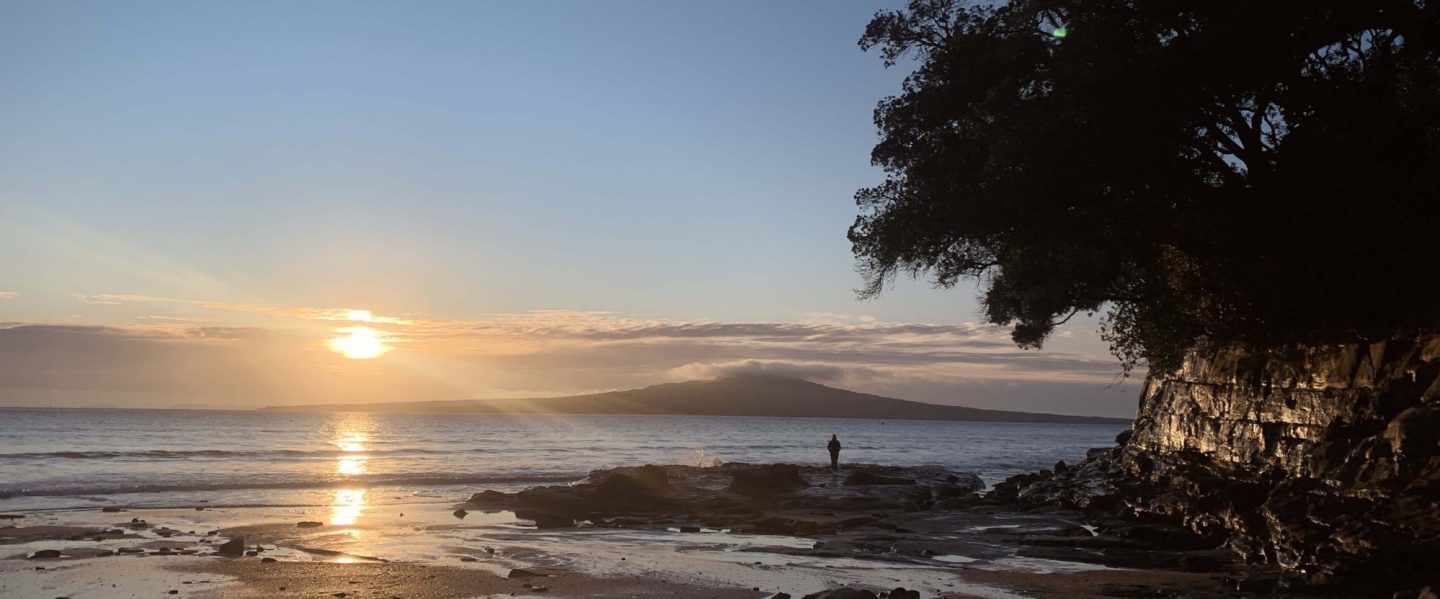

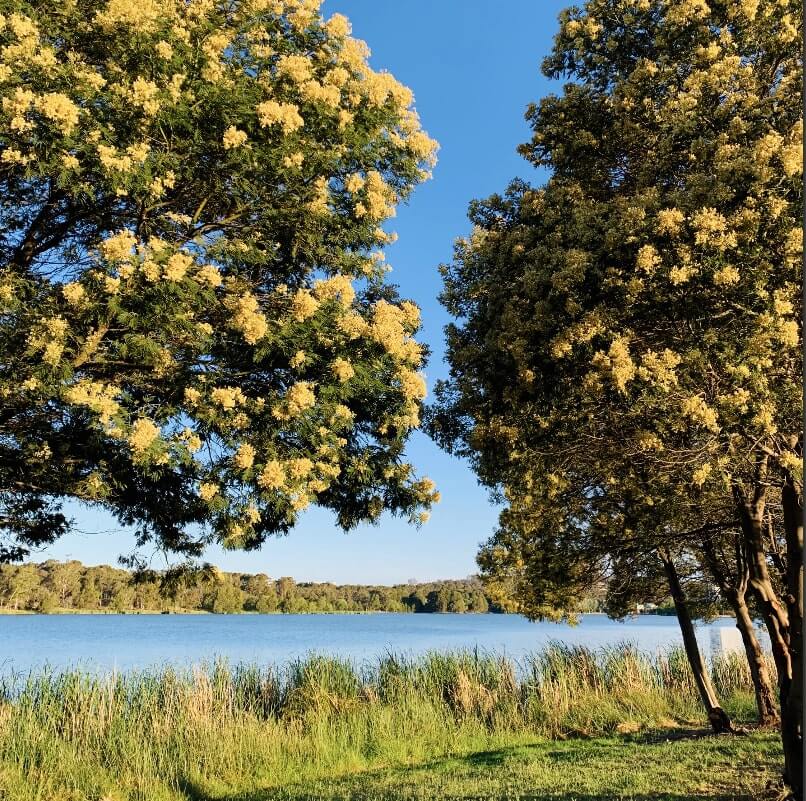
As in life, nature,
contrasts coming together—
shedding harmony.
As in life, nature,
contrasts coming together—
shedding harmony.
I’ve done quite a lot of baking since moving to Australia. But I’m no baker. I’ve never made delectable goods people would want to buy.
I’ve baked vegetables, pumpkin seeds, and oat clusters. I’m a complete novice otherwise.
I volunteer at a co-operative food shop. Yesterday, one of the managers walked up to me as I cleaned the counter and asked me how I felt about baking.
Unprepared. Unconfident.
And then, for the first time, I was asked to bake something. It was to be either banana bread or cookies. Nothing new or unheard of—we had s pre-designed recipe. I just had to follow instructions. If it said to boil two cups of salt, well… you know.
I wouldn’t boil two cups of salt.
But I was making chocolate chip and tahini cookies.
This wasn’t my usual marinate-vegetables-and-shove-in-the-oven recipe. It wasn’t anything like the pumpkin and oats mixture I bake all the time. To put it simply, it wasn’t simple.
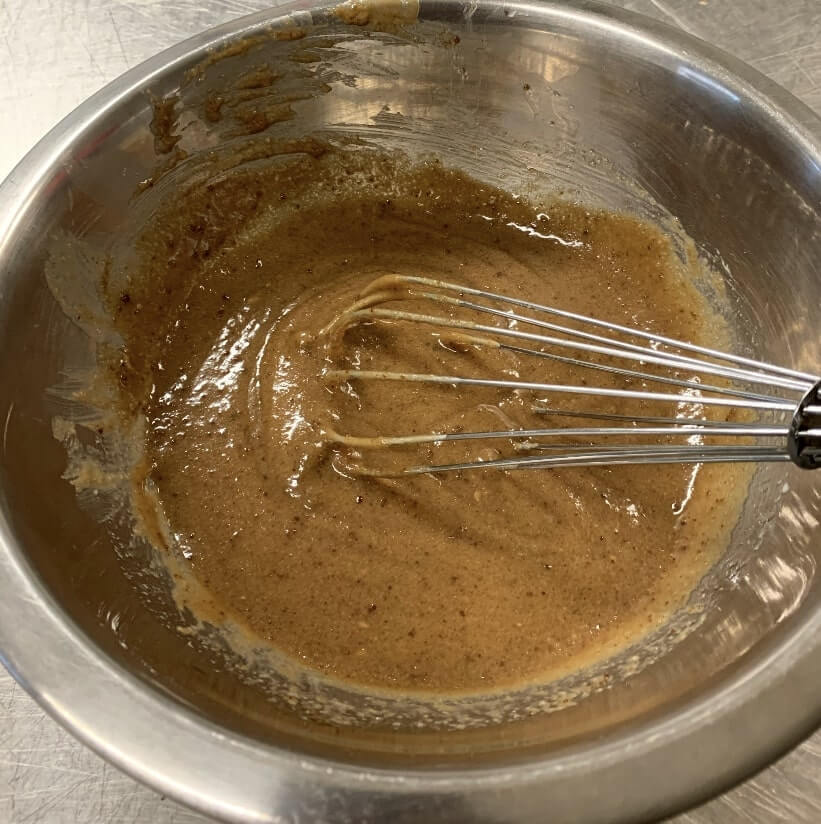
However, on paper, the recipe was pretty straightforward. It had fewer steps than the banana bread, and even though I’d have chosen the bread to stuff my face in, the cookies seemed far less intimidating to make.
I read the instructions over and over just to make sure I didn’t forget the salt or the vanilla, the oil, or the milk.
It was a vegan recipe, and only a few days ago, I’d seen the recipe’s author bake some cookies herself. So I had a reasonable idea of how they were supposed to look. I recalled awe-ing at how flawlessly the cookies had spread and how much people enjoyed chewing them.
It was a lot to live up to. And that terrified me. Even though it was just flour, baking soda, and salt for the dry and oil, tahini, milk, and sugars for the wet, I still felt an enormous pressure over my head as I measured the ingredients, battling with myself over the difference between a heaped and flattened cup.
The recipe suggested 15 cookies. And as I balled up the cookie dough, smiling to myself at how much it resembled the cookie doughs I’d seen on television, I realised I was making far too many—I’d made thirty small balls instead of 15 big ones. Anxious, but still proud of my mixing capabilities, I greased the trays, arranged the balls, and popped them into a waiting oven.

For the next fifteen minutes, I was thankfully too distracted to bite my nails and check in on the cookies every two minutes. When they came out, smaller than I expected, they were more like blobs of chocolate-topped brownish flour than flat disks of chewy goodness.
My heart sank. Perhaps I’d sunk the cookies.
The first taste-tester said it was good. But he’s a nice guy. The second affirmed the first guy’s comment, adding that the cookies were crunchy and crumbly—which is good, if you like crumbly cookies.
They were both more than less than helpful. I still couldn’t tell if the cookies were any good. And I didn’t trust myself to eat any.
We sold out of cookies in a day.
Many people appreciated my cookies. And yet, as a novice baker and an incredibly-doubtful person, it’s hard to believe.
Perhaps it wasn’t so bad.
Perhaps I’m not such a terrible baker, after all.
Perhaps I could do more…
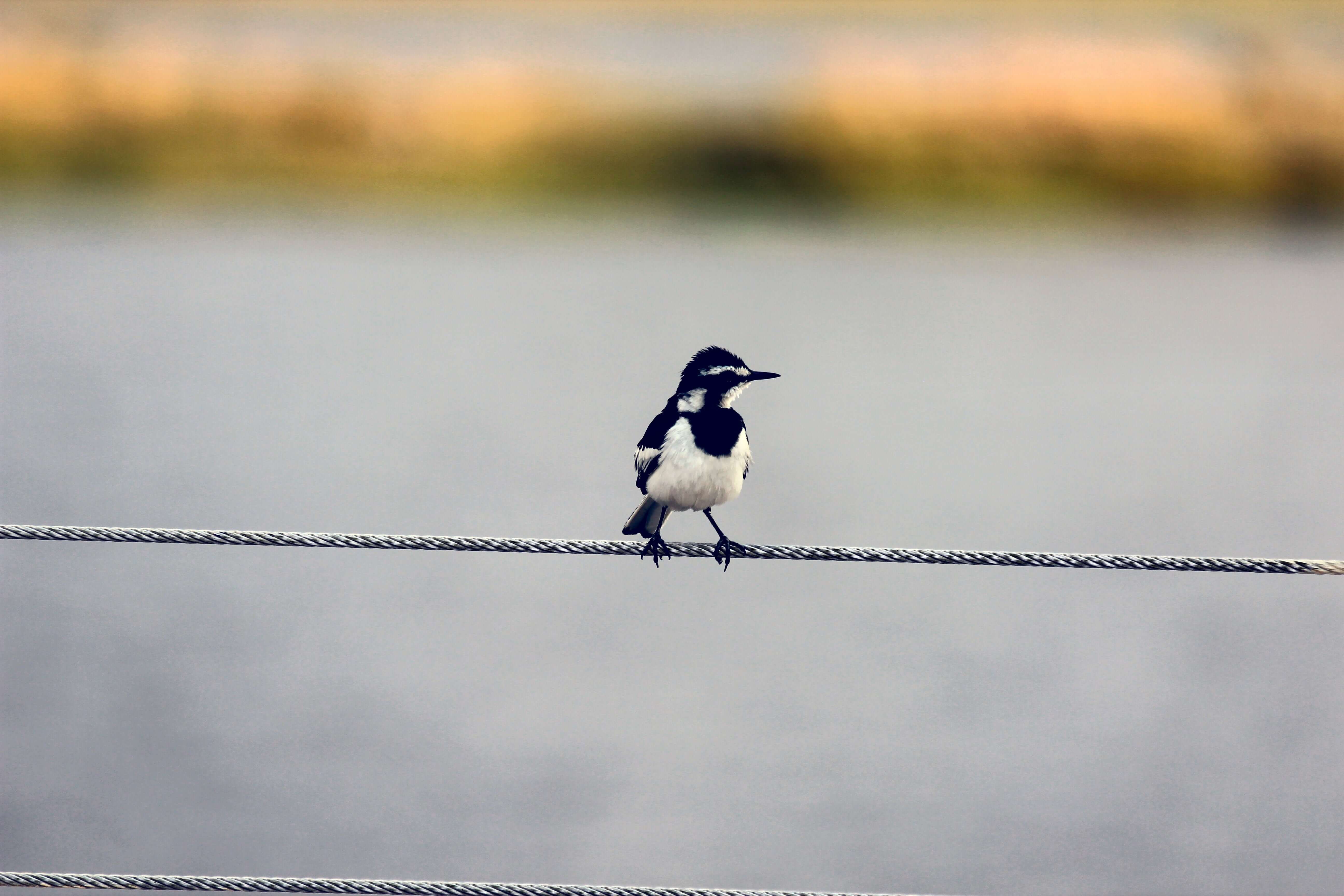
I’ve written about Australian wildlife being wild and at times, aggressive. Magpies swoop down on runners, bicyclists, and pedestrians even potentially leaving in their wake painful holes in heads and a bloody mess. All over the country, crocodiles await adventurous wanderers, kangaroos could become too friendly and shove all their weight on you, and venomous snakes slither into your home, making themselves cosy under your bed or on your toilet.
Even ducks waddle their way up to you wanting to pick a fight.
However, all of this is book knowledge. I’ve heard stories of others’ homes infested with eight-legged monsters, injured pedestrians keeling on footpaths nurturing magpie wounds, and countless other incidents that curdle your blood.
But you never understand it until you experience it yourself.
As I did today. While I jogged down my usual route by the lake, a woman walking a few yards in front of me shrieked. It all happened fast—by the time I realised what had happened, she’d recovered, a man walking behind her had helped her avoid the magpie’s talon. She held what looked like a leather bag that probably shielded her. The two of them quickly walked away while the magpie settled itself on a light pole between me and the path ahead.
I’d stopped jogging, my heart in my mouth. It seemed harmless. It was just a tiny bird sitting on a pole, watching the world beneath it. Nothing about it suggested any hatred towards humankind. And yet, as I watched, a cyclist pedalled his way towards me from the opposite side. As he rode under the pole, the bird screeched, bent its knees, and lifted off towards the bobbing red helmet.
It was ferocious. The cyclist didn’t deter even for a second. He rode onwards, steady, and almost oblivious to the potential death hovering over his head.
In a split second, without thinking, I took off. Seeing as how the bird chased the cyclist going the opposite side, I ran straight ahead, hoping it would be distracted long enough for me to escape.
But of course, nature is smarter than humankind. I ran like Phoebe, and the bird chased after me wailing and sending shards of panic through my entire being. I hadn’t run like that since my relay races in fifth grade.
As the bird’s cries died down, I slowed and stopped. From behind me came huffing noises, and I turned to smile surprisedly at a runner. She looked far more seasoned than I, and she slowed down long enough to add laughingly, “they went for me, too when I came in earlier.” And she went on as if nothing had happened.
For her, and the cyclist, it was just another morning.
Australian wildlife is crazy, but Australians are crazier.
Photo: Joel Herzog on Unsplash.com
Morbid love affair
obsession of possession
story of sieges

Two days ago, I sat outside the cafe I volunteer at, trying to distract myself from my drooping eyes and get some work done. Just then, a cross breeze blew its way onto my face, grazing my cheek. A hot slap. It was 37 degrees in the late afternoon, and my laptop was so hot I couldn’t continue typing. I’d been sitting there for less than a half-hour.
It’s the hottest heat I’ve ever experienced. Having grown up in tropical Asia, I’m no stranger to high temperatures. My dark skin and an unhealthy obsession with zero skincare regimes have left me almost permanently tanned. And so when friends told me it’d be hot, and we wouldn’t want to do anything—even cooking elaborate meals—I was amused. I said nothing, however. I can handle the heat, I thought.
I thought wrong.
It came as a surprise to me that I’m not excited for the impending summer. It’s beautiful outside with lusciousness painting the town green, early morning sunlight beating off of hanging leaves, illuminating old brick houses making them, somehow, seem far more bright than they are. Sidewalks are abloom in yellow and purple and white, smiling, welcoming with warm head bobs.
It’s all lovely and inviting. Except it’s hot. Strangely enough, a lot of the houses I’ve seen in Canberra don’t have ceiling fans. Since I arrived just before winter, I didn’t think a no-fan home would be so bad. And yet, as I sit on my comfortable bed, now quite warm from me resting my butt on it for the last twenty or so minutes, mildly wondering if my heating up laptop would survive the summer, I realise—fans matter.
 The Chaos Within