

She’d definitely be at the opera. Alone.
I should go too—there’s no way she’d bring the restraining order along.
She’d definitely be at the opera. Alone.
I should go too—there’s no way she’d bring the restraining order along.
I love book titles that jump out at me. It’s not easy to think up an evocative phrase or name that’ll stand out in the mass of dusty shelves of non-fiction, hardly grazed by regular readers who’d rather wallow by a willow on the wonderful world of fiction.

That’s why The Story of English in 100 Words caught my eye. Even more thought provoking was the size of the book, for I’d thought even Frankenstein-like font wouldn’t require 200 pages for a 100-word book.
Good work, David Crystal. You had my attention.
I flipped open the book to realise that the author had used misleading phrasing as a tactic to grip his reader—a curious use of the language he was just about to embark decoding. It wasn’t the story of English in 100 words, but rather the stories of 100 English words.
And then it made sense. In a way, in a crude and uncanny way of speaking of words and usage, the author was right: by telling the stories of 100 exemplary words, he’d hoped to explore the evolution of English itself. So in a way, that title wasn’t such a bad choice.
Curious.
I’d have preferred a more direct one, though.
That said, the book is still an engaging read. As I browsed through the words and the narrative associated with each, I saw that the author had strayed away from strict research and technicalities to take a more relatable approach.
Here and there, strewn like breadcrumbs on lasagne, were the author’s observations about a certain word. For a student referencing it hoping to find matter for an assignment, the interjecting musings may be a hindrance, but for a language enthusiast who picked up the book because of its captivating title, they were fodder for thought.
For instance,
We have to be especially careful when it comes to the adjective’ arsy’.
In Britain, the word means ‘bad-tempered’ or ‘arrogant’, as in “We get the occasional arsy customer in here.”
In Australia, the word has developed a positive meaning, ‘lucky’: “That was an arsy goal.”
It’s wise to pay special attention to who’s speaking before deciding what to make of “You’re an arsy bastard!”
Throughout the book are little gems like this that smile at you from behind the veil of informing. Of course, the author does record origins of the word where applicable, and the background story of how it fell into regular speak.
Words like doublespeak, Twitterverse, arsy, doobry, blurb, and a multitude of exciting others make you go, “huh,” and look away from the book to stare at the trees passing you as you sit on a long bus commute, thinking, mulling over what you just read. There’re stories about words like “muggle” and how J.K. Rowling toppled its meaning from a drugger—as was the accepted meaning in the 20th century—to mean a person without magical (or special) powers.
This is a lighthearted book. Though its an intense concept—exploring the history of certain quirky words and how life has folded them into our everyday batter and banter—the author does a great job of keeping it readable and level headed, even for the casual reader in the street.
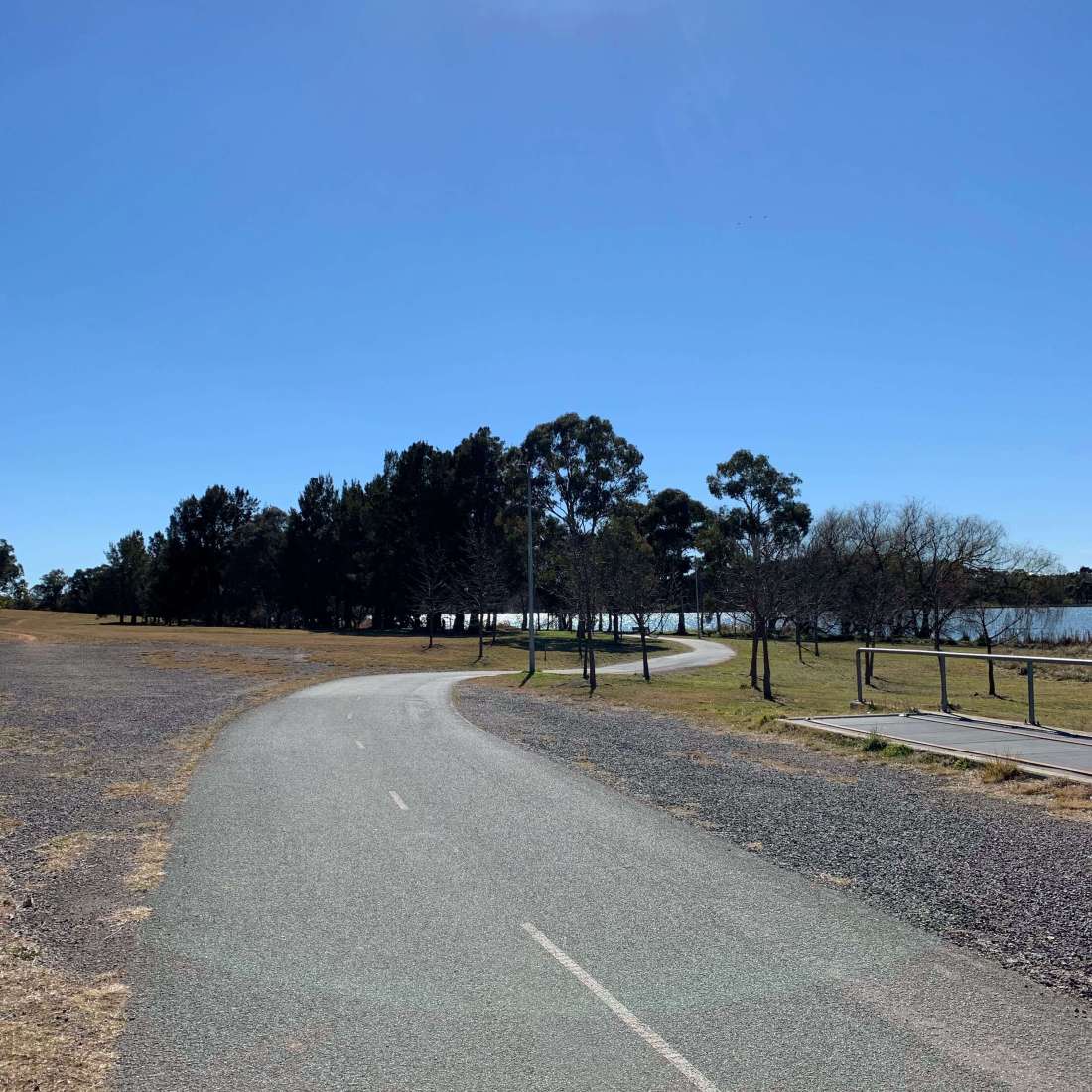
down the winding road
trees snaking up to the skies
paving peace on path

He knew they should’ve got rid of that spare bed.
Now it was his bed.
Anna rammed her index finger on Backspace, tap tapping at first before giving up and pressing down as the computer erased her work. Efforts of the last few hours.
No biggie.
She was a writer, and this is what writers did. Writing every day, crouched on a supposedly comfortable desk, forgetting back support, ignoring foot rest, impervious even to the cold wheezing through the door crack, yet finicky—disconcerted by squiggly red lines on their canvas, the maniacs, telling themselves a measly coffee was all they’d needed to spew out a mash of creative fiction like an infant being sick from mother’s milk.
That’s what they did. Before re-reading and scratching it all out.
Anna was no different. She wasn’t above any other writer who struggled to find their voice amongst the hoard of inspiration that sprung upon them through school and university.
My, how wonderfully the Bard describes a crow—Rosaline, he calls it.
Pfft, Anna scorned to herself wondering what a fool Romeo was. And Juliet. And the masses for considering them the best lovers ever to grace the unreal world.
Goodness, what a good writer the Bard had been. She’d never be as good as he—no, him?
She paused, fingers in mid air, stretched in odd angles over her keyboard, hovering, her mind racing as grammar police tailed her, sirens wailing. Did she dare go on or should she wait for the authorities to catch up?
Ah, she gasped. The horror of letting them get to her. To her, a proper writer, one who reviewed every line as she wrote it, scrutinising every syllable, reading aloud in her mind to verify rhythm, tone, and intonation.
Definitely him.
She marched along. Better move on than get caught—and worse, taught. She was too old for that now. She had a job, for god’s sake—she was an adult. She should know the difference between he and him. Yes, she should, she nodded to herself in indignation. She did, her nod agreed back.
Pausing, she breathed deep before cruising along—a little slower now. In the long road to her destination, the police had often come along, riding too close at times, once even yelling through the window, demanding she stopped to reconsider her points of view. It hadn’t been easy to ignore them, to swerve around, overtaking their nagging voices, looking beyond their raised eyebrows and disapproving head shakes. But she’d come thus far—
Screeeeech—
Thus?
Anna rammed her index finger on Backspace.
 The Chaos Within