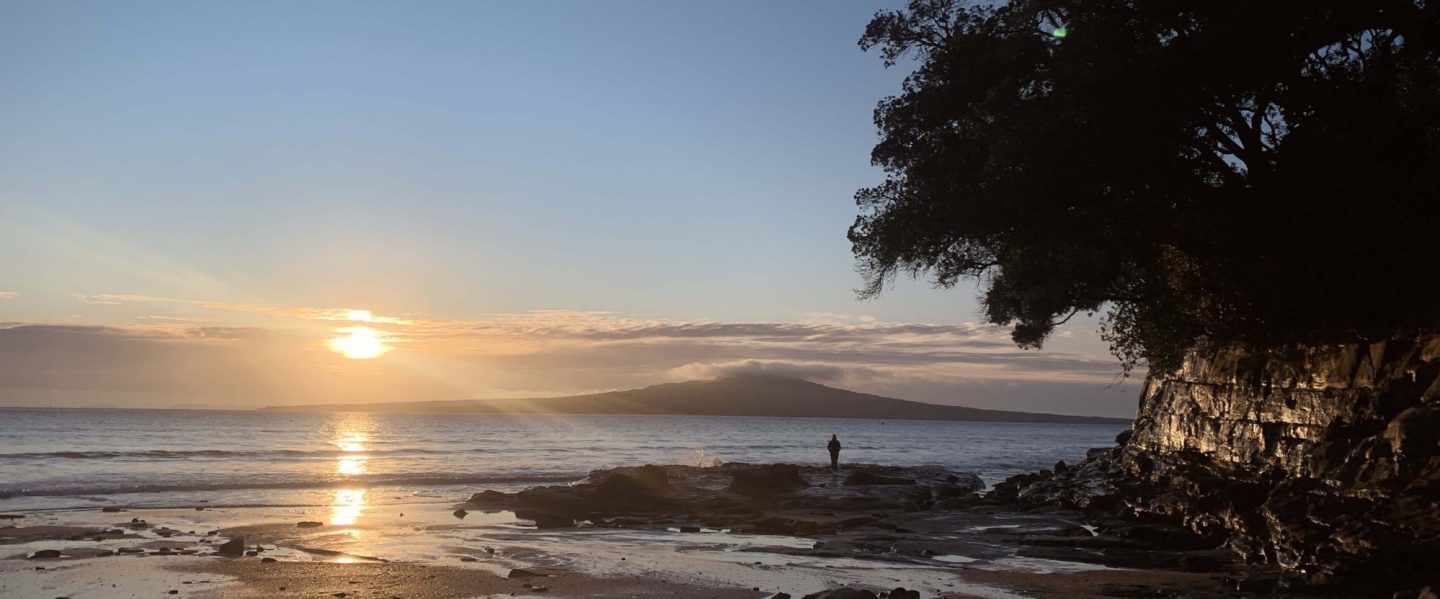

Like dregs of coffee
in an empty pot—lingers
on trees, autumn sun.
Stay
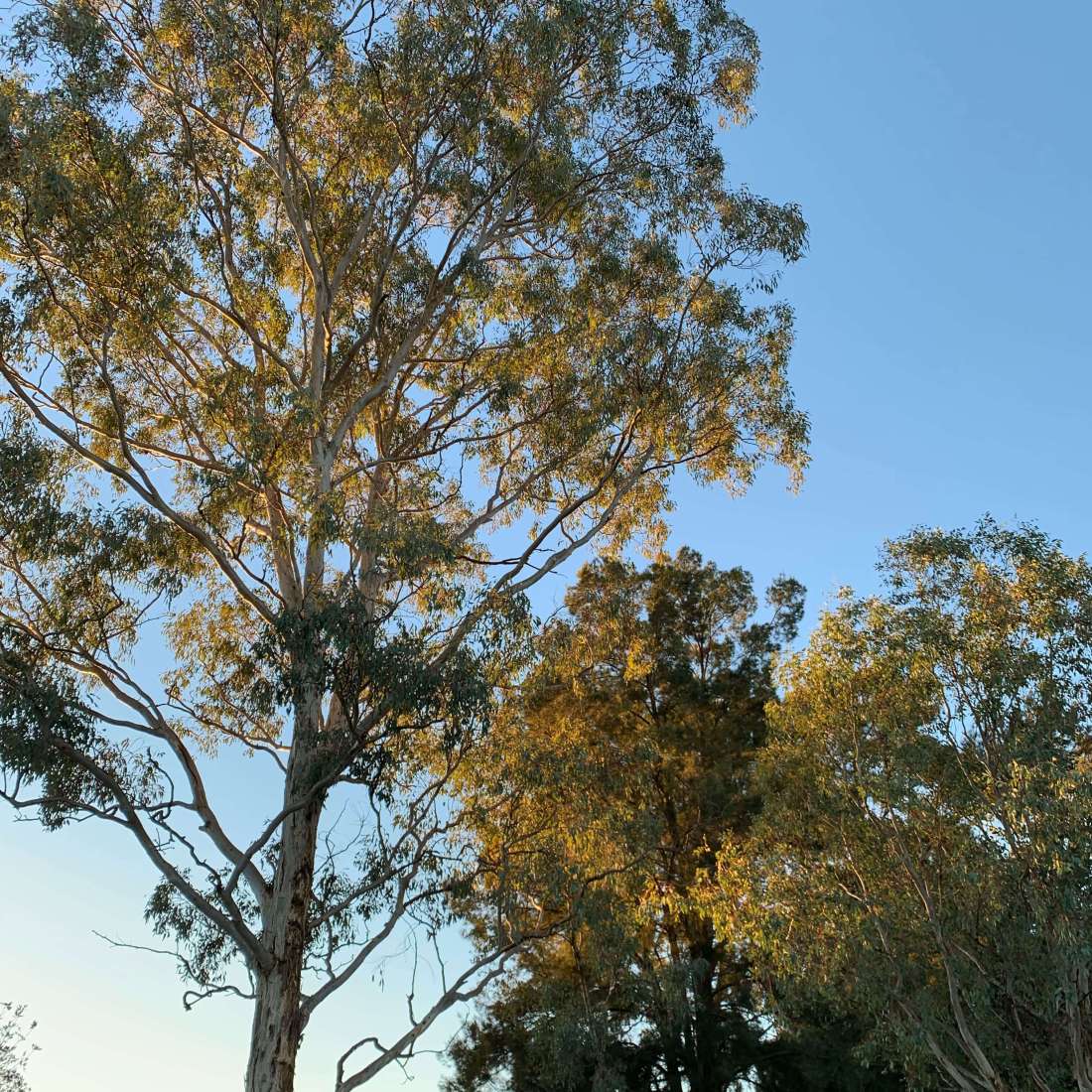
Like dregs of coffee
in an empty pot—lingers
on trees, autumn sun.
Garbage bags are trash
and so are candy wrappers
delectable coffee k-cups are as well
oh, but wait—not the to-go cups
Bottled water’s plastic, mate
and less is more since it’s waste
but wine’s mine, and that’s fine
glass breathes better—now don’t you pine
Think lean, mean, and buy in bulk
for killing fields are war scenes
they’ll forever haunt as packages
the convenience buyers—those savages
Landfilling bags or recyclable tins
beans from scratch or scratched open lentils
is one friendlier, healthier than the other
questioning, my friend—it’s just the first step
Jesse stared at her silhouette on the blank wall of her room. Through the thin glass window behind her, peeked a bleak winter sun partly shrouded in a mass of dark clouds. The first storm of winter was upon them.
Stationary, Jesse observed the figure before her. Tall and lean, the shadow had a staunch confidence she’d never felt. The cape around its shoulders seemed fitting, as if the superhero within had finally broken free.
Jesse had spent childhood days dreaming of the waking moment she’d discover her gift. She’d imagined and reimagined the training she’d receive from masters she’d only read about. The waning sun had brought out all her secret desires, laying them out barren for her to devour.
As the light faded and the shadow melded, Jesse stood in the gloom. It pressed upon her room, while she listened to the ghastly winds that raged beyond. Alas, the darkness revealed her for what she really was—a shivering teenager clothed in a blanket against the cold.
Like wine was our relationship
those mellow tones at the beginning,
deep and divine flavours soon evoking
it could cut through all bitterness
each sip unlike the one before
left us both whining for more
every day we cherished our prize
drowning sorrows in sweet shiraz
our conversations revolved around it
giving expecting voices a chance to rise
halfway through lightheaded we were
having said too much already to take
shoving pizza helped calm the nerves
a temporary solution for aching insides
like plaster made of oil and water
only so good before it slides all over
for unlike ever before we’d talked
and what a shame to stop progress
now past that intoxication point
and so we plunged on, on and on
draining the last of the fine wine
inhaling like oxygen under water
exhaling grape breaths of regret
oh, those eight servings of wine
gone without even lasting four
laid out flaws in plain vain sight
the gluttony, greed, hidden hatred
ending the mighty fight for high
all that remained, of wine, of us
was a broken bottle and a slit wrist
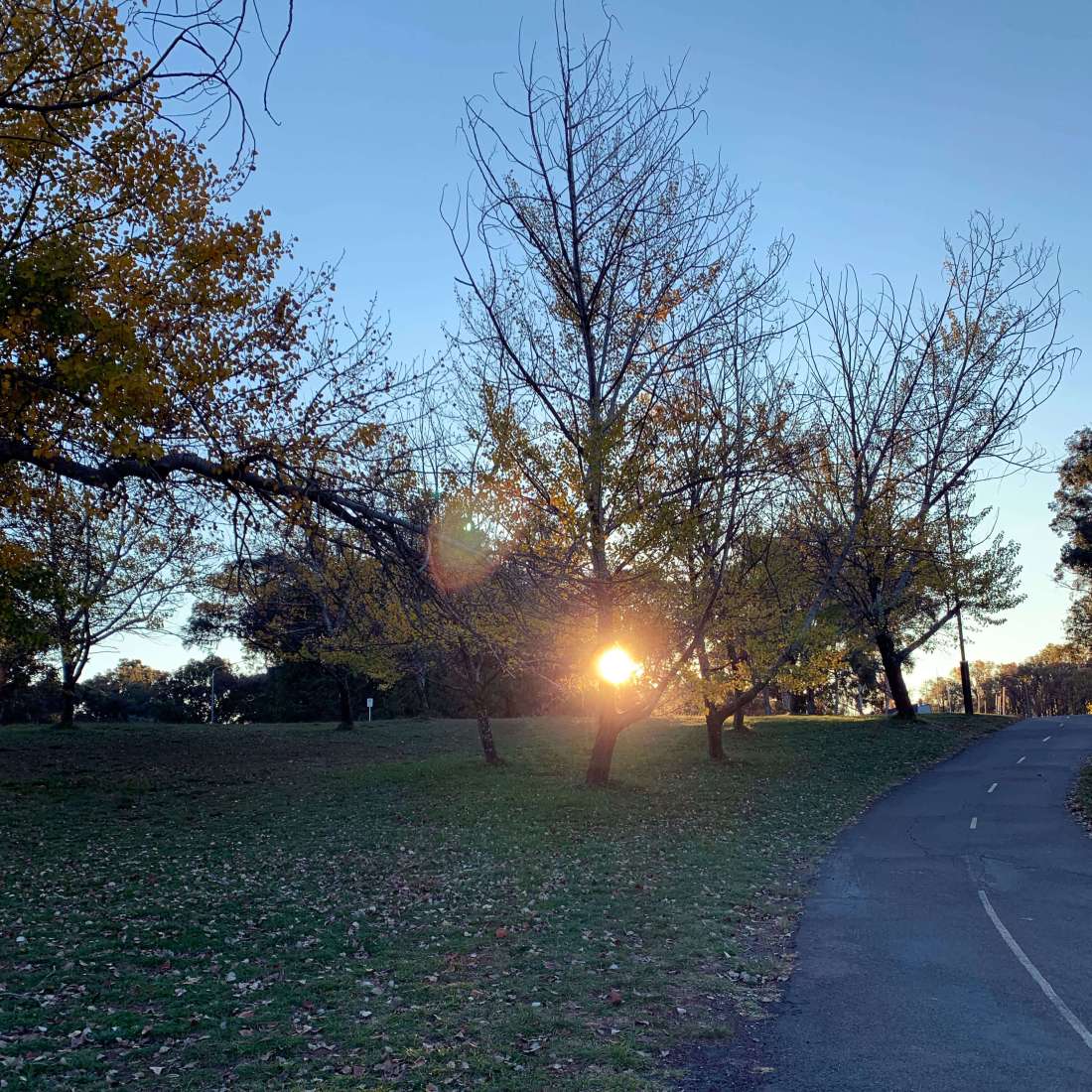
Rises every morn
spreading brightness in all lives
unbiased, the sun
 The Chaos Within