The other mother

Why do we call her “mother” nature?

It’s more than personification. It’s a symbol. A mother—the one who births us—is a guide, a teacher for her child.

And nature, too is a guide, teaching our soul how to live. I used to think of nature only as a mother that bears us longer than a physical mother.

But there’s so much more likeness between mother and nature.

A mother is always there for her child, willing to listen and help without passing judgements. She’s patient and all-enduring, even the odd misbehaving child.

Nature bears with us despite every thing we do to her. We dump garbage on her, pump our waste on her hair, drill deep into her being searching for wealth, and yet, not once does she punish us for being as we are and doing what we do.

Sure, life isn’t always a walk in the park. Like my mom, nature has bad hair days, too. And sometimes the wind blows hard on our relationship, shaking pillars we’ve built over the years. Regardless, every catastrophe, every hard-to-face situation is a lesson for life. These incidents teach us to acknowledge and accept the bad things, just as we crave and cherish the good ones.

Looking back at the aftermath of those rough times, we can learn to amend our mistakes. For when we reflect from her perspective, we’ll see how much we’ve abused her selfless kindness. We’ll realise how we drove her into venting her frustration on us. Maybe we triggered a long-suppressed volcano of disappointment.

Just as we mature, so do our spiritual and physical mothers. We often forget that. Just as leaves, the hair changes, as seasons, the moods evolve, and then she becomes less intriguing to us.

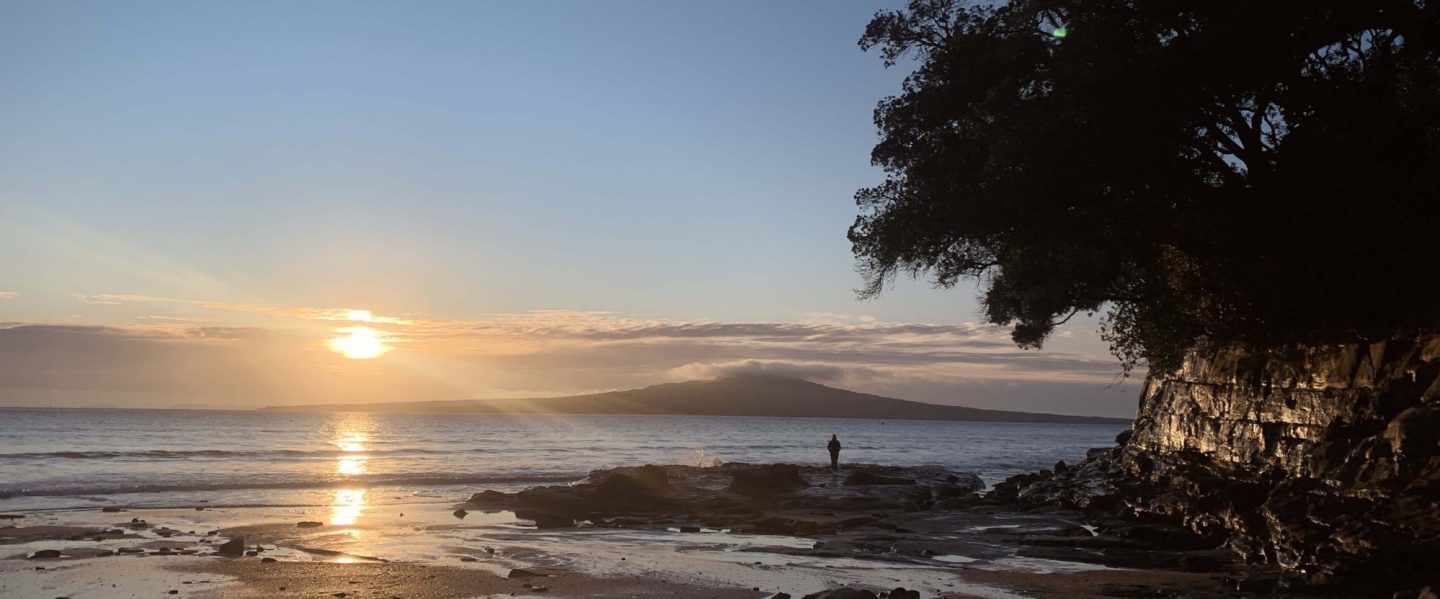
Mothers don’t punish their children for bad behaviour, but even they have tipping points. And it often takes a breakout for her to get our attention—a reminder that we should spend more time with her. A reminder to call on her more often and listen to her. Because, once we’re grown up we forget how much we relied on our mother—how much we loved playing in the sand, dipping our toes in the river, and dancing in the rain.

A mother is an embodiment of everything we live for. We should preserve that relationship.

Let this mothers’ day be a happy nature day as well.


Thanks for this week’s muse, Kumud and #SpiritChat

Lost in the midst

Forest

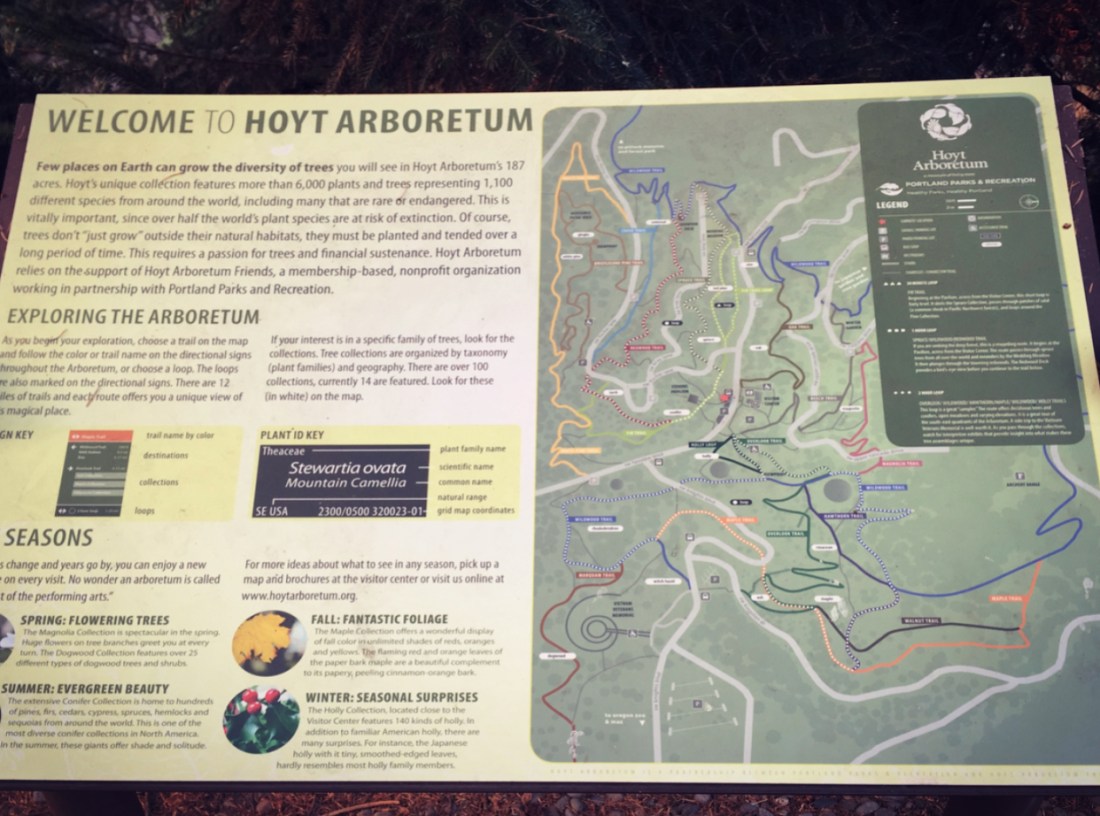
Intense density pressed upon her face. From the clearing she stood at, she saw towering barks rise overhead. As she sat on a cold stone bench, she observed walkers and bikers disappear into clusters of thickets that surrounded her. Afraid of getting lost in the wilderness, she remained put, hoping her colleagues would rescue her.

She’d made a huge mistake going off alone on the first day of work. This new life had overwhelmed the simple country girl that she was. In her search for fresh air, she’d found herself, instead, in a forest of buildings.

IT parks were unfamiliar.

There’s no place…

Though I don’t do it enough, I love travelling. Walking from one place to another, ducking under trees, listening to walls, hiking steep hills, and gawking at great sights—that’s when I feel most at peace. Exploring, that’s where I feel like I belong.

Non-intelligence

After working in the tech industry for five years, I now know that it’s the only viable way of surviving the future. Sure, I’ve always known it, but a smaller part of my heart never accepted it.

That small part of my heart is the entire part of my being.

It’s the part that gravitates towards all things non-technical. The one that got away from science classes, math sessions, and chemistry experiments. The one that inhaled fresh prints, old parchments, and coffee dregs, revelling in poetic licenses. I’m a hopeless romantic—the latest Java Script breakthrough doesn’t excite me; the oldest of Shakespeare puns do.

What’s my place in the tech world then?

I can write. Ah, yes, the hipster glasses, the grande coffee cups, the iPhone with multiple notebook apps, and the whine and the wine.

Stereotypes aside, I found my way into a tech company because I wanted to write. But I soon saw that technology grew faster than I can comprehend. We’re now in the era of chatbots waking us up with inspirational quotes and sharing over two-thirds of links on Twitter. Social media has redefined itself from human-to-human interaction to human-to-bot interaction.

All this, even without the slightest interference from the world’s largest tech company. What happens we bring them into the equation, though?

This.


I don’t applaud scientific humans. Our minds are fascinating. The signals we communicate to and from others form our essentials.

I’m all for convenience and getting things done faster, but that small part of my heart—the one that makes my being—cherishes the little things that make humans, human.

The rush of adrenaline, the veins pulsating with blood, the mild exaggerations in prose, the excited squeaking of the voice, the racing heartbeat, the elevated tension, and the undeniable climax—that’s what we’re made of.

To experience the smartest of technology being smarter, more human-like than humans themselves is more than just an achievement. My pencil-wielding hands, poetry-laden mind, and puny self finds it an unacceptable abomination.

It’s hard for me to digest this transformation—this spurt of growth, this advancement in human intelligence. I don’t understand why we try so hard to invent replacements for ourselves. But I realise that this is the way we live now, and I, too, will learn to live with it.

But—hey—the heart doesn’t want what it doesn’t want.