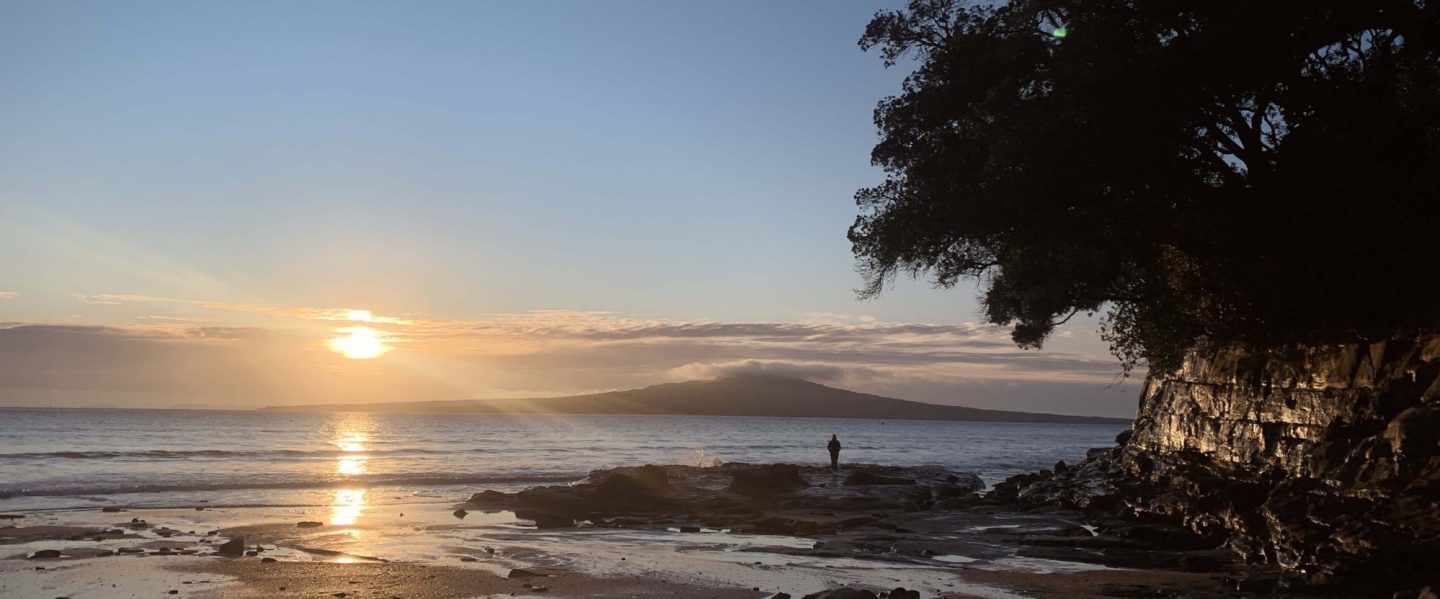

He branched desperate
as roots of a tree, reaching
clinging to someone
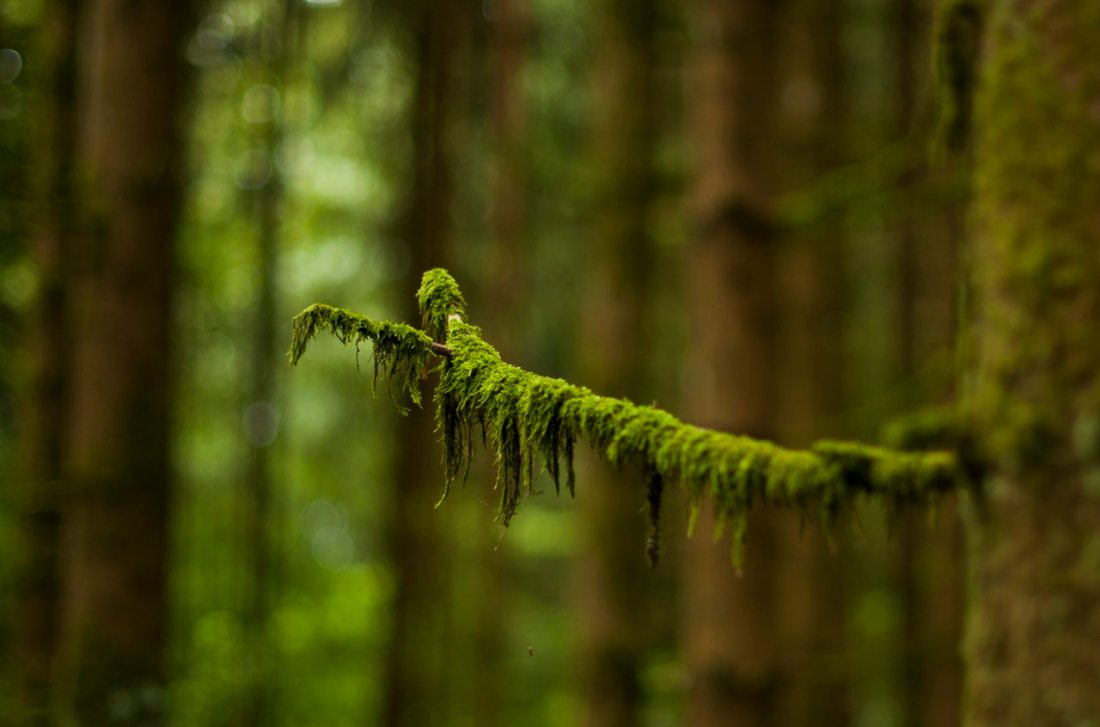

It was so typical of her that it surprised no one. Her parents wouldn’t worry much either and her teachers decided to hold off telling them until she returned.
Because she always did.
Merlyn took pride in projecting herself as such—unashamed, unapologetic, and uninterested in socialising. Her unconventional preferences singled her out amongst contemporaries. No one knew what went on inside her head, but they knew she’d run away on her own during every class picnic.
Hours later, with twigs in her hair and mud on her clothes, Merlyn came back from an adventure her friends only read about.
The first thing family and friends do when a child is born, is assess who the child resembles.
Ears like the grandmother, fingers like the mother, forehead like the father, and a frown like the uncle.
It’s quite common to expect children that immortalise not only the physical traits of their family but also spiritual qualities like cultural beliefs, philosophical convictions, and habitual preferences.
The more I think about it, the more I realise that I’m my family—I’m everything my parents are. The way I walk, the way I raise my voice when annoyed, or the way I wipe my mouth on my sleeve (hey, don’t judge) all resemble someone influential in my family.
I imitated and then adopted the behavioural characteristics of those I grew up observing. It’s natural—we all take hints from our environment.
From a young age, we see family as our sole resource to facing and navigating the rest of the world. And so it’s unsurprising that we inherit physical traits, as well as mindsets and ideologies. They aren’t too defined when we’re born, but as we grow up, revelling in the same practices, they become more pronounced in our lives—like religion and political opinions.
We tend to follow certain beliefs because we’ve always followed those beliefs. We don’t stop to wonder why we asset what we assert.
Therein lies the biggest problem of our society. Since we never challenge the status quo, we become blind to its weaknesses, building up a society that lacks both sense and sensibility.
To combat this, however, we should embrace change. Often underrated, change is a powerful indicator of how we live our lives. It’s a harsh speed breaker that forces us to stop and think why we do what we do. It helps us realise what we so often let slip by. When we move to a different environment, or surround ourselves with a radical community, we’ll find that our mindset also shifts. We envelope new beliefs, fresh perspectives, and even transformational characteristics.
When we change our environment with utmost consciousness, it elicits our innermost being, and brings forth the person we want to be. We’ll get to choose—among the various traits that we’re both with—which ones to follow, to ignore, and to evolve. When we surround ourselves with the right people, we may have—with time—the power to reorganise our behaviour.
Different cultures bring out different characteristics in us, and with precise choice we can forge a desirable future for ourselves—regardless of our inheritance.

“As quoted above, the directors of the board, in a unanimous decision, have agreed to terminate the alleged accusations placed on it by the self-proclaimed advocates of rights. It is hereby declared that any individual or group, with our without legal advice, can no longer seek or demand the permission of the board or any other decision-level authority for additional time off of premises for purposes including, by not limited to, spring breaks or bearing offsprings.”
Huh?
“Sorry miss,” Julia’s supervisor sighed before raising his voice over the din of machines and hum of laboured men, “No maternity leave here.”

