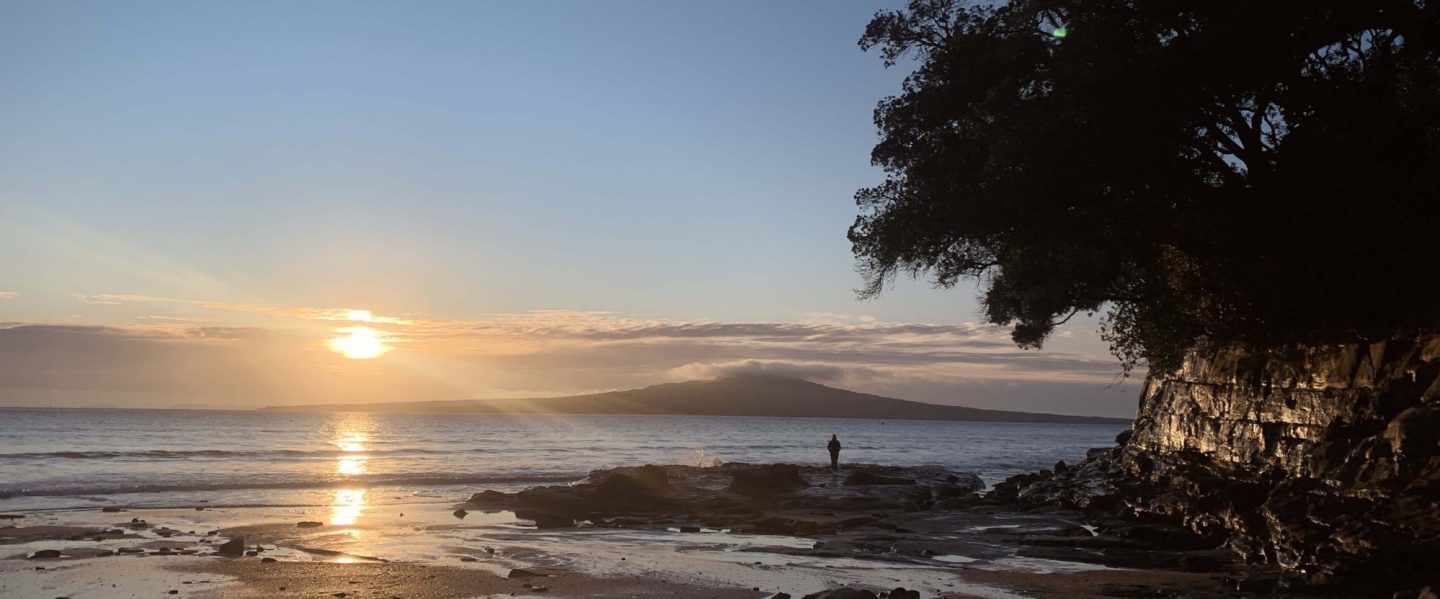

Says to tear-stained face
momma’s in an astral place
reason isn’t reason
“Wow!”
Applause broke out as the poet bowed, concluding his recital. Appreciation rang across the auditorium shoving excitement down his spine. How long he’d awaited this.
“He seems so conversant with the realities of poor kids in third world countries. He’s done his home work well, I should say,” the director of Save our Souls gestured at the telecast on TV. “Perhaps he should be our ambassador.” She raised her eyebrows at her husband, the investor.
The poet went home to his six children. Children he’d rescued from Save our Souls, an organisation that raised funds by starving the starved.
I hate it when people barge in on me while I’m trying to get some me-time. That’s why I’m always wary of approaching others who seem fine at being alone. It so happened while I was waltzing off on my own in Alki beach, I saw a gentleman standing by the shore observing the coming and going of the waves. He stood there for a while in silent rumination about things I’d never discern. In a vast emptiness that surrounded us, for he and I were the only ones on the beach, he seemed oblivious to my existence.
Although I felt an itching urge to engage this man in an animated conversation, I refrained. I stood afar and watched him as he picked up a few shells, scrutinised them, and dropped some of them back. I never saw him turn around.
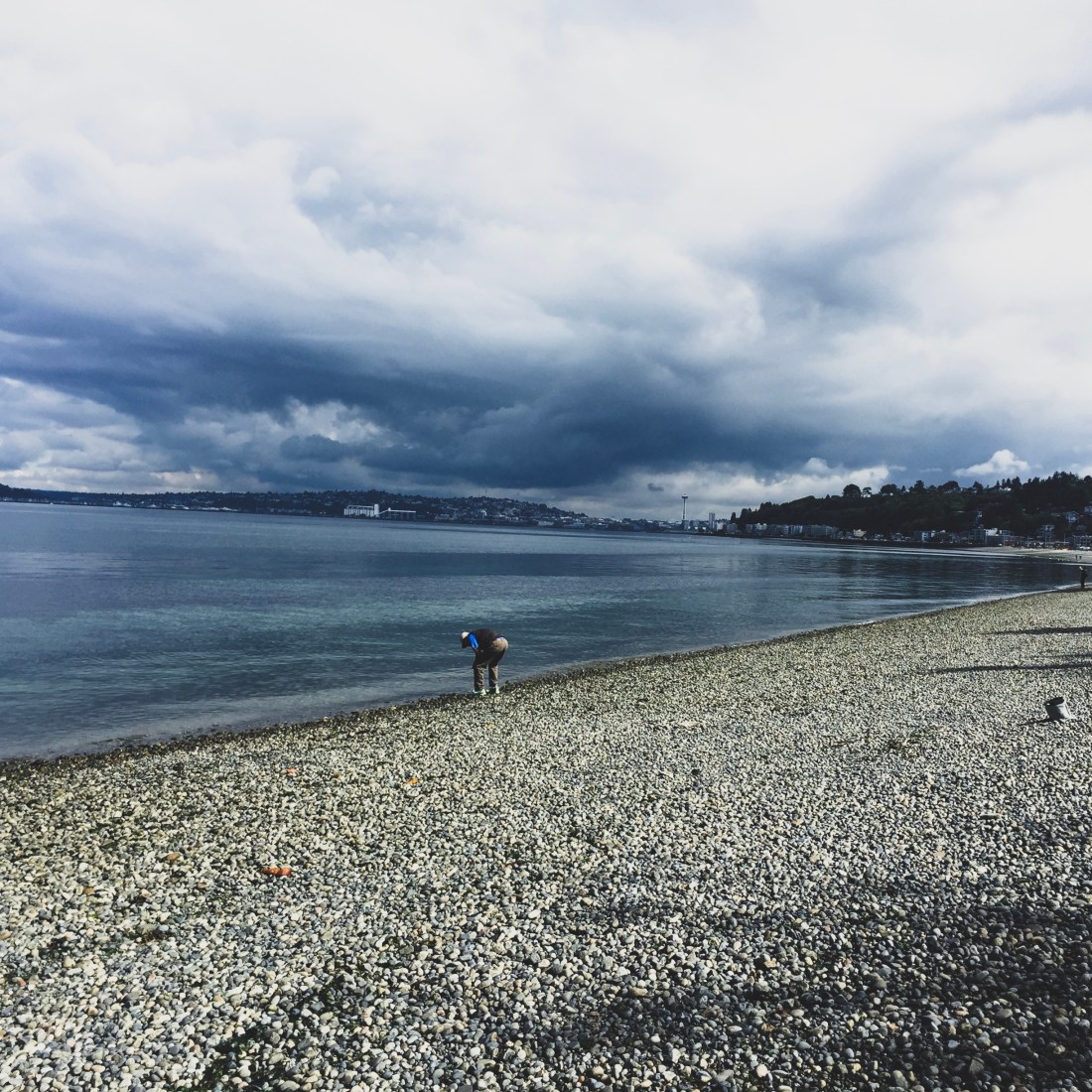
Perhaps he had a grandchild who loved seashells, I thought as I walked away.
Writing in a diary is precious, isn’t it? The first time I realised its beauty I was reading The Diary of Anne Frank. Born into a Jewish family in Hitler’s Germany, Anne maintained a diary during the few years she and her family were hiding from captivation. Her father, the only survivor of the concentration camp that wiped out the family, published her diary. To this day it remains a stunning reminder and a heart-wrenching portrayal of the life of a teenager in wartime.
It was the emotions and the ultimate simplicity of that diary that inspired me to start writing my own diary. Every day I’d record my thoughts, frustration, observations, and general musings. When I looked at the entries months afterwards, I noticed a lot of silly mistakes. But I also saw a lot of potential and my true self coming out of the diary. That’s how I understood so many aspects and characteristics of myself. It was so sincere and so flippant that I saw myself for the first time.
I loved what I discovered so much so that I incorporated diary entries as part of a story I wrote. I had a couple of chapters dedicated to diary entries of my main characters. And I felt the difference, too. I dug deep into the character to extract their innermost emotions, because the diary of a character speaks truer words about them than the character themselves. It’s so because diaries are for personal readership. Anyone who keeps a journal knows that no one would and should read it but themselves. That gives them immense confidence to be themselves and let their guard down.
I did. That’s why I managed to impress myself so. It’s the same of anyone else. Because we know it’s private, we allow ourselves to be real. We charade our true emotions and opinions in public for fear of people hating or misunderstanding them. While we project what we want to project to the world, a diary is where we take a break and project our actual thoughts.
During a particular rough time in my life, I was so self-pitying. No one else who met me would’ve known that at the time. I didn’t realise it myself—until months later I read what I’d written in my diary. It’s such a harsh way of telling yourself who you are and I think that’s a pretty powerful technique in storytelling.
I just started reading a book that’s made up of nothing but diary entries. I’ve only read about 50 pages but I already see the depth at which a journal characterises the person. I see two different personalities in the same journal entry—one when the character narrates what they did in public, and the second when the character writes down how they felt at that moment. There’s a lot of interesting juxtaposition and a beautiful arc of a story.
Although it’s so good so far, I wonder if it’d get boring as the story progresses. Too much of a good thing, perhaps? I can’t wait to find out.

