November 24th 2013. The day I felt most proud of myself. It’s still unmatched.

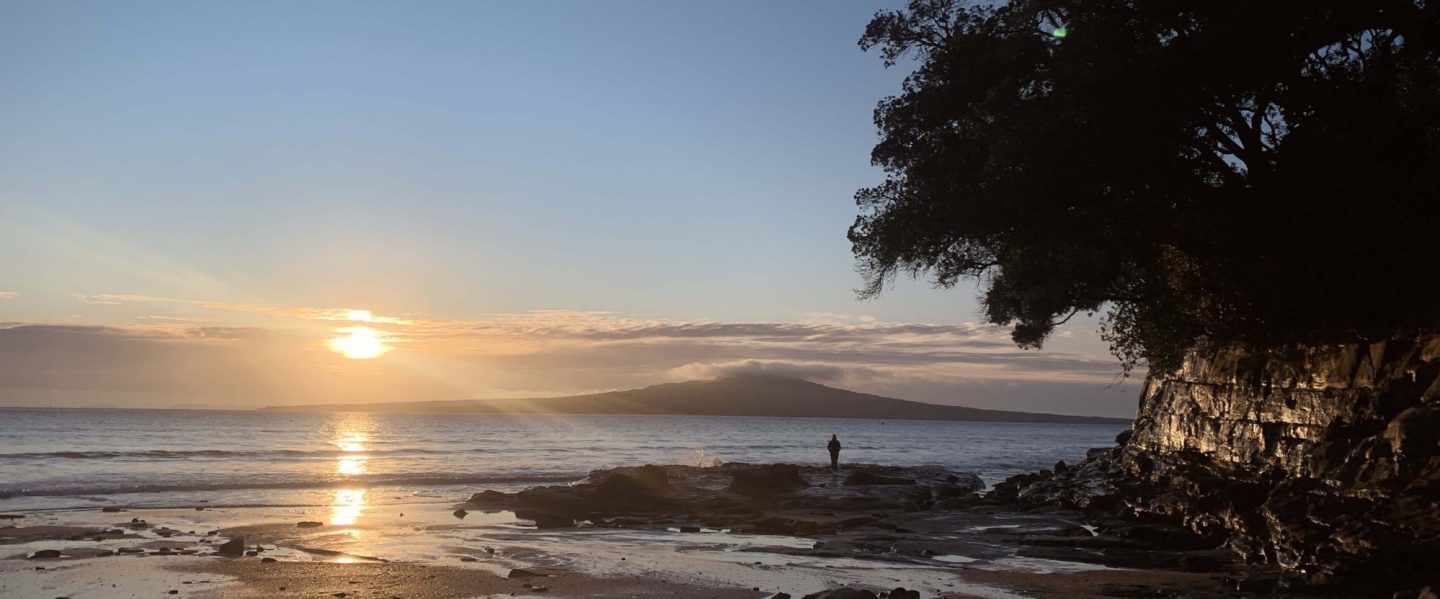
That was the day I finished my first draft of my first full-length novel. I had taken on the National Novel Writing Month challenge and succeeded. We went to the beach that day, and I soaked my feet in the salty depths of the ocean, while my heart soared beyond the setting rays of gold.
I had completed the longest writing project I had undertaken. And every one else my age was shuffling about, preparing for the semester exams. Fifty thousand words in less than thirty days — I still look at it as my biggest achievement.
And like every NaNoWriMo participant, I pledged to myself not let go of my work. I promised I would edit my draft, and then edit it some more, until it’s good enough for the eyes of a professional editor. I made a plan, I sketched out how I’d work and planned to get my novel published within a year.
In the days that followed, I tried editing, but I kept dozing off on my laptop. I kept telling myself I deserve some rest. Three years later, I’m still editing my draft. But I rested way too much. Now every time I open up my draft, I stifle a yawn.
I’ve come to a bitter realisation. My novel is boring. If I can’t get through it myself, how’re others supposed to?
So I forced myself to make it more interesting. I tried reworking one sentence in one chapter at a time. But it was hard. I had put it to rest for far too long that I had changed so much from the person I was when I wrote it.
I had been in a writing job, and when I look at my draft now, I can see all the blunders I couldn’t see before. I had grown as a writer and an internal editor, and as the person I am now, I can’t revive that piece I wrote three years ago.
I am now a mature writer, I know the perils of using too many passive sentences, the rules of a semicolon, and the effect of an adverb-stuffed piece of writing. And then I see my own work, and feel dejected. I see all the mistakes I now try to avoid. And when I set out to correct them, I feel like I should rather scrap the whole thing and rewrite it. Even the plot seems too weak for a reader to get through third chapter.
So now, it lays there. Taking up most of the my storage space on Evernote. I don’t think reworking the story would do any good. Perhaps I should just let it be. As a reminder of my dedication. As a testament to my ability to show up everyday and write. It’s one of those things you don’t brag about but swell as you think of it.
So, I’m ready to let it go. I tried publishing it on my blog for National Blog Posting Month. I got a few regular readers, a handful of likes, and a couple of comments. But that’s all. Maybe it’s time to put it to sleep, and try again. I’ll try another NaNoWriMo, another story, another fifty thousand words. And maybe this time, I’ll write it proper and edit it sober.