Old news

It’s 6:30 am on the 15th of February. And I’m angry.

It’s is not how I’d hoped to start my day. My first realisation for the day was how bloody America has become. A teenager has gunned down high school students—again.

I don’t live in the US. I’m no longer a high schooler, and I’m no parent. I know no one in Florida or anywhere near its vicinity.

But I’m angry nevertheless. It pains me—who lives 11.30 hours ahead of PST—that someone somewhere has unrestricted access to such vile weaponry. I’m silly that way. Because I care about what’s becoming of this place that I no longer want to call home.

Just last week I was proud—thrilled that a fellow human propelled a rocket to space. A single man’s determination and persistence has given us all a lifetime worth of achievement. Last week as Falcon Heavy made a safe landing, we celebrated human-ness  and our intense ability to reach beyond our confines. Our race had pursued the nigh-impossible and proven nothing’s impossible. For one week, I was proud of humankind.

This week, I’m repulsed by it.

Sure, life’s full of good and bad incidents. And philosophers would argue we wouldn’t appreciate the good unless we experience the bad. Which is all sage advice, except the bad is no longer bad when it extinguishes the innocent and exalts the unworthy.

Elon Musk had to fail hundreds of times before he could succeed. That’s the bad pill we need to swallow so we can appreciate the good one when it comes.

A teenage murderer isn’t the kind of bad that leads to realising goodness. Nothing good ever comes from entrusting a loaded weapon to someone unauthorised to wield it. That causes more than an unfortunate turn of events—that’s a consequence of utter insensibility.

Scrolling through social media, I saw videos and text messages from students inside the school during the shooting. They’re communicating with family and friends outside and most of them seem calm and collected.

Calmness in the face of adversity is healthy, some might say. I’d say no, though.

Although panic gets us nowhere, calm indicates familiarity. Despite grieving, people have grown accustomed to such incidents. It’s the first time for some folk, but nothing unheard of. Violence and guns amiss are so common that no one’s surprised that it happened again.

Everyone’s shocked because it happened, of course, but no one’s surprised that it happened. And there lies the fundamental fault in our stars.
A moment to cherish

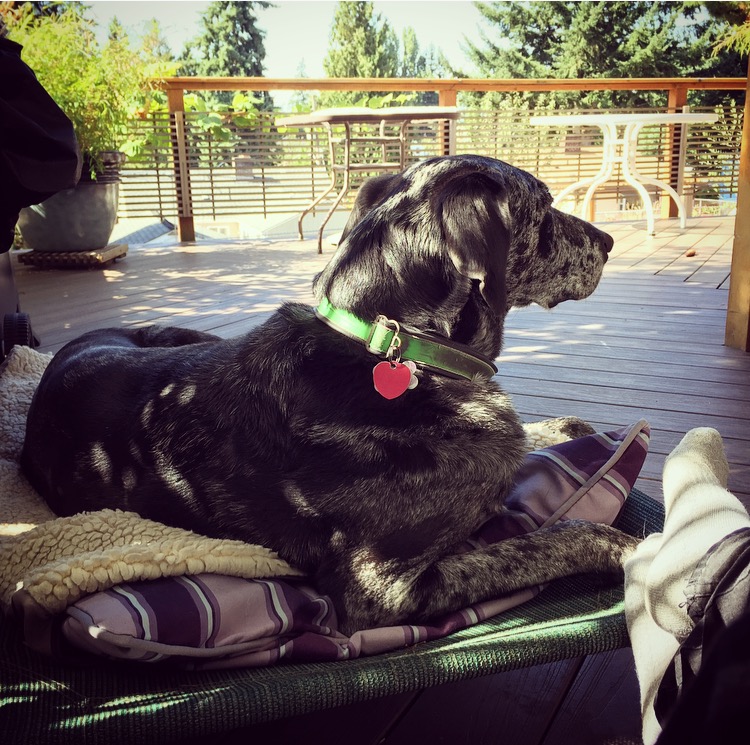
You don’t need a fancy living to feel good about yourself. A quiet afternoon with a beloved companion is more than enough. This bundle of compassion lives with a friend who was my host when I visited Seattle last year. Ever-bounding with enthusiasm, this was her rare peaceful moment. Looking back, she’s still one of my beloved memories of the trip.

Acres.jpg

Decoding culture

One of the most prominent aspects of an Indian society is its lack of sociableness. Not that Indians aren’t approachable or jovial. On the contrary, Indians are some of the most hospitable folks in the world—but for someone travelling to India for the first time, our society throws more than a few culture shocks.

When walking on the streets, for instance, people never smile or acknowledge an unfamiliar face. They won’t maintain eye contact for more than three seconds, in fear of the other person misunderstanding. Most people I’ve come across on the streets, look straight ahead and then down as if focussed on avoiding potholes.

It’s not the fear of conflict that makes people avoid expressing themselves. Instead, it’s a habit that stems from childhood, when we learn to avoid speaking to strangers and accepting candy from them. We grow up with the same stigma, so much so that we don’t differentiate potential threats from unassuming people trying to be pleasant.

Most people you’d come across on the streets don’t see the point of smiling at someone they’ve never met before and will never again. When it makes no sense to grin at a wall, why should it make sense to grin at someone who’s as insignificant in their life as that wall?

That’s the reasoning I dabbled in for over twenty years before I landed in the United States. Where tables turned.

I walked into a restaurant, and the staff welcomed me with a gigantic smile and wide open arms. It was the first time we’d met and without a second thought, she made me feel as if I’d known her all my life. I didn’t even ask for her name, but we’re friends by recognition.

It’s her job to be social, a little voice in my head nagged. Not everyone would be the same.

Jet-lagged one morning, I awoke early for a walk around the neighbourhood I stayed at. It was a cold September morning and artificial pumpkins hung from behind locked stores. A single person lumbered on in the distance. When I got closer, I realised he was the garbage collector reporting on time for his duty. He smiled and waved at me for no reason. Without even knowing it, I was reciprocating his gestures. I didn’t think, and I didn’t debate with myself as to why I should wave. It was just nice, two people from such different backgrounds, with nothing in common, sharing a moment of warmth, each wrapped up in their own jackets trying to stay warm.

It’s not his job to be social, I realised. It wouldn’t have offended me at all if he’d had ignored me altogether. I would’ve gone my way and he would have gone his, both of us bracing the cold. Instead, we did go our own ways but with a cheery stride. And that made all the difference.

Later as I sat in the shuttle, a complimentary service my hotel offered, my driver—an employee of the hotel—asked me how I was. She didn’t have to. It was a ten-minute ride from my hotel to my workplace, but she took that time to share a conversation. We didn’t discuss global economy, but we did talk about how difficult it is to find employment nowadays. I left the shuttle a little wiser to the reality of the world, and I felt myself balloon with compassion and sincere respect for my driver. We weren’t venting to a stranger, but instead, we were riders in the same boat, sharing observations.

Throughout my stay in the US, I met with countless people who volunteered to make my day better. With a smile, a wave, a head bob, and even a small nod in the right direction, strangers all around me made me feel at home.

Perhaps it’s all because I was a tourist, my skeptical inner voice piped. No, I answered as I explored the streets further. More about that later.

Food, food everywhere

During my visit to the US, of the many things that stood out to me as weird, food was a major shock. Although I’m not one to eat in a gluttonous way, I make sure I eat every last morsel of food on my plate even if it means eating beyond my capacity. Food wastage is one of my biggest concerns and I have strong opinions about people who order too much and not eat what they got. And so the sheer amount of food in American restaurants I visited overwhelmed me. Not only were the portion sizes ridiculous but almost none of my fellow-diners managed to finish their meal. Perhaps it’s because American culture is so ingrained in sugary sodas and crunchy mid-meal snacks that no one has the stomach for a proper meal.

Regardless, the first time I was at a restaurant, it pained me to see my friends struggle to finish theirs while I ate my larger-than-necessary serving in the most polite way I could. My friends gave up while I was still eating. We had copious food left on the table and I was preparing myself to see all that food go to trash. Just then the waiter stopped by our table and asked my friends, “Would you like a box?”

The next five minutes threw unfamiliar scenes at me. Our waiter brought us a handful of of carry boxes. Leaving them at the table, he smiled at me while I stared in surprise. One by one, my friends scooped up the food on their plates into the boxes. They were taking the leftovers home.

Wow.

Nothing could’ve prepared me for that unexpected turn of events. Within minutes I had gone from mild irritation, to suppression, to unexpected joy, and then to growing shame.

It was only later that I realised how common it is at restaurants in the US. I felt nonplussed all of a sudden—happy, yes, but confused nonetheless. I felt proud of my American friends for their responsibility and candour. They didn’t care if the food had grown cold. For as long as it’s edible, they ate it.

In stark contrast, where I grew up, almost everyone who doesn’t finish their meal at a restaurant leaves it for the trash can. In all my life, only a handful of times have I seen someone asking the waiter to pack up leftovers. And even then, it was the waiter or the kitchen staff who’d pack it up. Even at home, my society has conditioned people to expect warm, fresh-cooked food three times a day. Left overs and cooking disasters often went to domestic helpers. It’s a disgusting habit, I admit, that my society cultivates along with other home and cultural traits.

That’s why, having grown up seeing and seething at such incidents, I felt a little better at eating out in America than I do at home. I knew that even if I couldn’t finish my serving, I wouldn’t have to choose between forcing myself and throwing away food. A habit we could borrow from our western friends.

What no one says about travelling

When you read travel blogs, it’s always about how fascinating the journey is, how helpful people are, how charming the kids behave, and how scrumptious the meals are. Few bloggers talk about the sprained ankles, weak knees, and frostbite. And almost no one says how it is to hear about a terror attack in a place they’ve once been in. We should talk about that more often.

Travelling is a wonderful way to spend your life. Not only does travel teach you to handle yourself in a more mature way, but it also teaches you to be respectful, humble, and not be an asshole. Travelling throws you in uncomfortable places, shoves down your throat experiences you don’t want, while still bringing you out feeling fresh and craving more. That’s the beauty of travel. I’ve yet to meet a traveller who’s tired of travelling. I’ve yet to encounter a wanderer who doesn’t want to wander anymore. I’ve yet to camp with a hiker who’s ready to give up high sights for high heels. If there’s anything that all travellers share, it’s the passion for travelling despite the hardship. I’m no different.

Although I haven’t travelled as far and as wide as many other travel bloggers, I’ve seen enough to know that I never want to buy a house and settle down for good. I’ve walked enough to know that I can walk more, and I’ve seen enough to know I’ve seen only a grain of the desert. But I’ve also been to a place that’s no longer the place as I remember it.

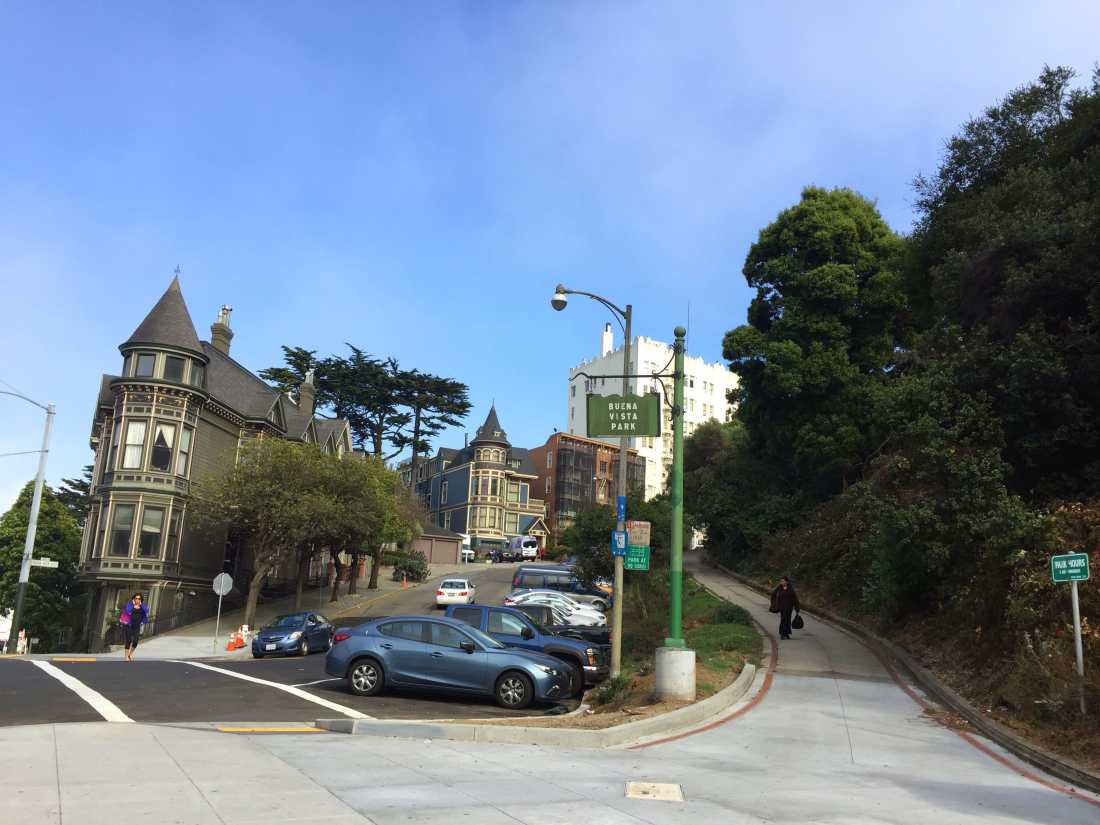
Buena Vista Park, San Francisco

I was in California a few months ago. I was travelling for work, but catching as much as non-work sights as possible. The city of San Francisco sits in my memory as a wonderful and welcoming region of all people and opinions. The district of Castro remains as a place I can always visit and share the cheer. So when I left the country, I felt I knew San Francisco a little better than I did before visiting.

Within a month of being back, I heard news about a random shooting incident in Castro. Several people heard gun shots in the dead of the night, and a police officer got hurt.
Out of nowhere a tight knot clenched my throat. I’d been there. I know where it happened for I’d been standing on that same spot a mere weeks ago. I’d bought coffee in that locality. I’d rested my sore feet after hours of continuous walking. The place that gave me comfort had given someone else a death sentence. I didn’t even know the place anymore.

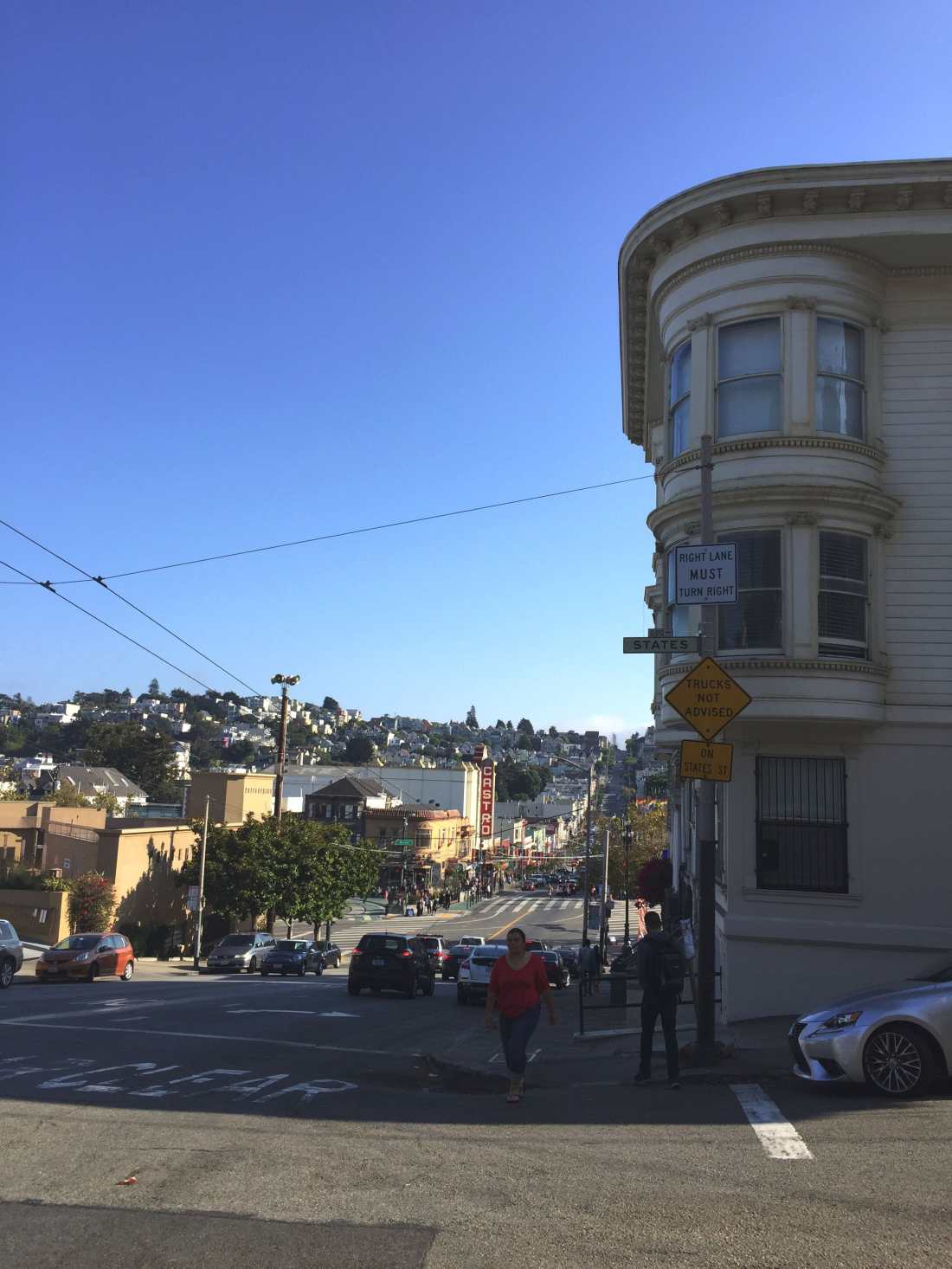
The streets of Castro
Castro, San Francisco

It was no longer the place I’d fallen in love with. That incident made me wonder if what I’d experienced there was even real. Sure, I was a tourist and tourism isn’t the same as everyday life. When I walked the streets of San Francisco, however, nothing about it showed hatred or a potential threat. That’s why the news left me nonplussed. Over the next week, I read about three different shooting incidents in the same city I’d grown to admire.

While this happened, wildfires raged all over California. Although I knew the state is prone to fires every summer, and seeing hills in their neighbourhood go up in flames isn’t new for the residents, it still shocked me. It pained me to watch graphic images of searing red flames lapping up through grass and grass-fed beef as a vacuum sucking up dog hair.

None of these incidents made me hate California. They, instead, left me lamenting. We no longer care for the things we should care about. We don’t see in our land what a foreigner sees. We’ve reached a point where it takes strangers to identify the beauty around us.

All these have made me more vulnerable to distressing news. I flinch when I hear about a stabbing in a place I’ve visited. Even if the incident isn’t related to me or with even the safety index of that particular city, it still affects me. It’s made me more sensitive and inclined to preaching a peaceful society. Travelling has made me care more about this place we call home.

Perhaps, just perhaps, if people travelled more, we’d appreciate the world more — leaving it better than when we entered.

Well, I can hope, can’t I?