
Seeking unity
to show off a common goal
while divided still
Nations of the world
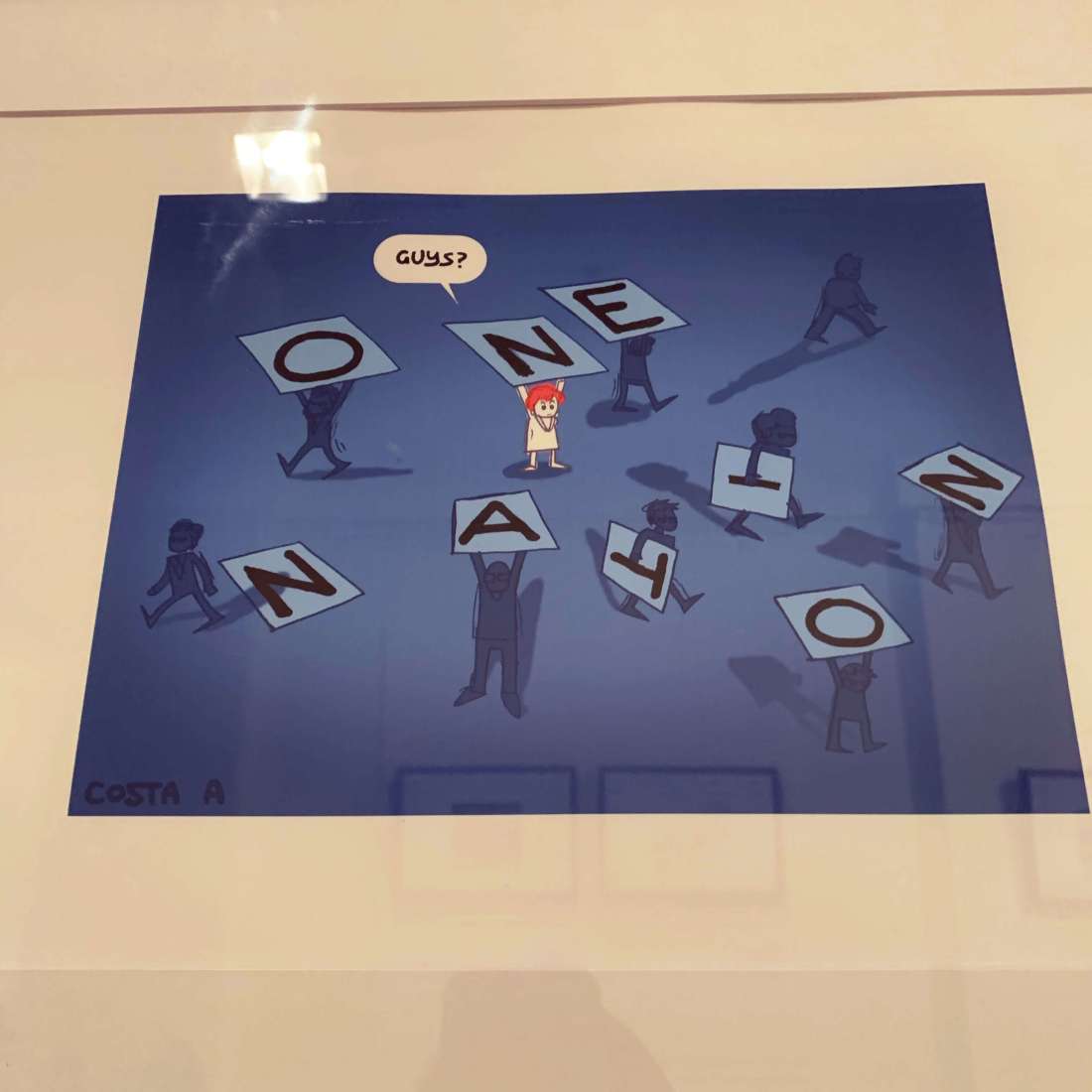
Seeking unity
to show off a common goal
while divided still
Australian politics and history have evaded us for a long time. I realised this as I walked past portrait after portrait of the Australian prime ministers. Most of Canberra’s suburbs have names of these Prime Ministers, but aside from that I hadn’t heard of even one of them before. What a shame. Though I grew up in Asia, I knew leaders of Britain, the US, and Canada from an early age—they were always in our history books or the ugly political discussions at awkward family dinners.
Wondering about the weirdness of it all, I wandered the old parliament house in Canberra.
Although it was built as a temporary parliament in the 1920s, the provisional parliament building ended up serving as the actual parliament for over fifty years. Today, though, it’s a storehouse of exhibitions and historical monuments.
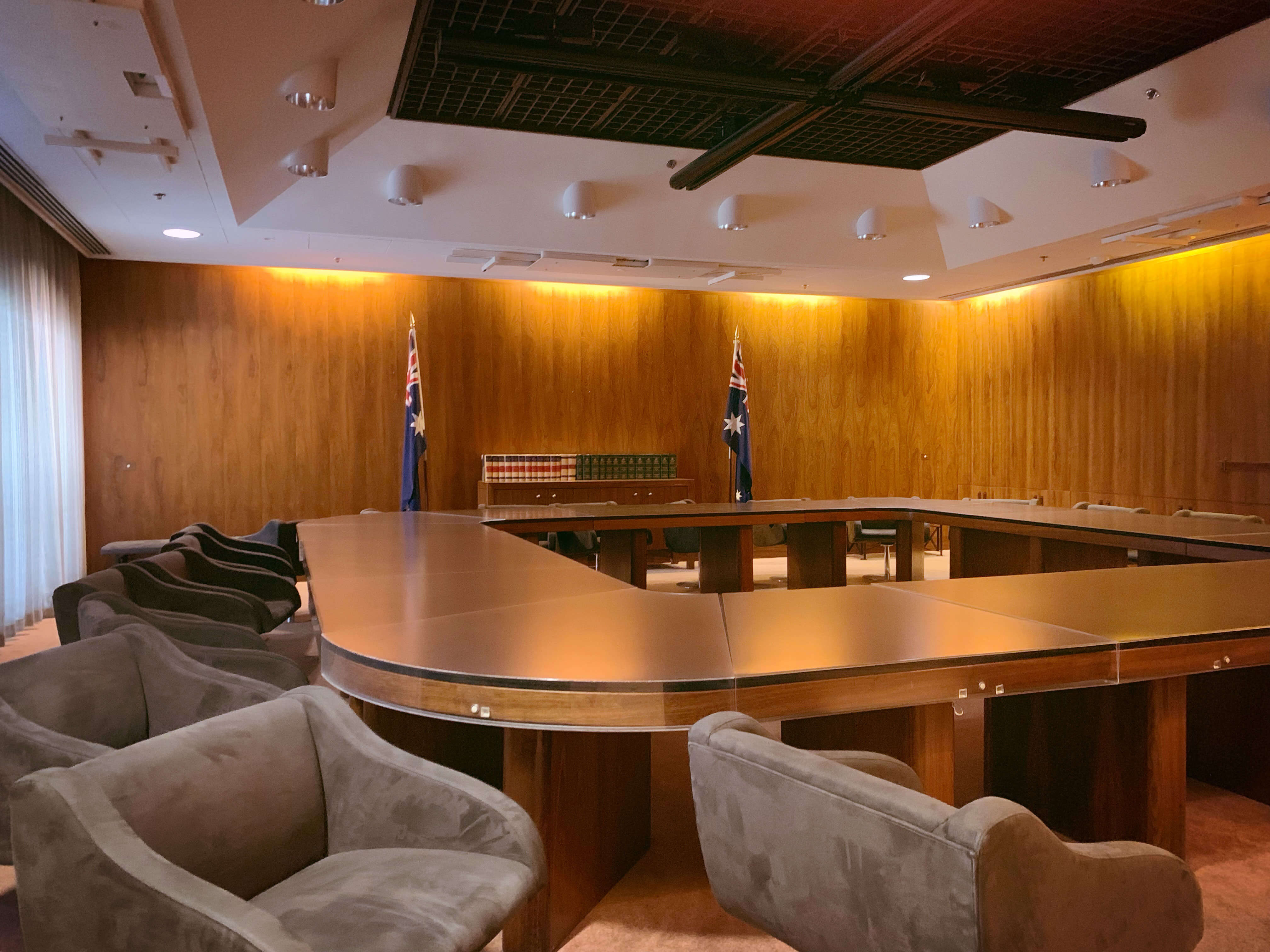
Apart from the primary attractions like the House of Representatives Chamber, the Senate Chamber, the Prime Minister’s office, the Cabinet, and the Opposition Party Room, the parliament building is also home to plenty of smaller, yet significant exhibitions.
When I walked in, I had no idea what to expect. Equipped with a though floor plan of the entire building, I wandered through the corridors looking into each exhibition.
Finders keepers
My first stop, this exhibition showcases the different types of collectables famous Australian figures collected—like the telephone collection of a former telecommunications officer, the tie collection of a former minister, the t-shirts and badges owned by a social activist, and the porcelain collection of a parliamentarian. Each of these collections ties into the larger story that museums themselves are collectors.

OnetoEight
Moving along, I paused at a large room dedicated to remembering the Prime Ministers of Australia. Apart from photographs and descriptions of their work, you can also hear recorded versions of some speeches they delivered throughout their reign.
Wives of the Prime Ministers
Inspiring and eye-opening, though they were, more striking was the portrait exhibition of the wives of prime ministers. A surprise, it was—although every museum I’ve been to celebrates public leaders and their achievements, none of them mentions the families that supported the great menfolk of our time. This exhibition, albeit small, casts a vital spotlight on the womenfolk of the nation.
Whenever I visit historical sites, I don’t set time limits to myself. I don’t like rushing through exhibits to move on to the next attraction on my list. That’s such a touristy thing to do. Instead, I take my time to explore, read inscriptions, watch the videos, and linger. As a result, I spent $2 (entrance fee) and over 4 hours inside the parliament building.
I have no regrets, though. If I hadn’t stayed on, I would’ve missed the witty and thought-provoking political cartoons on display. Couriser and couriouser, huh?
I would’ve missed the #UDHRquilt project. UDHR stands for Universal Declaration of Human Rights, and this project was the work of craftivists (craft+activist), Tal Fitzpatrick and Stephanie Dunlap. They made four quilts, embroidered with the articles mentioned in UDHR. I’m no activist. I have mixed feelings about how human rights are so subjective at times. But I still enjoy a good piece of art.
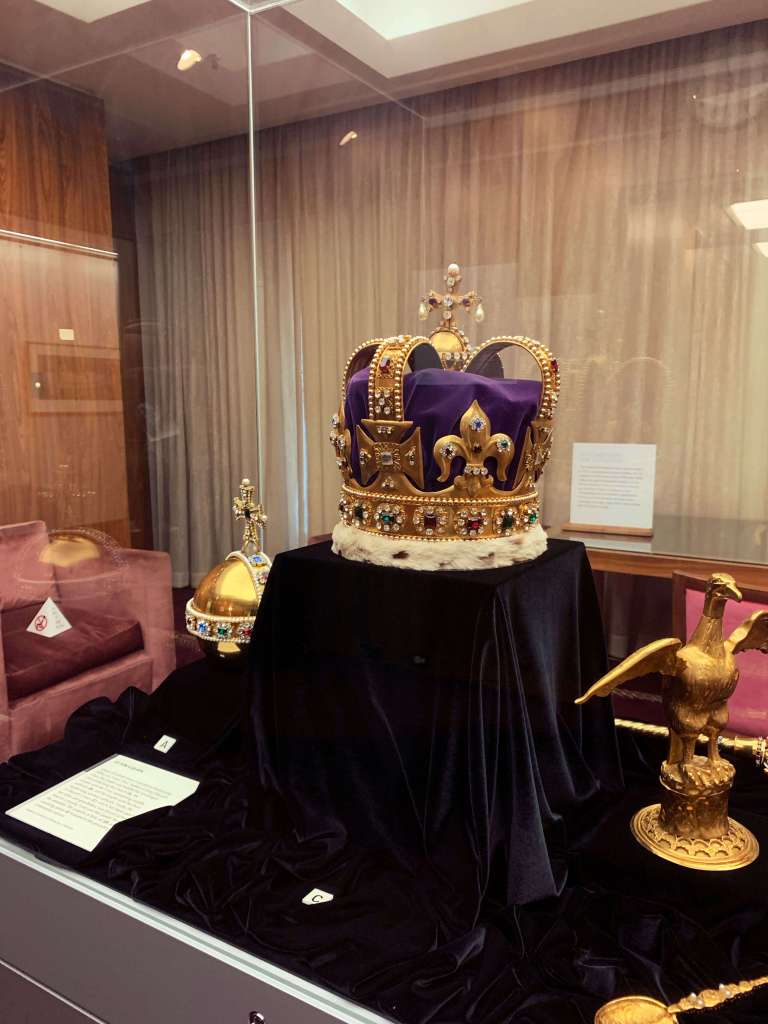
Oh, and I would’ve missed the crown jewels. Not the real ones, though, of course. When Queen Victoria visited Australia, they made a separate area in the parliament to accommodate the Queen and her party. And as I stepped into her living space, I couldn’t believe how simple everything was. The dining table was just a basic wooden structure, the bathrooms, the kitchens, the sitting area, though impeccable, were more functional than fancy. It reflected that the royalty and the highest members of the government were still so human, so vain.
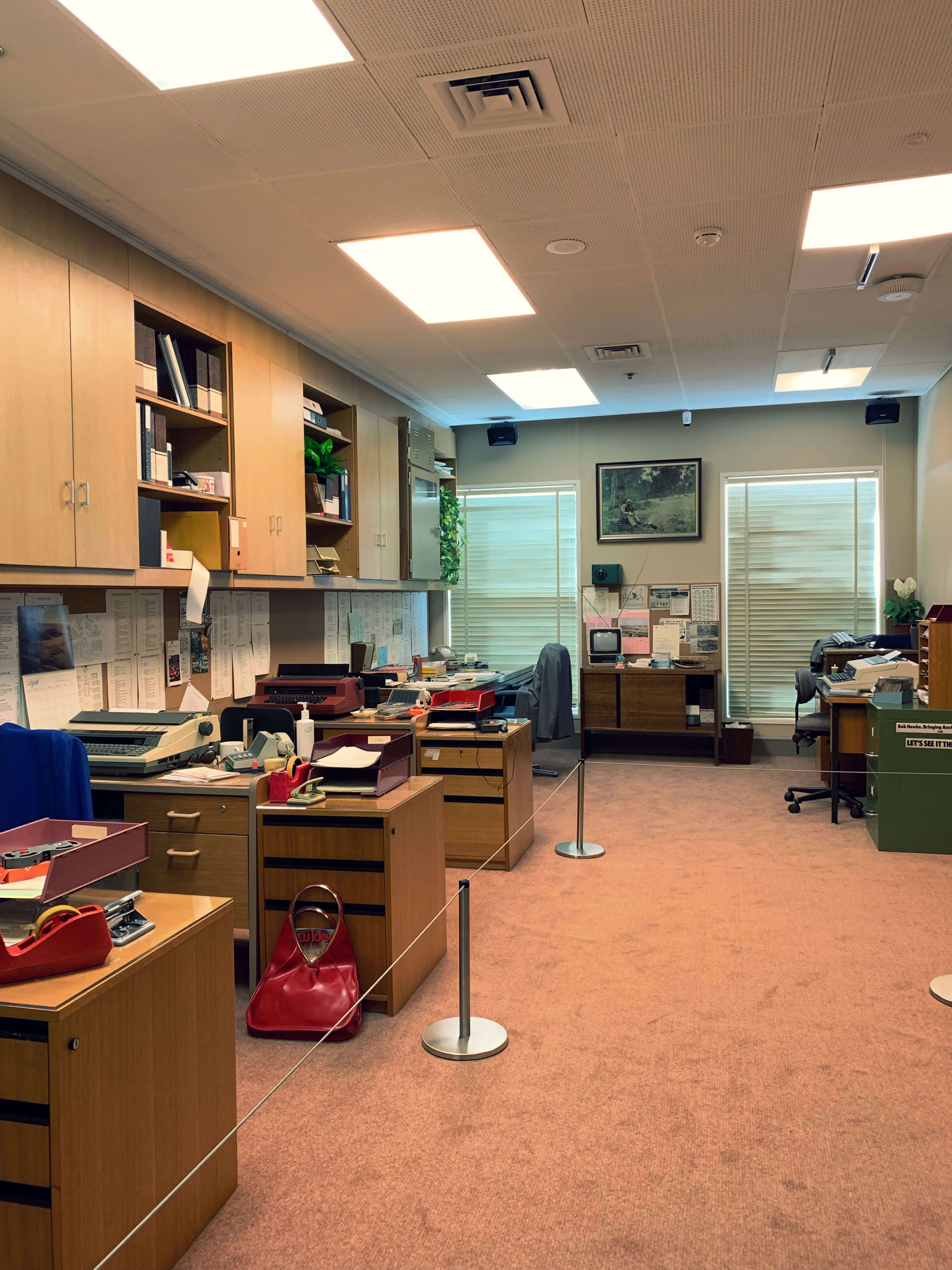
Had I left any sooner, I’d have missed the most exciting exhibit of them all—the Press Gallery. It’s hard to fathom that the small, even stuffy, rooms above the house of representatives were the life of the government. Everything that the world knew and heard of about the rule makers came from the press—every printed phrase and every uttered word makes a world of difference. And as I stood where so many print and radio journalists had stood in the past, I felt proud to appreciate the power of the written word and its influence in the world.

Other highlights in the museum:
In the end, it was like any other trip to the museum—so satisfying, so full of lessons, and so overwhelming. And still so worthwhile. By the time I left, I didn’t have time to go elsewhere because most of the museums and historical sites in Canberra close at 5 pm. Remember that when you visit—and do visit.
Nowadays, it’s ever so common to see crowds gathering in front of government houses, with upheld banners and raised voices, protesting. It doesn’t matter what for—policies, opinions, misspoken words, misspellings on social media—why, some people even oppose the existence of other people. Regardless of the “why” of these protests, almost every rally I’ve seen and heard of has a similar streak: violence. In its core, whenever anyone disagrees or rebels, they use harsh and violent behaviour to make themselves seen and heard.
Of course, in recent years, silent, un-violent, and fasting protests are becoming more desirable. But even today, all the marches and show of disagreement contain angry outbursts, name-calling, and plain spite. What’s sad, though, is that just as a self-fulfilling prophecy, these violent protests get more attention than the others. Even though our generation understands and even professes the effectiveness of the pen over the sword, the influence of weapons in conflicting opinions is far too significant to ignore.
That’s why it feels amazing to come across a different form of protest. Both in movies and real life, we’ve seen governments cutting off funds to public welfare systems like health care programmes, transport services, and university courses. Each time it happens, the government—factual or fictional—faces large mobs of angry citizens, swearing through megaphones and wasting fuel on stick figures and flags.
But then I saw this:

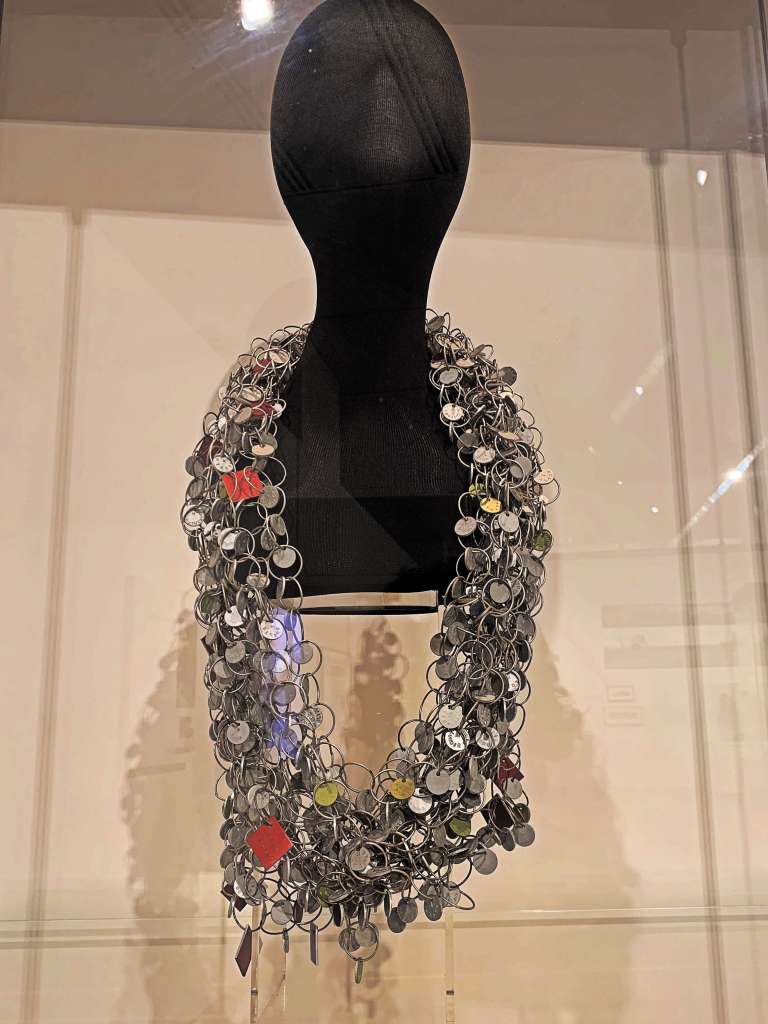
It’s a necklace. It’s also a sign of protest. When the state government of Canberra (Australian Capital Territory) cut off funds to the National Institute of Arts, teachers and Canberra sponsors together presented this necklace to the Chief Minister at the time, Kate Carnell, as a sign of their protest. What’s unique about it though is that each metal link in the necklace has a tag with the name of a sponsor. So each piece resembles a protestor, and together it makes a neckband for the chief minister of the then ACT.
No hate speech, no blood, an no fasting to death. What a daring rebellion! And what a beautiful necklace it is too—when you take away the historical value, that is one marvellous piece of accessory, won’t you say?
It made me stop and think about how much has changed in the way we fight for our convictions. Of course, we should stand up for what we believe in, but when our fight costs innocent people their peace, patience, or worse, life, then what good does our conviction do?
The necklace is on display at the Canberra Museum and Gallery. If you’re in the area, stop by and pay a visit—it sure is worth looking at.
Dear stranger,
I knew not much of you
except that your eyes glowed
at the prospect of new horizons
that your curiosity piqued
and your spirit lightened up
when your fingers were at play
on the vastness of a canvas
I knew not much of you
except that you dreamt big
that you craved experiences
which will change your art forever
that you remained in patience
and eagerness-pulsing heart
for the one big opportunity
of great exposure of your talent
I saw expectation in your eyes
for all the world’s appreciation
and the applause you deserve
Dear stranger,
I knew not much of you
yes I’d planed to change that
but alas, you moved on in a flash
I know now—death is dismissive
In remembrance of a colleague who went too soon.
A while ago, I was lucky enough to stay in Austin for a couple of weeks while visiting the US on a work trip. My first instinct of the city, which kept growing with each dawn, is that it’s weird.
Austin is a weird city.
Now you could interpret that in many ways, and you should too because every street corner had something amusing that made me go “huh?”
I don’t mean that as a negative trait, though. It’s just that Austin is so… weird. And I was only there for two weeks!
The thing I found most peculiar and exciting about Austin is that it’s an amalgamation of some of the things other cities are known for. It’s as artsy as San Francisco, dry and hot as the Australian outback (well, I’ve seen pictures), folksy like Portland, industrial as Chicago (ok, not too much—no city can be as Chicago), well-made like Pleasanton, and difficult for pedestrians—just like Downtown Miami.
I don’t say that to brag that I’ve been to so many places, but my point is that Austin has so much more than what I expected to experience there. To cap it all, Austin has some of the greenest localities I’ve ever seen—and it sure as hell not what I expected to see from the stereotypical, cowboy state of Texas.
Let’s start with the art, shall we? There’re a few murals all around Austin that’s so iconic that they’ll show up on your map. I was following the route to the supermarket when I noticed my map pointing out a mural called Greetings from Austin. There’s more too—Keep Austin Weird, Hi, How Are You, You’re my Butter Half, I Love You so Much, Welcome to South Austin and so many more that jump at you from the most unexpected street corners. As if that weren’t enough, the local supermarket, HEB, has their wall smeared with Austin-ness. Complementing that are the murals inside Trader Joe’s which span off of the famous street murals.
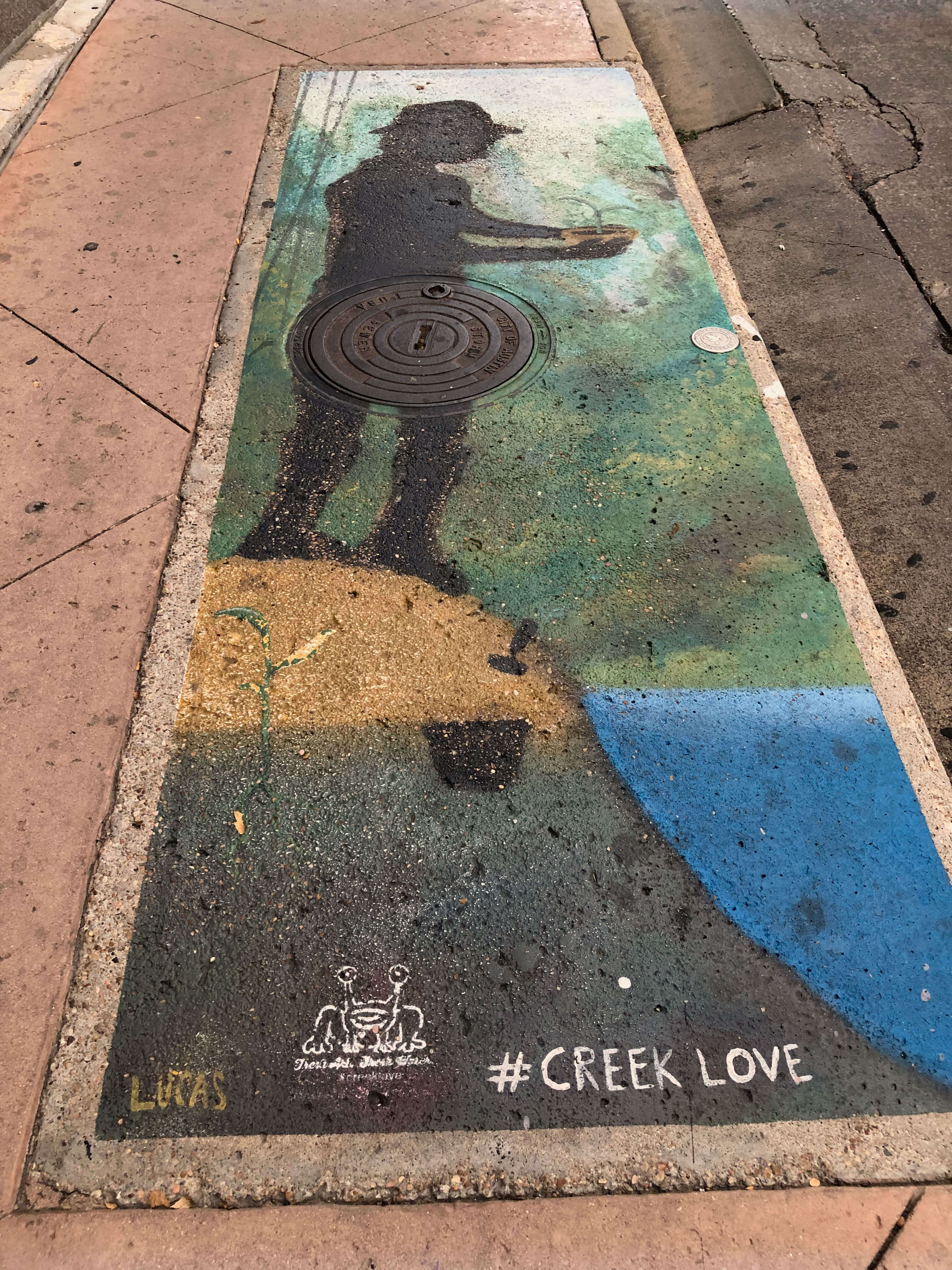
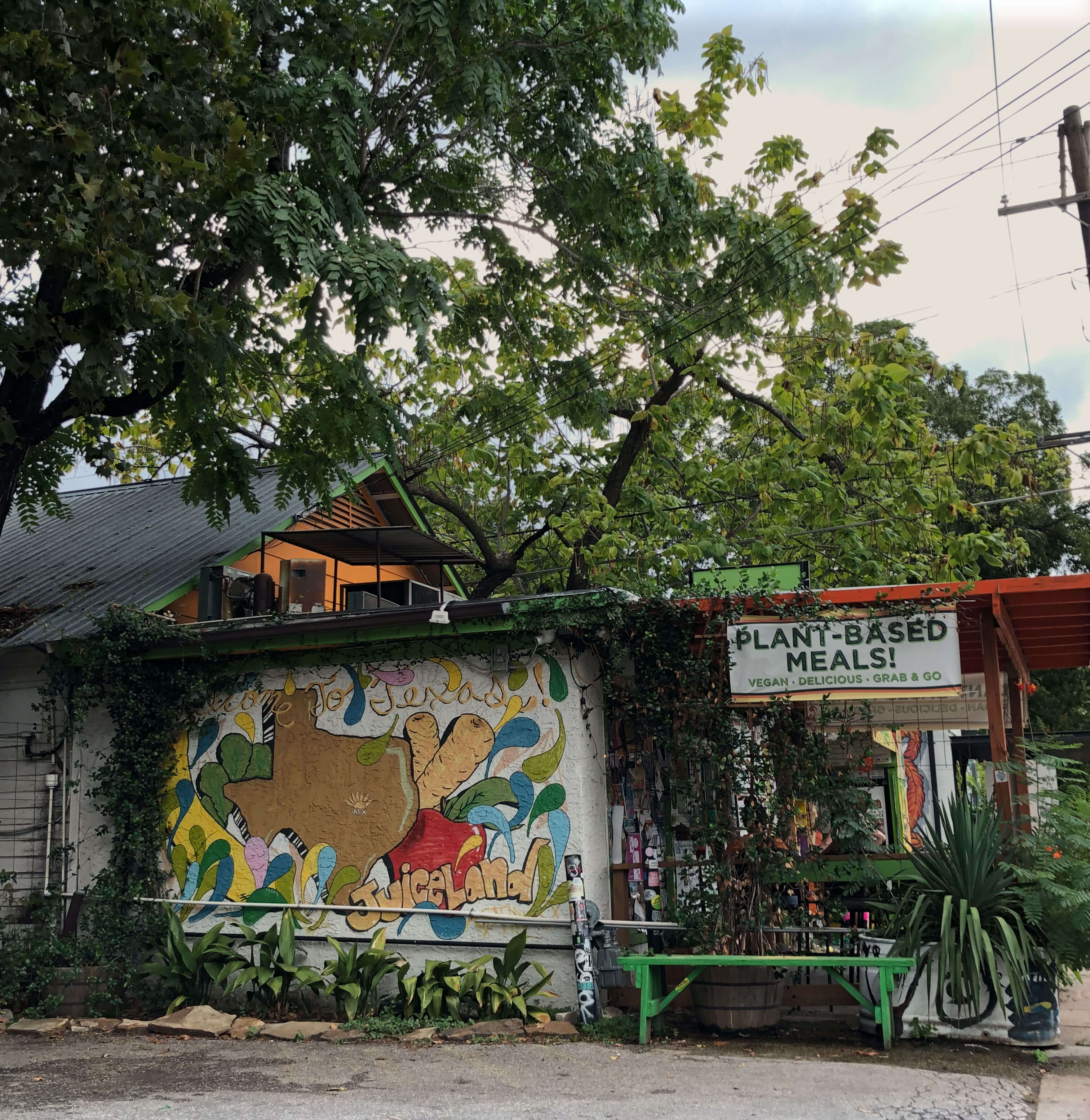


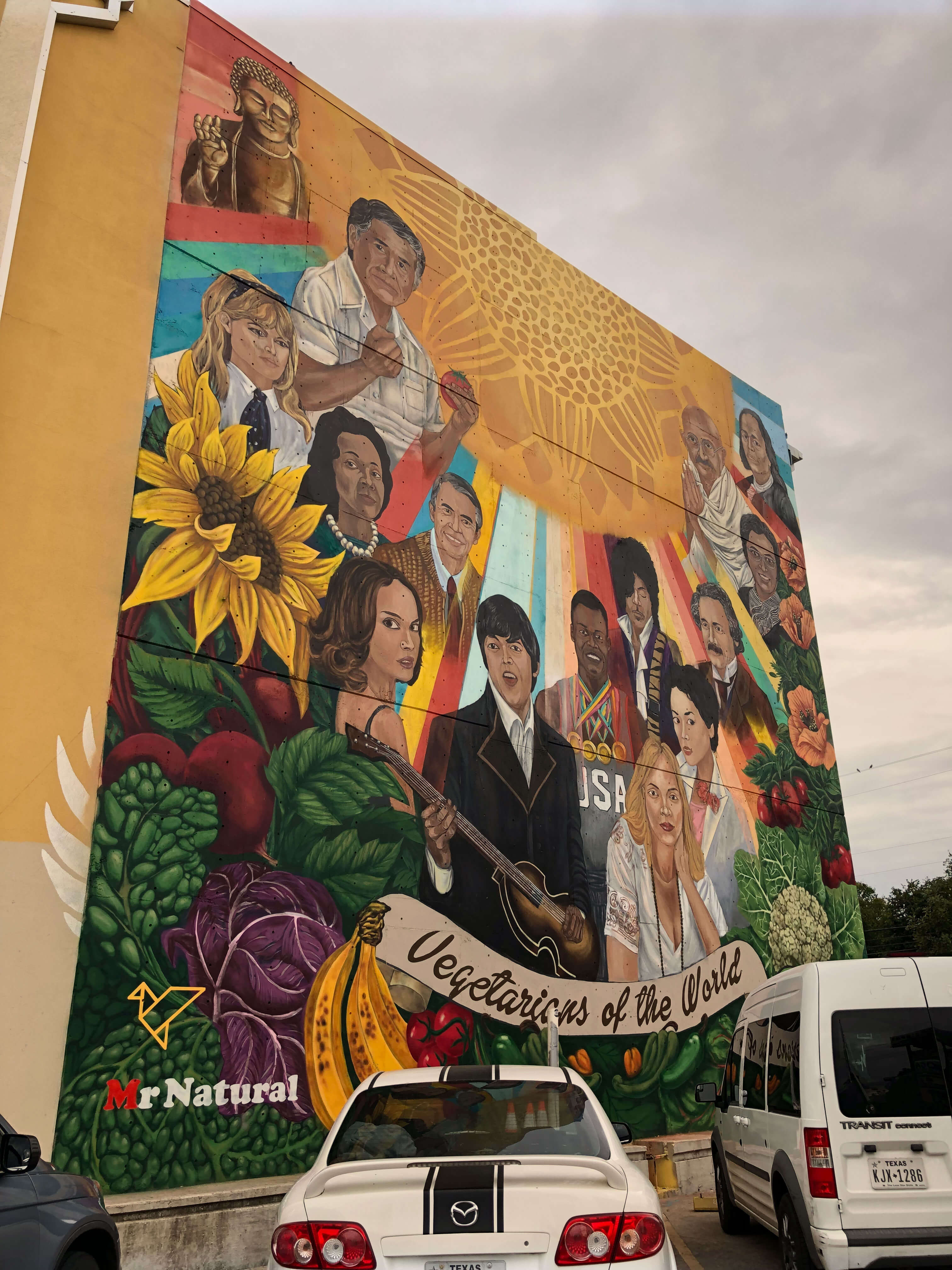


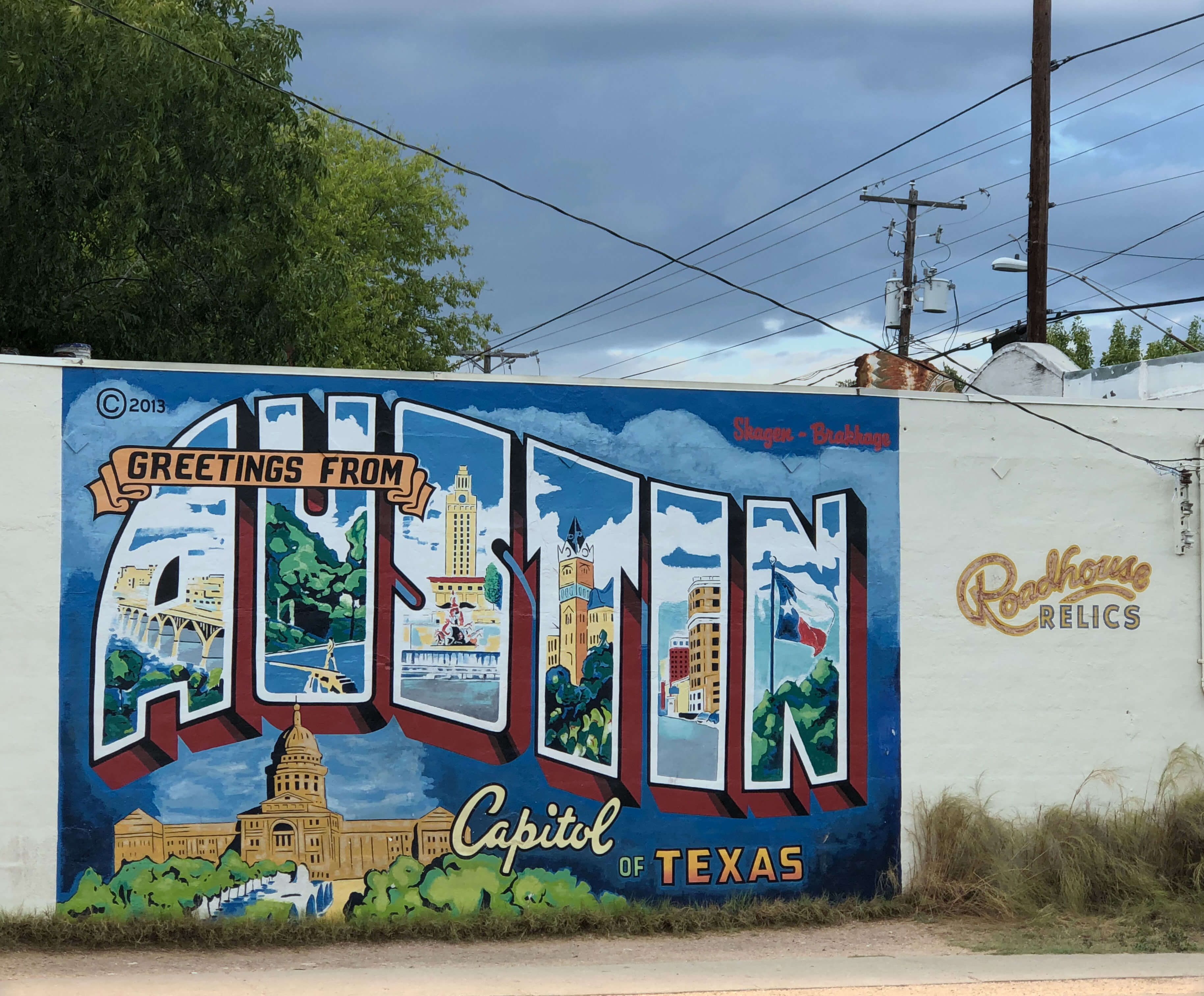
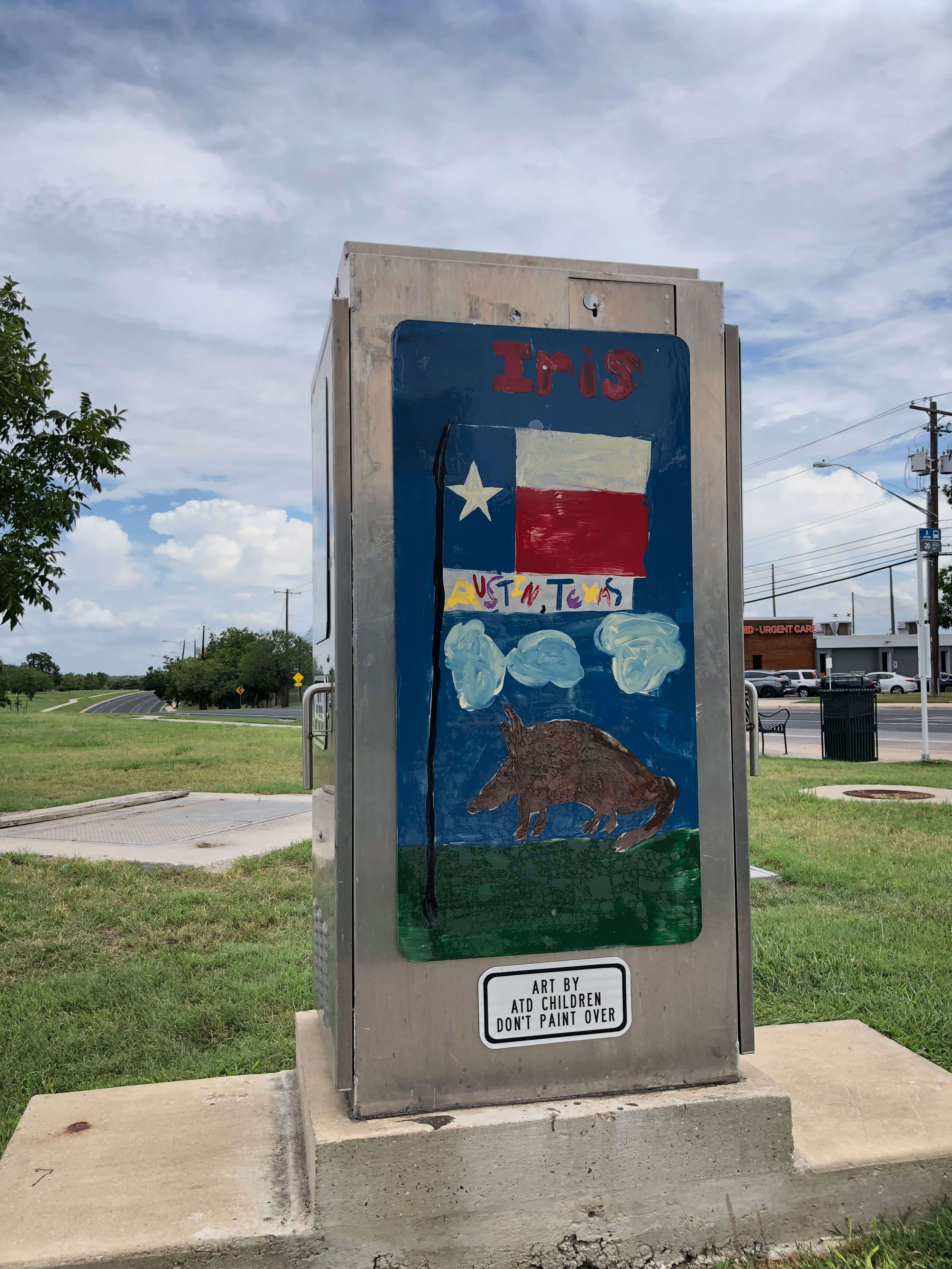

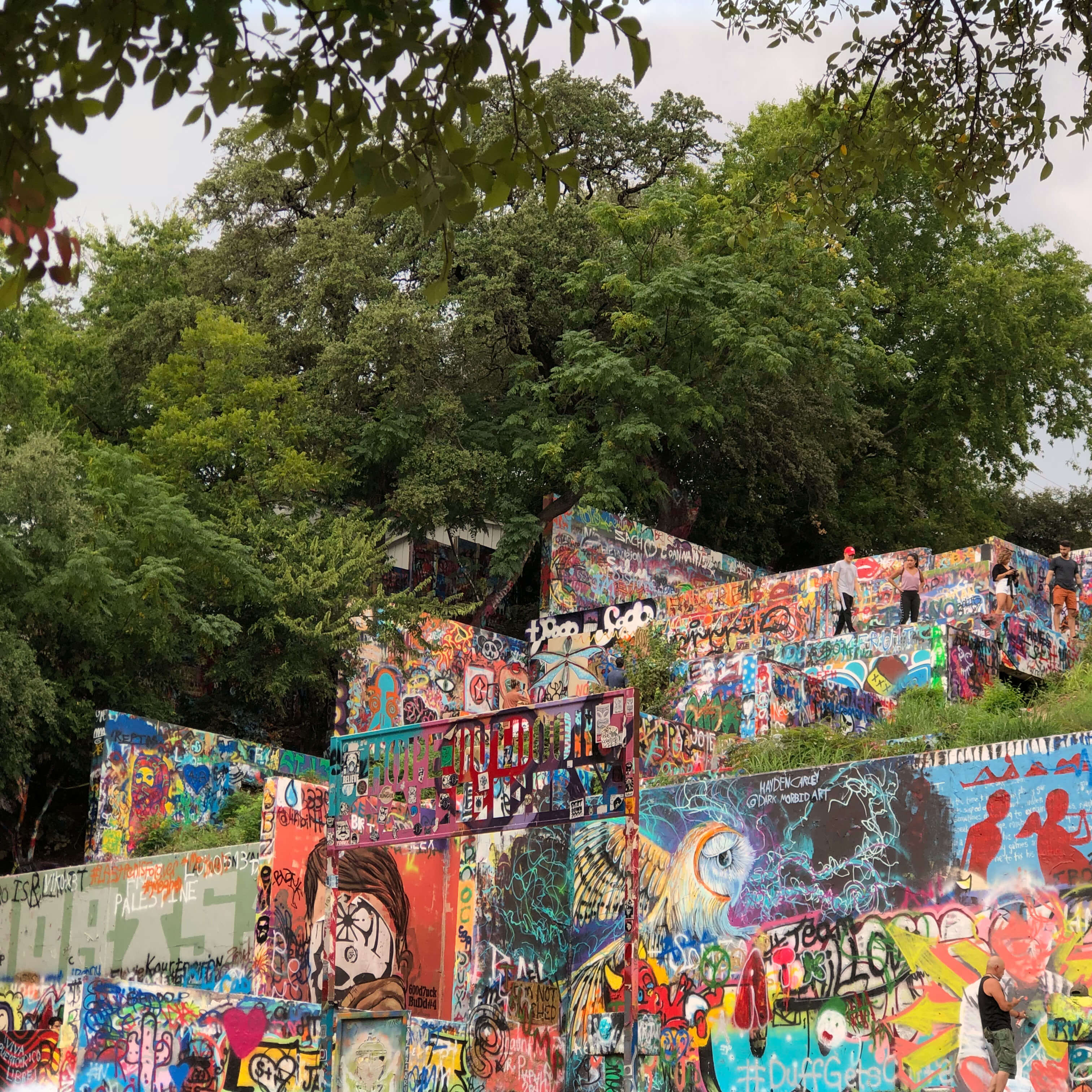
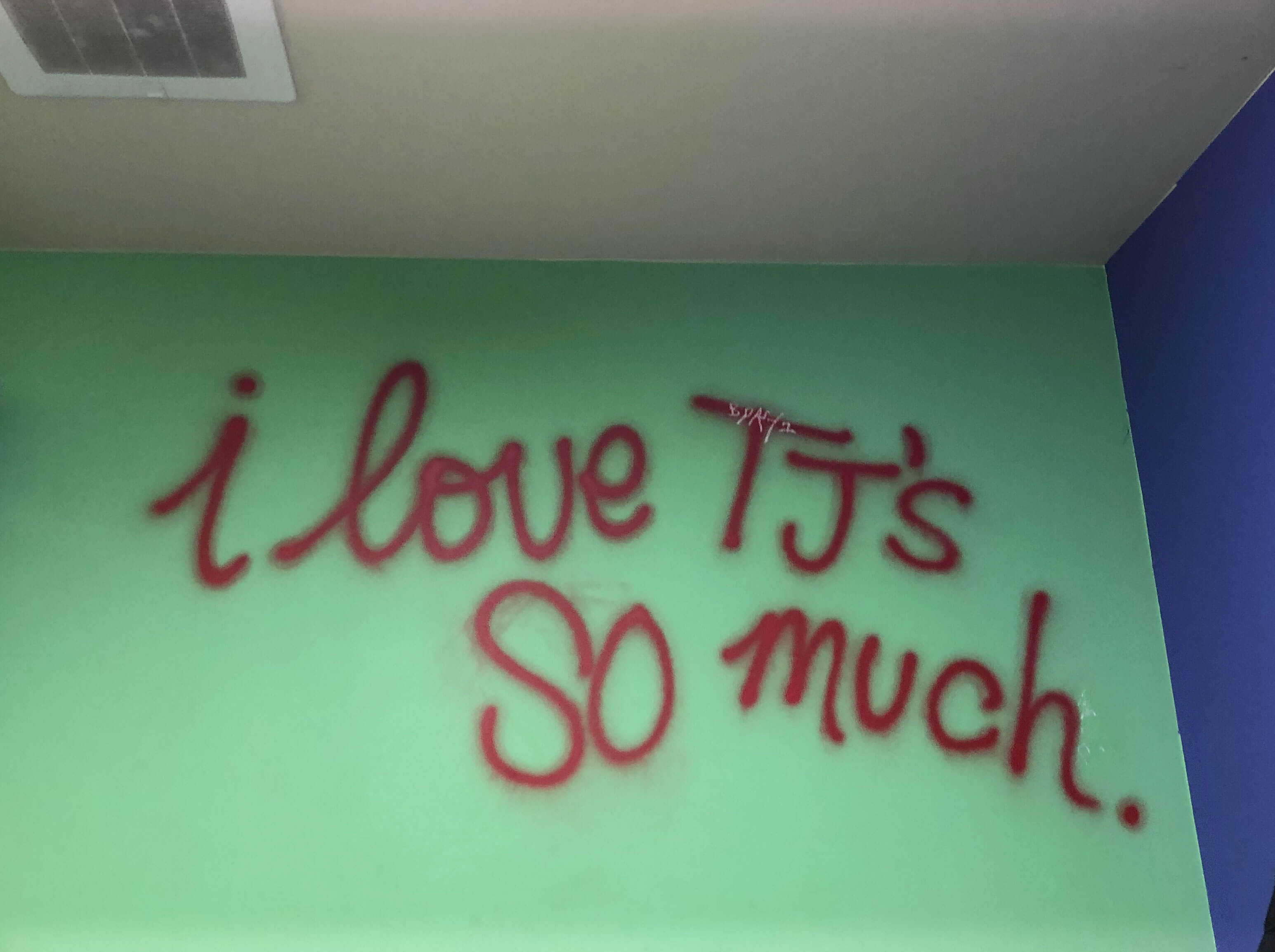

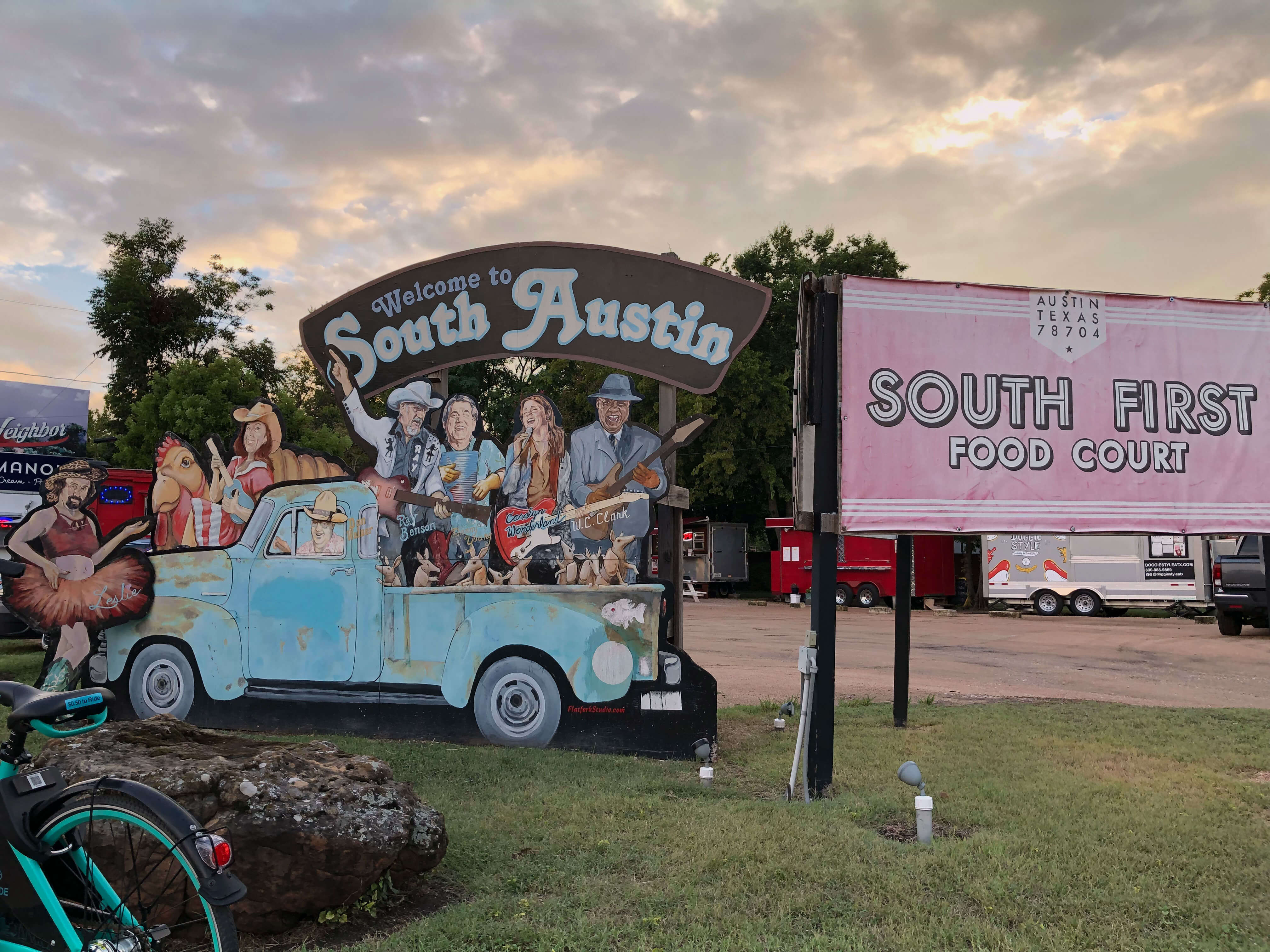

Adding to fascinating artwork were creative signboards outside the many shops. It seemed to me like every business owner had taken considerable effort and interest in designing the exterior of their stores or restaurants.
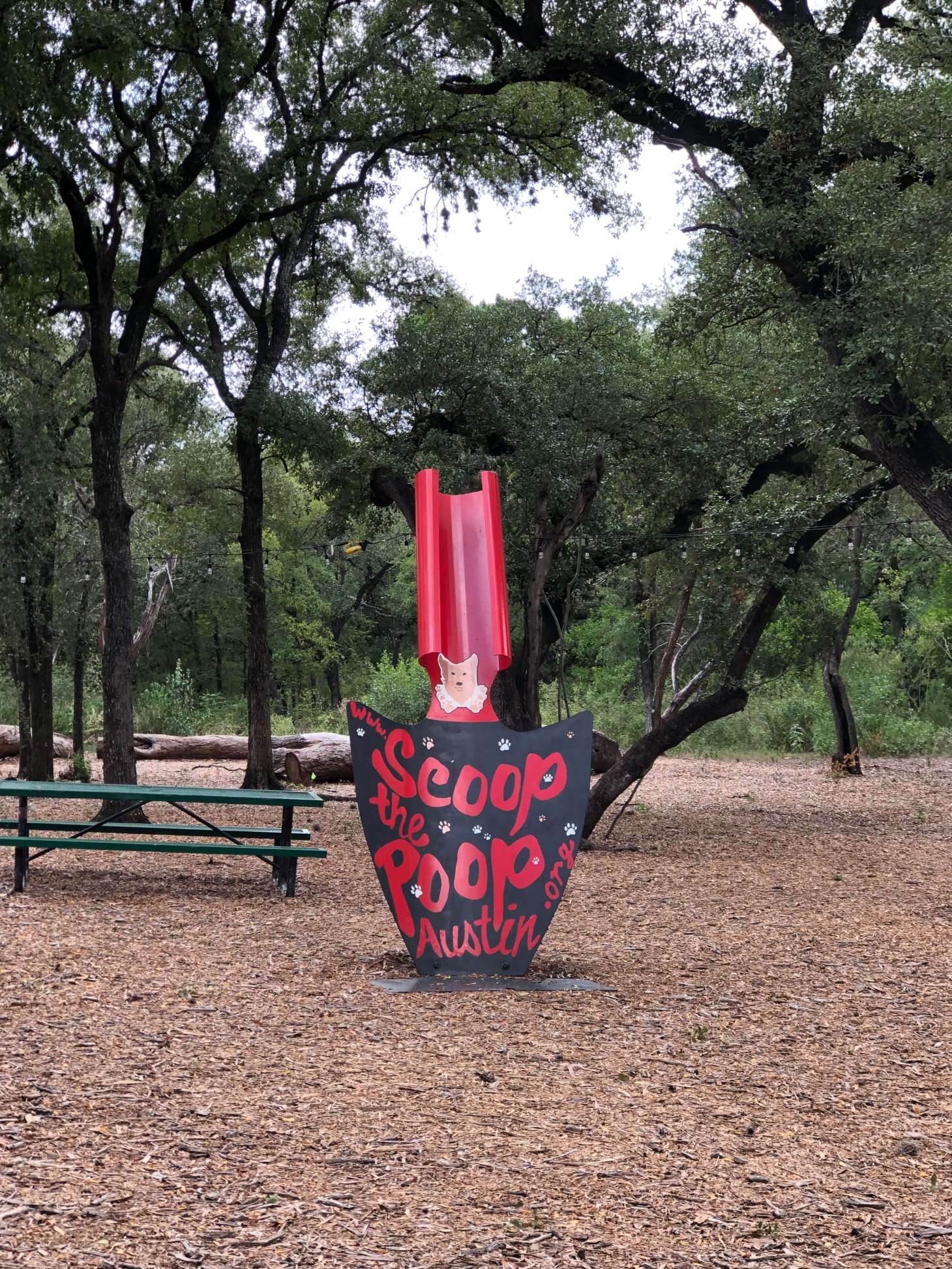
Making matters more attractive is an entire street, its footpath illustrated with quirky messages and social awareness campaigns. I was more than stunned when I saw in the middle of a botanical garden, a large spade with the lettering, Scoop the Poop Austin.
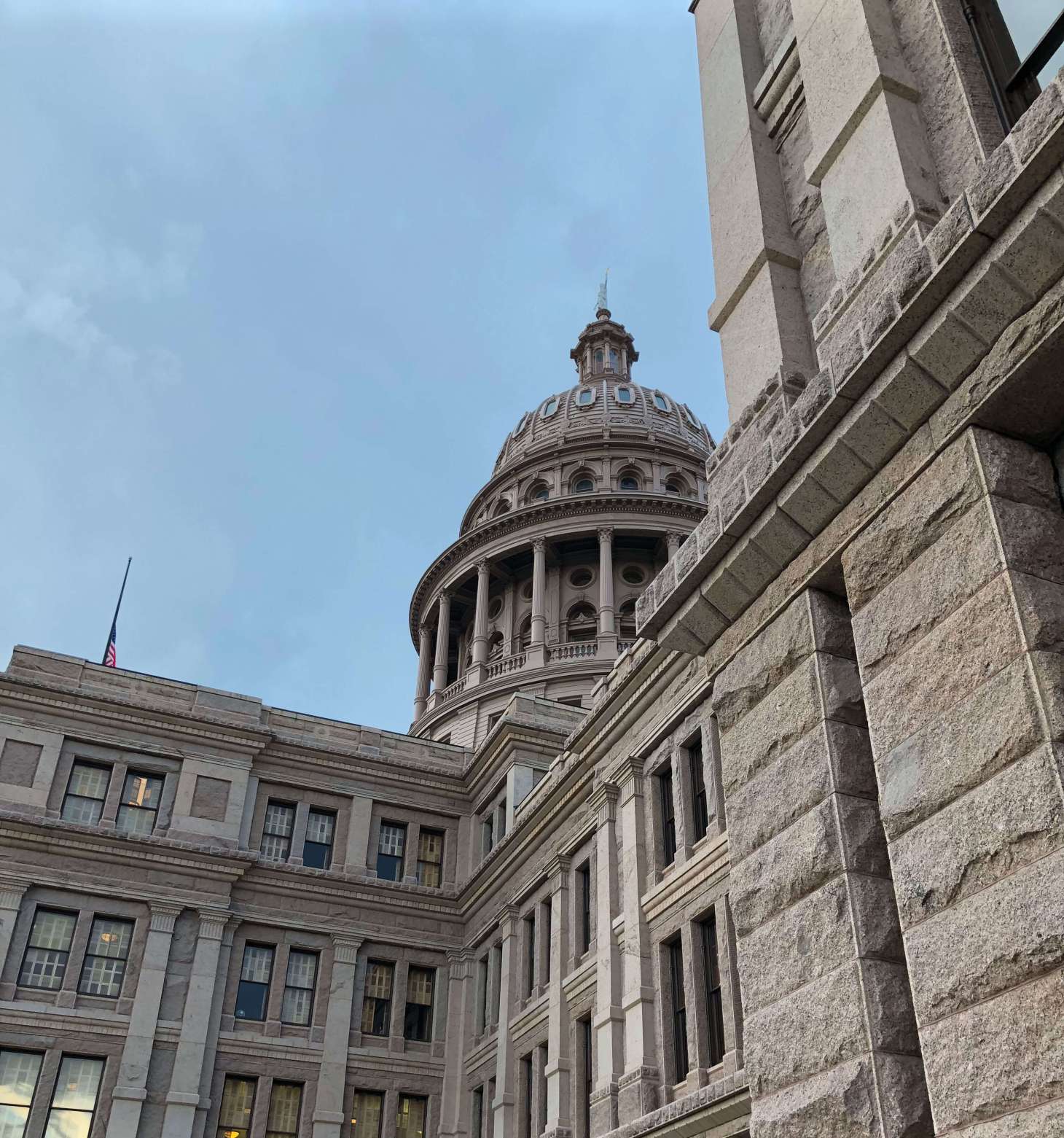
All that, though strange and unexpected, was rather enjoyable. After all, you could say it’s Austin’s way of attracting tourists—they have great food trucks, the Texas State Capitol building where you can walk into state representatives’ offices without knocking, nature reserves that have streams running through them, a bat colony that people flock to watch, point, and gawk, and the infamous 6th Street which overflows with liveliness, bar with loud live music, shops and museums, and so many inviting folks.
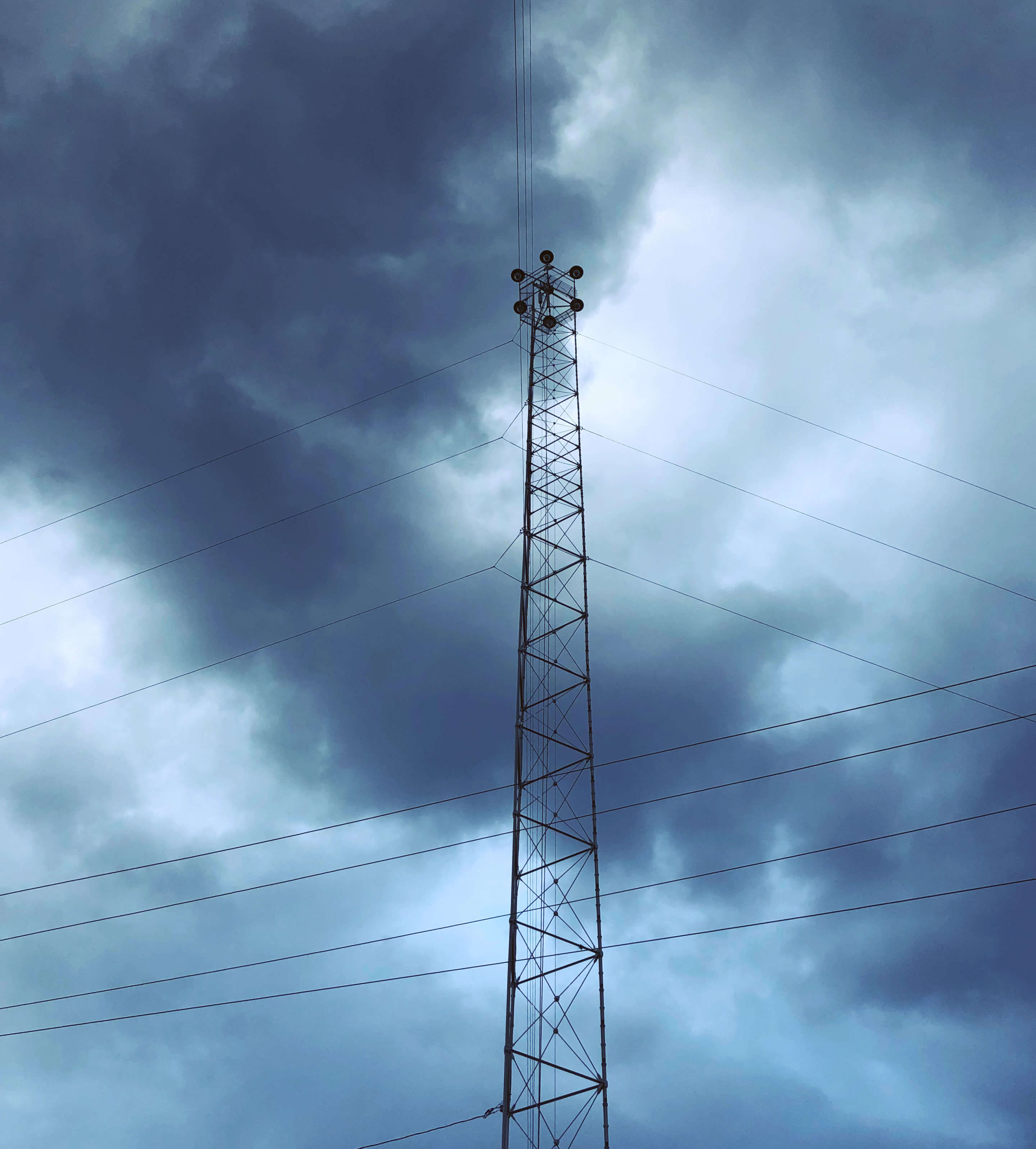
Aside from all of that, there’s one thing in Austin you’ll never find elsewhere—moonlight towers. Back in the 1880s and 1890s, moonlight towers were famous guardians of the night in many cities across the United States and Europe. One hundred sixty-five feet tall and illuminating a radius of 1500 feet, these light towers were all dismantled over time—except the thirteen towers still standing in Austin—the last ones in the world.
When people ask what’s great about Austin, you can’t say name one thing. It’s the little things with deep meaning and value that make the city such a great place to visit. If you’re ever anywhere near Austin, it’s well worth a trip.


 The Chaos Within