Texas State Capitol

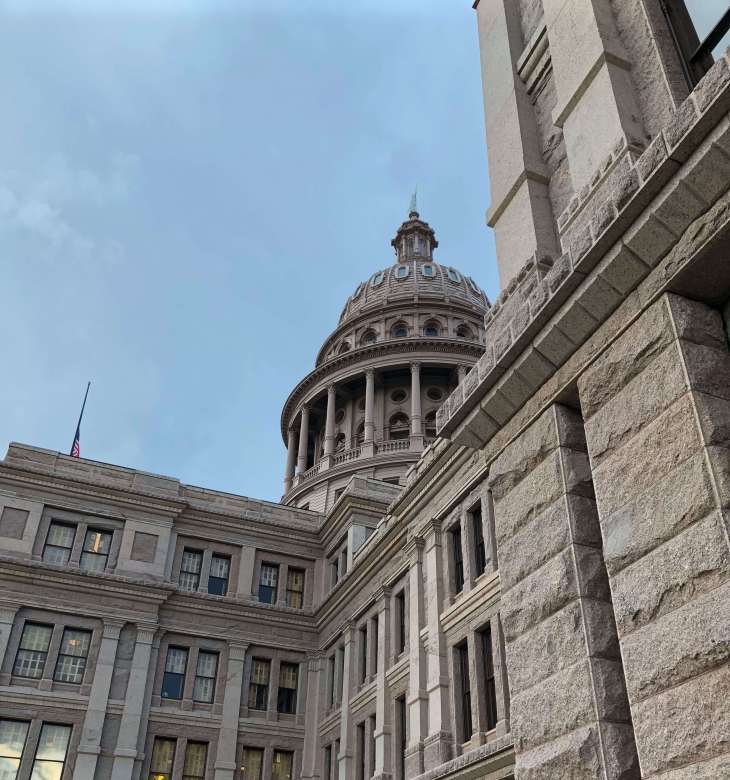
You can’t leave the city of Austin without visiting the Texas State Capitol. I knew that, of course, but I still put it off until the end of my trip. When, at last, I took a bus after work to the Capitol—halfway across the city—it was almost 6.00pm.
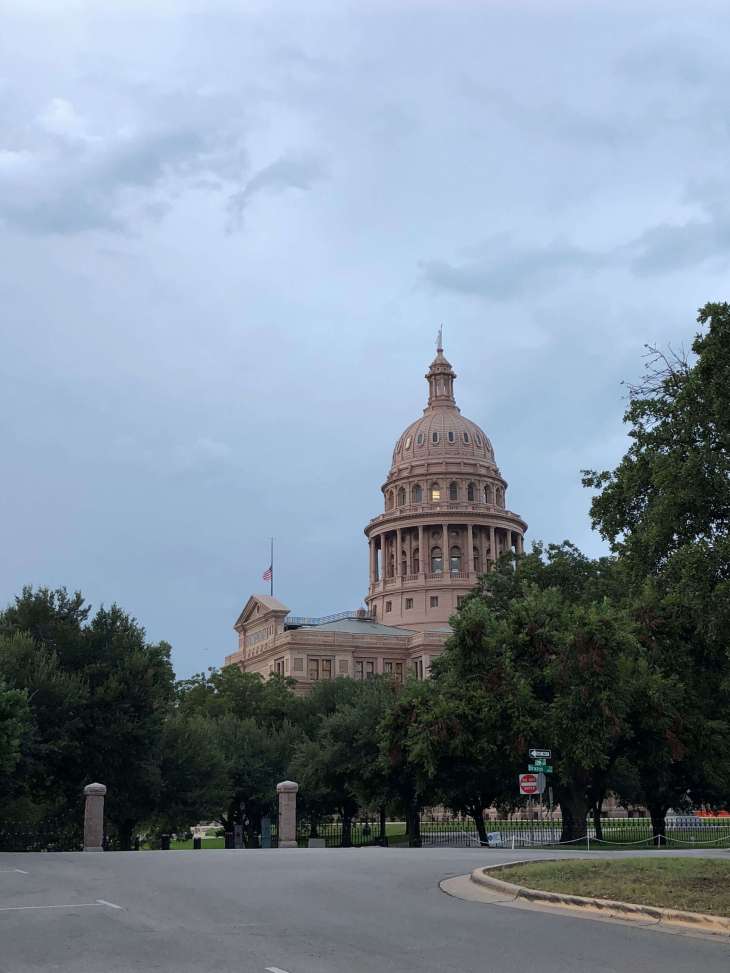
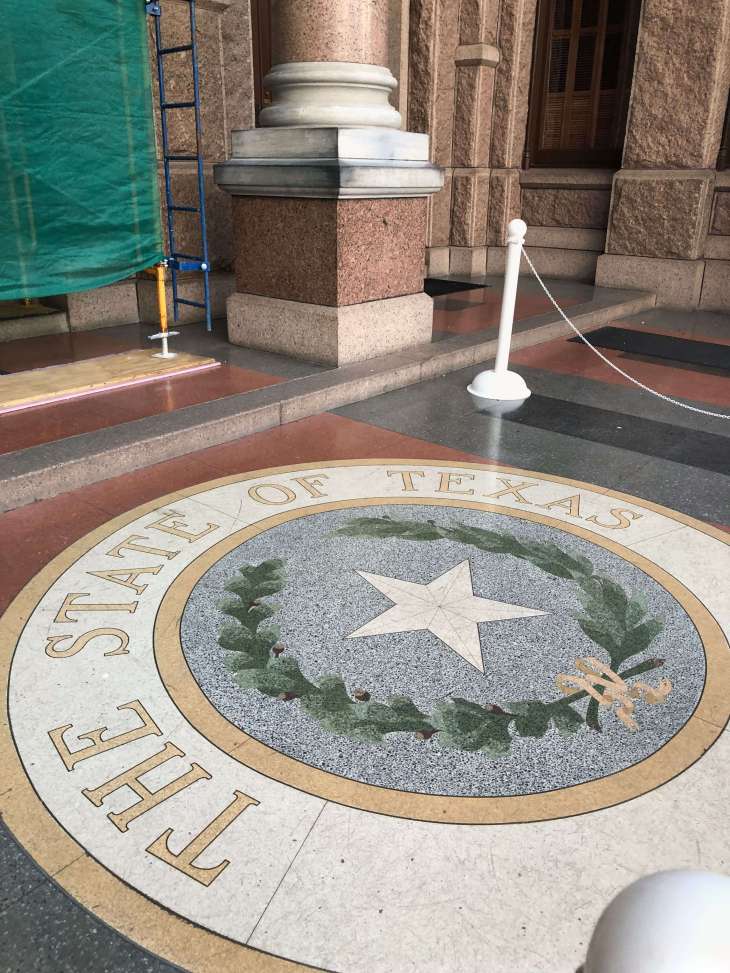
Daylight Savings Time gave me some more time to capture the magnificent architecture before it was too late. And I spent a good half hour inching my way towards the great lawn and the dome. I walked around the building for a while, noticing its minute carvings and polished exterior. When I approached the double doors and the unassuming door knob that perched on it, I wondered if I was too late. Perhaps they’d closed for the day, I thought. Nothing about the doorway suggested that visitors were welcome.

There was no guard or any guidance to indicate that I wasn’t trespassing.
Perplexed and also curious, I turned the door knob anyway. It didn’t budge. I tried again. It still remained head fast.

Hating myself for not coming earlier, I turned to leave. Just then the door on the other side opened and a couple of people exited. How the hell did they get in?

I asked.

“Push the door harder,” they told me.

I did, and viola, it opened. And within was a huge conveyor belt and about seven guards. My bag and I went through separate screens and I reached the other side only to feel my jaw drop a few inches.

I faced a large corridor with rooms on either side. I looked around and realised I stood in the centre of the dome and the corridor was one of the four that led away from the centre. Craning up, I noticed four identical floors.
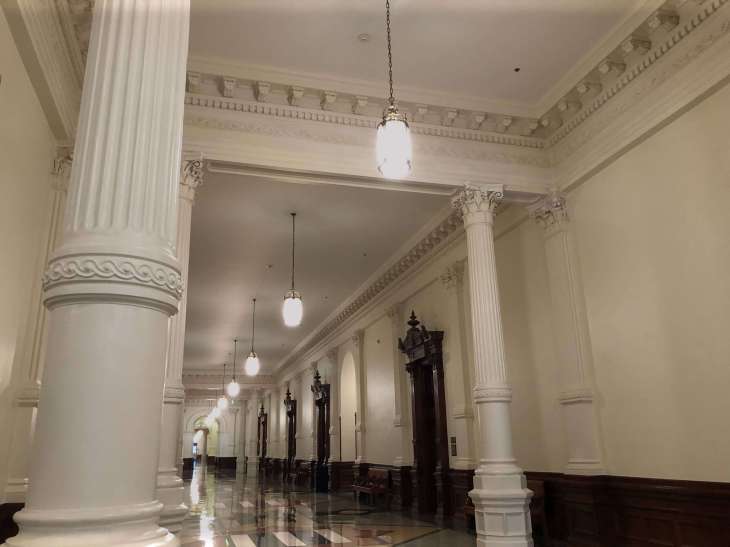
Texas State Capitol in Austin

Lining the walls of the centre were portraits of former governors, mayors, and members of the Austin parliament. Walking along one corridor, I saw some rooms lit up from the inside and some sealed shut.

Most of the lit rooms also had a note inviting visitors to open them. Feeling adventurous, I turned the knob on one.

Well, the Capitol was a tourist destination, what else would a closed room have other than some interesting exhibits?

Turns out that the closed rooms had people in them discussing important state affairs.

I’d walked into one such meeting. Yikes. There I was, half-leaning into the room with my hand still on the door knob, taking the three suited state officials inside by complete surprise. They were in mid-conversation and I stumbled to find my apologies. How I wished I’d knocked first.

“Er—did I just walk into something important?”

One of them shook his head smiling. “Oh, no. It’s just the three of us, talking.”

“Er—ok. Er—sorry.”

“No problem at all.” All three of them threw a gracious smile at me. I retreated and shut the door.

And I hit myself on the head. These were offices of State representatives. The rooms even had a card on the side saying whose office it is. And I thought I was in a museum and everything would be stationary.

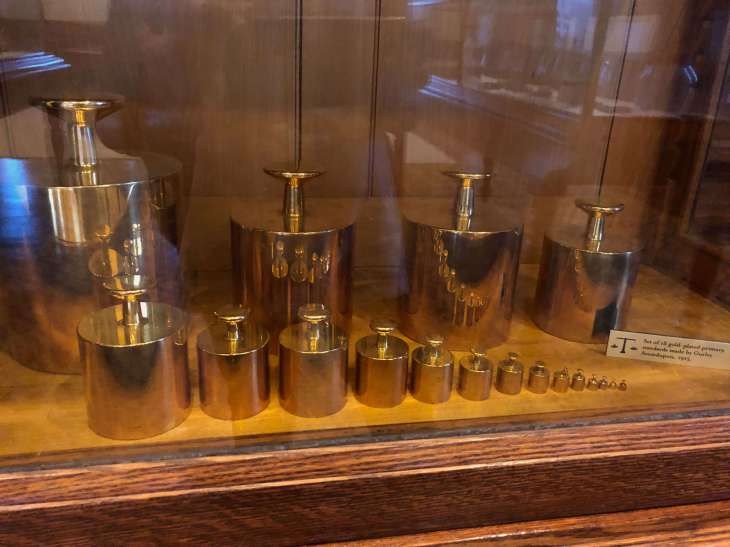
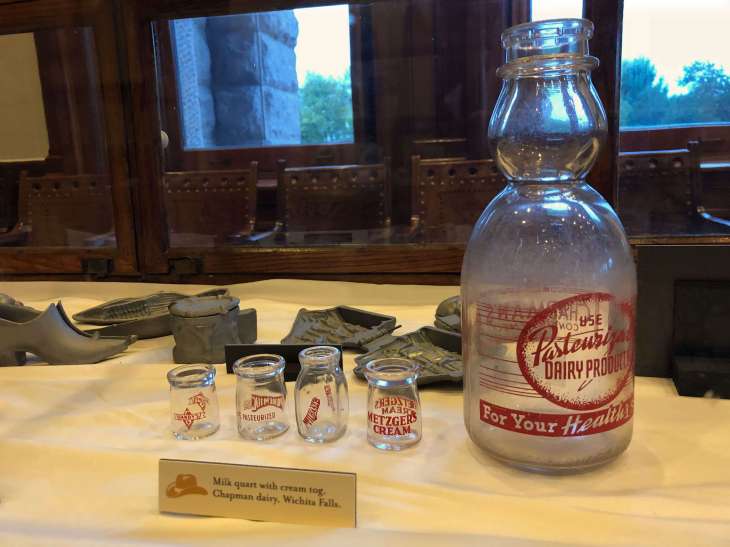
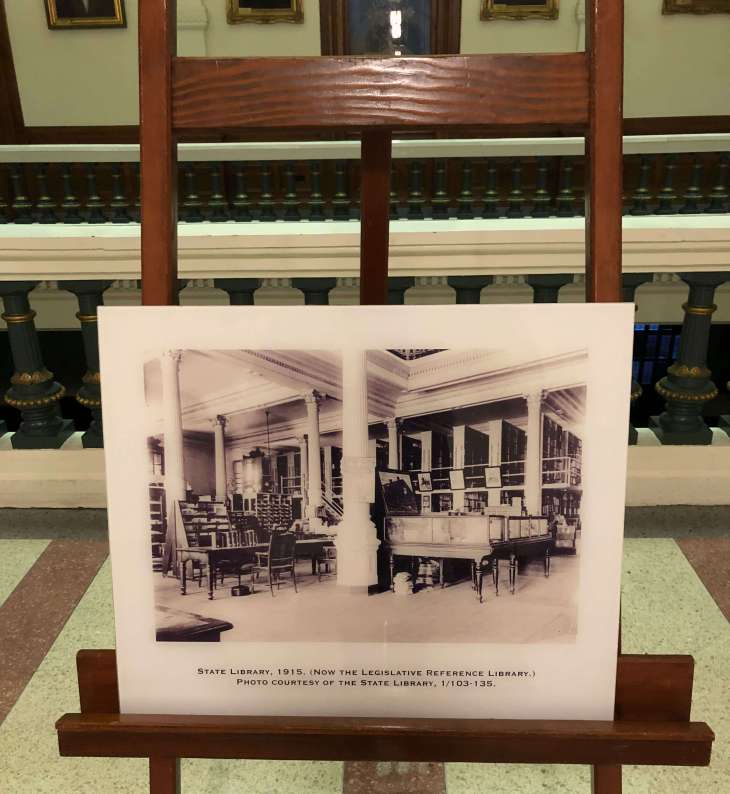
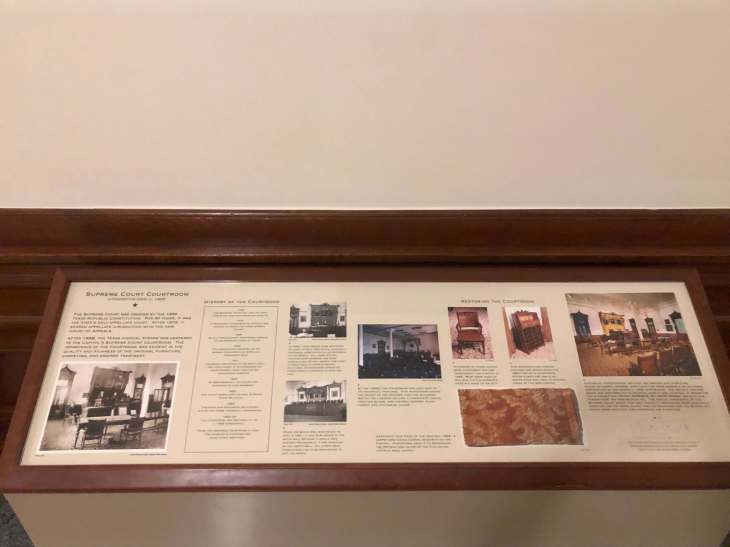
Getting over that initial embarrassment and shock, I went around the rest of the building. Here and there were slabs of posters explaining the various architectural choices of the building. Some even included little stories of how parts of the building was built. Although most of the rooms were offices and more closed doors I didn’t feel like tapping into, there were also a few large rooms with exhibits from ancient Austin.
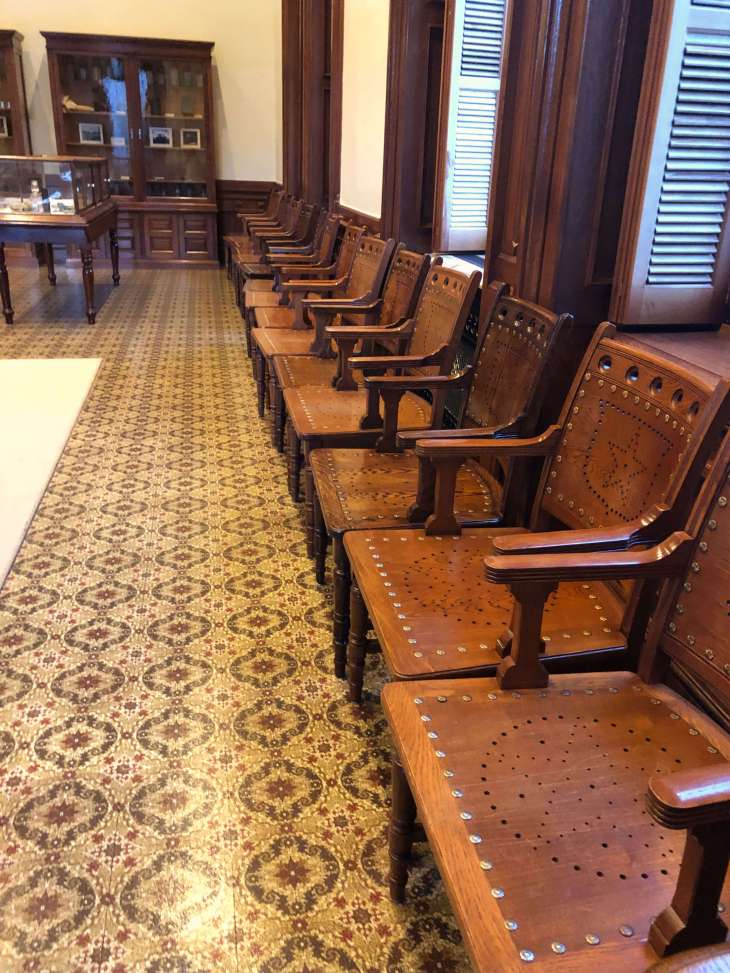
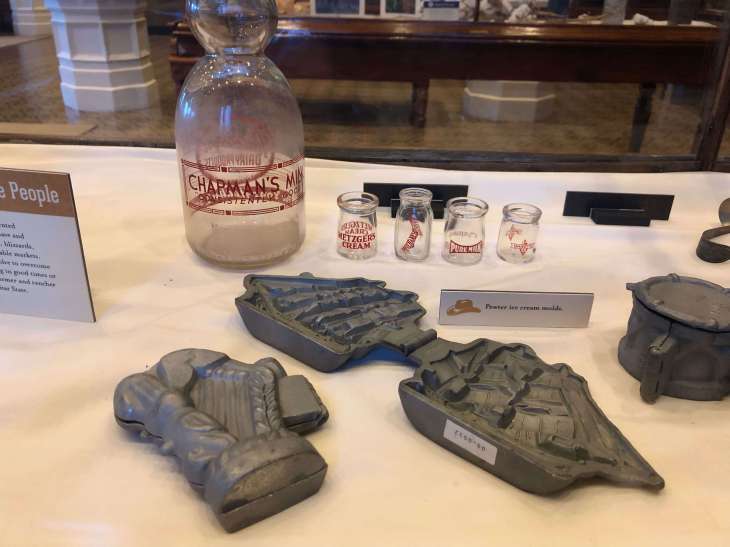
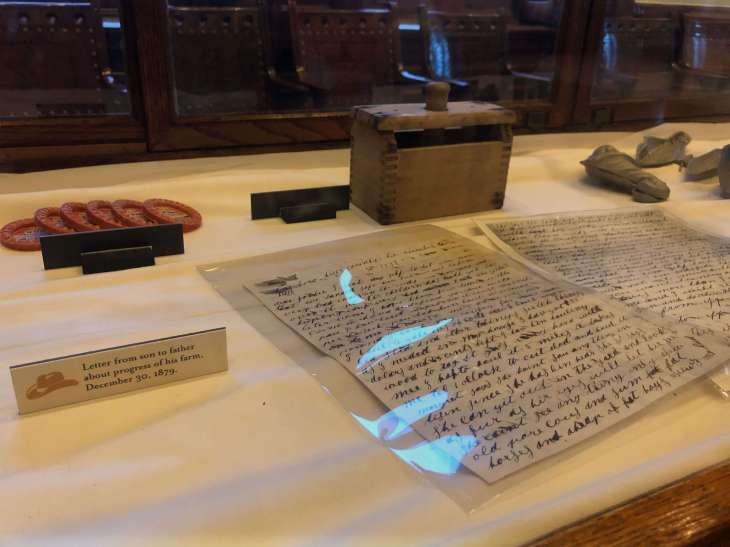
For a state that’s stereotyped as all sand and desert, I was surprised to learn that Austin’s primary business was once farming and cotton growing. Behind glass boxes preserved with utmost care were tools of the trade, sample grains, and even a letter from a son to his father explaining he’d made good progress with the farm that year. It was like visiting a part of Austin’s history that’s lost amidst heavy accents in cowboy movies.

I realised I’d nurtured a complete false impression of Austin and Texas. And those artefacts opened my mind never to form opinions based on televised screening.

For the next few hours, I walk round and round, stopping at every office to read whose it is and to strut past it, thinking to myself and role-playing,

“Yeah, I am at the Senate Chamber,”

“I’m just outside the Governor’s Room,”

“I’m about to hear the speaker at the House of Representatives,”

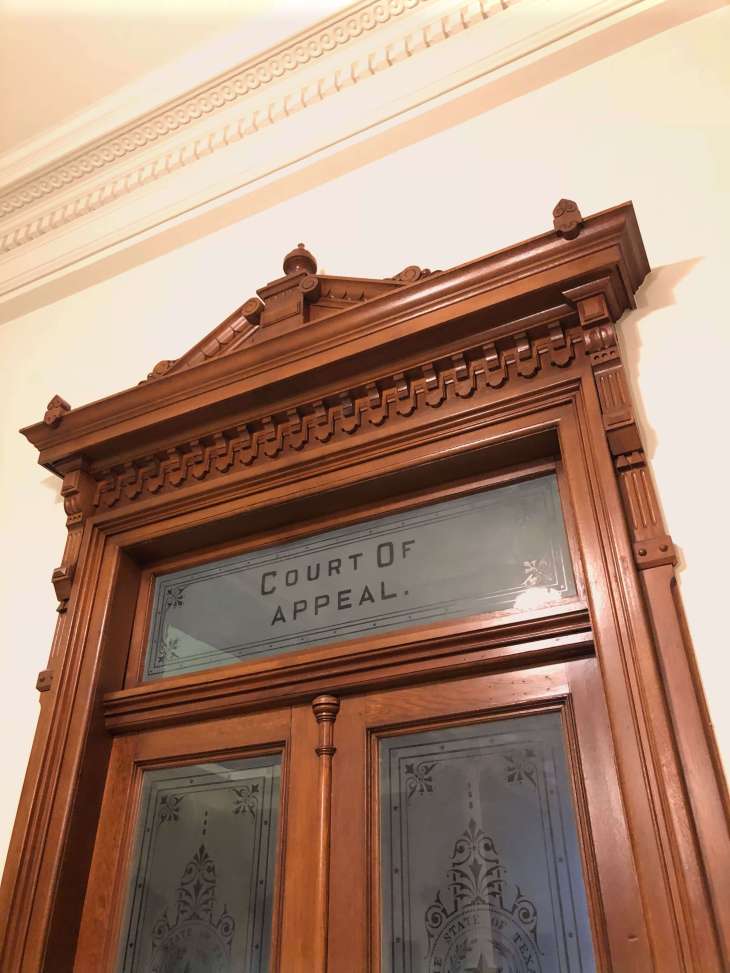
“Yes, I had to come to the Supreme Court Courtroom for something and then to the Court of Appeal to rest my case.”
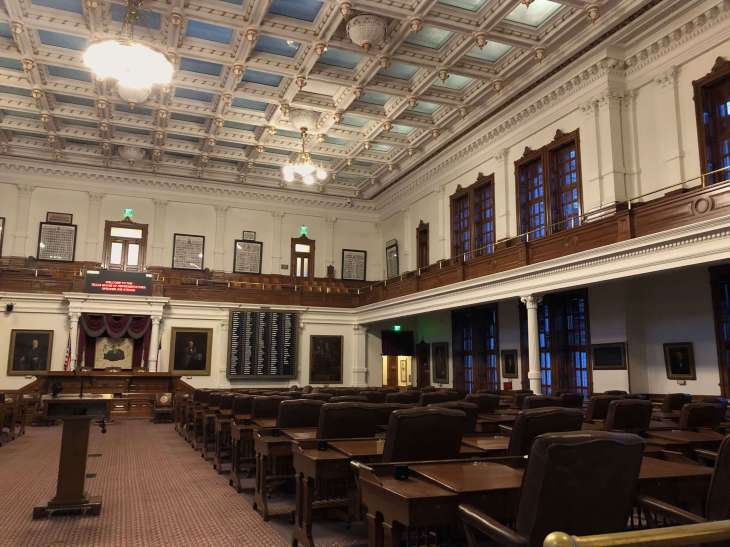
Standing outside the courtrooms, I couldn’t help but feel like being in the scene of Harry Potter’s hearing at the Ministry of Magic.

After a lot of fun-filled mind conversations, it was time to go. Darkness was beginning to fall and as I left with amazement, I also managed to capture the cause of it: the dome at night.
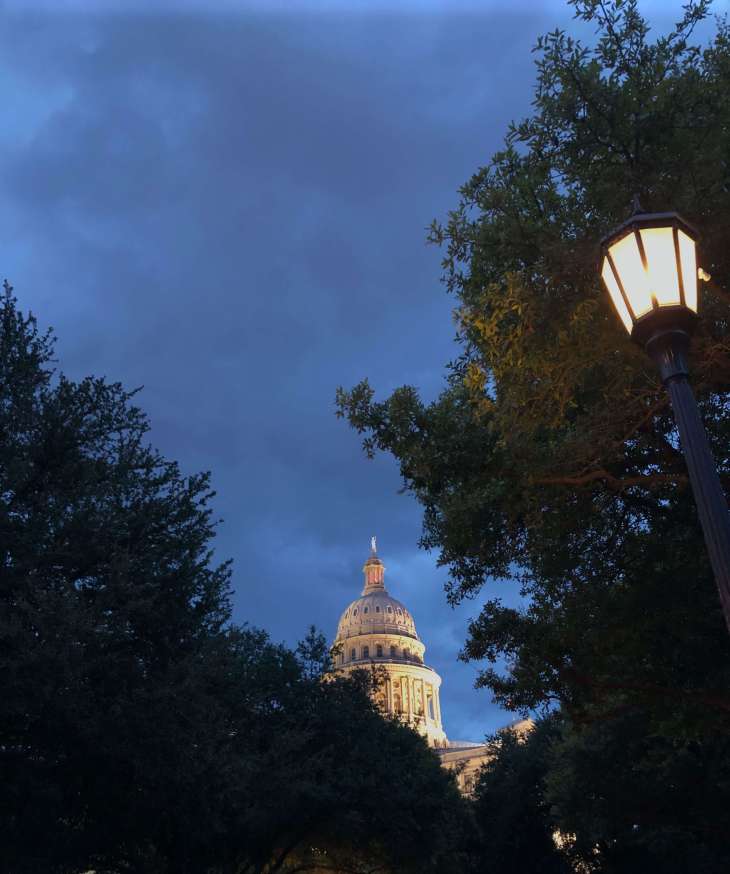
Texas State Capitol in Austin at night
At night: Texas State Capitol in Austin

If you find yourself in Austin, don’t miss the Capitol views.

Equal

Chairs lined up, Texas State Capitol, Austin

Leaders in Houses

and weepers in hospitals

unbiased, the chair

The works of Umlauf

The Zilker Park was only one of the many attractions of Austin. Not too far from there is another garden, a more sculpted yet wild one: the Umlauf Sculpture garden and museum.

Featuring 62 figurines, most of which Charles Umlauf himself sculpted, the garden stands as a testament to the combined beauties of nature and human intricacies. Charles Umlauf was born to French-German immigrant parents in Michigan. He grew up in Chicago and attended the Art Institute there.

When I walked inside, I knew nothing about a sculpture garden. I had no idea that the garden is home to some of the most magnificent sculptures I’d seen. I didn’t know then that I’d spend hours walking round and round taking photos of every sculpture on display, trying to capture its entire glory in multiple angles.

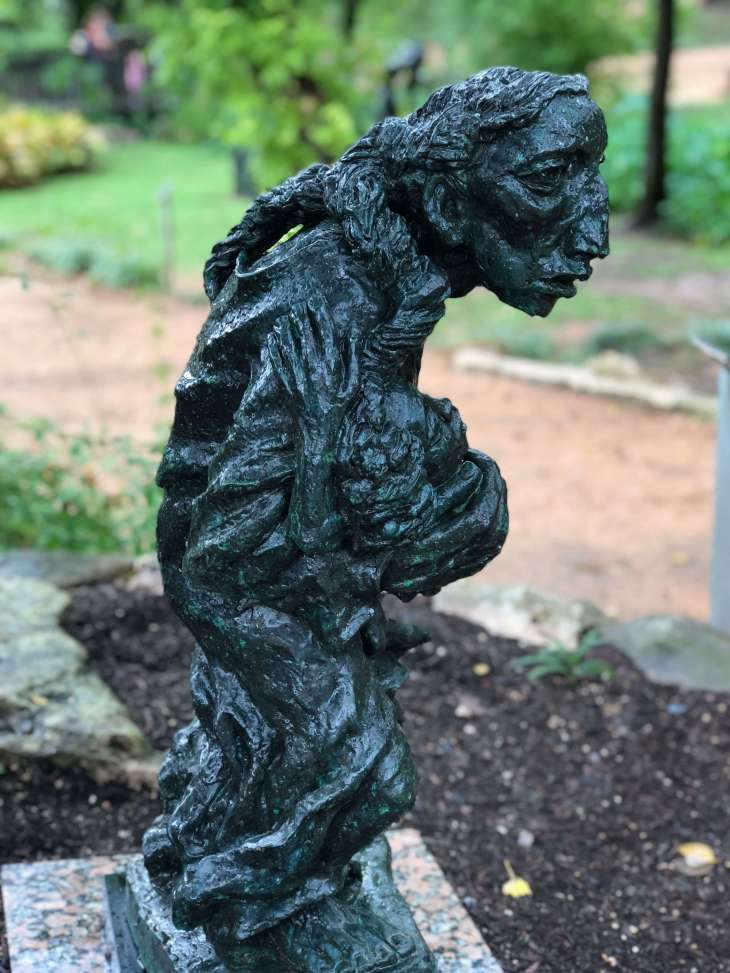
The first thing the caught my attention was a sculpture titled, Refugees. The garden guide I held explained that Umlauf had made it in 1945 as a reminder of the aftermath of the Second World War. As I observed the intricate carvings of the refugee’s drooping eyes and waning rib cage, I felt an immense sense of doom engulfing me. In such a realistic manner, the artist had recreated mite moments of a dying life. It was a stunner. And so were the rest of the exhibits.

Refugees - a sculpture at the Umlauf sculpture garden and museum, Austin, Texas
Refugees

Refugees: Charles Umlauf made many sculptures in the refugee theme. Growing up in Chicago and Michigan, his own family faced a lot of anti-German prejudice. It even led to Americanising their German names. Charles was renamed Karl.

lazarus - a sculpture at the Umlauf sculpture garden and museum, Austin, Texas
Lazarus

Lazarus: Bronze sculpture, made in 1950. The work os based on a parable about dying. It depicts a sore beggar who “longs to eat what fell from the rich man’s plate.” (Luke 16:21)

Crucifixion - a sculpture at the Umlauf sculpture garden and museum, Austin, Texas
Crucifixion

Crucifixion: 1946, aluminium. This sculpture was a gift from the McNay Art Museum. It’s a scale model of the 10-inch sculpture of the same name made by Marion Koogler McNay for the Shine of St. Antony de Padua Cemetery in San Antonio.

Poetess - a sculpture at the Umlauf sculpture garden and museum, Austin, Texas
Poetess

Poetess: 1956, cast stone. The sculpture pays homage to Charles’ wife, Angeline Allen Umlauf, who was an art student in Chicago before becoming a poetess. Representing poetic inspiration, the sculpture also refers to Angeline who played a part in creating the Sculpture Garden.

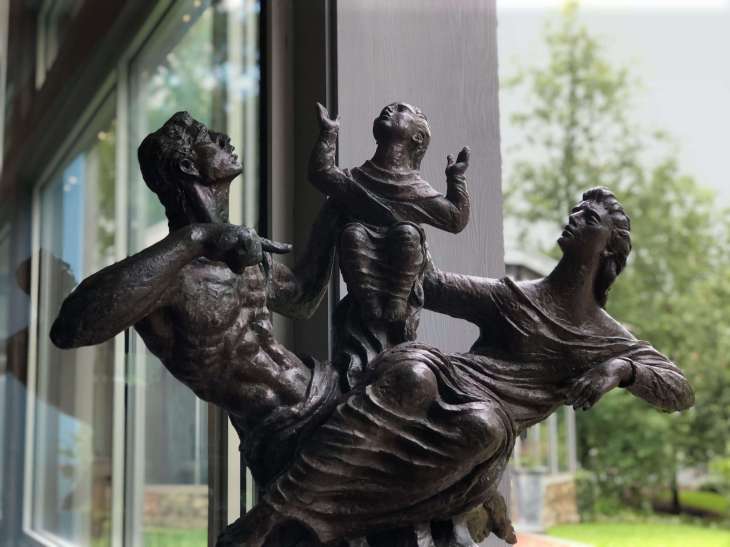
Family - a sculpture at the Umlauf sculpture garden and museum, Austin, Texas
Family

Family: 1960, bronze. This is a scale model of the Family sculpture that in the University of Texas campus. The model is 1/3 of the size of the 15-inch version in UT.

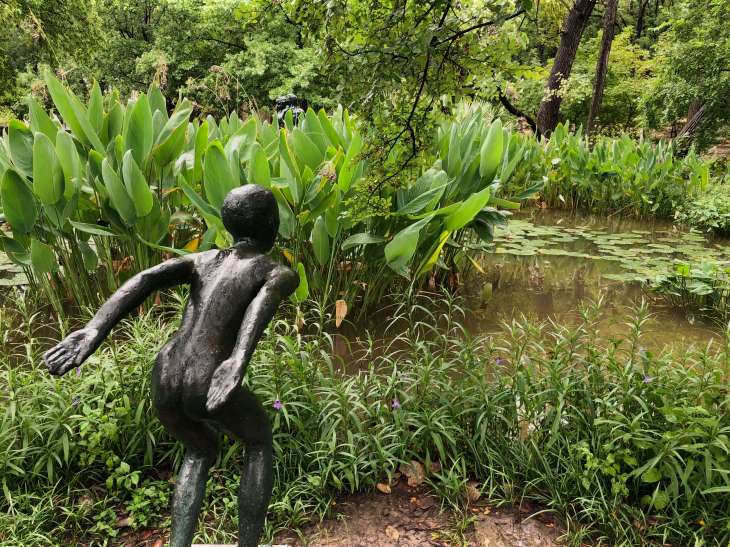
Diver - a sculpture at the Umlauf sculpture garden and museum, Austin, Texas
Diver

Diver: 1956, bronze. Modelled by Umlauf’s son, this statue is s reminder of the Umlauf children’s childhood. When young, they’d run down the hill from their home, cutting through the “weeds” to swim at Barton Springs. The diver seems to be cutting through the same “weeds” that were transformed into the garden.

Muse - a sculpture at the Umlauf sculpture garden and museum, Austin, Texas
Muse

Muse 2 – Head: 1963, bronze. Charles made 3 bronze muse statues for the University of Texas. However, he set aside this head of the second muse statue as a separate work.

Spirit of Flight  - a sculpture at the Umlauf sculpture garden and museum, Austin, Texas
Spirit of Flight

Spirit of Flight: 1959, bronze. In the 1959 edition of the Dallas Love Field Monument Sculpture Competition, the winner and the runner up were Umlauf’s sculptures. All entires were anonymous. This one is a scale model for the airport’s fountain installation, which stands 17’ on a 22’ plinth, surrounded by 18 oversized birds.

Hope of Humanity - a sculpture at the Umlauf sculpture garden and museum, Austin, Texas
Hope of Humanity

Hope of Humanity: 1971, bronze. This is a scale model of the 12.6’ sculpture commissioned by the Houston Museum of Natural Science. Charles Umlauf, while sculpting this, took photographs to document the whole process for a book titled, The Sculpture and Drawing of Charles Umlauf. 

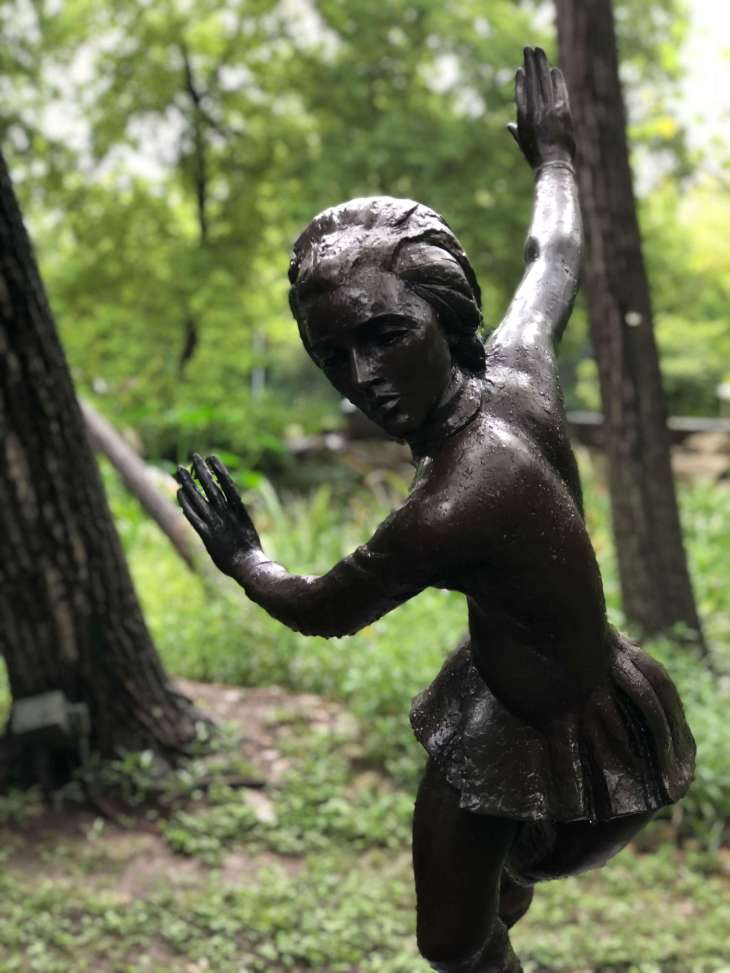
Skater - a sculpture at the Umlauf sculpture garden and museum, Austin, Texas
Skater

Skater: 1970, bronze. Charles Umlauf’s homage to Peggy Fleming, an American skater in the 1968 Winter Olympics in France. Only 19 years old then, the skater ha down the gold medal for the United States in that tournament.

Icarus - a sculpture at the Umlauf sculpture garden and museum, Austin, Texas
Icarus

Icarus: 1965, bronze. According to Greek mythology, Icarus and his father Daedalus, were trapped  on a labyrinth in the island of Crete. In an attempt to escape, Daedalus made wings for the boy of them using features and wax. Despite his father’s warnings of not to fly too close to the sun, Icarus did and fell into the sea as his wings melted. The myth symbolises the excessive pride of youth and the failed ambitions of humankind.

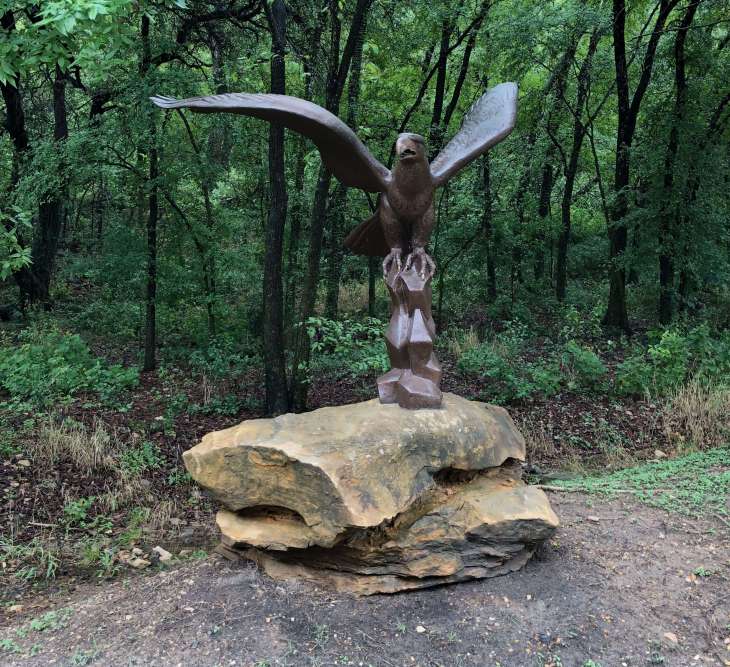
Eagle - a sculpture at the Umlauf sculpture garden and museum, Austin, Texas
Eagle

Eagle: 1968, bronze. Commissioned for the Austin headquarters of the First Federal Savings & Loan, this statue stood there for 50 years, before the state loaned it to the garden.

If you ever have a chance to visit the Umlauf Sculpture Garden and Museum in Austin, Texas, please do. It’s so worth your time. 

Small

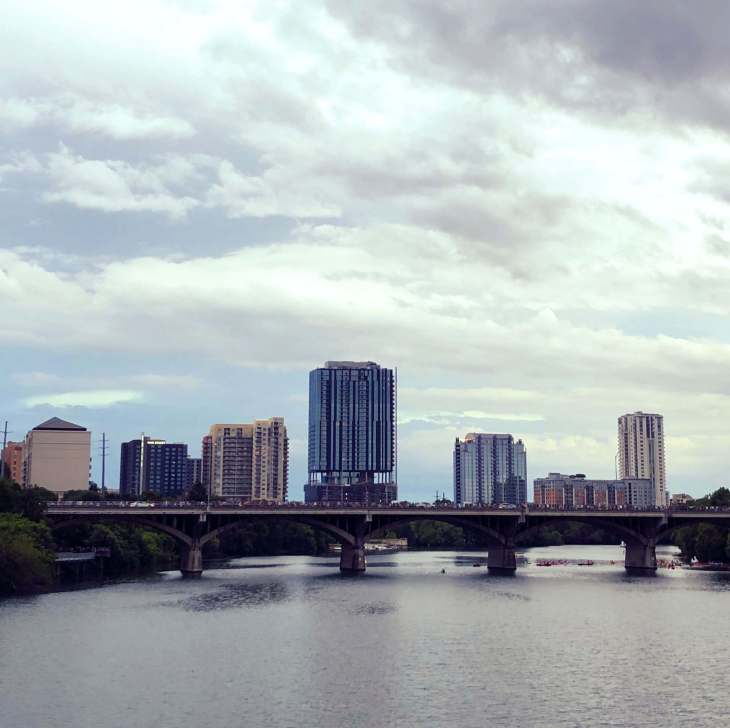
Buildings as seen from across the Colarado RIver in Austin, Texas

All things big and small

feel smaller still from afar

the bully, distance

Look beyond

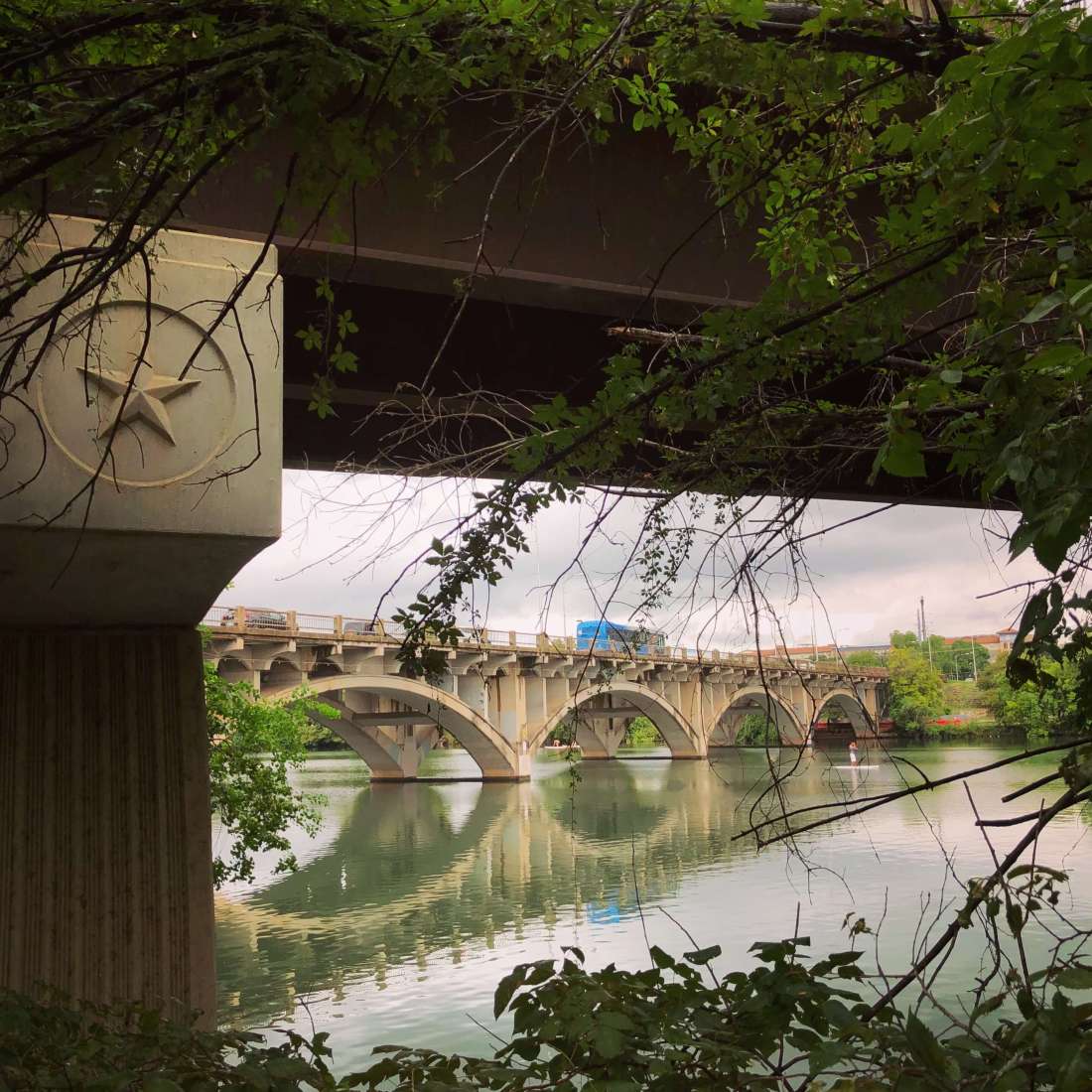
Ladybird Lake hike and bike trail in Austin, Texas

Hidden in plain sight

a world no one’s ever seen

perspective matters

— — —

Photo: Ladybird Lake hike and bike trail in Austin, Texas