Appreciation

Australia is famous for many things. One of which is the largest living organism in the worldโ€”The Great Barrier Reefโ€”that sprawls across a large part of eastern Australia. And then there’s Ayers Rock or UluruAyers Rock in the north, Port Arthur way down in Tasmania, the Opera House, the Old Melbourne Gaol, and countless other convict houses that framed the history of this great country that remains a wondrous mystery to the rest of the world.

There’re so many cultural and monumental buildings and memories in this country that global history texts celebrate. And yet, there’re also so many iconic elements that go entirely unnoticedโ€”even by Australians themselves. People talk more about the gorgeous wine regions* than about the more noteworthy things they ought to talk about. 

Here’s an example.

I was chatting with some friends, who come from various parts of the country and have travelled and lived much around the world, and I learnt that the world’s oldest living thing is right here in Australia, an unknown fact to most people.

It’s not the Reef. That’s the largest. 

The oldest is a natural phenomenon called stromatolite or stromatolith. My enthusiasm for geology makes up for my beyond pathetic knowledge of the science. Stromatolites are rock formations. They’re layers of sheet-like sediments of silt, limestone, and a single-celled microbe called cyanobacteria. The word’s root comes from Greek and translates to “stratum” or more loosely to “stony cushion.”ย 

Stromatolites in Shark Bay, Western Australia - Photo source: Wikipedia
Stromatolites in Shark Bay, Western Australia.

Stromatolites are common and occur in many places. However, in Western Australia’s North Pole (apparently, WA has a North Pole of its own. Who knew?), you’ll find stromatolites as old as 3.5 billion years. They’re officially the oldest in the record.

The most extensive collection of stromatolites is in a Hamlin Pool in Shark Bay, also in Western Australia. These are about 4500 years old. And you can just as easily walk up to them as you would to a tree in your back garden.

We seldom appreciate the greatness within our reach. As in a game of hide and seek, we seek the special all around us, sometimes even going far off in the wrong direction, only to have equally uninformed guides misguiding us under the false impression of finding the right spot. And we think we’ve found it tooโ€”until we see it for real, and realise, that it’s been sitting in silence right under our noses.


*Don’t get me wrongโ€”Australia is home to some of the world’s best wine regions. And it’s critical to showcase them too. I only call for a more balanced distribution of paparazzi.
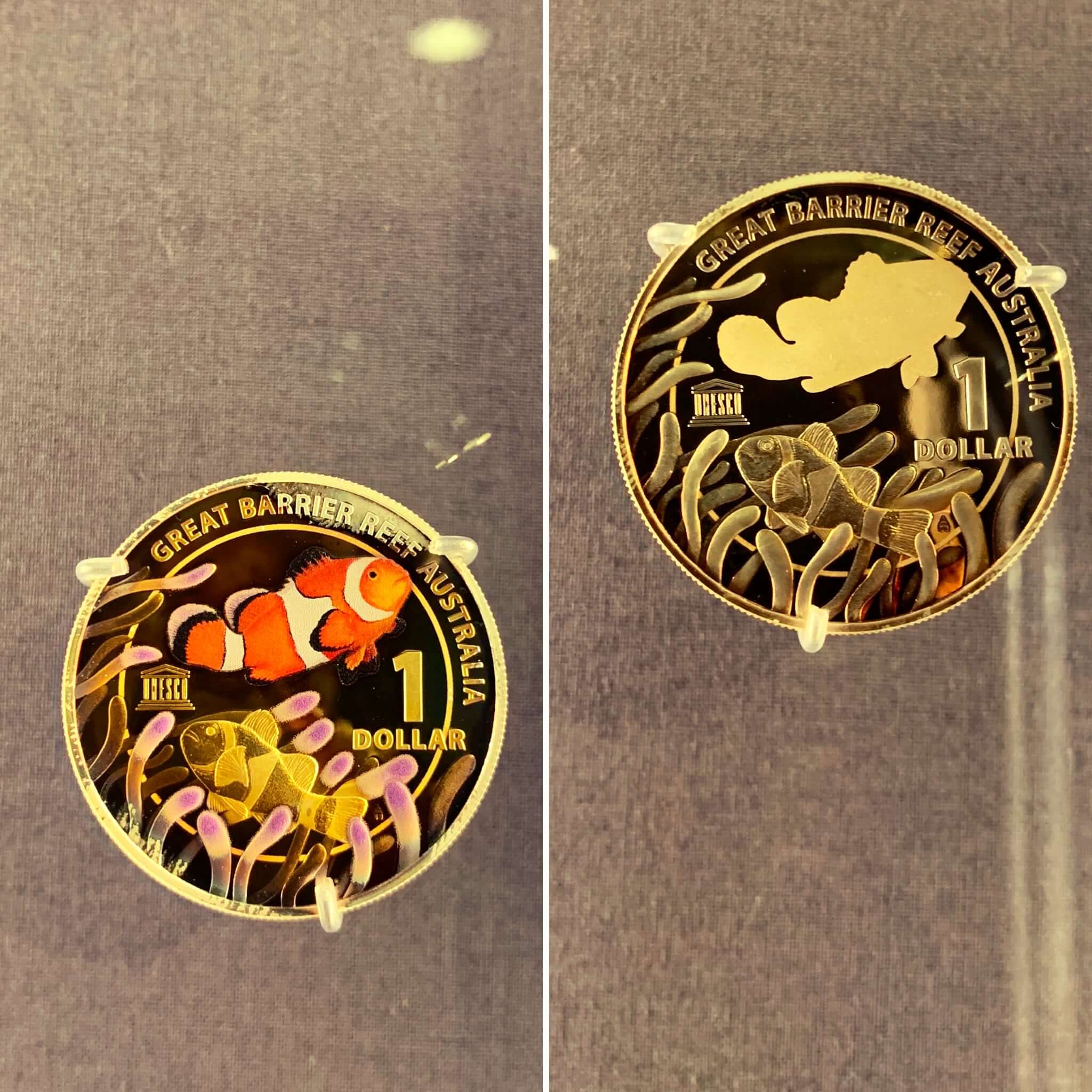

Photo source: Wikipedia. By Paul Harrison.

Remember?

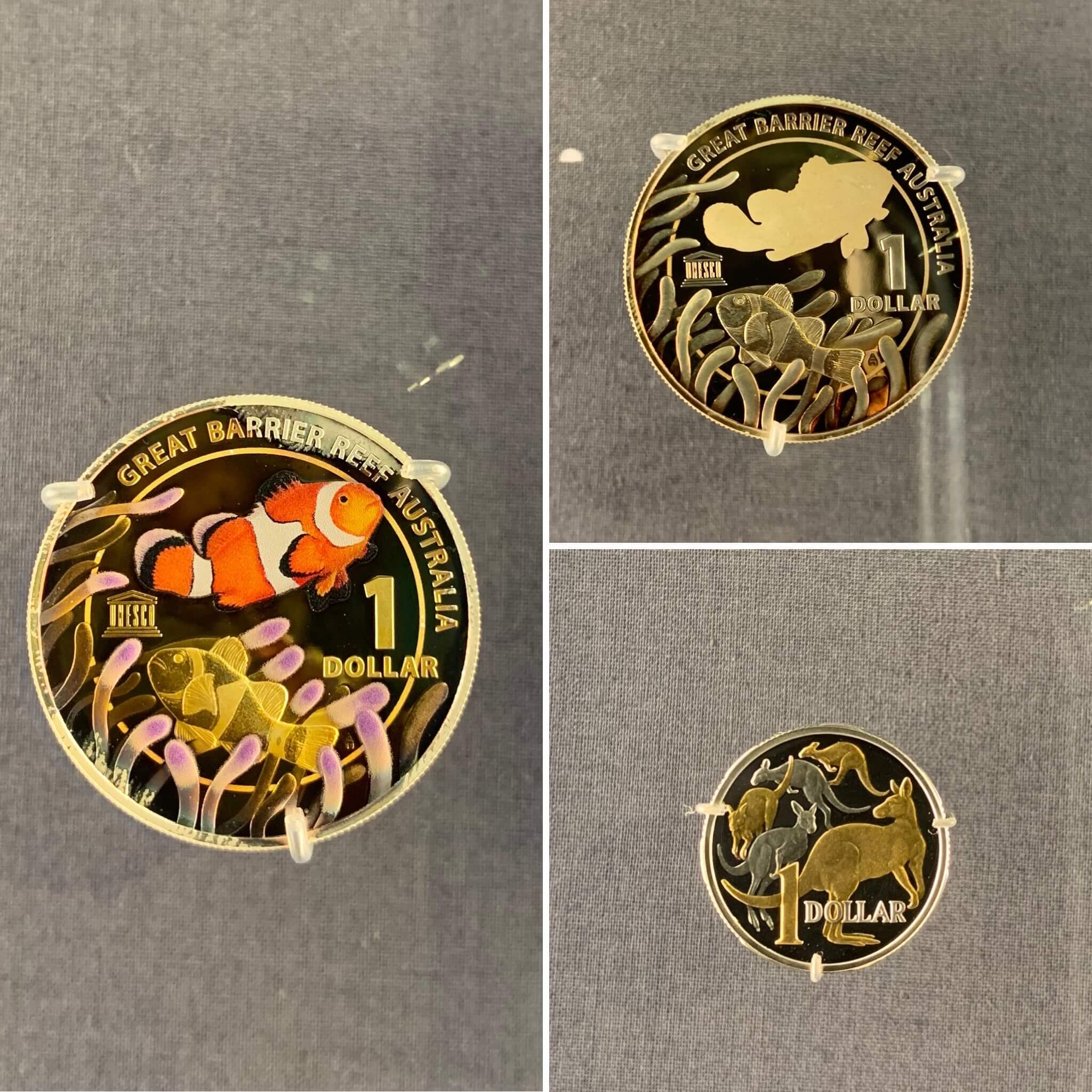
Commemorative coins for the Great Barrier Reef - On display at the Royal Australian Mint, Canberra

“Great Barrier Reef”
She mouths at the inscription.
Curves brows, “Dad…what’s that?”


Can a short story be haiku?

As Australia burns…

โ€œWe think most of the animals were incinerated – itโ€™s like a cremation, [โ€ฆ] They have been burnt to ashes in the trees.โ€

Sue Ashton, President, Koala Conservation Australia.
Source

That line jumped out at me as I scrolled through today’s news. For a while now, most of New South Wales, Australia, has been burning. As of early morning today, a million hectares of land has burnt down, a number greater than the previous three years of bushfires combined. And itโ€™s only spring. Bushfire season is only beginning in this part of the world, and even before its proper entrance, greedy fires are lapping their way into peopleโ€™s homes and lives.

Yet, somehow as I read multiple articles mentioning three deaths and over a 150 destroyed homes so far, it didnโ€™t hit me as hard as the incinerated koala bears. Though I havenโ€™t lived through many global disasters, I have seen and heard of enough violence and terrorism to develop a mild numbness to human deaths. To me, it always felt like one group of humankind is always paying for the mindless blunders of another. 

This time, however, it wasnโ€™t just the humans. This time, for the first time in a long time, vulnerable nature is suffering from its own wrath. That article put it well too. The precise choice of words got me unawares, gripping my throat, crushing, pulling the air out of it in such a slow motion that I wished it would hurry up and get it over with. The casualness of that word threw me off balance. It made me breathe in so sharply that my eyes teared up from the pressure and the pain that shot all the way through my body. 

Words are powerful. Saying that over 300 harmless, helpless, animals were crisped while they clung to their homes, paints a picture so vivid that readers would relive the moment again and again. It was strong, writing. As a writer of things myself, I admire the gallantry of whoever wrote that speech.

As a reader, listener, it triggered me. Itโ€™s made me abhor the world we live in. Although my mind accepts the direness thatโ€™s become the new normal in the state, my heart still clenches to think that at this rate, koala bears could be extinct in 30 years. 

Itโ€™s scary to imagine a species that Iโ€™ve admired, photographed, and smiled at, would die out right in front of my eyes, and I wouldnโ€™t be able to do anything about it.

The state government has declared emergency for the first time since 2013. According to meteorological forecasts, tomorrow (Tuesday) will cause more damage than weโ€™ve seen so far. Greater Sydney, NSW, and parts of Queensland are expecting extreme bushfiresโ€”in addition to the 60 thatโ€™re still uncontained. Over 500 schools will be closed. Millions are evacuating to safer areas. High temperatures, low humidity, ghastly winds, and catastrophe await the state as it spends another sleepless night.

And someone said the climateโ€™s fine.

Making sense of Mint

When I awoke this morning with nothing to do, I mused at the rarity of it. I always have something to occupy myself with over the weekends. After rummaging Facebook for a while, I concluded that I could either go to a street market, where I knew a few of my friends would be, or take a solo trip to the Royal Australian Mintโ€”something I’d been putting off for a long time because it was just too far away.

The food market sounded fun, but considering I’d probably buy nothing and wander around aimless, I decided to do the wandering at the Mint instead.

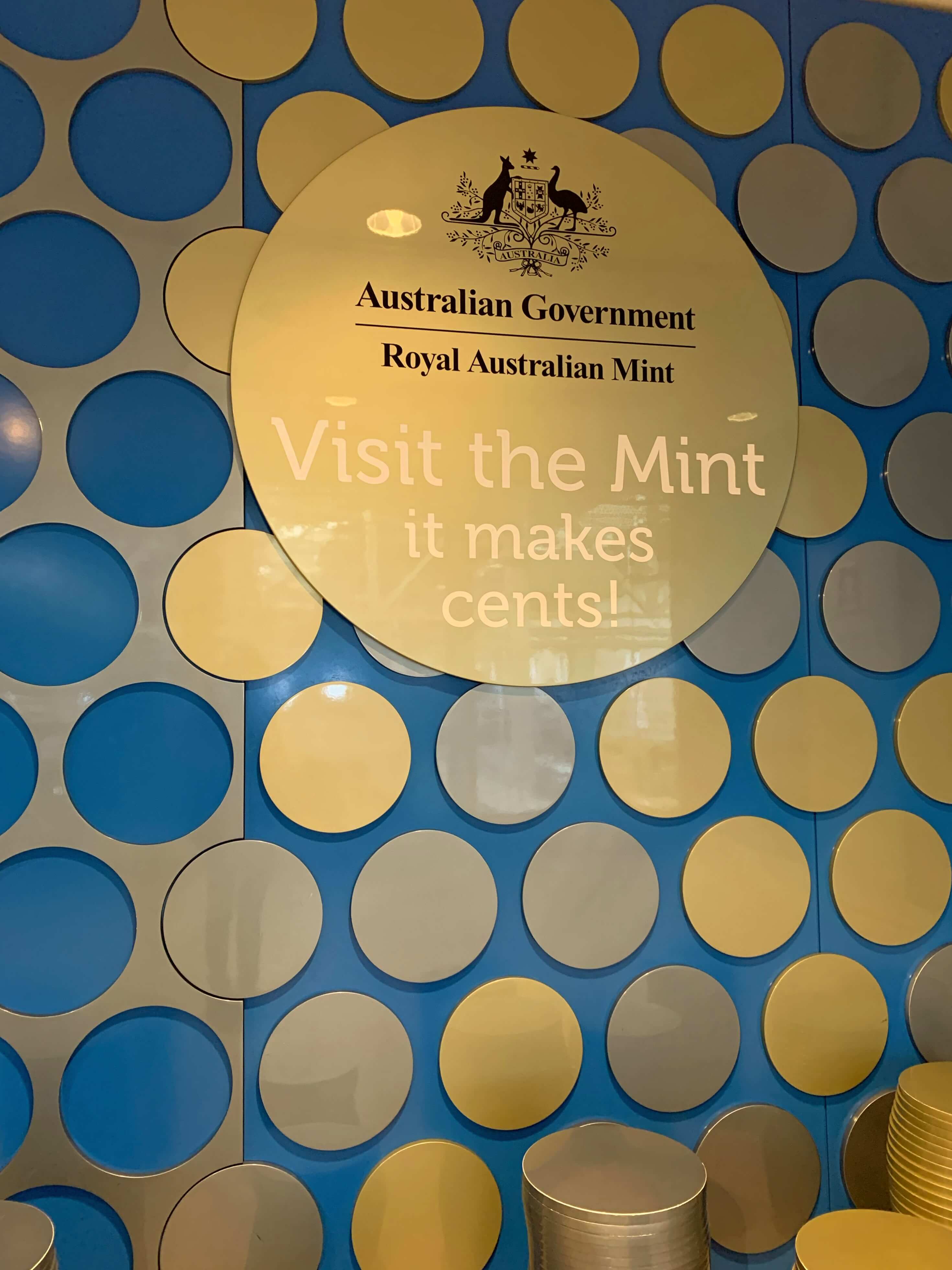
After two buses and about 45 minutes, I entered the building that runs Australia’s coin system. A big pot of gold coins greeted me. Next to it, a staircase led to the upper level and the main exhibition. Stepping upwards, I couldn’t miss the thousands of coins studded into the stairs.

On the upper level, famous Australian bushrangers greeted me in large cutouts. From time to time, the Royal Australian Mint makes comparative coins marking important events and people. This year, they’ve made a unique set of coins to acknowledge and appreciate the contribution of bushrangers to Australian cultures and stories. It was an excellent way to remember history’s villains, most of whom died in captivity.

Moving on, I entered a corridor full of stunning displays. Hundreds of coins marked the timeline of Australia’s currency system, dating way back to the first foreign coins found in shipwrecks. Since some of the first outsiders to arrive in Australia were prisoners and war slaves, most of their currency became the initial seedling for Australia’s current monetary system. These coins gradually replaced the natives’ barter system.

Walking my way down the timeline, I learnt how, from using coins of unknown lands, the country progressed to establishing a proper way to assess the value of these random coins. From there, they moved on to adopting the shilling-and-penny system that Britain was using. As a country, Australia was under the British reign for a long time, and it only made sense to use the same coins.ย 

Then came the decimal period. From farthings and halfpennies, Australia went to cents and dollars. Displays showed how designers formulate the images and engravings that mark a coin. Looking at the detailing of each drawing, I was amazed to see how most of the coins in current use incorporate unique Australian fauna. There’s more to this country than kangaroos and possums. And sometimes, even though we handle and pass on these coins countless times every day, we don’t often pause to observe.ย 

Apart from these coins, the Mint also had displays of other collectible coins and medals that it’s made over the years. There were 1kg coins in both gold ($3000) and silver ($30) marking the Mint’s partnership in the 2016 Olympic games. There were gold, silver, and bronze medals offered to winners at the 2000 Olympic Games in Sydney. Also on display were the medals presented at the 2019 INAS Global Games. And my favourite, three special coins celebrating the Great Barrier Reef.

Great Barrier Reef - collector coins - Royal Australian Mint

It took me about an hour and a half to look and read through all the displays. From the various metal combinations tested for a single coin and the different designs they considered, to the actual robot that helps with heavy lifting and transporting during the minting process, the Royal Australian Mint has so much awe to offer. I’m glad I skipped the markets for this.

The small Tudor village

Art finds countless ways to make history. When in Melbourne, attending a work conference, I managed to wander into the Fitzroy Gardens. Itโ€™s a massive nature haven with a 150+ year history. Whatโ€™s more, itโ€™s in the heart of the city, making the city far more prone to desirable infection from beautiful greenery, flora, and thousands of chirping birds.

Part of Melbourneโ€™s charm, aside from its century-old Victorian architecture and artisan coffee, is that everything has a history worth rememberingโ€”or trying to remember.

To appreciate how deeply history and art are embedded in Melbourneโ€™s lifestyle, I had to see the Tudor Village.

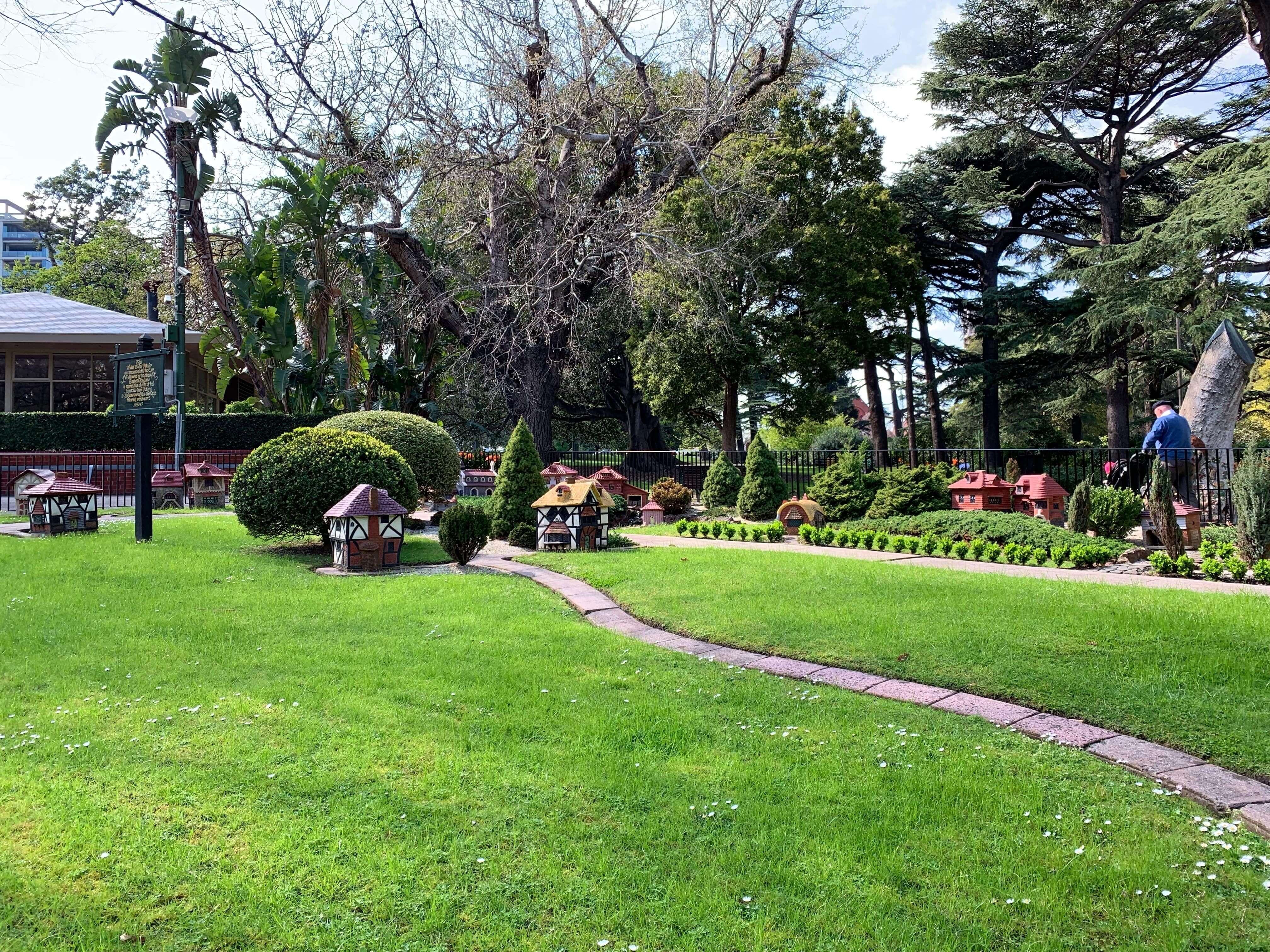
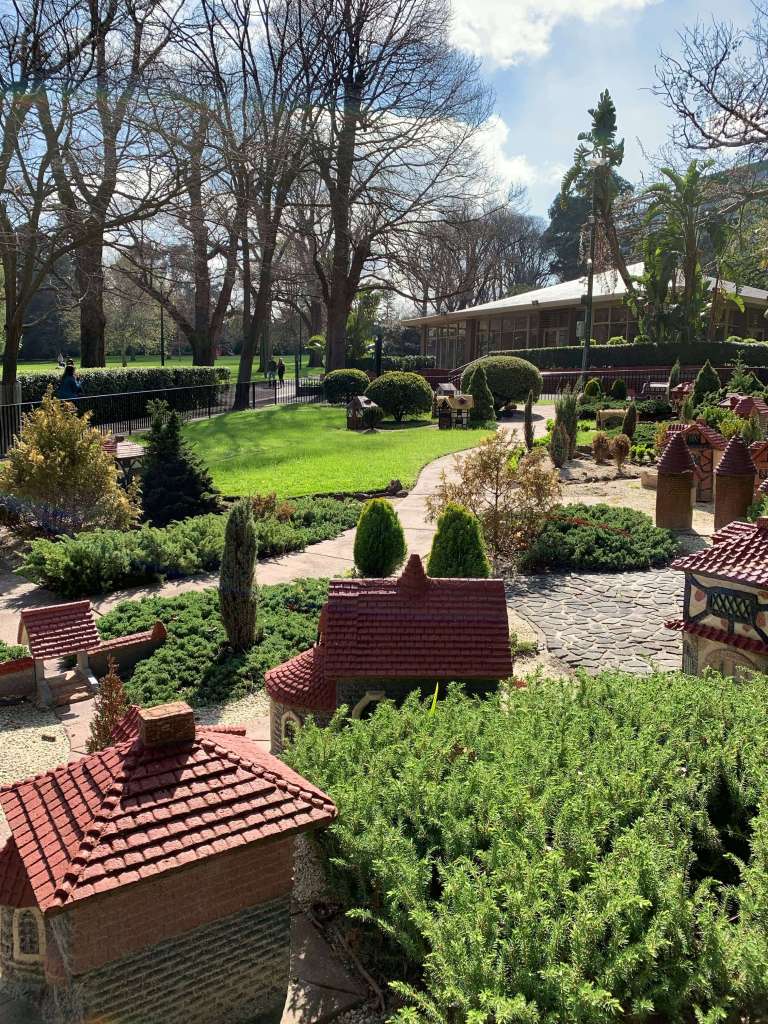
Tudor Village in Fizroy Gardens, Melbourne

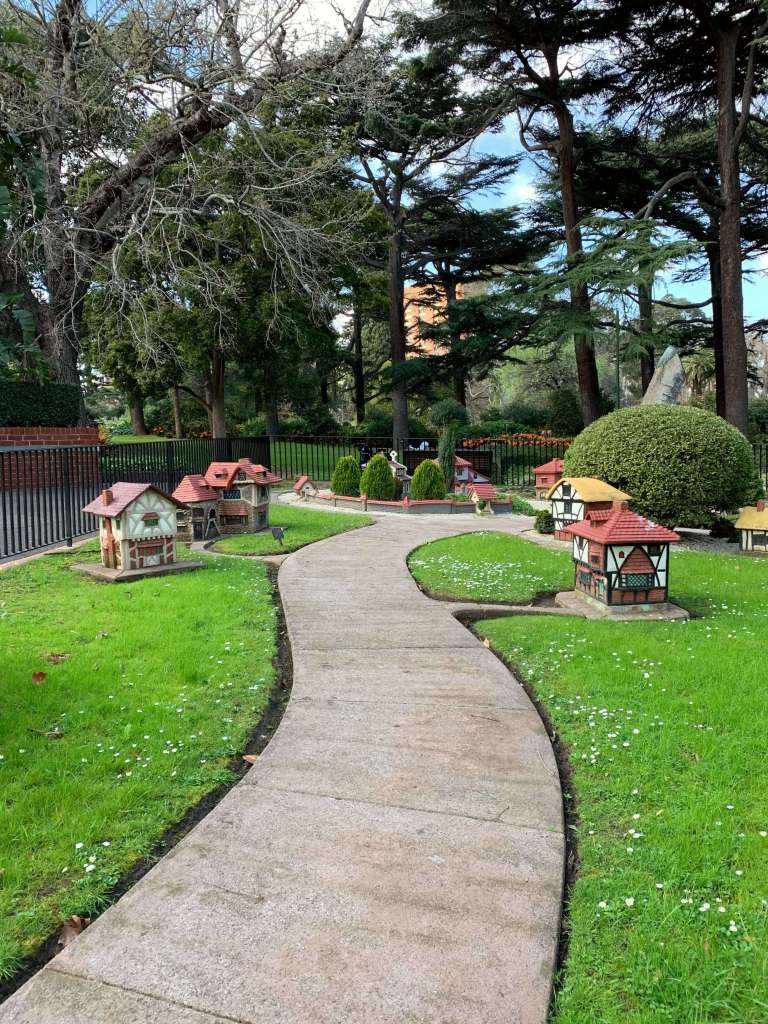
Among the many historical elements in the Fitzroy Gardens, The Tudor Village is a piece of art and a gift from a British artist. Mr. Edgar Wilson was 77 and lived in Norwood, London when he made villages as a hobby. Modelled in cement, the Tudor Village is one of his three works and is a miniature replica of an English village during the Tudor period.

It took me a while to notice them, but the village comprises of thatched cottages, a church, school, hotel, a barn, and all the public buildings youโ€™d expect in a self-sufficient small town. Even the architectural elements were precise to that period.

The Tudor Village, however, isnโ€™t just any gift. It was a symbol of gratitude to the city of Melbourne for sending food to Britain during the Second World War.

Itโ€™s such a great icon in the gardens. There I was in Victorian Melbourne, dropping my jaw at an ancient Tudor-period village.

If you visit Melbourne, stop by the gardens. Thereโ€™s plenty more to see as well.