Shakespeare, the Marketeer


write on

For a long time, people have believed that writing and marketing are two different entities.

Marketing is the art of selling stuff to people. And writing —  well writing is just bleeding.

But we’ve also seen great writers shine as great marketeers too. And who else should I point out than the beloved Shakespeare himself? (or herself?!)

We know Shakespeare was a good writer. We also know — but don’t accept it — that he was one of the greatest marketeers in history.

I’m not exaggerating.

People have said for ages that good content sells itself. But people have said that for ages without realizing what it meant.

Shakespeare’s plays and sonnets became successful because they were good. But good as in, not with perfect grammar and flawless sentence structure. Shakespeare didn’t care for grammar rules; he took the license and brandished it with such fierceness in the face of the literary world. He violated every rule in the grammar book. He wrote dialogues in poetry, and invented words to suit his personal situations.

He played with spelling, he altered rules, he teased restrictions — but his works were good. And the state approved of them.

So how did Shakespeare manage to sell his “faulty” works to such a well-educated state — to what we now call the golden age of Literature?

Shakespeare cared naught for the templates. It didn’t matter what the rule book said, because he didn’t write for the rule book.

Shakespeare wrote for the people.

He wrote for the poor people, for the uneducated, for the drunk, for the sober, for men drunk with love and for the women behind tapestries.

And he wrote about people. He wrote about envious kings, doubtful husbands, about runaway lovers, of boy kings and tomboys.

Shakespeare wrote for the people.

His works spoke about being human. He created vulnerable stories, he spoke about the things that are in our minds all day. He spoke about sex, about money, about greed and passion. He spoke to our souls, to our inner most feelings. His words resonated with us, and we related to them.

And that’s why Shakespeare sparks excitement in us. And that’s why, even centuries later, you have to spend more than a handful to get your hands on Shakespeare’s works. If that doesn’t make him one of the greatest marketeers in history, I don’t know what does.
Lucky Accidents

What’s the purpose of birth?

It’s a zen-like rhetorical question, but like they say, everything has a purpose.

How about an accident? I like to look at accidents and huge catastrophes – sad though they are – as Nature’s way of clearing up the world; as a way of weeding out ripe lives so as to make room for fresh ones.

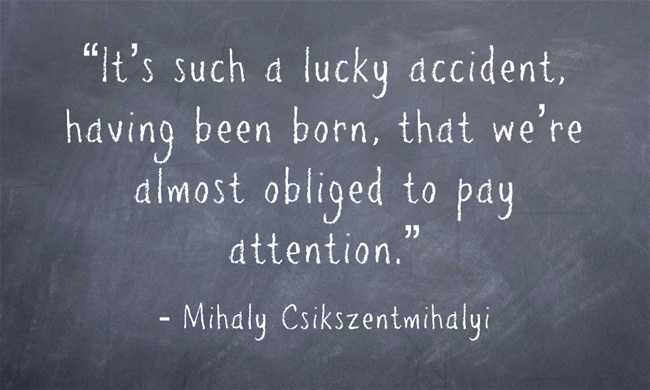
But what happens when birth itself is an accident? Is it just Nature’s way of telling us there’s still something left to experience? We’ll never know, unless we pay attention.

Lucky accident

What Is The Point Of Reading?

What is the point of reading?

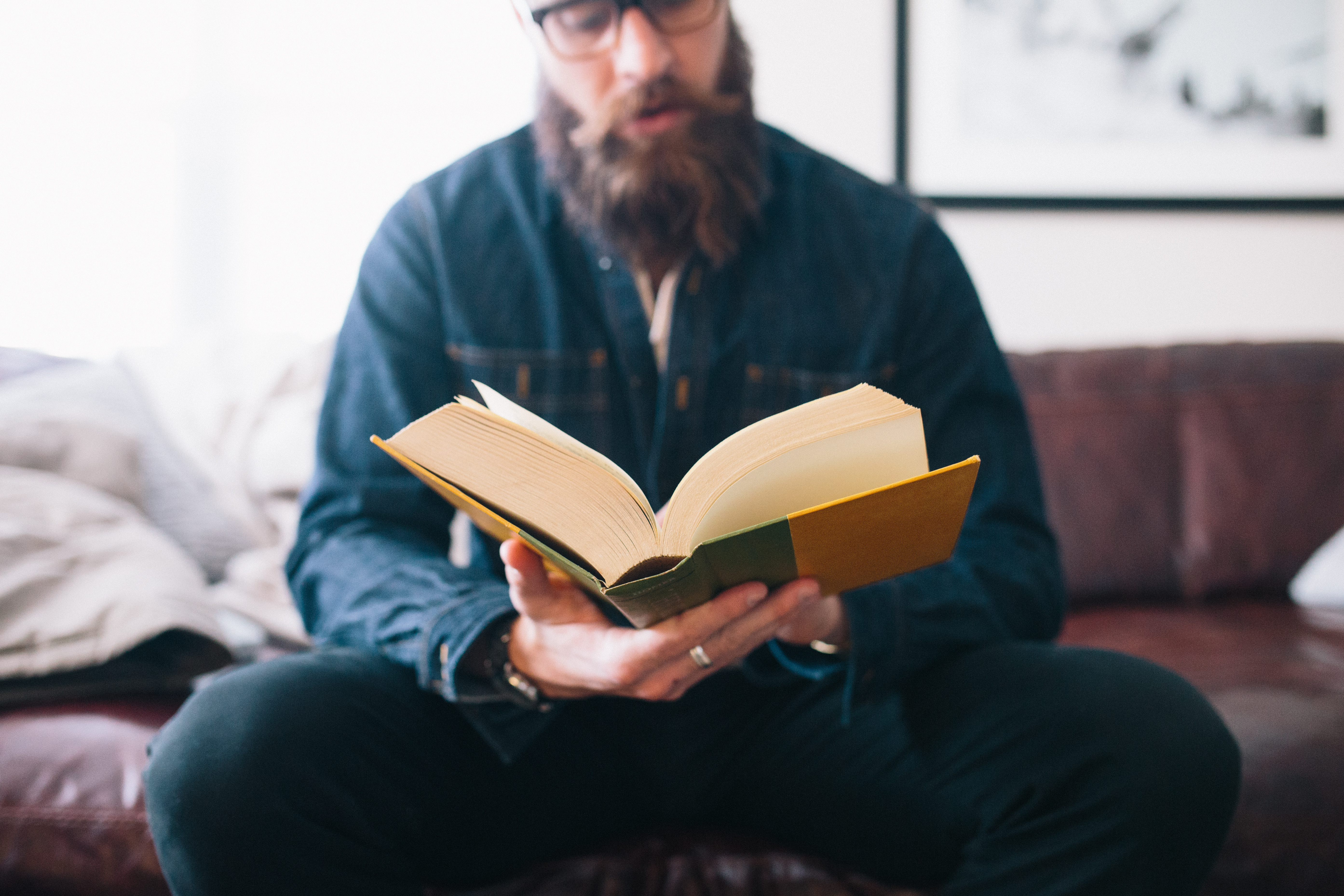
Really, why do we read? I can’t say how many times I’ve got the same advice: read. Some writers even say the best writing advice they’ve received is, “read as much as you can. Read anything and everything you can lay hands on.”

But I’ve also seen people who never read. People who are too lazy to pick up a paperback, or to drag a hardcover along. Think they’d rather prefer the kindle? Nope, they are tech junkies.

Come to think of it, in a world without traditional schooling, you don’t have to read at all. Except of course, the statuses on Facebook and the incessant chattering on Twitter. You just wake up, eat, go out with friends, earn some cash, spend more than you make (so you have something to regret later on in life), grab a drink with a friend while checking your phone every other minute, and then go home to bed.

Where would you be reading? Why would you be reading at all?

But then, days pass by. You’d grow tired of the same pitcher you’ve gotten from the same pub for years together, your burger would taste same o’l, same o’l and soda would just leave you bloated.

Friday evenings would become painful. You would slump on your couch all evening, uninspired to even switch on the television. Life would go on, in a straight road; no speed breakers, no potholes, no jerks, no jokes. Lifeless.

Suddenly it would all seem dry, plain and dull. Your world would become much smaller than it used to.

And then one day, someone would hand you a book. Nothing fancy, just The Jungle Book.

And life never is same.

Why else would we read?

The Weirdness That Is Life

weird thing...

Weird thing, life.

One year you’re as close as overgrown nails and skin, and the next thing you know, you’re shaking hands, and wishing your friend a “happy married life” part ways — to meet again probably never.

And a few years later, you hear of a child — a sweet girl with rosy lips, cherry cheeks with a smile as warm as your friendship had once been.

And then comes the routine of raising kids — the phase of life where you lose yourself for your kids, their life and their routine: you eat when they sleep, you pee when they sleep and you sleep never. Running around carrying drenched diapers in one hand and fresh ones in the other, you don’t even have the time to reply to the tiny “ping” that your smartphone isn’t smart enough to mute.

Time goes by, and with every extra inch of luscious tresses the daughter caresses, you end up rolling up inches of the grey hair you just managed to pull out from your morning combing ritual. The bounce decays, curling humbly into a neat bun, snuggled out of the way.

Those rimless fancy glasses appear less and less attractive as your definition of attractiveness transcends to comfort and horn-rimmed.

Sleeveless and showing skin hits you as awkward and vulgar. You constantly ponder, “Where’s the world going?” as short skirts become inner wear and below-the-knee becomes the only decent and suitable length. Sequins and glitter stones weigh you down; black, white and grey look more like colors; grace means something different altogether, and walking becomes mandatory exercise.

Gentle knee rubs are the new leisure activity, though stumbling with latest technology isn’t new at all. You stare at old tree barks wondering, your mind wandering, and your fingers fumbling on the phone, wishing for the familiar ringtone — the ringtone that’s been in the coming for some time now.

And one bright summer’s day, the phone would ring, and you would again fumble in your haste to pick up, in your haste to speak to someone —  anyone who’d listen. And someone speaks; says they have a message — not a good message they say, and say: your closest nail has been clipped.

You bleed.

And then, you heal… until you’re clipped — once and for all.

Weird thing… life.