History is Mere Gossip

Oh yes!

I revere History as a subject. That’s also why I hate that it’s become so subjective. No one knows what the truth is anymore, we’re all so engrossed in stories that interest us so much that we often forget that​ the words “story” and “history” don’t even belong in the same sentence.

​It hurt so bad when I came across in my text book that Queen Elizabeth the second took the throne in 1963 when the very next page claimed that it was in 1953. Though that is more of a valuation of our education system than History, it still put a thorn on my head.
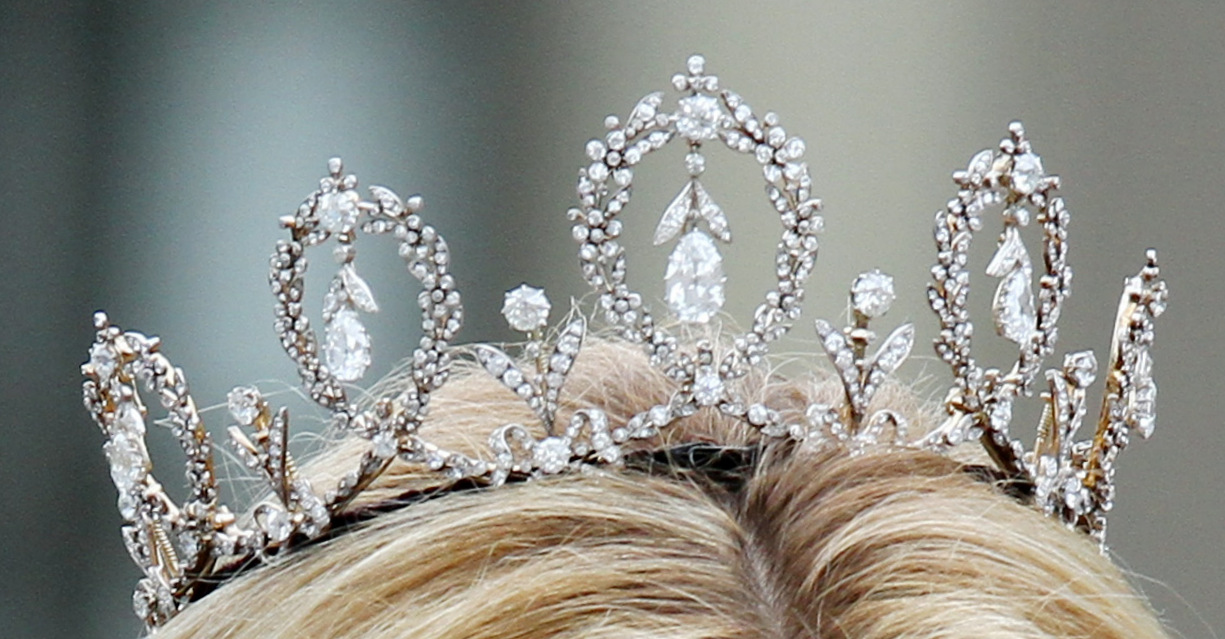
tiara

That’s when it all came crashing down. We don’t care what happened all those years ago, we only care for what’s more sensational. The more interesting story goes into school books — to become history. The more interesting a story, the more it’s spoken about. And we all know the more we talk of something — especially in schools — the more the chances are of it becoming a fact.

It’s quite sad that people are so used to telling and retelling facts as stories. Besides, how much of a difference would it make if the Queen wore a tiara instead of a crown; ​the tiara is the fancier word isn’t it?

What starts with a tiara grows on to elephant rides becoming horse rides, corn becoming cotton, and eventually ​Pakistan becoming India. It’s just a matter of time.

Is it the human craving for adrenaline that makes us morph the truth — or what’s commonly accepted as the truth — into something a bit more… racy?

What’s wrong with calling an execution an execution? Must we make it a chase and kill?

It’s all subjective; we’re are so used to talking about heroics and racing cars that we like to incorporate them in our narratives. The sad part of it all: we do it instinctively, we do it without care, we are so offhanded that in a way, we kill the essence of our History.

Sometimes, we just have to accept our forefathers for what they were — cowards. Sometimes we have to live with knowing they lived bad lives, and that they had priorities we deem unworthy. Because only when we accept history for what it is, can we learn and not duplicate the very lifestyles we mask with gossip.
What is The Chaos Within?

I often wonder what this blog is about. It’s been three years, and I still can’t seem to figure out which category my blog falls into.

chaos

Sometimes it’s frustrating.

“What do you write about?”

“Ah — just, stuff.”

“What kind of stuff?”

“You know — stuff.”

That’s my problem. I don’t have one definitive topic. I just write. Stuff.I’ve been thinking about it, and about what I can do about it.

And I’ve found an answer. This is not a parenting blog, this isn’t a DIY blog, not a lifestyle blog, certainly not a fashion blog — it’s a coping blog.

The more I think about it, the more it feels right. Mine is a coping blog. It tells you everything you need to know about someone who’s coping up with life. There are stories, poems and musings, but there’s also photos, quotes and books I enjoy.

I don’t write on one topic, I write on my life. And my life is a bit of everything, it’s a bit of everything mashed up. It’s the chaos within me.

Ah! Self-realization!

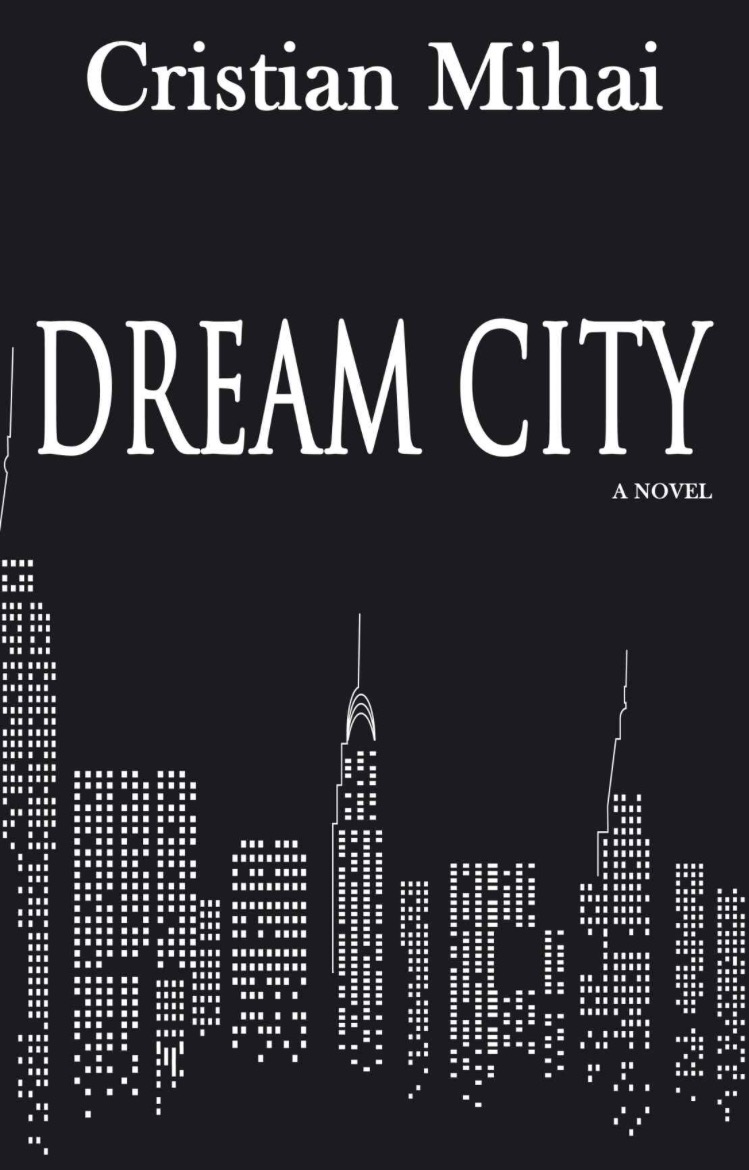
Crafting A Dream City

Cristian

I’ve been following Cristian’s blog for a while and I feel guilty each time I read one of his posts. Because though I’ve had his book on my kindle for a long time, I’ve never read it.

I should have read it sooner.

The one constant in the story is Cristian’s voice. He kept seeping through the words. There were either sentences he often uses in his posts or thoughts that every writer could relate to. The story itself is about artists, art and the consequences of choosing art.

I loved the story. And the main reason: simple words ringing hard in your ears. This book lingers.

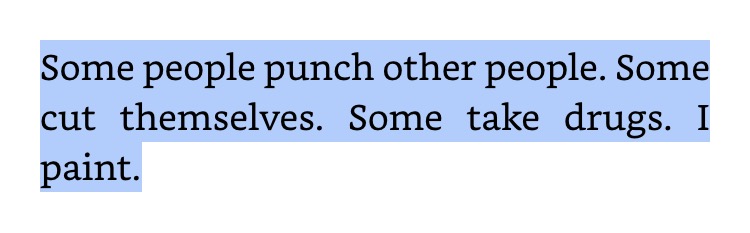
“But the truth is, what doesn’t kill you makes you wish it did.” – Cristian Mihai, Dream City

This is Cristian. Every syllable of that line screams Cristian. And it’s more; it’s every artist. And it was gripping that in many places, I felt the protagonist and Cristian interchange. Not just him, I felt myself intermingle with the protagonist too. Because the characters speak to you, and you suddenly realize their life is your life.

The author knows the pain of being an artist, and he translates the emotion with so much art.

Dream City

That’s it. The essence of everything we do.

Time for Some Romance

romanceI don’t much care for romance — well honestly, I hate romance.

I can’t bear to read through sensous words of love in which the boy and girl look into each other for exactly eight seconds before falling for each other. Remember this the 21st century and our protoganists are computer programmers and classical thinkers; statistics matter.

Why don’t heroes gatecrash parties anymore? And fall for the daughter of their sworn enemy? What’s wrong with falling in love with your first love’s cousin — when your first love didn’t reciprocate in the first place?

This is why I don’t read romance. Because it’s too primitive disguised as modern.

But since everyone from my mother to my brother and my cousins (which was all, actually) couldn’t shut up about Love Story, I decided to read it.

Don’t get me wrong; when I say Love Story, I mean the love story, by Erich Segal.

Unsurprisingly, I loved it. And something in it will stay with me forever.

What can you say about a twenty-five year old girl who died?
That she was beautiful and brilliant
That she loved Mozart and Bach.
The Beatles. And me.

That made me read through the book, and that made me open my mind to romance. In novels, I mean.

What Is The Point Of Writing?

writing

I like to write when I’m not doing anything else. And by anything else, I mean, eating, sleeping, or watching food porn.

Since I spend quite a lot of time writing — what, you ask? Well, don’t. Anyway, what is the whole point of writing?

When you think of it, it’s nothing really.

Most people tell you the point of writing is “To share with the world — things you can’t show.” or “To educate people about something.” Better yet, “To share feelings.”

Thing is, you can do all those stuff, without writing. Why write when you can tell? We all like to speak, so why write it down? Nothing we ever write will stand for eternity — preservation ended with great literates, there are too many people who write nowadays — we can’t preserve them all forever.

Then why bother writing at all? What’s the point of spending time and energy — not to mention paper, ink, or screen time — if you’re one of those technology buffs — on something that’s seemingly pointless?

Everything we ever write — thoughts, opinions, comments, detailed explanations, stories, poems — everything you can think of, you can also speak and record. Besides, isn’t spoken word poetry already a thing? And audio books?

So why do we still write?

Not one of the countless reasons really explains the need to write.

It’s Thursday and you’re at work. You’re bored and flipping through a magazine, and you suddenly feel like you have to write. Like your fingers want something to do — other than flipping glossy pages of size zero models. There is a sudden not-so-gentle nudge that wants you to drop everything else and just write. You don’t know what to write, or how to write; there are too many thoughts in your mind. It’s almost noon; you’re feeling mildly hungry; you’re thinking of that holiday you so badly deserve; the project that needs some final touches; then again the Caribbean holiday with boozy sangrias — before you realize you’re a little short of cash, and then — from nowhere — comes the thought that the following day your salary gets credited — after all those taxes, of course. But in the middle of all these thoughts, is something, a little lightbulb, a spark of light, that tells you to sit and write.

And that’s why we write.