
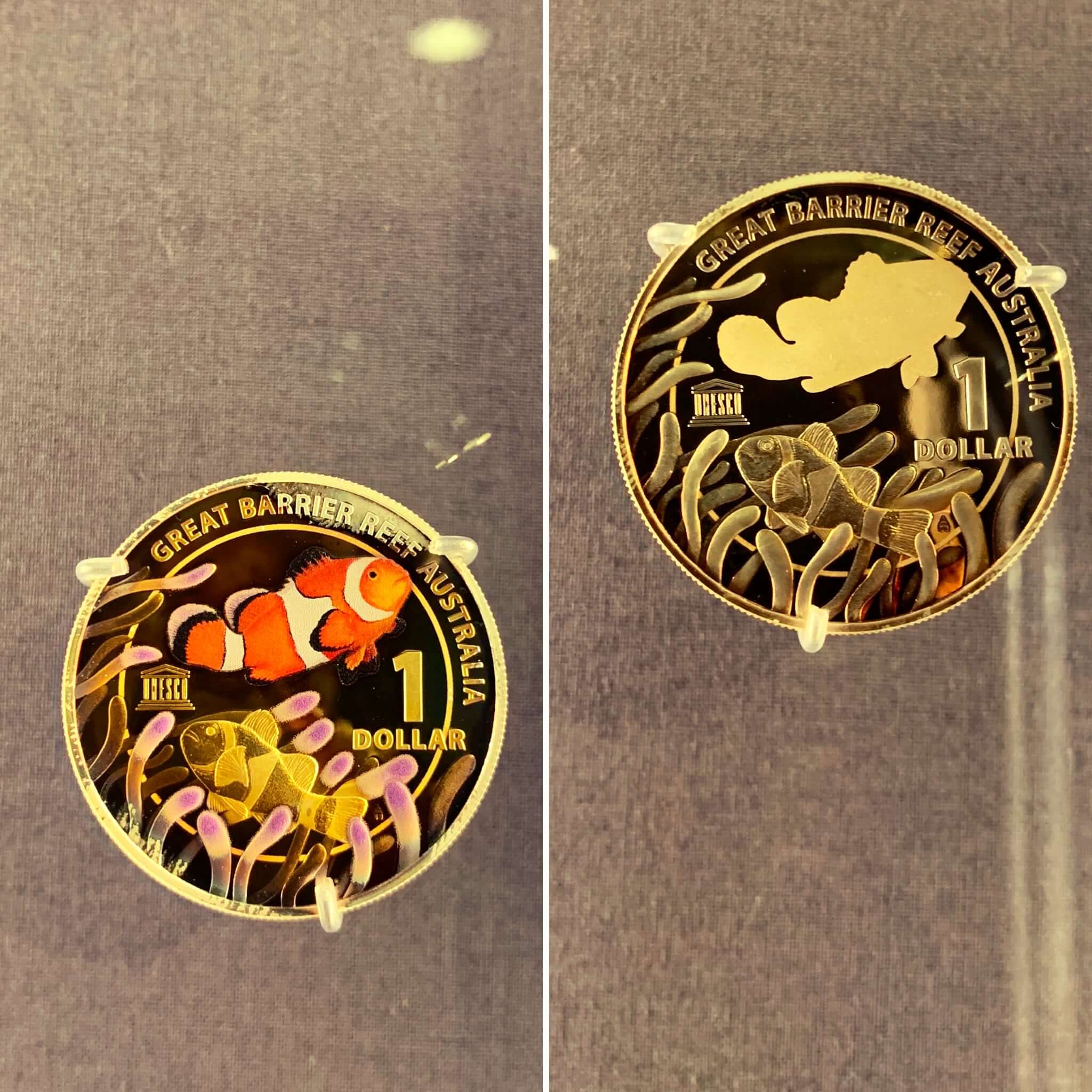
“Great Barrier Reef”
She mouths at the inscription.
Curves brows, “Dad…what’s that?”
Can a short story be haiku?
“Great Barrier Reef”
She mouths at the inscription.
Curves brows, “Dad…what’s that?”
Can a short story be haiku?
When I awoke this morning with nothing to do, I mused at the rarity of it. I always have something to occupy myself with over the weekends. After rummaging Facebook for a while, I concluded that I could either go to a street market, where I knew a few of my friends would be, or take a solo trip to the Royal Australian Mint—something I’d been putting off for a long time because it was just too far away.
The food market sounded fun, but considering I’d probably buy nothing and wander around aimless, I decided to do the wandering at the Mint instead.

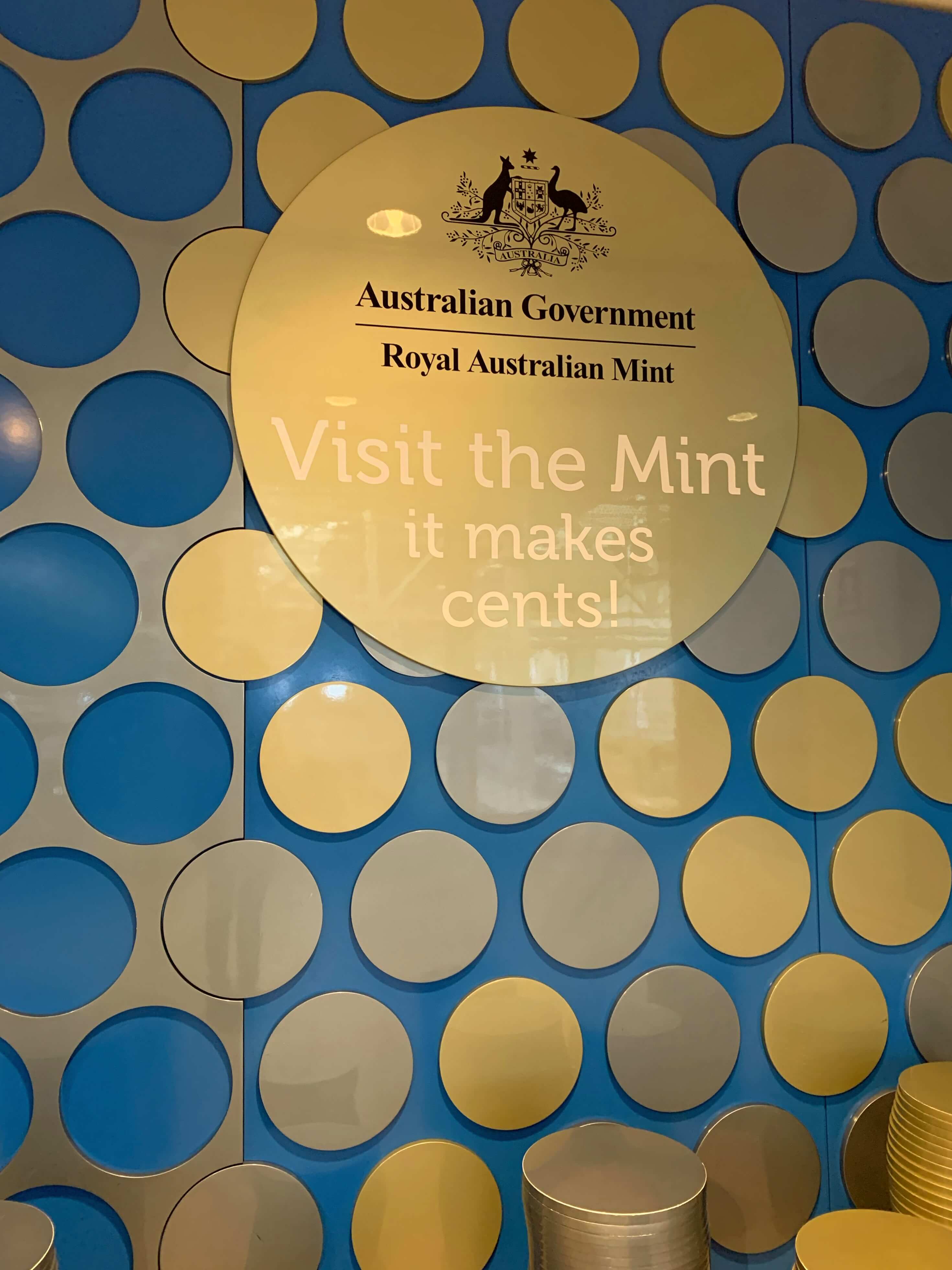
After two buses and about 45 minutes, I entered the building that runs Australia’s coin system. A big pot of gold coins greeted me. Next to it, a staircase led to the upper level and the main exhibition. Stepping upwards, I couldn’t miss the thousands of coins studded into the stairs.

On the upper level, famous Australian bushrangers greeted me in large cutouts. From time to time, the Royal Australian Mint makes comparative coins marking important events and people. This year, they’ve made a unique set of coins to acknowledge and appreciate the contribution of bushrangers to Australian cultures and stories. It was an excellent way to remember history’s villains, most of whom died in captivity.

Moving on, I entered a corridor full of stunning displays. Hundreds of coins marked the timeline of Australia’s currency system, dating way back to the first foreign coins found in shipwrecks. Since some of the first outsiders to arrive in Australia were prisoners and war slaves, most of their currency became the initial seedling for Australia’s current monetary system. These coins gradually replaced the natives’ barter system.

Walking my way down the timeline, I learnt how, from using coins of unknown lands, the country progressed to establishing a proper way to assess the value of these random coins. From there, they moved on to adopting the shilling-and-penny system that Britain was using. As a country, Australia was under the British reign for a long time, and it only made sense to use the same coins.

Then came the decimal period. From farthings and halfpennies, Australia went to cents and dollars. Displays showed how designers formulate the images and engravings that mark a coin. Looking at the detailing of each drawing, I was amazed to see how most of the coins in current use incorporate unique Australian fauna. There’s more to this country than kangaroos and possums. And sometimes, even though we handle and pass on these coins countless times every day, we don’t often pause to observe.

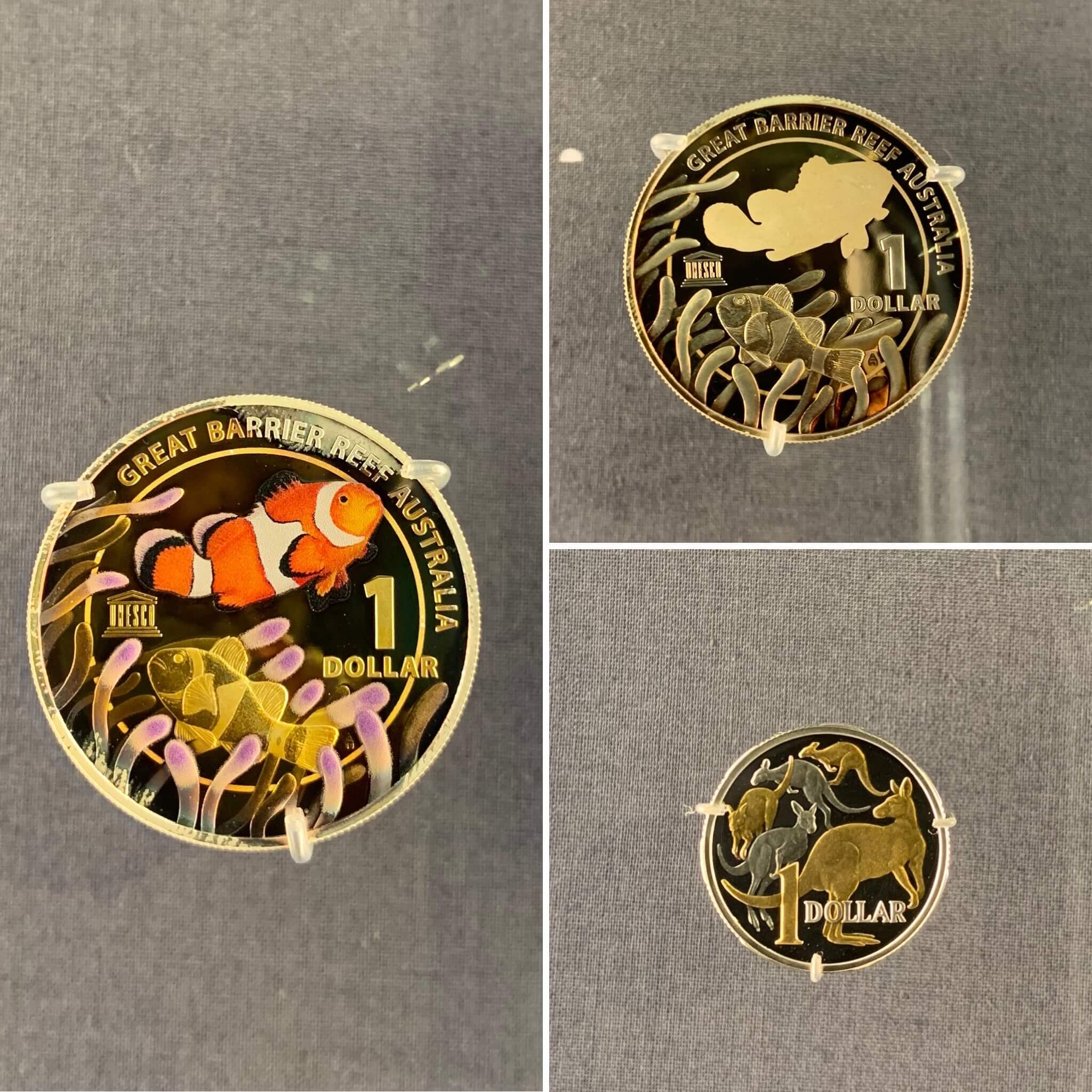
Apart from these coins, the Mint also had displays of other collectible coins and medals that it’s made over the years. There were 1kg coins in both gold ($3000) and silver ($30) marking the Mint’s partnership in the 2016 Olympic games. There were gold, silver, and bronze medals offered to winners at the 2000 Olympic Games in Sydney. Also on display were the medals presented at the 2019 INAS Global Games. And my favourite, three special coins celebrating the Great Barrier Reef.
It took me about an hour and a half to look and read through all the displays. From the various metal combinations tested for a single coin and the different designs they considered, to the actual robot that helps with heavy lifting and transporting during the minting process, the Royal Australian Mint has so much awe to offer. I’m glad I skipped the markets for this.
People often exaggerate when talking about the difficulties of migrating to a new country.
Of course, you don’t have any friends, and it’s painful to understand not only the ways of life, but also the regulations, policies, and many common practices that you’ve never even heard of before.
It’s been seven months since I moved to Australia, and I still have trouble understanding what the various organisations I often come across do. I can’t figure out the confusing superannuation (the employee retirement scheme), the expensive tax deductions, fluctuating supermarket prices, or the various insurances including health, dental, and ambulance. You can even get insurance exclusively to cover the cost of transporting you from home to the hospital in an ambulance. Holy sphinx, huh?
Yes—moving to a new place comes with the burden of understanding its culture and lifestyle. And it can take much longer than you anticipate.
However, aside from these significant issues that gnaw at your brain now and then, everyday life is pretty easy to adopt. For instance, I live on a day-by-day basis—I wake up, work, cook, eat, shop, walk, and sleep. That’s my standard day, with moderate modifications like meeting a friend, attending an event, or just wandering the parks because it’s a beautiful day. That’s how I’ve been living and haven’t had much difficulty adjusting to life in Australia.
It didn’t take long for everything around me to seem natural, and there’re only a few surprises that stun or destabilise me. I was in the bus a couple of days ago, and as the vehicle turned left in an intersection, I suddenly noticed how broad the streets are, compared to where I grew up. Then it hit me—I’m now so accustomed to these streets, the style of shops, and people’s mannerisms, that they’re no longer shocking as they were in my first week. At that moment, in the bus, I couldn’t believe I was living in Australia. It felt like a dream. And yet I’d lived through all these months comfortably adjusting and fitting into this lifestyle.
It doesn’t take long for a new person to incorporate themselves into a society. We think it does because not everyone feels at home in a new place. And that’s a whole other thing.
Until March of this year, my vocabulary had limited swear words, uttered sparingly and with extreme caution. Using the F word in any gathering that’s not your bosom buddies was a thing to frown upon, and you might even get a talking to from strangers and colleagues alike. It’s not uncommon for people to mutter it under their breath, but it was certainly unsuitable to say out loud.
Seven months on, and I now live in Australia. Though my swear vocabulary is still rather limited, I hear them in conversations around me countless times a day, in varying pitches. For instance, my non-Australian housemate, who’s lived here for four years, walked into the kitchen one morning. I was peeling papaya. He hey-ed at me, and I, him. He then opened the fridge and went, “Oh, fuck.”
That’s how we roll here. Most words deemed uncivilised and unfit, even for domestic use are casual and overused in Australia.
You hear these words in places and in situations that have no reason to have them. The reason my housemate said what he said when he looked into the fridge that morning is because there was some food leftover that he’d forgotten about. It was still good enough to eat, though. Besides, it’s not as if he worried about wasting either. Regardless, that situation warranted swearing.
My point is, swear words are so common that they’ve melded into everyday colloquialism. I knew it even before I got here, though. Refer to any website offering travel advice, and you’ll always have a note about says how heavy swearers Australians are.
It’s not just the F word. The C word gets around quite a lot, too. Chances are, you can’t and won’t have a regular conversation with any (or most) Australians without hearing the swear words a fair few times.
I’ve been here a while now, and it doesn’t bother me as much. I’ve come to realise that in Australian speech, these—and the many other swear words I don’t recall—are meant as emphasis words. Like literally in place of figuratively. Like actually, honestly, really, very, and all other adverbs that all writing guides cast away as unnecessary.
It doesn’t bother me since I’ve been here a while now. But I can imagine how gutting it would be for someone new—like my mother, for instance. Once, ages ago, burnt out after work, I swore in front of my mother. Recalling that incident, she asked me a couple of days ago if I’ve stopped swearing now that I’m no longer under the same stress.
“Of course, ma. I don’t swear at all nowadays.”
Well, at least that puts her mind at ease.
“Happy Wednesday!”
She called out to me, clicking her mobile phone off. We passed each other outside the shopping mall—I was going in, and she out. Her leggings, shirt, braid, and hat mostly comprised of pink—which often is an immediate turnoff for me. However, that bubblegum look did catch my eye, and she caught my eye for a quick second, enough to smile widely and wish me a great day.
Instinctively, my face broke into a wide smile, and I responded with an enthusiastic “You too!”
This was new to me. And as I turned back to face my path, the smile on my face was fixed, ecstatic for no good reason. Perhaps she sensed it, for “Pass it on!” she waved after me.
“I will!” I meant to say, but it came out as “Thanks!” instead.
Regardless of what I said, for the next few moments I felt elated, as if I’d won a competition and nothing could bring me down. All of a sudden, I wanted to yell at the couple and their two children walking ahead to have a great day. I didn’t, though, because a lot of folks I’ve seen in my neighbourhood aren’t too receptive to strangers addressing them.
That said, my good mood continued throughout the day. I remembered that woman and her flip phone, and imagined her wheeling her travelling bag down the street, cheering up many other people’s lives.
It was a small gesture, negligible some might say—a smile and a greeting. But it made such a difference to me. And it made me think.
It costs us nothing to be friendly, and yet so many of us walk the streets with impassive expressions, eyes cast down, afraid to look at the person walking past us. We meet new people and mechanically say “hello” and “how are you,” not even looking at them. As they speak, we nod but don’t listen. We converse and co-exist without knowing or understanding the other person.
Not everyone’s like this, I admit. However, I have come across a lot of such people. Enough to know that that’s what makes the lady in pink so special. She stood out from the masses—she was bold, and became an encounter I cherish.
It’s nice to be nice. It’s contagious.
 The Chaos Within