The Death of Children

“Now, at three and a half, you’re a little lady. You have your own friends, your own stubborn opinions. All this is super. But, I’m sad because now you come and tell me about the Buddhi Mai coming to get you, the ghosts in the dark, and a hundred other fears. My baby, you grew up loving the dark, enjoying the sea and you reached out to people. Now you withdraw from people, looking for Buddhi Mai in disguise. You cry in the dark and you are afraid of this magnificent sea. Who put all that garbage into your lovely head, baby? I shouldn’t be asking. I know this answer. It’s the other children, your friends, who tell you this. And how can I be angry with them? I can only be angry at the twisted minds of the grown-ups who put these fears into the minds of children to make them behave.”

— Excerpt from “Ramblings on a beach” by Kabir Bedi

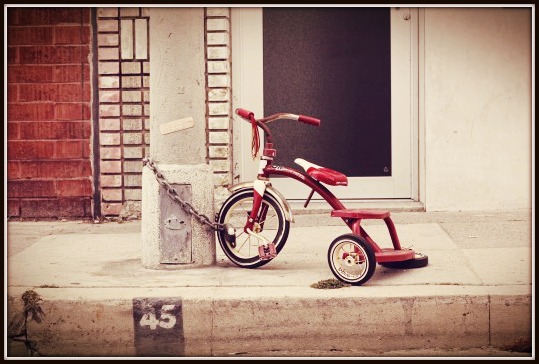
death of children

Adults are so boring that they’re destroying the innocent with them.

We complain that children are losing their innocence; they know more than we did when we were their age, they act differently — which some adults claim to be mature, and they are no longer children.

Some blame technology, but it’s really our wrongdoing.

My parents let me explore, learn and discover the elements of society — both evil and good ones. They didn’t scare me away from wandering with stories of madmen hunting children. They didn’t threaten me with monster attacks just so I wouldn’t be myself. I was a child, and children are curious. They are mischievous. And just because parents can’t handle children for the way they are, doesn’t mean they have the right to curb a child’s nature — in the name of discipline.

We’re losing our children. Soon, we won’t have children anymore — just smaller people who are too afraid to explore and express their potential. Just as adults are.

And all we would do is complain. Just because we couldn’t accept innocence for what it is.

The Partition, and What it Means to an Unconcerned Indian

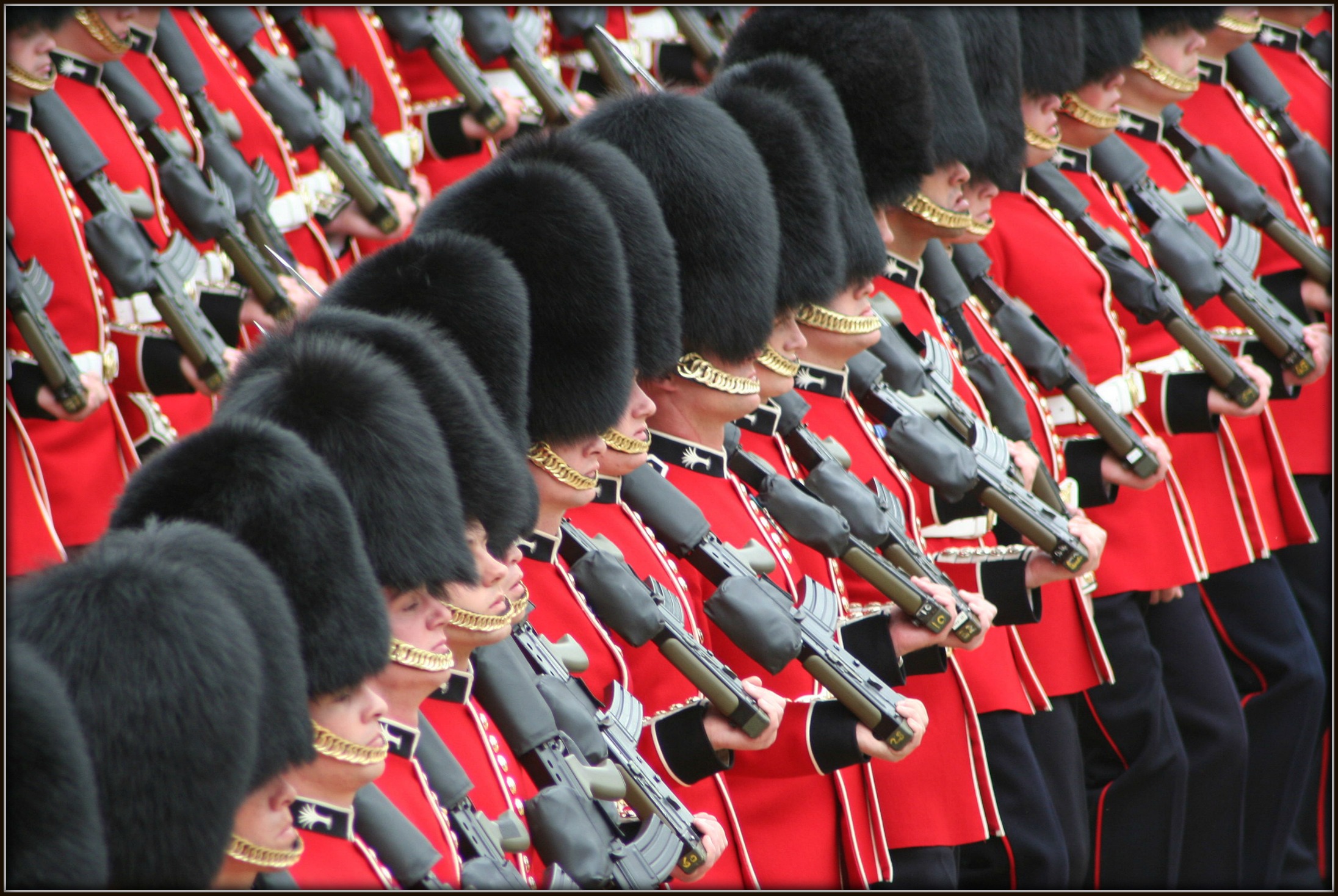
Welsh soldiers

It’s time to grieve.

Because it looks like the Great Britain I’ve known since forever and have adored, will stop being.

I know nothing of English politics. Or the politics of Scotland. Hell, I don’t even know the politics of the country I call home. (That, I don’t care for much)

It won’t affect me in any way, but I will grieve if Great Britain breaks.

Ever since I remember, Great Britain has been a huge part of India. Whatever India is today, is partly everything the British gave us. From food, to railroads, to pants and shirts — everything that the modern Indian society takes for granted, is borrowed from the British. Oh and the Literature!

It’s so deeply etched in Indian history that it pains to think that the name that made us, will be no more. Over the years, I’ve come to look at Great Britain as the forerunner of what we are today.

Yes, we hate the British for insulting Mother India, for using our men for cheap labor, and all other crap Indians say on Independence day. But, the image of Great Britain is still something I look up to.

Jokes of the partition, saying who’d get Hogwarts after the partition, are far from funny – even for a HP fan. Come to think of it, I’ve always imagined the Big Ben as the icon of Britain, and I’m guilty of overlooking the 2 other countries that completed the name.

The Scots want their country identified, to step away from the shadow they’ve been in for 300 years. They have every right to vote for — I’m even a little surprised it didn’t happen sooner. They’ll face a lot of challenges as a separate country, and that’s only natural. But in time, Scotland will be a stable country, and I wish them well.

But that doesn’t mean I am not disappointed. The British name has affected more than Scotland. Soon a lot of Wikipedia articles will be altered, and starting there, we’ll see less and less of Great Britain and Britishness.

It’s no easy partition. Psychologically.

These Are a Few My Favourite Books

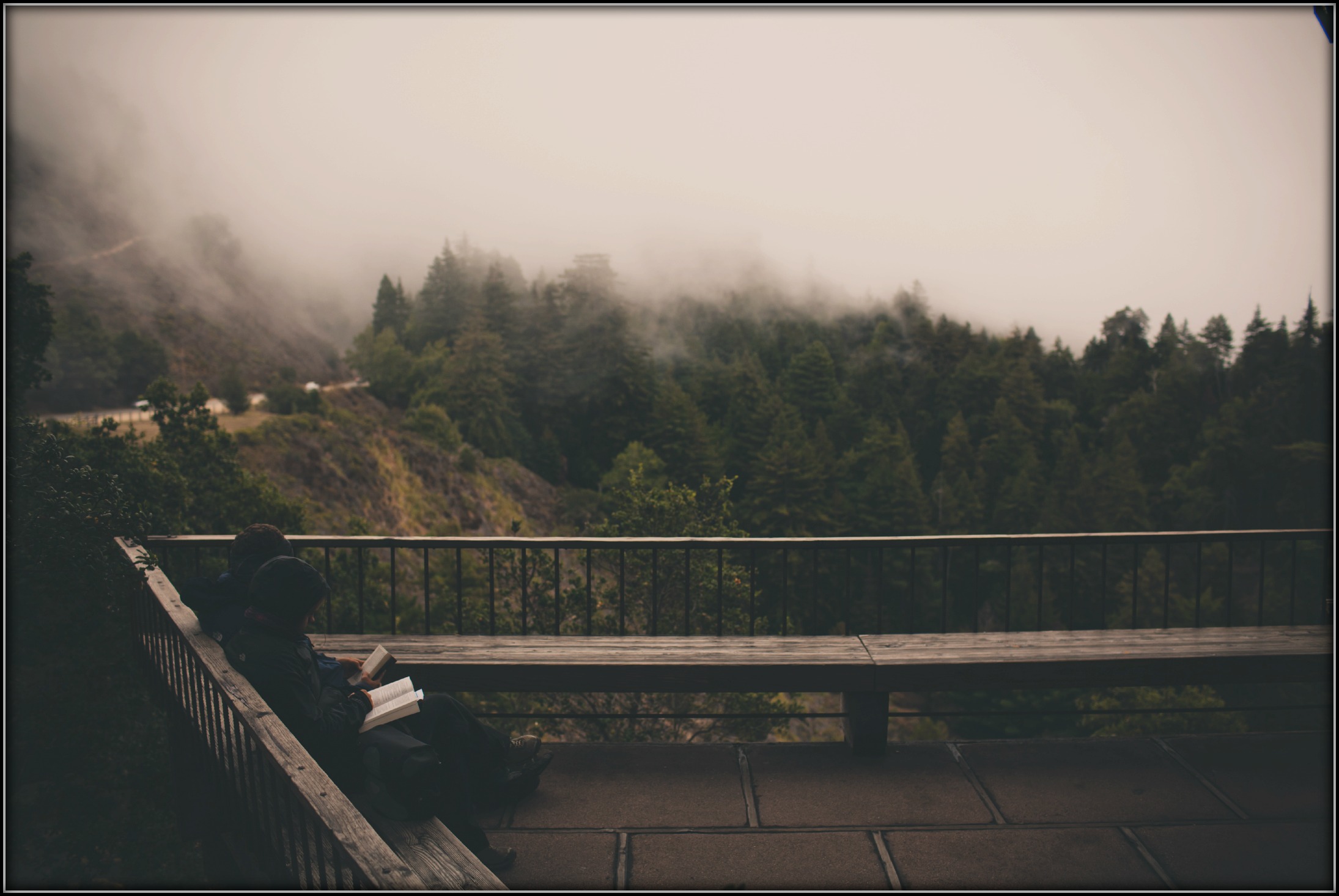
reading 2

I’ve been into books for a long time, and over time, I’ve had a lot of favourites. These books made, completed my childhood, and some of them I still turn to whenever I’m tired of the world. (Which is, a lot of times)

So, when I realized that IndiSpire had the perfect prompt for this week, I decided to take the plunge. Here’s a list of 10 of my favourite books. In no particular order,

1. Poems for Pleasure: I love reading poetry. I don’t know why exactly, but there’s a sense of peace that engulfs me whenever I curl in a corner with this book. There’s also a sentimental value to this book – my mother bought this in a second hand sale ages ago, and she gave it to me when I first started writing.

2. Tuesdays with Morrie: I watched the movie first and was so impressed when I learnt this was a book. It’s a small, simple book, but it’s so relatable. You can’t help but agree with the ideas expressed in the book. It’s quite amazing what an ALS patient has to tell the world. Wonder what Morrie would say about the Ice Bucket Challenge?

3. Harry Potter and the Order Of the Phoenix: It’s not the only HP book I like, but there’s something about Harry’s fifth year that strikes me hard. I remember not wanting to read this after I heard of Sirius death in this part. But ever since I read it, my love for Sirius has only increased.

4. Eragon – #1 of The Inheritance Cycle: I was so surprised when I read that Christopher Paolini was only 15 when he finished the first draft of this book. This isn’t the best book I’ve ever read, but it is a special book. I was captivated by the simplicity of the narrative. Surprisingly, Eldest (#2) and Brisingr (#3) weren’t that great. And I didn’t read Inheritance (#4)

5. The Adventures of Sherlock Holmes: I can’t claim that I’ve read all of the Sherlock Holmes adventures, but of the few I’ve read – I’ve never been so impressed. What an amazing man, Sherlock Holmes! Everytime I think about Sherlock’s powers of deduction, I can’t help but imagine what kind of a man Arthur Conan Doyle would’ve been!

6. Agatha Christie: Again, I haven’t read all of Agatha Christie (quite impossible, actually) But of the ones I did read, I was impressed with her writing and the complexities of her plots. “Minute,” that’s how I describe her crimes. Particularly, The Mirror Crack’d from Side to Side. No wonder she’s the Queen of Crime!

7. A Christmas Carol: This is the first book I ever reviewed. Once in our English class, we were asked to write about “my favourite book,” and I chose this. That’s when I first learnt that when you write about something you’ve read, you get better at explaining your thoughts.

8. Les Misérables: I stayed up until 4 AM reading this book. It was a translated copy of Penguin Publications that I had borrowed from my school library. Great story, and the quotes are still etched deep in my memory: “Unwitting innocence is sometimes more penetrating than cunning.”

9. Wuthering Heights: A love story like no other. I often wonder how the literary world would be if Emily Bronte had written more than just this one book. But perhaps that’s her greatness: one book that shook the world. This book remains my favourite story of love to this date, no competition.

10. Enid Blyton’s classics: Childhood is incomplete without Enid Blyton. What hasn’t she written about? Adventure series, The Famous Five, Secret Seven and The Find-Outers mysteries, The Malory Towers and St. Clares for school goers to relate to. And so many other books every child should enjoy.

The list doesn’t end with these books though. There are countless other books that didn’t make the list, but still deeply affected my life.

Remember the Tinkle Digest? Suppandi, Shikari Shambhu, Tantri the Mantri and all those comic characters that made boring days bearable – ah, this prompt makes me nostalgic.

Epic Understanding. Finally!

I read a new book.

For a long time now, it’s been artcles and magazines online. It felt so good to feel a physical book again. I’ve been trying so hard to finish reading at least one book, and I’ve been repeatedly failing. But this one was different. I could sense it as soon as I started it.

It’s a work of fiction. From a novice writer; Kavita Kane. It’s “Karna’s Wife: The Outcast’s Queen.” And it’s a nice book.

Karna's Wife - The Outcast's Queen

It’s longer than “Immortals of Meluha,” and I can’t help but instinctively compare the two. Comparing in the sense, not as in ‘compare and contrast the stories of…’ (Phew! How glad I am that I’m not in high school) It’s more of musing of how similar both of these novels are.

“Immortals of Meluha,” the first book of the Shiva Trilogy was a fictitious account of the life of Shiva. Whereas this one is a fictitious account of the life of a warrior’s wife.

“Karna’s Wife” is self explanatory. It’s about Karna’s second wife, Uruvi. The whole story is spun from her point of view, but we get a glimpse of the elder wife, Vrushali, and her seven sons. And I didn’t even know Karna was married in the epic! (I like and know of Karna only because of a movie that portrayed him well. And that movie said nothing about Karna’s wives.) The title itself came as a shock, but the story steadily got better.

I also got to know the background story of the Mahabharath. It was the epic I never understood. Yes, I didn’t make too much effort to understand it, but the Ramayana was much simpler.

With a hundred brothers on one side and a quintet (they don’t sing, by the way) on the other, the Mahabharath is a battle of cousins. The “good” predictably wins, but it depends on your perception of good.

It’s a twisted tale. Where the good warrior (Karna) sides with the evil Duryodhana just because he is his friend. Karna knows well that Duryodhana will exploit his brilliant archery skills against the mighty talented opposition. But nothing falters his affection for Duryodhana. Not even the knowledge that he’d walk into Death in the war. Because, Duryodhana was the only person to give Karna the respect he deserved. (Everyone else abhored Karna because they thought he was of a low birth and was not worthy of being a Kshathriya (a warrior))

Ah, the friendship is supposed to make you tear. And even if you know it’s stupid of Karna, you will feel the sadness when he dies.

That’s how great epics work. And the author has captured it well. It was good enough for me.

The more I read about writing, the more I recognized the too many adjectives in the novel. Perhaps I use a lot of adjectives too, but I realised it only while I read the book.

That’s a lesson for me to take as well.

Coming back, “Karna’s Wife” will keep you hooked if you like to know the Mahabharath story. But of course it’s fiction and will contradict with a lot of other versions of the Mahabharath. Overall, this is a good book to read on a lone Saturday afternoon.

On the train…

People rushing by,
Fields of bean n soy,
Scent of fresh made cake,
All smiles, not so fake.


I’ve signed up for a new online course from the University of Iowa: How Writers Write Poetry. It’s a six-week long course, and that’s my submission for the first class. It was a pretty long video, but it was totally worth it and really enjoyable.

If you’re a poetry fanatic, check this course out.

There’s more from where that came from. How Writers Write Fiction – Starts September 27th 2014.

And hey! If you decide to join either of these courses, do let me know.