
I just read that to glitter for one month, the city of Rio de Janeiro had displaced 80 000 of its citizens.
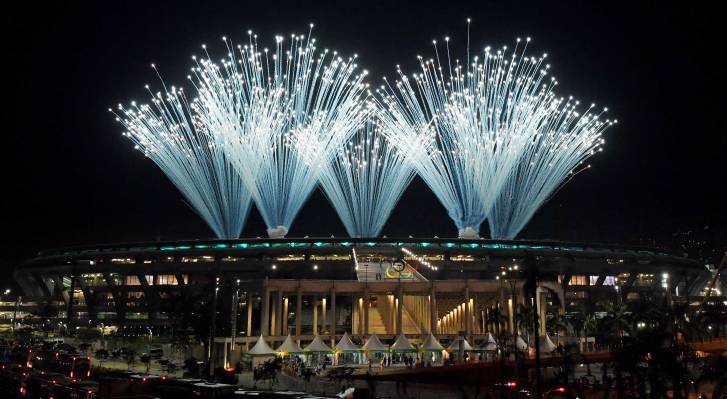
If that doesn’t shame a country, I don’t know what else does.
The Olympics is a big deal, sure. It’s a mass congregation, the world’s largest sports convention, the holy godmother of all sporting events, yada, yada, yada.
And while the rest of the world saw the sugar, spice, and all other things nice, reality shoved its ugly face on the people of Rio. They wouldn’t have liked the idea of the entire world coming to — taking over, rather — their home.
It’s not just Rio. We saw a similar picture the last time Olympics went to London and Beijing before that. Countless glorious venues now lie barren and play host to a meagre number of tourists. And to make matters worse, the Bird’s Nest costs $11 million a year just to maintain. And nothing worthwhile came off setting up the Olympic Village either.
As for Athens, the first Olympics I cherished, went $15 billion above their budget to put on a show that’s now in disarray and disuse.
Millions of people thrown into the labour of making these stadia, setting up seating, and fitting in lightings— all for attendees staying less than a month. So much time, money, sweat, and blood shed for the vain pride of hosting Olympics. And at the end of glow and show of sportsmanship, the rings get rusty, and we go back to hating each other.
Nothing about the Games was a game to Rio’s now homeless, squashed under its crushing weight.
And here we are, just days after the closing ceremony, complaining on Facebook that another country outperformed us in track events. We should, instead, be ashamed; blinded by our so-called national pride, we ignored a nation that groaned under the pressure of treating us assholes for a fortnight.
We somehow played a part in uprooting the lives of 80 000 people, and that makes me guilty. Some of those people were school children, pregnant women, infants, and single-meal breadwinners. Even budding athletes.
Come to think of it, Rio 2016 (and every Olympics before that) could’ve destroyed a generation of future sportsmen and women.
 The Chaos Within