Uncanny relationships

They hadn’t had a proper conversation since their farewell at college five years ago. Martha had pursued cookery and, as seen on television, did a fine job. Merlyn, on the other hand, realised her long-time ambition working in a farm. Not only did she graze with goats, eat goat cheese, and drink goat milk, but she preferred open valleys over open offices.

When Martha called the supplier of her last catering gig, she didn’t know it’d be Merlyn. They hadn’t had a proper conversation since they’d seen each other last—and discovered a love triangle with their best friend Jason.

Zorba: The unlikeable yet likeable

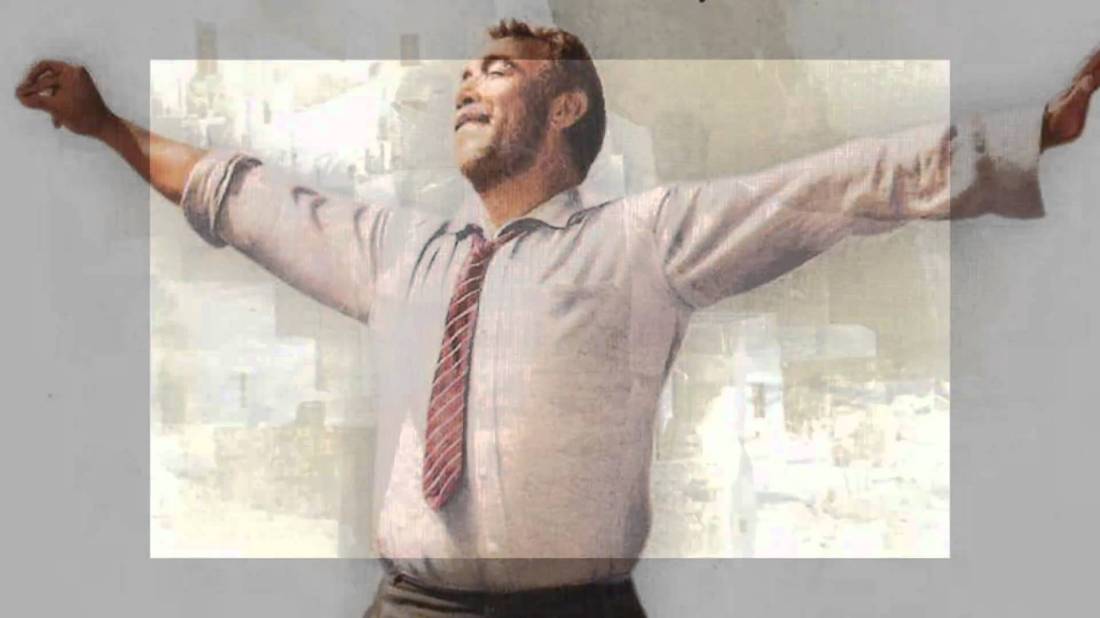
Zorba

You don’t often come across a book that inspires, confuses, and offends you at the same time. Zorba the Greek did all of that and more to me. Though I’d heard of the title before, I only pursued it because my brother recommended it. He’s not an avid reader, and so since he cherishes it, I guessed I would too.

Through the first few pages, I started to get bored. It seemed like any other fiction — a writer and his friend travelling abroad. It wasn’t clear where they headed or what they intended to do there. My only impetus to keep reading was the hope that a flash of interest would hit me as I turned some page. That page didn’t come for a long time, and I slacked in the mean time. Other priorities came up, and some days I just fell asleep even before opening the book.

It didn’t help that I was reading a misaligned PDF on a digital device. After eight hours at work, the idea of staring at the screen didn’t excite me. Regardless, I snuck in at least an hour on most days. Needless to say, it took me longer to read this than any other book. But that’s not because of these petty situations.

The real reason — I realised later — Zorba took me longer than I’d expected is because Zorba is an idiot. I couldn’t get my head round to like his weird personality that a world of avid readers adore. I hated him. Everything he says seemed to trivialise women, casting them as the weaker sex. He insisted on protecting and respecting a woman, and how when a man does all that, she’d offer herself to him like a slave. As if to prove his point, he takes advantage of a lone woman pining for love. He showers her with praises, gifts, and sweet talk until she falls in love with him and croons for marriage. I felt disgusted. And I couldn’t help but wonder why literature celebrates such an egomaniacal character.

As I read on, however, I realised that he wasn’t bad. Although his speech is fake, his intentions aren’t. As a reader at that point, Zorba’s character evolved so much, displaying an uncanny ability to express love toward the woman he’d seemed to have used. It was only as the story progressed to more aggressive scenes that I understood Zorba reveals his characteristics bit by bit, and it’s almost impossible to assess him midway through the book.

Not only does he express his care for the woman he’d seduced, but he also shows empathy as he fights for and defends another woman who the townsfolk mauled. To me, Zorba then rose from manipulative to compassionate.

While it’s the underlying characteristic I gauged from the narrative, throughout the book Zorba does other little things that hard to hate. Where we speak our mind, Zorba’s unique attraction is that he dances, instead. His playing the santuri, living as if he’d die at any moment, working like a dog, his extensive philosophy of existence—everything of his everyday habits is aspirational to say the least.

“Luckless man has raised what he thinks is an impassable barrier round his poor little existence. He takes refuge there and tries to bring a little order and security into his life. A little happiness. Everything must follow the beaten track, the sacrosanct routine, and comply with safe and simple rules. Inside this enclosure, fortified against the fierce attacks of the unknown, his petty certainties, crawling about like centipedes, go unchallenged. There is only one formidable enemy, mortally feared and hated; the Great Certainty.”

As page after digital page I flipped, I admired Zorba. I still hate that he patronises women and is shameless in thrusting his opinions on others. Regardless, I saw that while Zorba is everything that’s wrong with humankind, he’s also everything that humankind should persevere to become. Not only is Zorba’s character flawed, but it’s also philosophical—a realistic portrayal of human qualities. As I shut the book, I felt as if I’d spent my time in the company of an ordinary human—one who’s good and flawed. In the end I’ve acquired the ability to see through both qualities in Zorba, and still respect him for himself. It’s as if I now can discern the difference between an opinion and the person who holds that opinion. After all, opinions change, people often don’t.

Redefining parks

A park is a large garden or area for recreation. It’s set in a natural surrounding, and is well-groomed for the public to enjoy. When you think of parks, you think of kids flying kites, dogs chasing their tails, and couples on a tryst. Nothing about the word park indicates wilderness and untamed trees. At least not to me. From where I am, parks are mild areas, havens for kids and pets. You’d see a bunch of manicured trees and bushes lining the circumference of the park, and often, swings, merry-go-rounds, slides and ladders, among other play things. A typical park includes not only enthusiastic people on their toes, but also older folk walking or meditating. Having grown up with that image, it’s an understatement when I say the parks I went to in Seattle were wild.

I visited the Lincoln Park and the Faultleroy Park in southwest Seattle, and both redefined the word parks for me.

The moment I saw Lincoln park on the map, I knew I had to visit. Not only is it located in an interesting intersection, but it’s also a massive triangular-shaped piece of land. When I got down at the bus station, facing me was a wall of towering trees. To my left were trees and to my right were more trees. In front, a small path led straight within to whatever the trees surrounded. Beyond the first few tens of steps, I couldn’t see anything but the dark interior of more trees. Nonplussed, I began walking to the left searching for an indication—a sign, a gate—to entering the park. Finding no help, I saw straight ahead. There was only one way left to go.
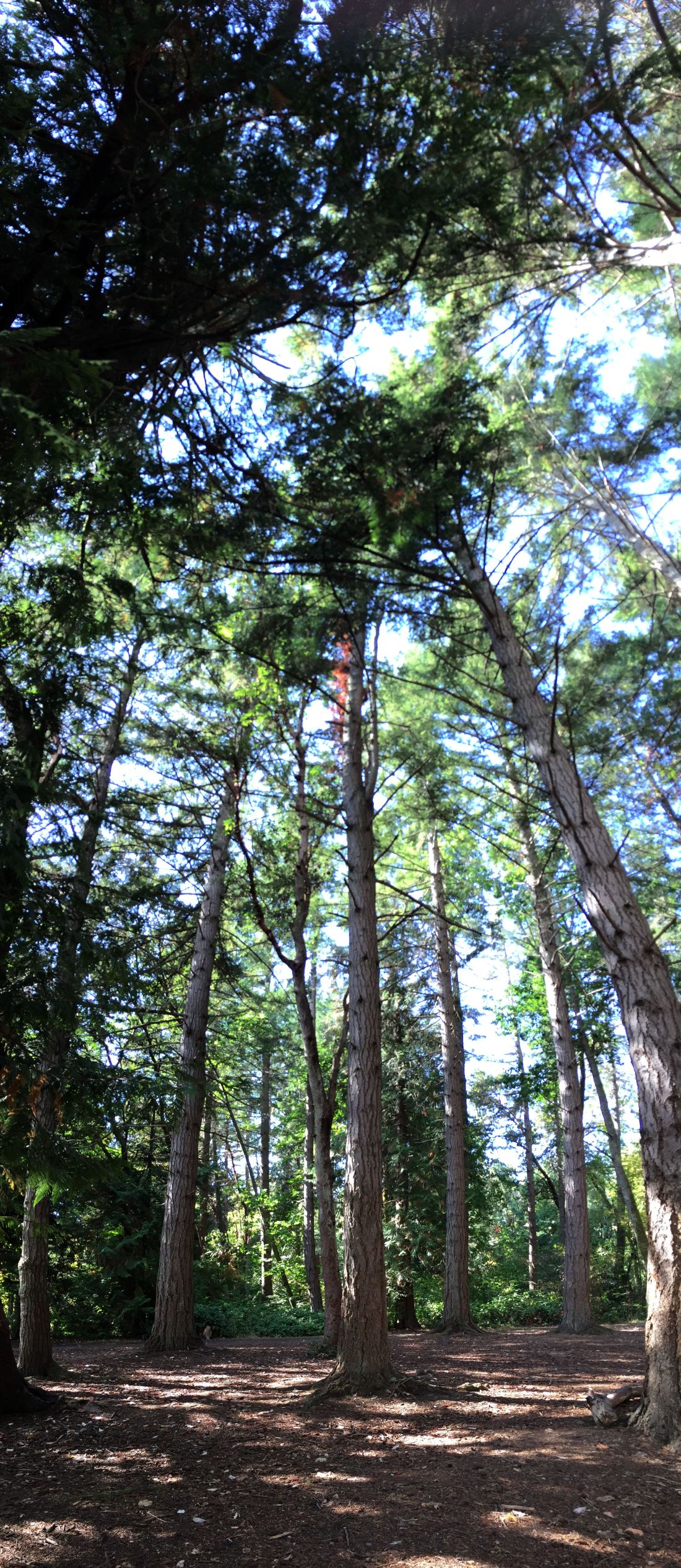
Lincoln Park 1

Despite it being midday on a waning summer day, as soon as I stepped into the shades of the trees, coolness engulfed me. It felt as if I’d walked into another, much colder, world that drowned the noise of humankind, giving way only to the melodies of birds and the rustling of leaves.

The trail led me on, and I followed unable to differentiate between the path I was heading and the path I should’ve headed toward. Only greenery surrounded me. Unlike a supposed walkway, the path appeared more like a beaten track. It’s as if thousands of footsteps everyday had trodden it into existence. And yet, although so many people traversed through the same way, no authority has cleared up the sideway. And I’ve never been more thankful.

Although trees and wild bushes grew all over the place, the walk within the park itself wasn’t stressful. I felt extreme joy as I grazed past overgrown weeds and overhanging branches. That’s the greatest thing about the park: it’s lack of civility. Experiencing nature in its natural form seemed the only natural way to make an afternoon useful. And for a nature lover as myself, a day amongst centuries-old trees is a day well spent.

Lincoln Park 4

After a while, still seeing nothing but dense trees, I wondered if I’d lost my way. Looking at the map, I realised multiple tracks in the park led to the tip of the triangle—the ocean. I sped up, eager to see the end of the trail. My path twisted and twirled, but when I approached the end of the track, I was standing on a large, leafy rock looking down at the sea. Turning left onto the path that led downward to the ocean, I felt excitement rising within me. When I reached the bottom, the entire ocean sprawled in front of me, bluish water studded with the sun’s reflection. Just watching the sea, for longer than I know, was a treat.
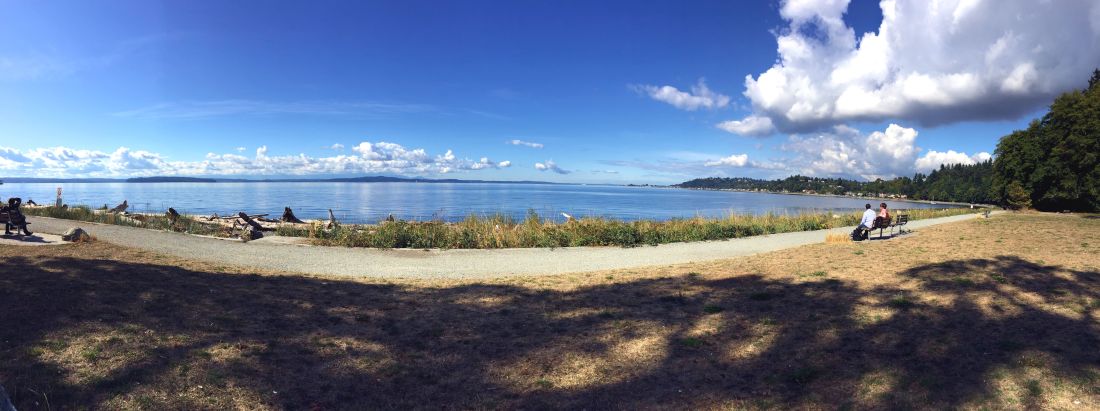
Lincoln Park 2

Along the coast, I followed the trail leading back to the street. On my way to the sea and all the way back, I saw plenty of dogs with their humans. People choose any of the many trails and, walking with their pets, it’s an everyday exercise for the feet and a necessary trigger for regular bowel movement.

Smiling to myself, I couldn’t believe how wonderful the park was. The Fauntleroy park was the same. With countless trails, all starting and ending in different streets, both parks were a mystery to me. It didn’t take me long to realise I couldn’t ever explore all the trails. It left me in wonder, knowing there’s a world of eye candy so close to me, and yet so far. It was a lesson for life: you often have many options, and everything changes based on the path you choose.

Speaking truth

A leader proclaims:
mankind’s proclivity for fakery;
its propensity for violence
and prosthetics to happiness;
the attempts to prolong life,
while prompting change,
unseeing prospective growth
uncaring of progressive efforts;
its focus on self promotion;
blurriness for natural produce;

As the good leader proclaims
the foolhardiness in process
public protests ensue.

Seasonal

It’s that time of year again — when we learn to forgive ourselves and each other for all the negativity we’ve inflicted on our world. Battles go on at our borders, fires rage on in our forests, and famine sweeps off our country folk. Tomorrow would be the same—our environment, our reality, and our lives will all remain the same—but now’s not the time to worry. Now’s the time to wish all joy to the world.

Today we celebrate our love for humankind, forgetting the hatred and the jealousy that shroud us during the rest of the year. Today, we wish each other—today I wish you all a Merry Christmas and a Happy New Year. Tomorrow would bring normality back into our lives, but until then, I raise my glass to you.