Bring Me That Horizon

I’m a sunrise person. I’d stay up all night if I have to, just to catch sight of the first rays of sunshine. And of all sunrises, one stands out in my mind clearer than any other. This one:

bring-me-that-horizon

It’s not the clearest of photographs and the sun wasn’t at her best. But it’s a special sunrise, and it was my best day ever. I stood on top of a mountain that lay between the Kangchenjunga and the Himalayas.

The sun would rise anytime after 5.30 am. But the scenic spot was so popular that we had to be there by 4.30 am if we were to get a good standing place among the thronging crowd. It was 10 degrees celsius.

I was all enthusiastic, and nothing could stop me from getting sight of the first rays. And we stood, braving the biting cold, checking our chattering teeth, and blowing on our hands to bring back the lost sense of feeling. An old woman and her daughter made a fortune selling coffee and acting as guides, they explained why we were wise to come early. Because as it neared six, the entire area had filled up with buzzing human voices and the muffled noise of people rubbing their palms together.

It was a long wait, and with every second it became harder to stand. There were no places to sit and we couldn’t move away from our vantage spot without losing it to another other group craning their necks for a glimpse of the soon-to-arrive sun.

And then it started. The process began about half hour before the sun came up. From a bold black, the horizon went to a navy, to light pink, and then to mild orange. The bamboo trees on the edge of the mountain swayed to the breeze, opening up to welcome the warmth, and far ahead of us, the surrounding mountains became a silhouette. Moment by moment, the sky turned lighter forming layers of colour.

My phone doesn’t recognise a gloved touch, so I removed them to get a picture. I tapped on the little round button on the camera five times before I realised my phone didn’t recognise near-frozen fingers either. After several minutes of rubbing my hands against my sweater, I managed to get a single photo of that sunrise. And every time I look at it, I think I’d give anything to be there again.


incredible-blogger-marathon-challenge-2

I’ve signed up for the Incredible Blogger Marathon Challenge. It’s a ten-task-challenge that can span up to fifteen days. This post is my response to the second challenge: Freeze a Foto.

A Perfect Match

Think brothers, sisters, and friends since childhood. Think Sponge Bob and Patric, some nuts and spice. Think Pisces and Scorpios. Or  Apple and Steve. Think Holmes with his Watson, rum and some raisins. Think PB and jelly sandwiches, or mac and cheese for dinner. Think red think  full, think white and light, and wine while you dine. Think chocolate with chocolate, pumpkin in a pie, or just tea and cake. Think toddlers with paint, and teenagers with selfie sticks. Think plays and  Shakespeare. Think Wyatt and Surrey, and a cupboard underneath the stairs. Think blueberry and pancakes, bacon and eggs. Or, just you and I — the perfect match.

incredible-blogger-marathon-challenge-1


I’ve signed up for Prakash’s Incredible Blogger Marathon Challenge. It’s a ten-task-challenge that can span up to fifteen days. This post is my response to the first challenge: Phrase a Paragraph.

Making the Meaningful Meaningless

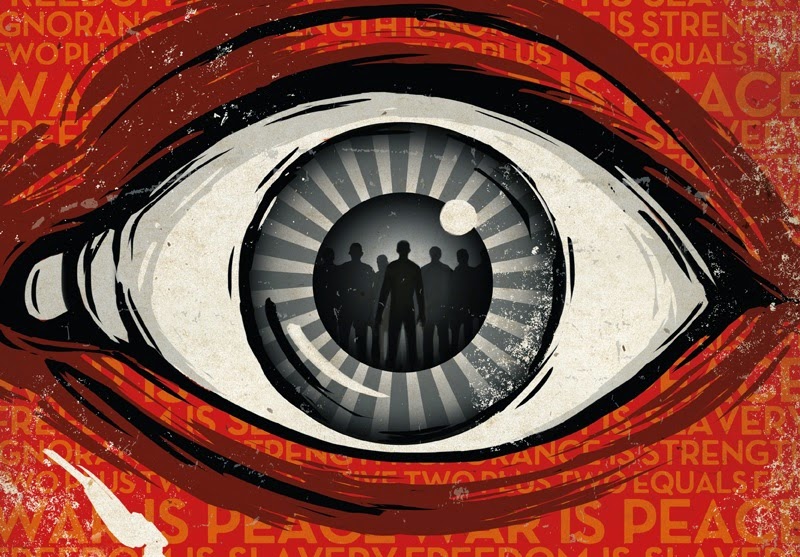
So many of my friends had told me about the wonderfulness that’s 1984. The book, I mean.

big-brother-1984

I, however, never had the chance to read the book, until now. I started reading it a while ago, and as much as I’d love to get through it in one sitting, reality keeps distracting me. Nevertheless, every chance I get, I try to sneak in a page or two in the least. And with every page I turn, I turn over a new perspective.

I haven’t even crossed a hundred pages yet, and yet every statement hits me hard in the face making me glad I’m not in 1984. To say that Orwell has a way with words is an understatement. He twists and warps simple words to suit his needs and instills fear and aversion in the reader.

As a lover of words myself, when I took in words that claimed it was a beautiful thing to destroy the words themselves, I felt my deepest horrors renewed.

After all, what justification is there for a word which is simply the opposite of some other words?

That’s a way of looking at words, unlike any way I’d come to accept. Words, for me, are not just means of expression but also means of expression in every wild way imaginable. It’s wonderful that we have so many different words describing the same thing; it’s what gives rise to rhyming words and rhythmic prose and just plain readable writing.

In the end the whole notion of goodness and badness will be covered by only six words — in reality, only one word. Don’t you see the beauty of that, Winston?

I don’t. I don’t see the beauty of it, and instead, I see only the barrenness of it. What’s the point of communication if you can’t communicate as you’d like to? If we could strip down the English language to a mere handful, then that would become the end of human interaction. We’d speak to convey messages and not ideas. We’d talk sense but wouldn’t talk from our senses. We’d think we’re free to speak, without realising we’re free from language itself.

The book throws terrifying ideas. It outlines everything that could go wrong with the world, and everything that could happen as a consequence. And shocked though I am, it makes me want to keep reading.

The Tale of a Boy at Sea

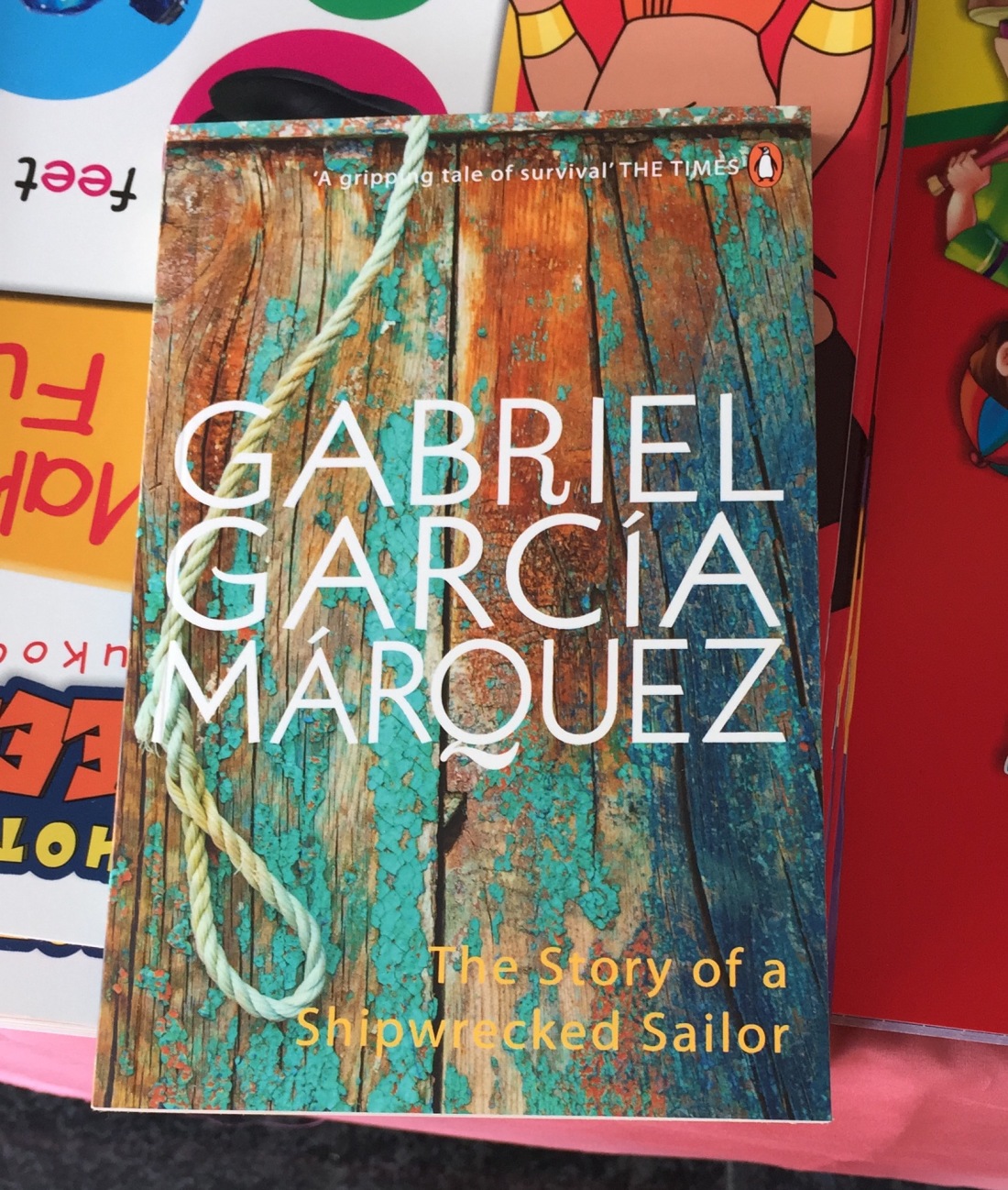
Yesterday, I read a unique book that chilled me to the bone. It wasn’t the curious case of an unsolvable mystery, it wasn’t a multi-murder crime thriller, and it wasn’t a sweet romantic proposal story. It was the tale of a young boy stranded at sea for ten days.

It’s not Life of Pi, but I wouldn’t blame you if you had thought so. That book is ever more popular after its movie counterpart. However, the book I just read is “The Story of a Shipwrecked Sailor,” and the author is Gabriel García Márquez.

the-story-of-a-shipwrecked-sailor-gabriel-garcia-marquez

It surprised me too. I had never heard of Márquez writing such a book. But I was curious. It was a small book, just about 100 pages. And yet as I held the book in my hands contemplating whether to buy it, all my sense of reality told me I should opt for an ebook, instead, because it would take far less physical space. I asked a friend to help me decide, and he warned me that Amazon would have the same book, for a lower price.

And so when I was almost convinced I shouldn’t buy the book, I flipped the book over and read the epilogue. That’s when I realised: this was Márquez’s first book. That piqued my interest. Besides, the cover was gripping, and it even had a review from The Times that called the narrative, “A gripping tale of survival.” And at that moment, I took a chance. I lost all sense of common sense and decided to go for it. After all, I had nothing to lose.

I’m glad I made the decision. I know I shouldn’t have gone by just the cover of the book, but this is one of those times when the gut and the cover got it right. It’s a simple story, in the first person point of view. A boy in a ship leaves for Colombia after being in port for six months. He set out homewards, to his family and soil he could call his own. In the middle of the sea, however, disaster strikes and all of his shipmates go down. He holds on to a raft and survives the sea—amidst sharks, hallucinations, hunger, and thirst—for ten days. He then makes it to land and becomes a national hero.

It’s typical and predictable in all aspects. But the best part of it is that the author narrates all the typicality and the commonness of it in such a matter-of-fact way, that you can’t help but keep turning the pages. You’d want to know what’s coming, even though your sixth sense tells you it’s nothing great for the hero.

The story reeks of emotion. You feel for the hero. When he stretches his neck looking for land, you stretch with him. When he plunges his hand into the sea trying to catch some fish, you gasp knowing that the sharks are waiting around the corner. When he wonders how shoes taste like, you’ll find yourself imagining the taste on your tongue. And as he tries to pry out the soles of his shoes, you wish you could pry it with him.

It’s an ordinary story, but it gives you an extraordinary experience. I now know why Gabriel García Márquez got a Nobel prize for literature.

All Will Be Well

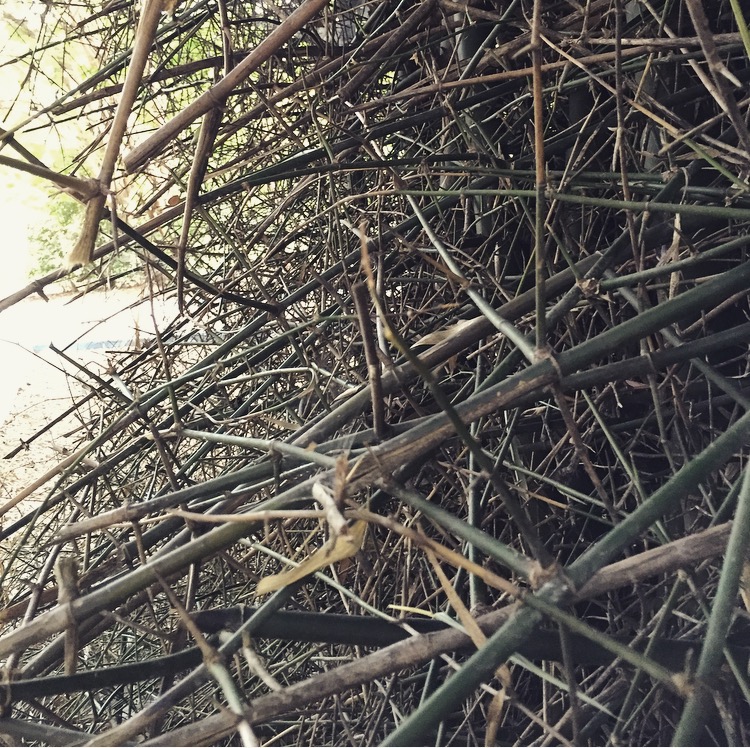
When you’re so unsure of yourself, when you know nothing’s going your way, when all around you there’s nothing but thorns and roadblocks, you should take a walk.

And that’s what I did one Sunday afternoon. I walked around the Vandalur national park looking for a sign from the trees and fresh air around me, something to help clear my head.

I saw a bunch of dried branches, all piled together and jutting out in odd corners. And all of a sudden, I felt calm.

I stood staring at it for a moment before realising that sometimes even the earth falls into chaos. That doesn’t mean all is lost, though. It’s a sign; from chaos comes composure and reassurance that all will be well.

chaos