Of daylight savings

A lot of my friends overseas whine at having to rewind their clocks twice a year. Living in a country where daylight savings wasnโ€™t a thing, I tried my best to sympathise with them and nod along as they apologised for missing meetings, and ranted about how the change was disrupting their lives.

Now though, I live in a country that does have an official system of daylight savings. About three weeks ago, Canberra went from AEST to AEDT, which means we have now turned our clocks an hour late. 

I couldnโ€™t care less about it. 

I understand that people working defined times in a day would be thrown off by the sudden shift. But it didnโ€™t affect me in any way, except giving me an extra hour of sleep every morning.

Aside from that, I donโ€™t understand why the rest of the world gets so upset when the clock turns. Itโ€™s a mild, temporary, adjustment that we get used to within a couple of weeks.

I donโ€™t see purpose in physically delaying time. So why complain and make a big deal of it?

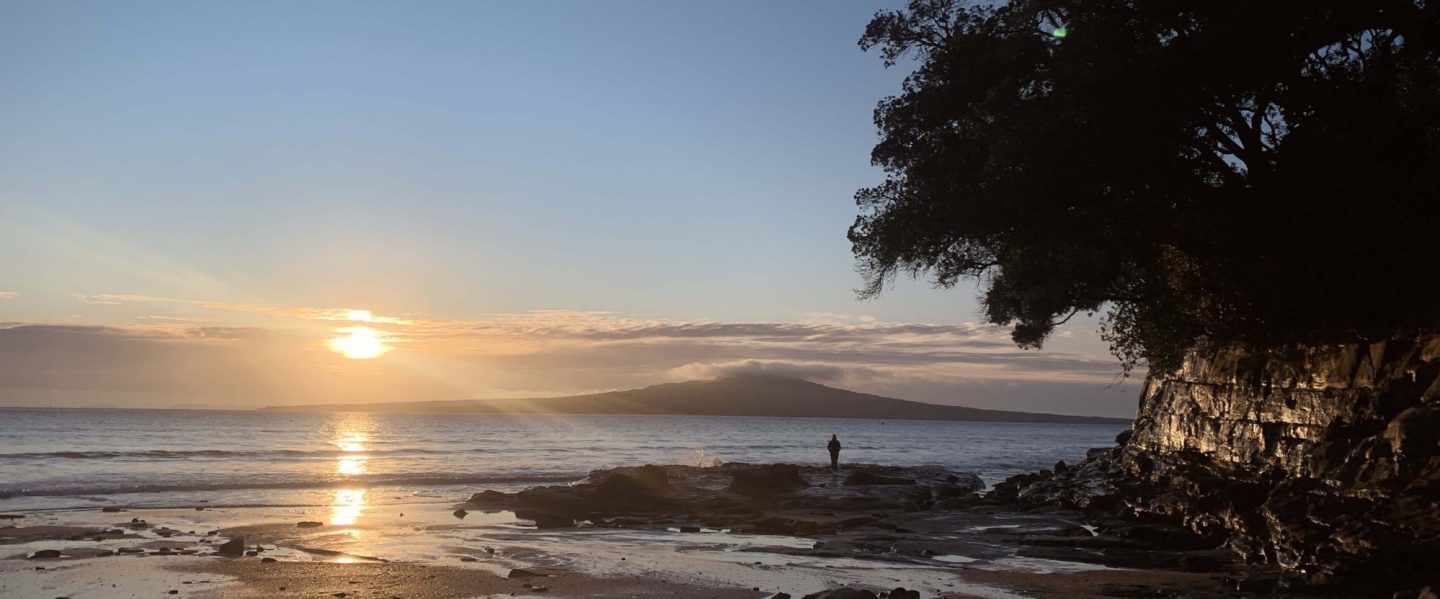
When I look through my bedroom window, at 6 pm, itโ€™s bright, sunny, and warm. Iโ€™m amazed that I can spend another couple of hours wandering around the lake before it gets too dark to stay out without a flashlight. (Itโ€™s not hot yet, and Iโ€™m not looking forward to summer.)

My point is, weโ€™re getting so much daylight in a day. When nature herself gives us more than we could ever ask for, we shouldnโ€™t be worrying about petty things like human made clocks.

If we just stop trying to fit time into our constraints, perhaps weโ€™d be happier and notice all the time that we do have in our hands.

It’s good to get lost

When I woke up this morning, I didnโ€™t want to be around people. It just wasnโ€™t a socialising day. Within minutes, I decided to get lost in the Australian National Botanical Gardens.

The first time I went there, I was a traveller. A high-energy trekker, equipped with a backpack full stuffed with a jacket, cap, water, and snacks. And I tried to cover the whole area in one dayโ€”because thatโ€™s what I do when visiting a new city. I crave to see everything, experience everything in one visit. As a result of that over ambition, I lost my way in the gardens, strayed from the main path every time I saw a flower or a streak of sunlight glinting through a puddle, and ended up missing a few parts of the garden.

This time, I knew better. I had a plan, a purpose. I chose a trailโ€”the eucalyptus walkโ€”and decided to stick to it. 

Except, I got lost again. It took me longer than it shouldโ€™ve, but I went around in circles before finding my way back on to the trail. 

And you know what? Itโ€™s ok. Itโ€™s ok that I got distracted by plants, that I gravitated towards weird shaped-branches and odd-named bushes. Itโ€™s ok that I didnโ€™t follow the trail exactly as it was mapped. Because at the end of the day, itโ€™s not about seeing them all. Itโ€™s about appreciating what you did see. 

And I saw a lot.ย 

Of stories

When we read, we lean into a whole new world. A world full of people, things, and situations that intrigue us, entice us, trigger our agitations, and in the end leaves us in a blissful state of wanting more.

Reading is escaping into a realm that we donโ€™t expect for ourselves. Itโ€™s a getaway, if you will, from the harsh realities of our everyday lives. Whether itโ€™s from the kids rattling in their rooms, their joyful squeaks echoing through the thin old walls, wooden floorboards creaking even at the weight of the lightest in the house, or from the pending laundry, unattended work emails, or dirty dishes, we all use stories as a way to avoid facing what we eventually must. 

After all, the imaginary world is so much more interesting than our melting, sweltering real world.

As I marvelled this, I realised that not only readers ignore the piling mound of boring routine. Writers do too. Perhaps thatโ€™s why they are writers in the first place. Not only is writing a way to avoid the rest of the world, itโ€™s also an intense form of empowerment to create your own.

When I write a story, I often donโ€™t deviate from the way things are around me. I draw inspiration from people I see every day, from paths I wander, from music I listen to, and the conversations I engage in. However, these references donโ€™t always reflect on the story. Instead, I twist it to my fancy. Even something as simple as the shape of a cup could be wildly incorrectโ€”improper. That doesnโ€™t mean a tea cup could be as impractical as a trophy cup, but itโ€™s still the writerโ€™s choice.

When you think o fit that way, the art of reading and writing stories is an act of going against what humankind has made acceptable and natural. 

Itโ€™s a way of rebelling, of protesting against normality, against the agreeable. Sometimes itโ€™s as basic as a black man walking down a white neighbourhood, and sometimes itโ€™s more aggressive as big brother watching you.

Stories are more than just stories.

There’s a process

Iโ€™ve always thought poetry was self-expression. And so for a long time, whenever I sat down to write, I let my emotions reverberate through my bones, ebb into my fingers, and onto the screen. 

It seemed like the natural thing to do, and any alliteration, assonance, or metre that came with it was an added advantageโ€”a happy co-incidence. Certainly not a concentrated, contrived effort on my part.

Then I learnt my idea of poetry was total bonkers. 

Sure, I still write when the muse takes over my mind and I donโ€™t have to work as hard to string words into meaning. However, I also met people, actual poets, whoโ€™ve published in many esteemed places, talk about the process of writing poetry.

Thereโ€™s a process?

Indeed, there is. From a couple of panel discussions at the Poetry on the Move festival, and from many observations that dawned on me during the weekend, Iโ€™ve realised that poetry doesnโ€™t just hit you like a flash of lightening in a storm-studded sky. 

Instead, itโ€™s a conscious effort to twist memory and wring out emotions within, to recollect and relive life instances, of the time we knocked into a tree, too busy looking at the phone, and of the next time we attempted to consciously sidestep the tree only to realise that was goneโ€”sacrificed, cut down for construction.

A poet I heard recently said she needs at least three hours to write one poem. 

Thatโ€™s when it hit me. Art, regardless of form, isnโ€™t subconscious. Itโ€™s meticulous and deliberately delicate.

The world seldom respects that.

Can poetry be true?

When you sit down to write, you write what you see, what you feel. What you think you see and feel.ย 

When you sit to write, you write your realityโ€”the world around as you know it. The wind tap-dancing on still lake, leaves turning their faces away from the heat, and creeping ants powering through mountains to their anthills.

But reality isnโ€™t always spring blossoms rippling lakes. Itโ€™s fear, inequality, and hatred too. Itโ€™s about persistently enduring unspeakable acts.

Reality ruffles the mind. Inspires, frightens.

Whether itโ€™s about nature, economy, science, or injustice, poetry stems from real life. 

Poetry stingsโ€”triggers tears and fears. Poetry shoves its unbrushed teeth against our faces, sending marred breath down our spines, churning our stomachs, making gruelling truths known.

As fresh grave awaiting body, poetry waits for the poet to fill it up with mangled words pulled from the depths of their heart, real words twisted, anger and love channeled in the right direction, feelings embalmed, and dressed up ready for display in all its grandeur.

Poetry reeks of truth. And in the process of creating poetry, the poet, as folding a dough into itself, digs into themselves, to find truth they never knew was within.

If everything is real, poetry is everything. And if nothing else is, poetry is.


I recently attended a poetry festival calledย Poetry on the Move. One of the discussions was about reality in poetry. This is what I came up with as I mulled over that topic. Here’re some more thoughts from the festival: What should poetry be?, Whatโ€™s the value of poetry?,ย andย Labels.