
As Woolf said

Virginia Woolf said that a woman must have money and a room of her own if she’s to write fiction. Here’s how I take it: For a woman to succeed — or get any work done that’s worth talking about — she needs to have a room of her own.

When I first told my parents that I wanted to find a place of my own, they refused outright even before considering my concerns. I don’t blame them; they’ve become conditioned to believing that every girl moving into the city for work or going off to college needs a roommate who can watch out for her. And I don’t deny that’s every bit as true and that their worry is as every bit as valid.

Except that I wanted a room of my own.

Having lived all my life in a shared space, both with my parents and then with my brother, I craved something that I could call mine. It didn’t happen right away, and I ended up spending my first two years away from home in a shared home and hostel.

Now, at last, I have a room of my own. And I see what Woolf intended.

Every time I walk into my room, I walk into a space that looks and feels just the way I want it to. My clothes are right where I leave them — one day on the floor, another day on the shelf. My toothbrush nuzzles between my pyjamas so that I have to fish it out every evening, a small jar of ground coffee perches on the top shelf, pleading with me in silence for a coffee date. And the book I’m reading at the moment lies on top my favourite shirt, the sleeves clouding the title.

When I walk into such a sight after a long day at work, I have only thing in mind: there’s no place else I’d rather spend the rest of my evening.

When I first moved in, I didn’t know how having a room for myself would change me. I didn’t know that I would enjoy the sunlight streaming into my room through the thin yellow blinds, I didn’t know I’d wake up every morning feeling enthusiastic to face the world, and I didn’t know that I’d come to rely so much on the non-decorative, cream-coloured walls of my room to comfort and hold me whenever, regardless of my mood.

It’s been just over a year now, and even though I’m not the best tenant to the room, the room — my room — has been the perfect host.

There’s nothing special about my room. There’s no wallpaper, no posters of Hollywood actors eyeing me, no streamers or balloons to incite the neighbour’s kids.

My room is so plain that anyone but me wouldn’t want to live here. The mattress is my furniture, the floor my dining table, the shelf my pantry, and the doorknob my clothes hanger. In short, my room has become my abode, a place where I can think outside of my head, wake up at 2.50 am to write, and let my creativity run amok without a person to judge.

I enjoy going out, but at the end of it all, all I want is to come back to my room and stare at my walls. Or read a book with a coffee by my side. Nothing makes my day more complete.
Inevitable change

“You know I’m right, Beth. This is the only we earn. We won’t survive otherwise. Look around.”

Bethany did. One by one, cubicles emptied every day. Her colleagues were leaving either by choice or by force. It didn’t matter how they left; they left because they had nothing left to do at work.

The Beacon had been glorious once. People woke up excited to read what they had to say about the world. Their opinions were legend, and guest columns envied.

That was before emagazines.

“It’s fine to tailor the facts. That’s what media does.” Mark convinced lead editor, Beth.

What’s the point of reality television?

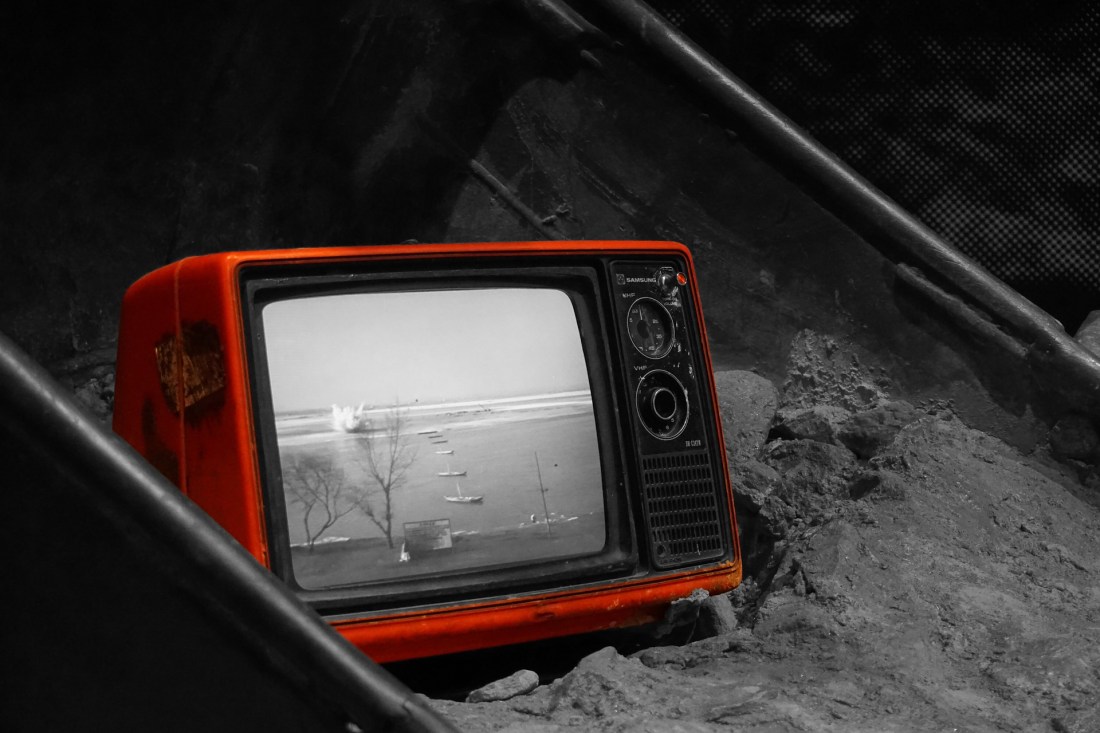
If there’s one thing that drives the television industry, it’s our persistent craving for potato chips and late night binges. We’ve contained the meaning of entertainment to a single idiot box from which comes forth loud music and wailing that we glare at with widening eyes and dropping jaws.

Come to think of it, we’ve become so reliant on television shows that we no longer have time to rise from the couch to watch the sun set. We no longer have the motivation to wake up at dawn, and we don’t even have the simple sense to leave the couch for water. Why should we, when Bay Watch is on and the roommate is passing by the fridge?

Reality television has made us lazy. We’ve run headlong into a devil that’s reality. Not trying to overdo the graphic here, but television shows nowadays do more harm that the good they claim to do. Not only do we spend more time sitting idle, snacking, but we also seldom realize what’s happening around us.

It’s not unlike mobile phones. People complain that youngsters nowadays are so busy staring at their phones that they don’t even talk to the person sitting right next to them. Television shows aren’t much different. For instance, when I reach home after work, my roommates are busy biting their nails over what’s happening in X Factor, all the while stealing glances at their phones to check if they’ve received a reply on their WhatsApp chats. Not that I care much, but I’d rather go out to the terrace and take a breath of the monsoon breeze grazing along the horizon. Or take a peak at the waning moon, and count the days left until the next full moon. Or better yet, stare at the moon long enough until I think I see the American flag flapping away. For me, that’s more of a fun evening than wondering who’ll become America’s or Australia’s next top model.

I understand, though. We toil hard enough and want nothing more than to unwind at the end of a long work day. And television shows are a great mindless activity to get our minds away from the gruelling tasks of everyday life. So I don’t blame my roommates for not spending more time outside. What I’m unhappy about, though, is by using work stress as an excuse to plunge into a stream of television-watching, we’re only stressing our bodies and minds even more. It seems petty to me to have a heated argument over lunch about who’s a better singer in a country halfway across the world, on a show that’s running only for the rocketing ratings it brings to the channel. Also it’s a little sad that we depend on unknown faces and satellite connections to entertain us.

In the end, we’d have spent all our time either working for others’ benefit or worrying about others’ lives, losing ours somewhere in between the first and the second ad commercial.