As an arts student in school, I had a hard time mingling with the science kids. For them, I was the one who read literature, making fiction the reality of my life. Whereas they micro-examined every organism, demystifying the nature of life. For them, I was nothing but a flimsy girl who walked around with her head in the clouds. My, they were so arrogant at times.
Most science students had the same egotistic attitude, and I so I began hating the elite that was science. Pity, since I enjoyed drawing sketching the heart, naming its parts, and narrating the story of how during inhalation, oxygenated blood runs through the veins, reaching every organ while deoxygenated blood travels through in the opposite direction. It was fun to create poetry about the body—for which I had to know about both. It wasn’t meant to be, though, because I didn’t want to become a bully as they.
I held on to literature, letting science off.
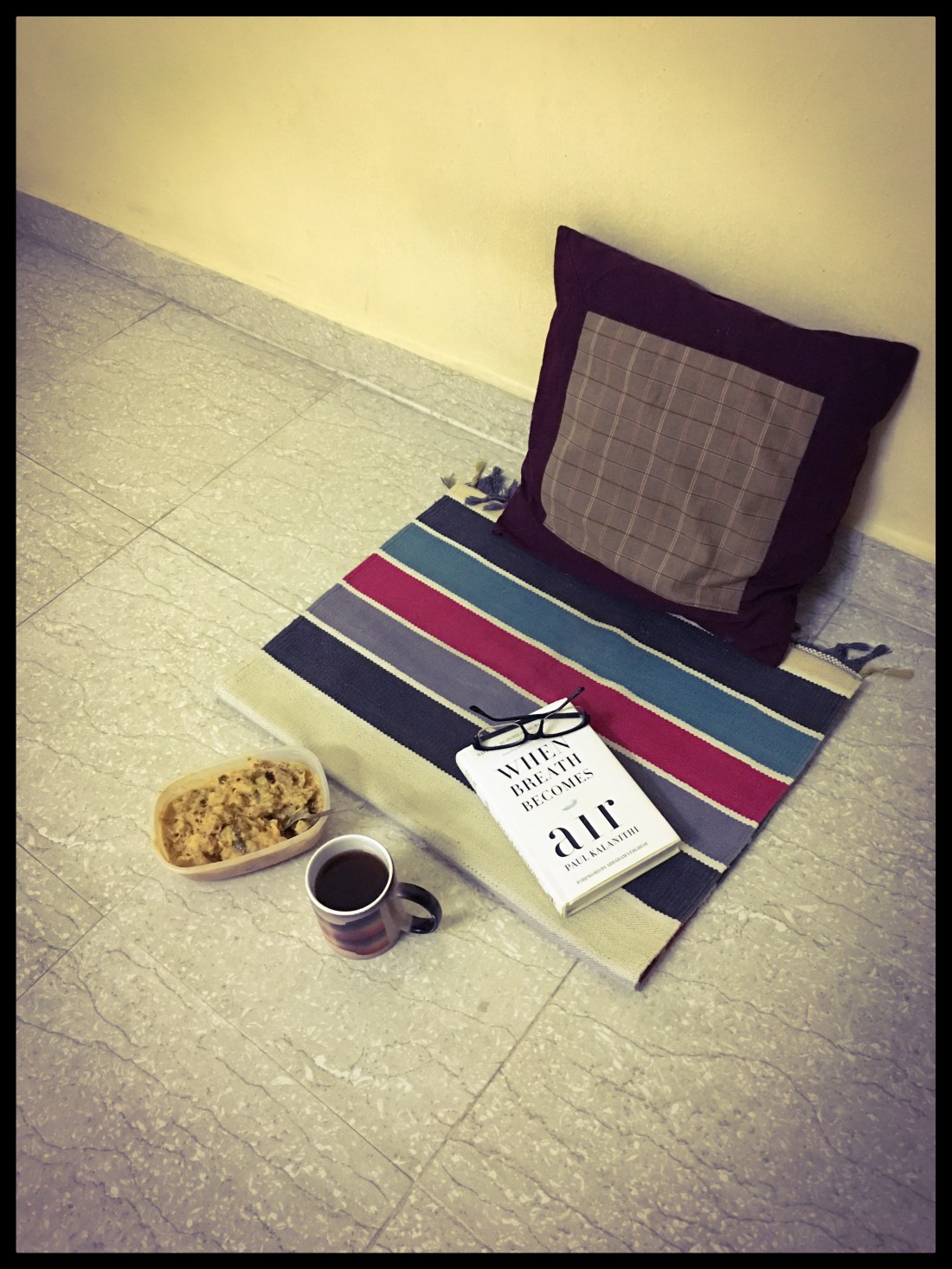
And so when a friend recommended a book written by a doctor battling lung cancer, I hesitated. Did I want to read a fantastic, ego-filled book about how medical practice taught this doctor the fleeting nature of life?
My friend insisted, and I decided to give Paul Kalanithi’s When Breath Becomes Air, a try.
Just a few pages into the book, I realised I had been wrong about the author. He wasn’t just a doctor, but a literature major before he ventured into medicine. It was the first time I had heard of a doctor being sympathetic to those dabbling in the fictitious world of literature trying to reveal to the rest of the world that books speak reality, even though they guise as fiction. Paul not only studied literature, but used it as a coping mecanism during his treatment. He was a man of science and facts, but even he needed poetry and prose to survive.
According to the book, Paul loved writing, and reading the book, it’s evident that he did. I breezed through the book taking in all the emotions of a dying man speaking about death and disparity with indifference. In the first half of the book, Kalanithi talks about his journey from a literature student to a medical resident. He narrates his days and nights at the hospital tending to sick, even delusional patients. He writes about his fascination, how he approached anatomy classes, how the blade sliced through the belly of a pregnant woman as his attending doctor performed a C-section, he describes the pounding of a patient’s heart when they had cut through him to operate on the lung, he reminisces an incident when an annoying patient—who had to be conscious while Paul removed a tumor from his brain—swore at the doctors throughout the process urging them to get the stupid thing out of his head. As a reader, I felt myself crooning for most of Paul’s patients, and wishing that last one had died. Paul narrates such powerful stories, that you can’t help but emote along with him.
As a neurosurgeon, Paul speaks of the subtleties of the brain and the care that goes into each surgery. He speaks of the process in such a delicate manner that you, as a reader, can feel the sensitivities involved. As a writer, Paul employs the simplest of language, basic sentence structures, easy vocabulary—all of which makes for a needle sharp impact. The writing is straightforward and factual, the matter he writes about is moving and stiking. As a combination, the book is a joy to the beholder.
The second half of the book is more about Paul himself, about how his life, as a surgeon and as a husband, changed after his diagnosis. He speaks of his waking days and wakeful nights. He speaks of chemo and the pain that pricks at his spine, he speaks of discussing symptoms with fellow doctors, he speaks of his tears, of his fears, of his marriage, and the birth of his daughter.
I’m glad I read this book. It wasn’t life changing, it wasn’t a pool of advice, it wasn’t dramatic, mystic, or any of those things. Instead, it was simple, it was honest, and most of all, humble. And that makes When Breath Becomes Air a worthy read.




 The Chaos Within