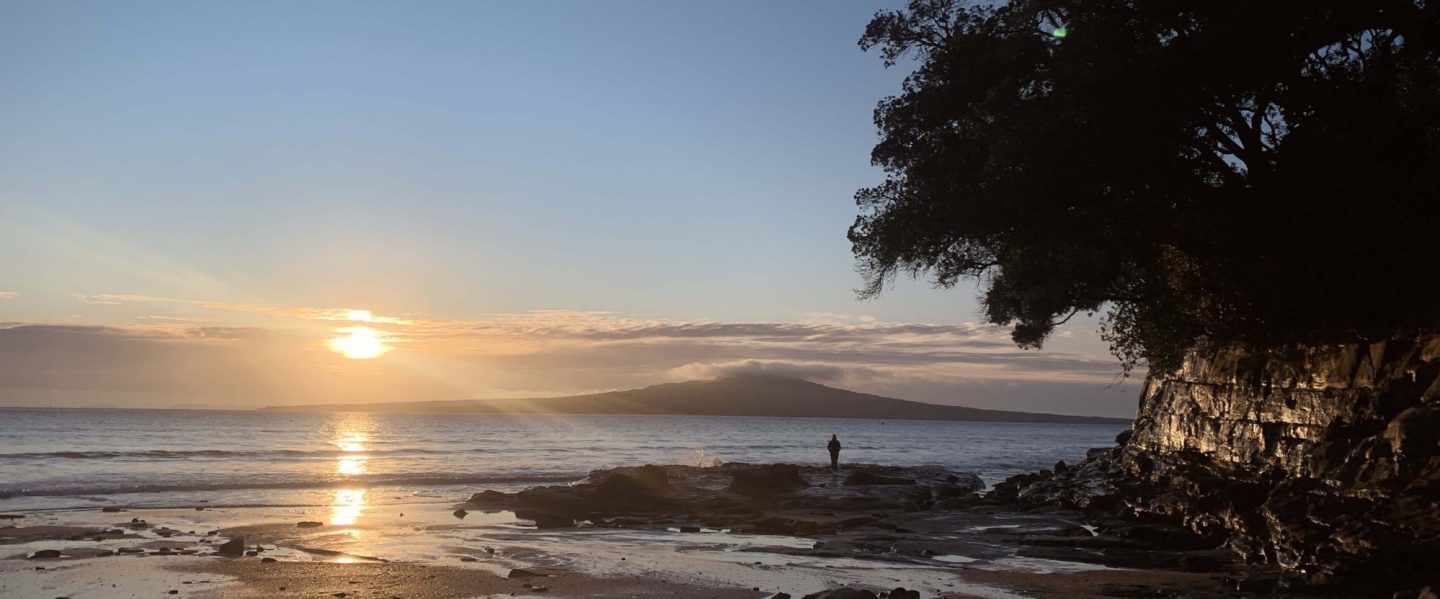
A Road Trip in the Mountains

I peeked through the window at the winding hairpins they called a road. We didn’t get a moment of rest. Every second of the journey felt like treading on a giant sand paper. It was bumpy, curvy, and clammy — yet it was the best trip I had had in a long time.
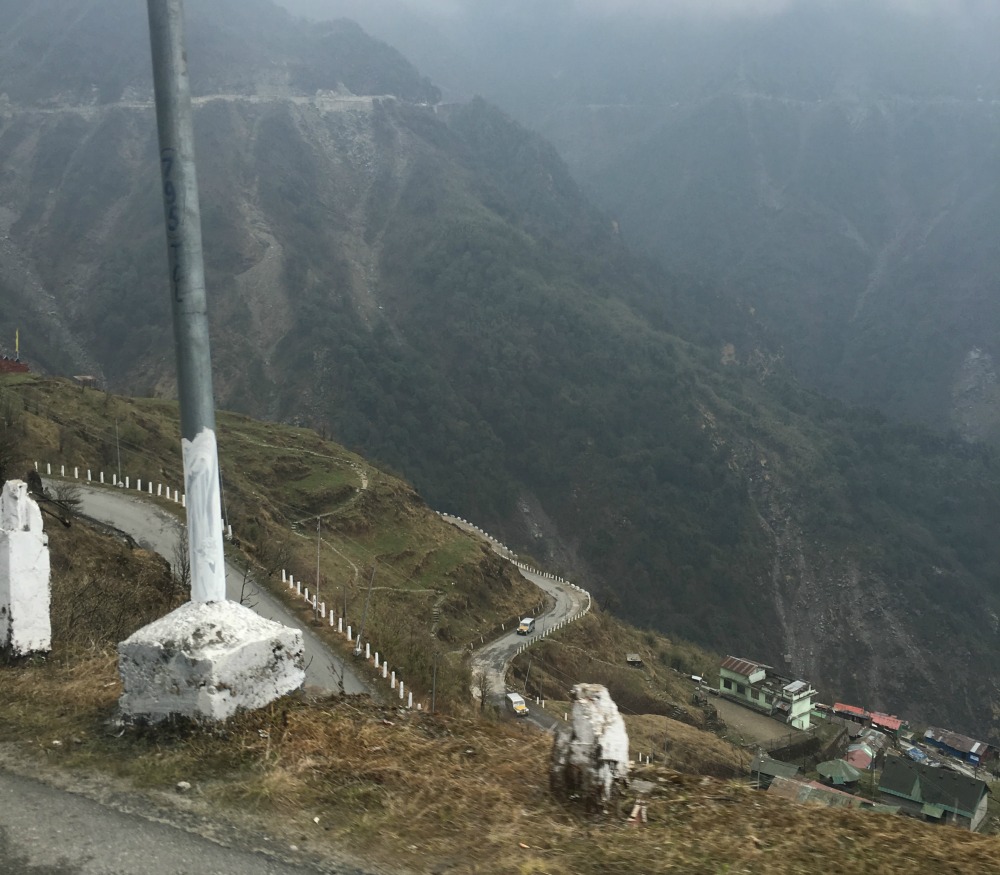
curves

Everything about the road was dangerous. And that only made it more exciting. At least for us inside the car. Visibility was a thing of the plains, not the mountains. The mist — or fog, I never know the difference — hung in front of us, obscuring our path for hours together.

Our driver wasn’t keen on headlights. He’d realised they were useless anyway, and decided, instead, to rely on his instincts, hoping no vehicles would come at us from the opposite direction. Despite it being a national roadway, with over thousands of vehicles passing by every day, the road isn’t safe for two vehicles at the same time.
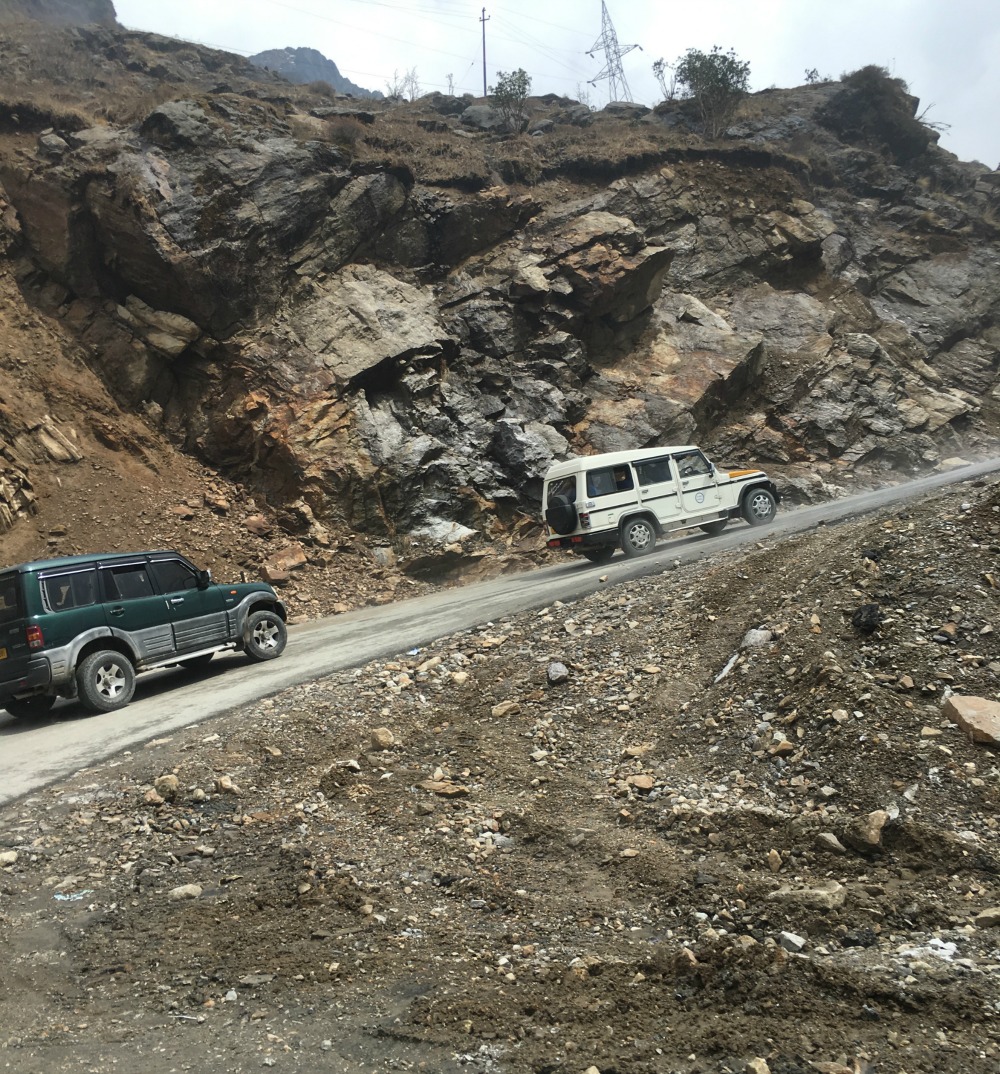
haripin

Just as I had made peace with myself that the ride wouldn’t kill us, we made a swerve so sharp that I bumped into my neighbour, almost pushing her off her seat. Grinning and wishing we hadn’t made each other too awkward, we both turned to look outside.

On the right I saw cliffs steeping all the way down to the oblivion. When I hugged the glass to get a better glance, I saw turquoise splashes of unspoilt water, flowing through rocks as shaven as a bald man.

On my left rose the biggest mountain I had ever seen. It felt more like a massive rock spotted with natural beauty chasms. I hadn’t expected mountains so huge, so dented, and so beautiful — all at the same time.

Looking down from the airplane, I had seen an expanse of parched land, bearing more sand than I could capture in one photo. But as I passed through the same mountains in a much smaller vehicle, they seemed as alive as the giant beanstalk itself. With tiny people, in their efforts to conquer everything they chance upon, picking their way through the solidity.
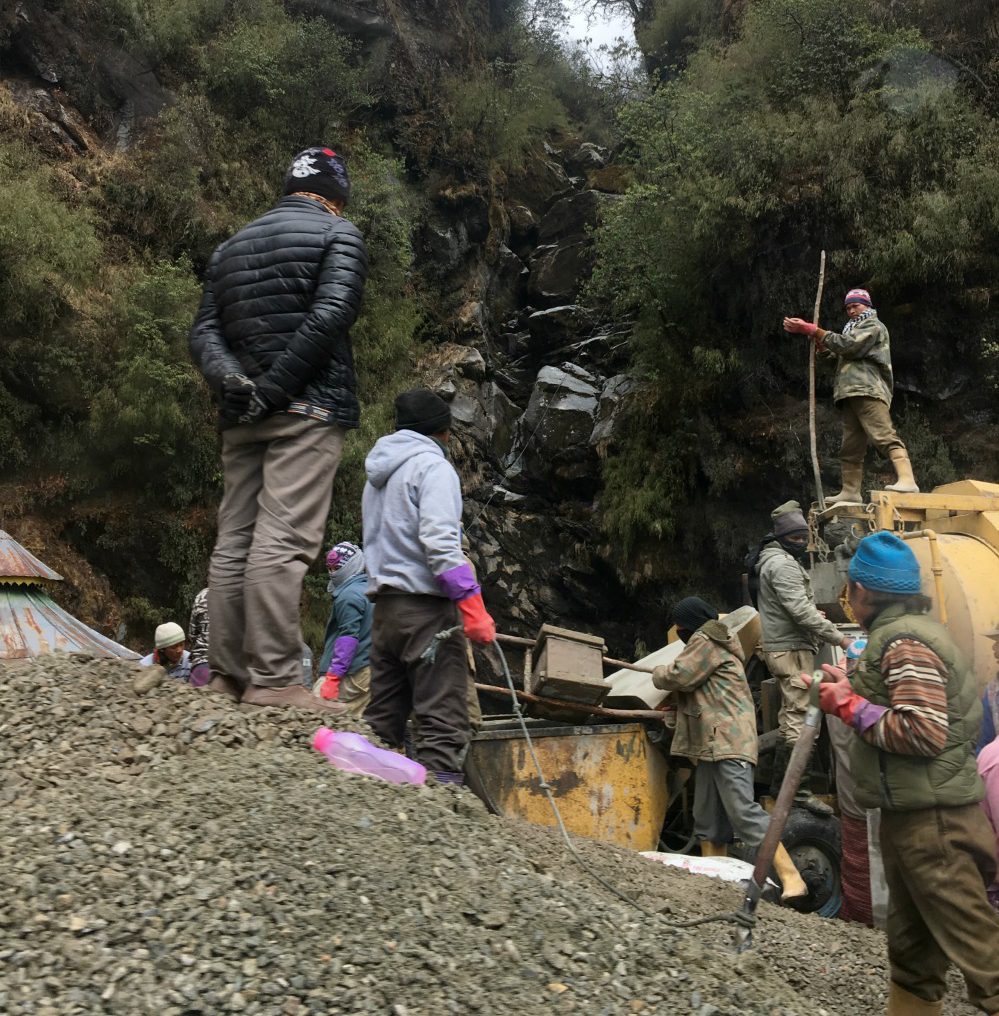
men at work

Throughout the day, they seemed at work, reconstructing, drilling, and planning. They went about unperturbed by the endless stream of vehicles. It was just another day for them. Countless passers by, random people getting sick, people staring, provoking, feeding the monkeys, and some others hoping to become the next great photographer.

We didn’t seem to bother the natives at all. But nature was less forgiving. From woollen gloves that betrayed me, and mountains that loomed so high that they made me trivial, to the trees that swayed their disapproving heads as I pulled a sweater over my head.

Nevertheless, it all was worth it.
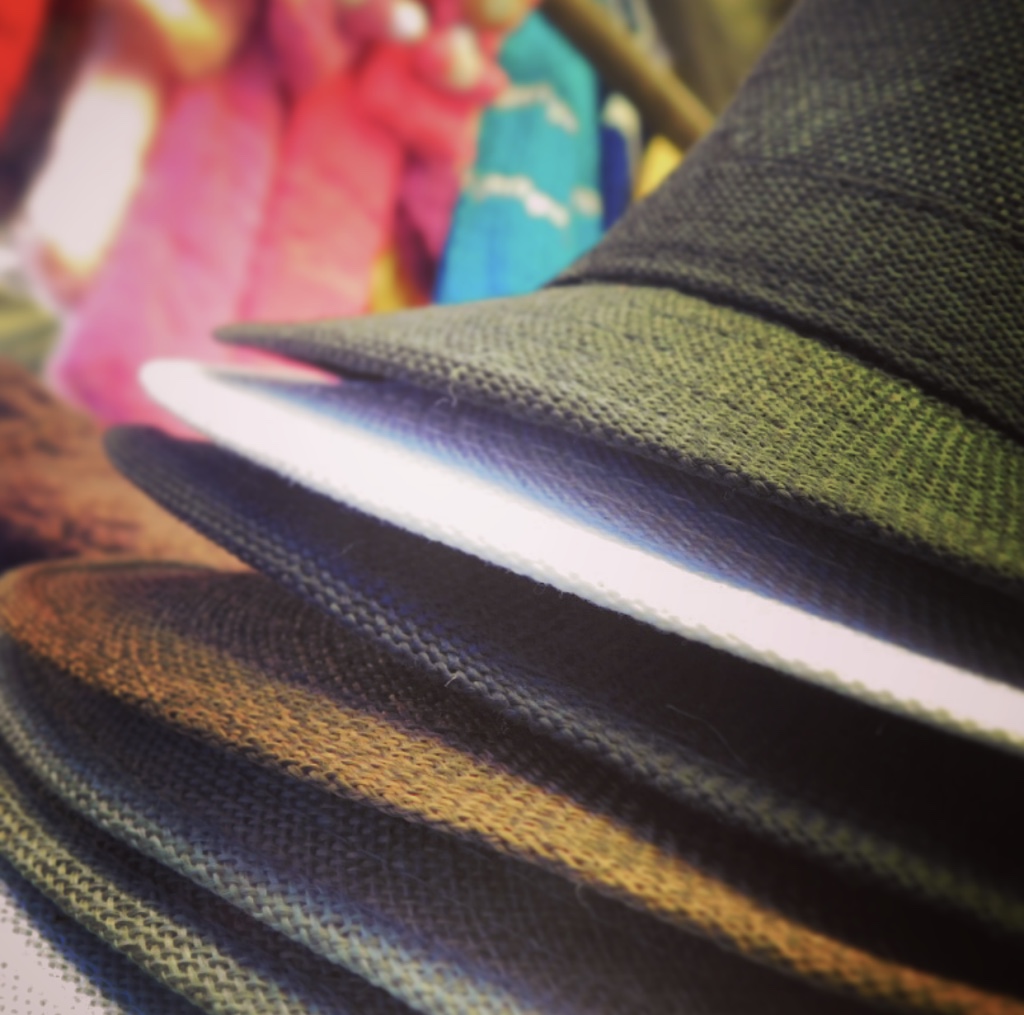
The Small Picture

We often see only what’s in front of us, and not the big picture. In front of me was a stack of hats.

abstract

And the big picture?

A buzz of tourists making their way through scores of street shops, picking souvenirs from the beautiful arsenal of treasure.

The Rope Car Ride

“Oh, rope car. Would’ve been a great experience, huh?”

When I heard we’d be riding on a rope car, my imagination went wild. For about five seconds, every thriller and every adventure movie I had ever sat through flashed in front of my eyes. I thought of heroes hanging on a rope so weak that it would give away at any moment. And that image disappeared to be replaced with famous love scenes set in a fancy snow-capped mountain with the heroine banging her fists against the car’s glass while her evil father’s hunch men tortured her lover down below. I could even see her tears freezing in the icy cold.

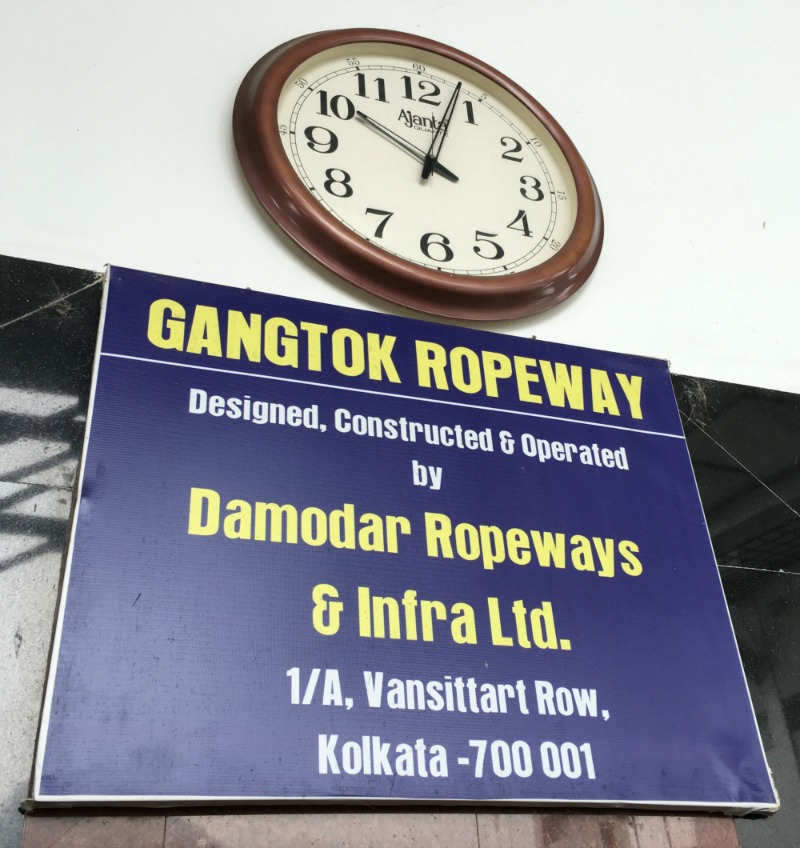
ropeway

So when they told us to get on board, I shivered a little. From uncontrollable thrill. But as we approached the car, I saw that it showed no signs whatsoever of having carried a distressed Juliet pining for her Romeo. Why, it was just a hallow red box with glass panes for windows!

We climbed in and the guard locked the door shut. I looked around, it wasn’t what you’d call an average car. It was more like a small railway compartment. Only a little cleaner. Otherwise, it had similar flooring, the unmistakable “No Smoking” sign, and the — all-too-familiar — congestion.

They allowed about 20 people into one car. We all had some standing space and had to make some more to reach out for groupfies. I turned my focus to what mattered more: The experience of riding a rope car.

The noise gave it away. We were about to soar.

The me within me — the one who isn’t embarrassed to squeal in excitement or applaud in enthusiasm when in public — stood on the tip of her toes. This was bound to be a treat.

My friends had been shifting about talking in such excited tones that we didn’t realise when the car began moving. When we did, however, it was like someone had grabbed my treat away. We felt close to nothing. We were so-called soaring slower than my slowest walking pace.

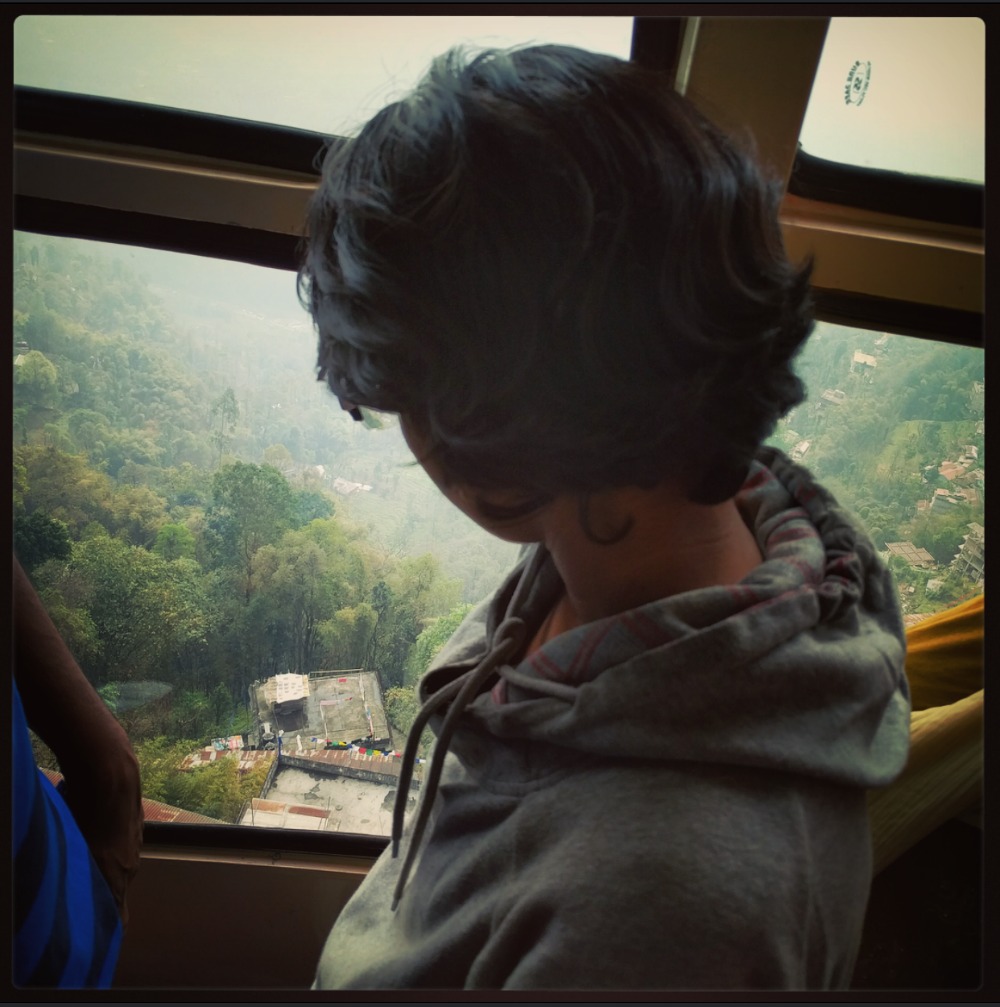
But, I stuck to my corner, hoping to look down at the beautiful world below. I felt like the all-seeing, as if I couldn’t even miss that little girl in her school uniform being mean to a squirrel.

But I couldn’t see all.

rope car

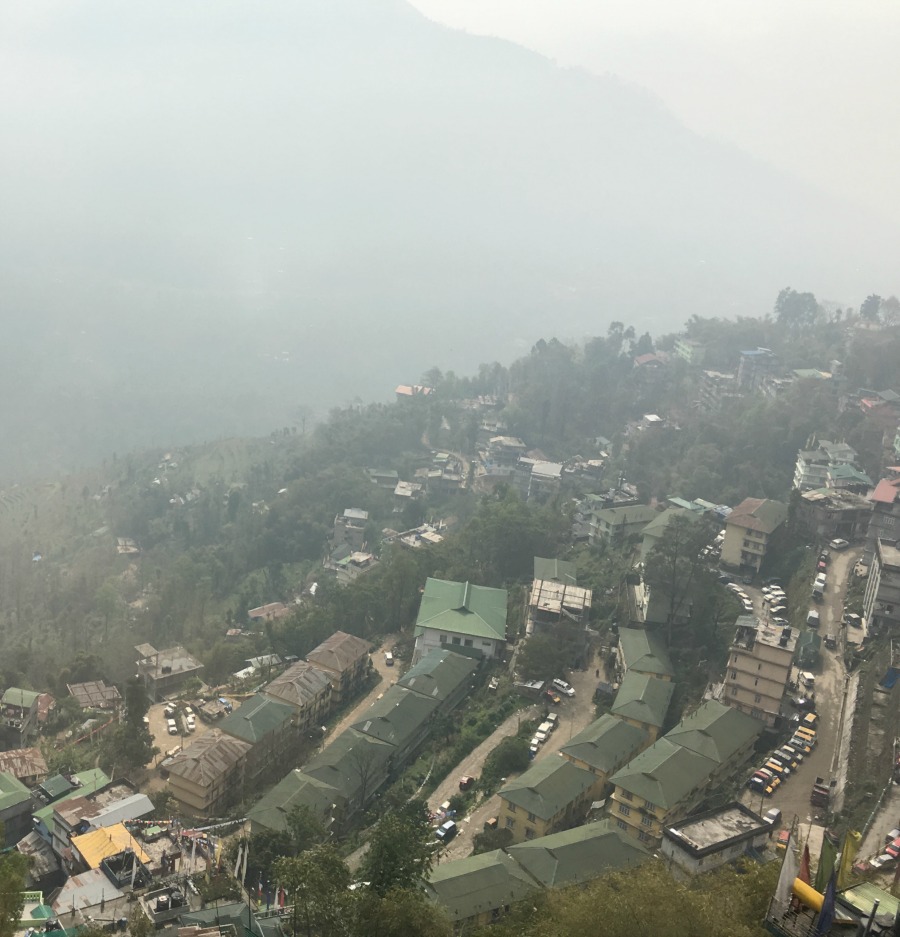
All I could see was asbestos roofings and garbage strewn all over the land. It wasn’t worth standing by the window. There were no flowers and no lush greenery. The movies had misguided me. Again.

It was painful to look at the harsh reality of that corner of the city. It was all the more difficult to digest the sight because I know Gangtok is a tourist destination.

up above

But it is a city like any other. And where there are people, there’s bound to be a face you don’t see in brochures. Because that’s inevitable. People being people isn’t a pretty sight.

Having replayed that entire day in my mind, I turned to my father, and his question.

His eyes had lit up in awe. He looked thrilled at the idea of skirting through the sky, defying all known laws of gravity and Earth-binding responsibilities.

I looked into those ageing, black holes and replied, “Hell, yes!”

Choice

There comes a time
when you should choose
it may be new, may be raw
you may not like it
oh, but what if you do?
take the plunge
and make a choice
it might look weird,
awkward, and greasy
but who’s to say its not pretty
and a perfect circle?
Beware though: It’s unknown
it could make you regret
and reach for a cigarette
Or just become your favourite.
Either way — choose something
I’m hungry.

choice.jpg

I Fell in Love with Writing. Again.

I love my life. Because I write for a living, and writing is my passion. Sometimes I write good stuff, and sometimes crap I’m not proud of.

I fell in love with writing.jpg

Whatever I write though, I edit. People say crisp sentences are strong, and have a stronger impact in the reader. And that’s why I taught myself to “kill my darlings.”

And during one of my self-editing sessions, I fell in love with the language all over again. Because I learnt an important lesson: Longer sentences can be strong too.

I had this sentence.

Writing is one thing technology can’t conquer, because writing is human.

My internal editor went berserk, and we ended up with this.

Writing is human, and technology can never conquer it.

At first, both sentences made perfect sense to me. And then I read and re-read them aloud. And that’s when it hit me.

Everything about these statements was different.

Writing is one thing technology can’t conquer, because writing is human.

The sentence starts with “writing”. That says writing is important. And then it says why writing is important. Because it’s the ‘one thing technology can’t conquer.’

It’s ‘the one thing.’ That’s to say, writing is beyond all things technology can conquer. We acknowledge the power of technology, but declare writing is more powerful. And why is writing so powerful? Because, ‘writing is human’.

When you connect writing with being human, it’s clear that technology isn’t. It’s emphasising the obvious. But at the end, writing seems in the better light, because we can relate to it as human — that it’s the one thing unhuman technology will never conquer.

There’s emotion in this sentence. There’s human.

And then there’s this.

Writing is human, and technology can never conquer it.

The sentence, again, starts with writing. But, instead of a period there’s a comma — a pause as if we’re waiting for something important — and then comes the phrase, ‘and technology can never conquer it.’

I read this line, and realised: I had combined writing and human in one phrase, and added technology in the immediate next. It had deteriorated the power of writing which was evident in the previous version. The emphasis, now, had shifted to the word “technology.” But as a reader, I’d be reading out ‘technology can never conquer it,’ in just one breath — not a breath-taking line.

I had confined the most important part of the sentence to the first line, and made it sound bland. With the comma, I had brushed aside the human element in writing, and focussed on technology instead. And that had made the whole sentence more of an observation than an emotion.

Sometimes, we say things in an impulse, in an emotion. And sometimes, this spontaneity needs much editing before anyone sees it. But in some odd cases, we just over-edit. That’s what happened to me.

I wrote, I rewrote, I read, and re-read my words. And when I saw the difference, I felt a rushing love towards the English language. How can a language be so beautiful, and so complicated at the same time?