


Spread comfort and joy;
grab a leaf from nature’s book—
lessons to live by.
Spread comfort and joy;
grab a leaf from nature’s book—
lessons to live by.

Open-throated call,
looking up to the heavens;
showing off, magpie.
Who doesn’t love a determined, self-sufficient heroine? One that doesn’t need saving from her male counterpart. Or even from herself—a common theme in feminist novels nowadays.
Tangent aside, a female lead who knows what she wants, accepts her hurdles, and yet still strategically perseveres towards achieving her passion is someone born for that. We often say talent is inherent. But everyone is talented in some way or the other. What matters is how much they invest in honing that talent. That’s the difference between Van Gogh and Random Dude. I bring this all up now because I’ve just read Book of Colours, an excellent historical fiction that celebrates a woman artist—or in this case, a limner.

I know how that sounds, but it’s not what you’d expect. It’s not the story of a young girl who finds her passion for art, grows up facing many challenges, and finally gets the recognition she deserves. That’s the equivalent of the ‘damsel in distress saved by the hero’ narrative—the typical, proven theory that satisfies the masses on any given day. Though such a plot has its place in novel writing, this one is way different.
It’s about a woman who’s painted all her life—from childhood, assisting her father, also a limner. Everyone around her knows her capabilities. However, she’s a 14th-century woman in England. Women of that period weren’t even allowed to read, let alone paint. This is the story of Gemma, the brilliant artist, and her husband, who’s also a brilliant artist, except he’s known nationwide for his talent. They receive a project to design and create a Book of Hours (an illustrated book of prayers) for a wealthy landlord far, far away.
But this is not the story of Gemma. The writer never once tells the reader that Gemma is the main character. You either realise it, or you don’t. Either way, you’ll enjoy the book.
As the story begins, we follow Will, a young artist running away from his hometown. He ends up working with the master limner and his wife, Gemma. From there, we watch as Will’s life unfolds—as he works with the couple on their project, how he becomes essential for the book and its owner, and how he blends into the family.
Our introduction to Gemma comes through Will’s eyes. And so we see her as a cold, doubtful woman who clearly hates him from the moment her husband invited him in. He’s shocked when he realises she paints, torn between her knack for translating words into pictures and the unacceptable reality of her being allowed to paint. And yet, between them grows a friendship that’s unlike any other. As highly-gifted artists, they spend a lot of time in each other’s presence, heads bent low, each immersed in their own battle.
Like all good characters, Will also evolves from a typical man who looks down on a woman painter to accepting her skill. But that transition is so artfully done—he doesn’t run into a raging feminist who changes his mind about women doing other than housework. He doesn’t have a flash of understanding about patriarchy that completely changes him overnight. Instead, it’s a gradual change of mind, a progression that’s incomplete even as the story ends. As a skilful limner himself, he admires Gemma’s talent.
For a long time, he believes she’s protected only by his and her husband’s silence. As someone who enjoys realistic characters, it was refreshing to see that Will still had a lot of room to grow. He’s not perfect, and that’s a perfect place to end his story.
Though Gemma herself goes through many changes as the story progresses, her situation largely remains unchanged—quite an unexpected ending for a character of that magnitude. She doesn’t get the recognition she deserves. Only the characters who knew about her passion for the art at the beginning know about it in the end—plus Will, of course. And yet, we see her evolve into a more complete and aware person. She’s another example of a realistic character—no drastic, dramatic incidents to topple her underlying beliefs. Every good change happens gradually. And that’s why this book is such a good read. The author has done one hell of a job, and I’m glad I read it.
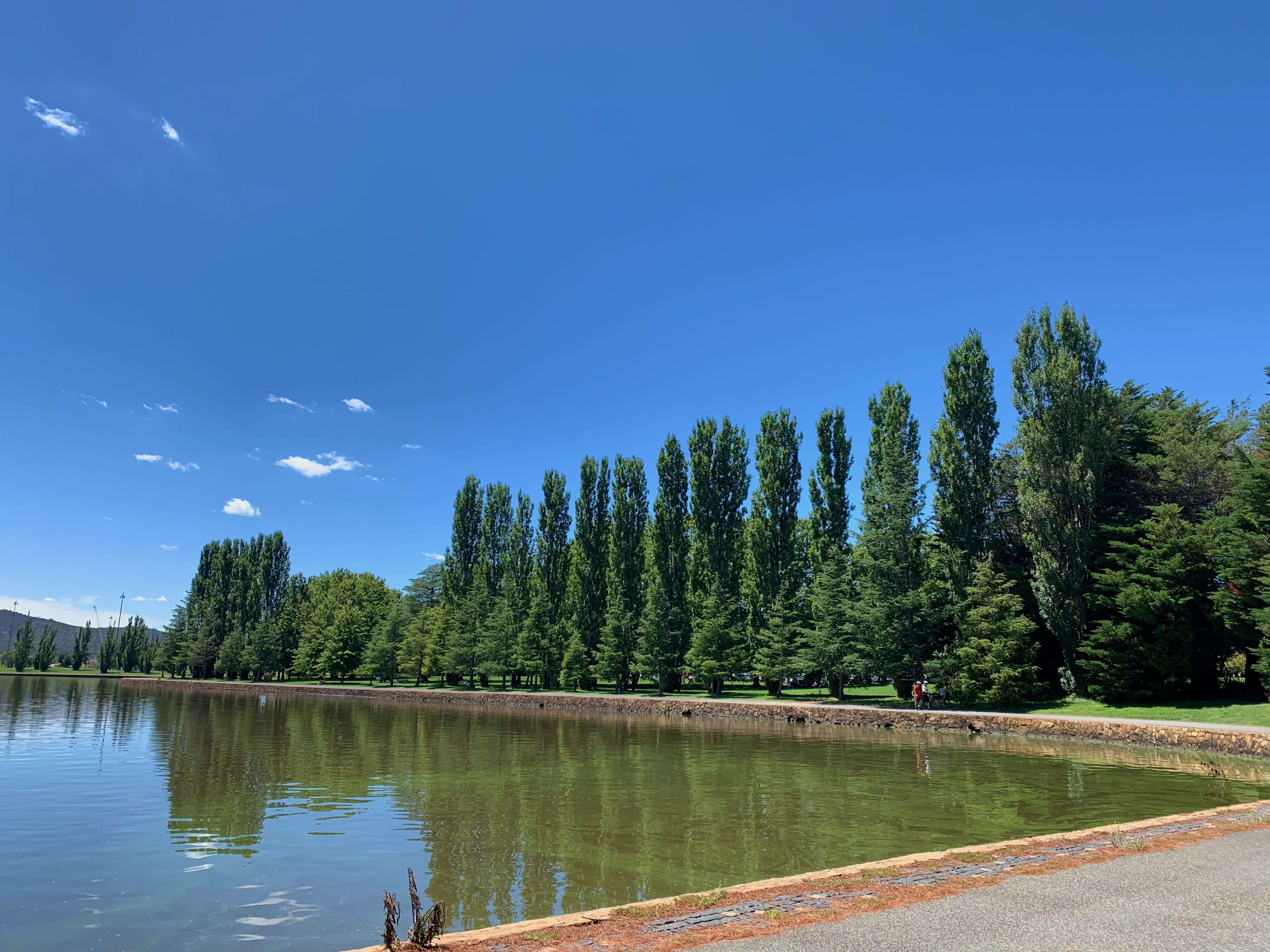
Nature’s front line staff,
holding up earth’s defences,
trees, our true heroes.

Weather every storm,
even as the world crumbles,
stand up tall, brave heart.

