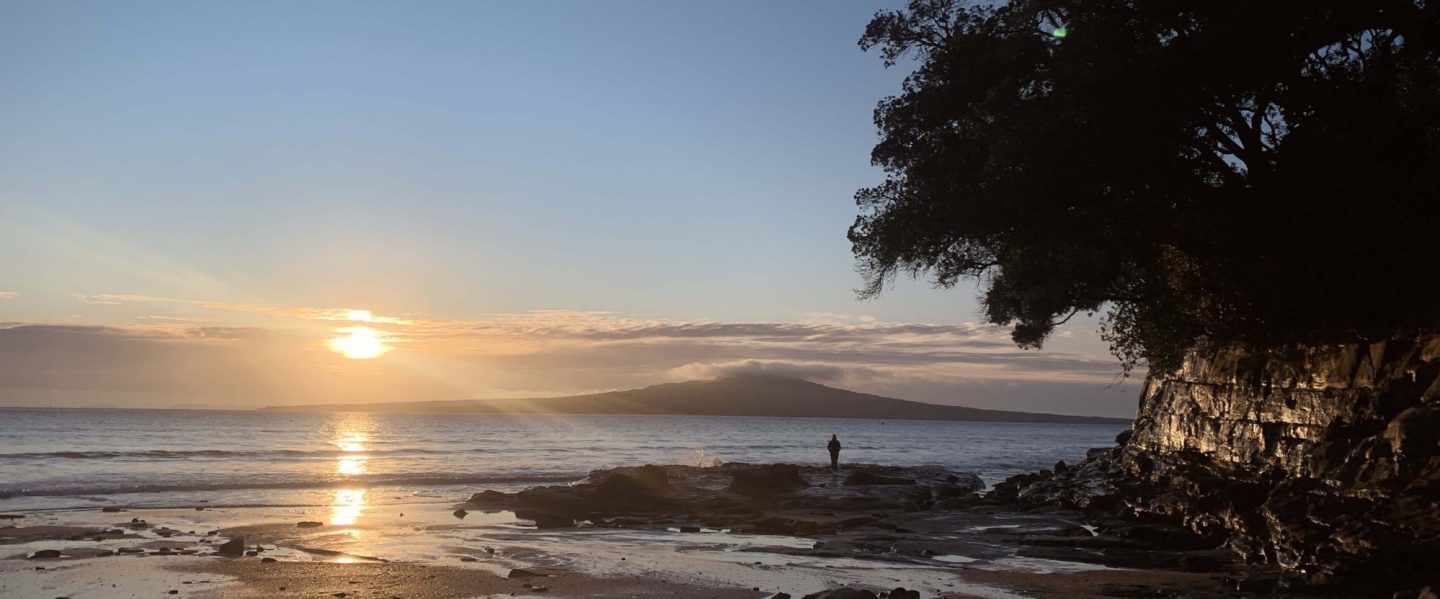

Stepping to the side,
seasons, like generations,
letting new life bloom.
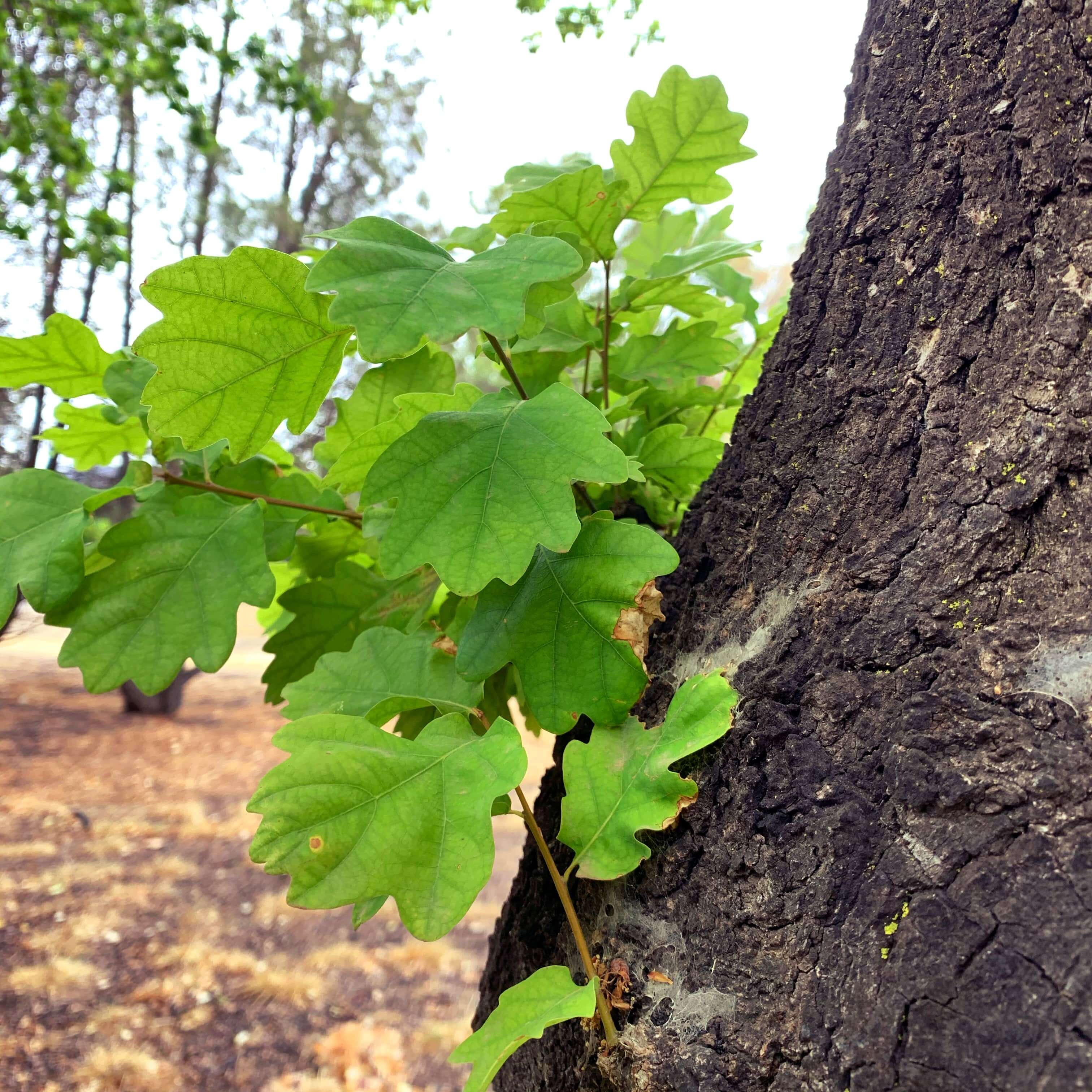
Stepping to the side,
seasons, like generations,
letting new life bloom.
There’s no right or wrong. No rhyme or rhythm. No period, no commas, and no bloody capitalisms—oops, I meant capitalisations. It’s all about order, or lack thereof.
No rule book, no guidelines—no restrictions can be placed upon it. Sometimes we need to be passive to be actively engaging. From a drunken writer to the sober reader, from one heart to another, poetry is raw—like broccoli—uncooked it has a crunch, with every munch like mulch it lives with you, seeping within you.
It’s an uninvited reality check, like a rule-brealing badass teenager that refuses to abide by laws—setting out to transform the world with their far-fetched ideas and enviable immunity… to sensationalism.
Poetry is escape. Like the tiny, almost invisible insect crawling up your desk, words, with their innate and not-so-explicit meaning, clamp into oneness, clasping your throat, binding you to a chair, and leaving you mesmerised at their beauty, their soul-sucking tentacles wriggling in the air in front of you, with life-affirming waves, playing, teasing, gripping your attention as you slowly fall…
……………
…………
………
……
…
.
into the deep,
d
e
e
p
pit
of love for words.
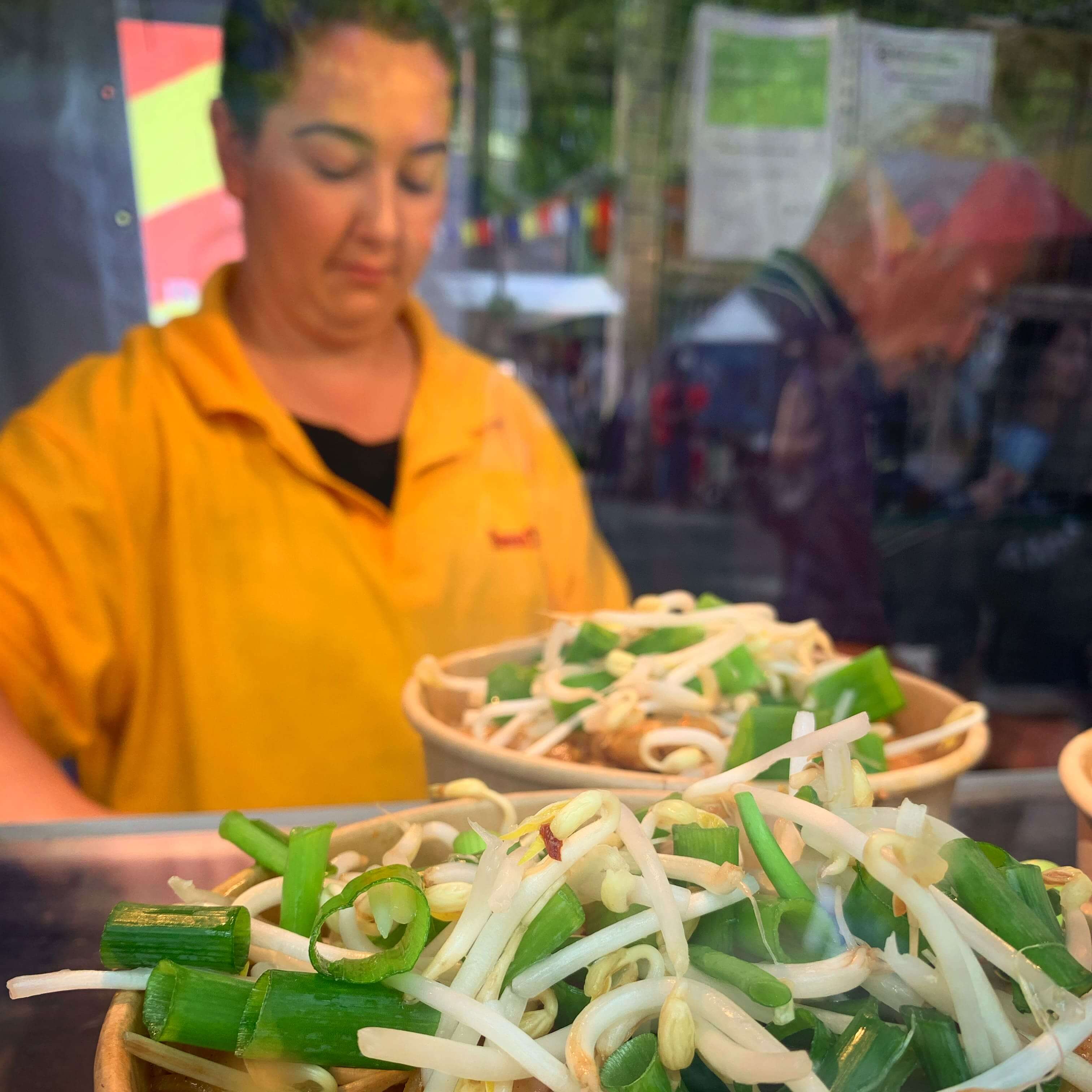
Promotes unity,
from one sprig to another—
food, across cultures.

Vibrance of nature,
due to lack of attention,
now shelters in malls.

Growing up in an Indian household, grains, wheat, and meat were staples. Split red lentil soup with rice or bread was dinner on most days. I thrived in that environment.
I used to wake up to tea—strong leaf tea infused with full-fat cow’s milk—that’s what I survived on. And I always told myself the uncomfortable gassiness, bloating, and smelly farts were normal.
Until I grew up. For one health reason, I decided to go vegan about three-four years ago. And since, for many socio-economic reasons, I’ve continued a vegan lifestyle.
Not long after my transition, I realised that there was another sect of people reacting to gluten the same was as I did to dairy.
Now, I have friends who can’t eat gluten. I’ve cooked for them, and shared meal with them. And so, I’ve become more attuned to the amount of wheat and gluten I consume.
That’s why I like challenging myself to make gluten-free meals. After all, I cook for myself. How bad could it be?
So a couple of days ago, I tried to make gluten-free pasta. I aimed for a simple rice-flour-based spaghetti-like noodle. I realised soon enough that the flour wasn’t as pliable as wheat. Of course, it had no gluten—what was I expecting?
However, after some rigorous kneading, rolling, and scrunching it all up into a ball, I chose the easy way out. Surely, little blobs of dough would still make bite-worthy pasta? I ended up making gnocchi, without a single traditional gnocchi ingredient.
I used a vegetable and tomato curry as a sauce, and to my surprise, it came out well. I was even proud of how quickly everything came together—it was faster than any basic baking endeavour that requires proofing and waiting overnight.
Mix, roll, cut, and shape. Why, it was easier than deciding what sauce to make for the pasta!
Today, at the supermarket, as I looked at the price of gluten-free pastas, I couldn’t help but laugh in my head. Now that I’d done it once, I knew I could make much more for much less.
Food shouldn’t be about convenience. That’s the unhealthy mentality that leads to food-related issues. Instead, when you pursue it with precise care, food becomes art, and that art can sustain us.

