The security

“Hey Liv, did you see the new security guy?”

I looked up from my desk, mouth full of noodles. It was another lunch-at-the-desk day. I’d just hit submit on the report I’d been working all morning, and had turned to stuff my face into my meal-prepped lunchbox. 

Spaghetti in a sautéed tomato-mushroom sauce. Homemade food had never tasted so good. Perhaps Pinterest wasn’t kidding—maybe cooking on Sundays is a better idea than brunch with friends. I even managed to get the laundry done, and folded it for good measure.

I shook my head at Jesse’s raised eyebrows. She’s not the kind who’d bring up the security guy unless it was important. Perhaps he was cute.

“Nope.” I supplied swallowing the carby goodness. “Why?”

“It’s an old man!” She almost shrieked, sitting down on my desk, despite knowing how much I hated that. But she didn’t seem to be in her right mind today. Her usually straight black hair was bouncing off her shoulders in curls. Her mascara was a little too much to look at, and she’d force-matched her tiered skirt with a pair of high heels she looked terribly uncomfortable in. But she was gleaming with joy. Unable to figure it out, I decided to wait for her flamboyant explanation later.

“So what if it’s an old chap?”

Everyone needed money. It’s possible that this man didn’t have enough retirement funds. Or his kids weren’t around to help him. After all, I’d seen a lot of older folks struggling to make a living. It was sad, sure, but certainly didn’t warrant a hiatus during lunch. 

I went back to my noodles, ignoring the penciled eyebrows glowering at me. After a while, she gave up and went back to her seat. And I turned to the pile of reports that still needed finishing, verifying, and submitting.

Sigh. It’s going to be a long day.

For the rest of the afternoon, I carefully avoided running into Jesse in the bathroom or the vending machine. I knew she ached to discuss the old security guy. It wouldn’t be the first time—she imagined herself an upstanding citizen being the change she wanted to see. A couple of weeks ago, I’d spent an hour listening to her lament the fate of migrants working casual jobs and unconventional shifts. All because she was drunk on a Friday night and ordered pizza. Her delivery guy was an African hoping for a permanent stay.

My escape was short lived. Just as I stepped out in the terrace, glad that I’d finally completed the week’s backlog, I jumped. 

“I spoke to him.”

Not seeing her crawl up behind me, I turned ready to punch her shrugging childish face. Before I did however, she continued, eyes rounding in sadness. “He was missing his daughter. He took the job so that he’s not bored and lonely at home anymore.”

She was Puss in Boots begging to go with Shrek.

My frustration deflated. It was no use fighting it—she wouldn’t rest until she’d gleaned a response from me. 

“Yes,” I rubbed my stiff neck hoping she’d take a hint. “That is sad.”

Thankfully, that was the end of our conversation. I went back to doing some light reading and recipe hunting before heading home to Netflix.

As the office doors swung shut behind me, I saw him. A tall man in a khaki suit. He didn’t see me approach him—something through the window seemed to have caught his eye and he peered, his shoulders hunched.

“Have a good night!” I faked a cheer, pressing the elevator button. I was exhausted and famished.

He swung around, taken aback. 

“Dad!”

The wheel

“Yo cartwheeler!”

That’s what those kids called him. Who could blame them? He was, after all, the man pushing shopping carts at the supermarket. Not that it was anything to be shamed of, he told his reflection every morning navigating floss around his teeth.

But he had a name.

Ruman. 

Growing up he’d often wonder if his parents detested his existence so much so as to bestow upon him such an uncharacteristic name. Not a childhood day had gone by without him repeating and spelling it out for people to understand.

And even then perplexity clouded their face whenever they uttered it. As if they’d rather not. As if something wasn’t just quite right.

It was still better than “cartwheeler” he thought.

They even told random shoppers about his nickname, pointing him out, the long, brown, migrant who stumbled through the car park collecting empty carts people thrust away. Shoppers who’d smile jovially at their juvenile innocence—they were just school kids, hanging out at the mall during the holidays.

It was all good fun for everyone, of course. Seasonal cheer hung in their air, overnight rosters hung over his.

Three years of regular supermarket shifts had served him well, though. With the weekends off, he’d taken up to flipping burgers for additional bucks. He was now the proud owner of three high-visibility vests, a third-owner car that needed service, and a son who’d be starting school next year. He was already a year behind others of his age. Ruman’s wife had taken a second job too, to save up for school. 

He seldom had time to talk to her. 

Never mind. He’d be cartwheeler as long as it took. Nothing mattered more than a good school for his son. Whatever necessary so his son didn’t end up at the mall catcalling another migrant, “Yo cartwheeler!”

Go ahead

you’re always in front of me
every time we go out
you walk ahead
strutting along, a know-it-all
playing the guide, a role
as a warrior father
mean protector
for a shady, puny figure

but honestly,
you’re just in my way
blocking my sight
overshadowing

what am I, a child?
am as good as you
a little darker, perhaps
and shorter sometimes
yet weaker—never!

a puppeteer you are
waving arms amok
yet I do follow
like a puppy its master
trudging along
wagging after

behind you always
helplessly
like a slave 
a snake
dancing to your tune
your bidding
biding my time...

echoes a whisper in my ear
grazes my cheek
rise with me
it says lifting my limbs
my spirits
above humans, petty peeves
and I rose
for the first time 
over your head, ahead of you
midday is my dawn
shadow my name

The feeling of home

It’s been just over two months since I moved to Canberra, and I’ve at last started to feel like a local.

It’s nice too—I can now walk to the shop nearby without having to look at a map ten times along the way. I like knowing how many signals I need to cross before reaching the mall, and which entrances are be open later in the night. I find myself analysing the various walkways to my destination and choosing the closest or the most scenic depending on my mood.

It’s empowering in a way that I don’t have to rely on someone or a some technology to help me navigate, to help me get through every day.

That’s the life of a local—knowing the right bus stops and the frequent routes, not because you’ve memorised them but because they’ve become part of your routine. I even shrug off the little things that a someone new in town might roll their eyes at; well, that’s Canberra for ya, mate.

But it also means that I no longer feel the city the same way as a traveller does. And I felt that way for quite a while. Everywhere, I saw something worthy of a jaw drop, a closer look, a lingering moment. Everything fascinated me, and I’d willingly walk an extra kilometre to read the street names and stare at the buildings.

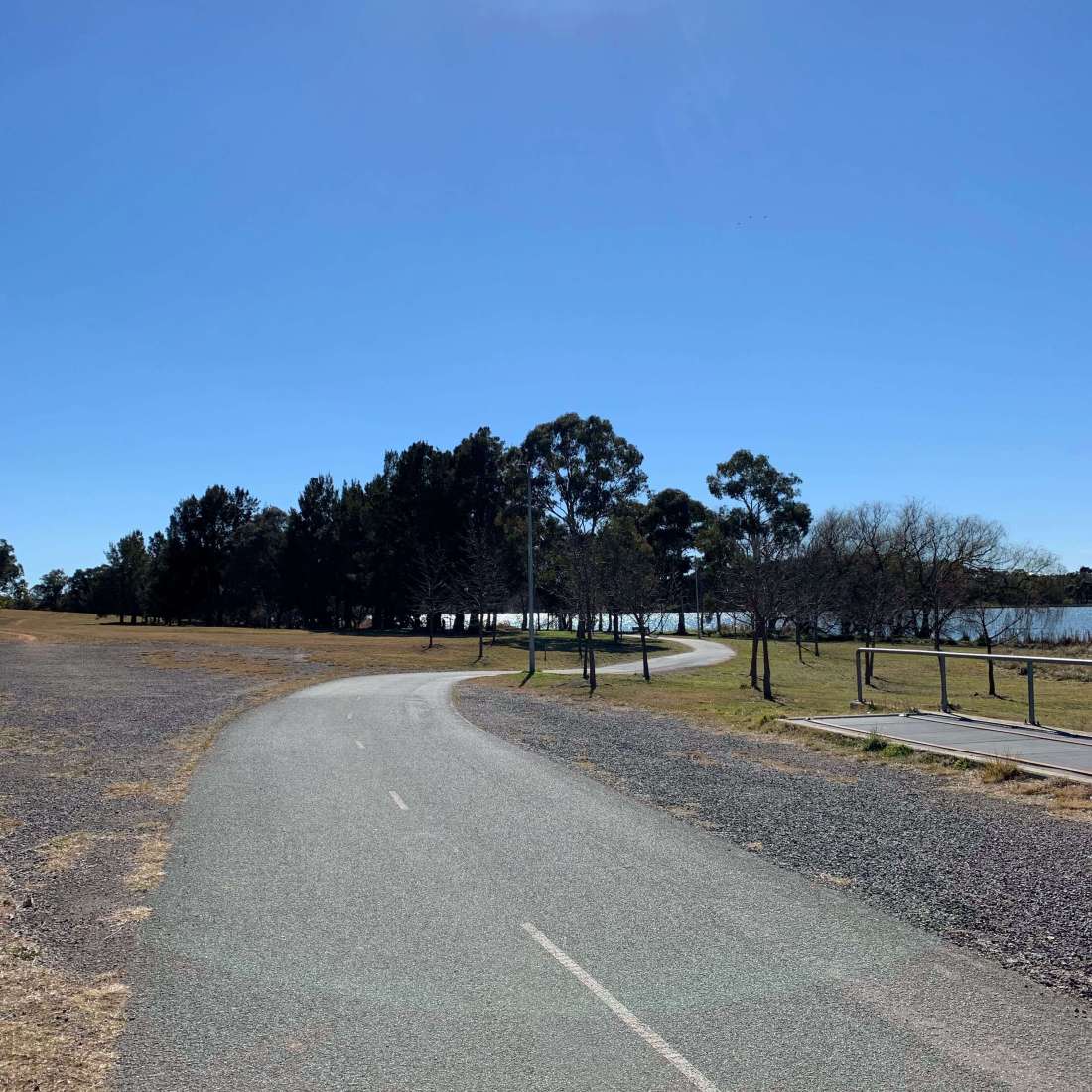
I don’t do that as much nowadays. Sure, I still walk four kilometres everyday around the lake just because I want to experience the many wonderful trees and birds and noises—they’re so enchantingly different every time.

However, I also see the other side. And resonate with it.

I see the things, the little annoyances, jitters, that a common person sees. I understand more about why some people don’t appreciate the new bus routes. I loved them when I arrived—extra buses, free services for a month, what’s not to love, I wondered.

Now I know how it’s affected some people’s lives. How a small change in their schedule has toppled regular commuters who find it difficult to adjust to the new system. I’d never have understood that a couple of months ago. Now, though, I can sympathise with them. And now when the old lady sitting at the bus stop tells me that the previous bus never showed up for some reason, I realise what it means to her. And the best of all, I’m now local enough to agree with her and tell her about the time I sat waiting and the bus never showed.

It’s the little things like that that make home feel homey. My lifestyle has melded into the ways of other Canberrans, so much so that I’m now a regular spectator at a local Morris dancing practice. The dancers identify me so that if we run into each other someplace else, we’d exchange a warm hello. I have events and things to do every week—people to meet, shanties to sing, writing clubs to be accountable to—things I look forward to. Things that make living in a society enjoyable and worthwhile.

That’s what it means to be local.

Distracted

“I hate you”
you declared
stormed out
into the setting sun
that winter’s eve
through glass doors
away from me,
my reaching hand

I turned back
silent
oh, my child
I love you still
you’ll come around
after all,
aren’t mothers and daughters
just fighting cocks?

it was something silly—
but my dear,
people will dally
you were right to worry
tension’s high
big day nearby
complain, whine—fine
pray, lay off wine!

“drive safe”
text, less invasive
I hovered…
ah, beautiful shoes
perfect wedding night
complements your white
clicked my phone off
distracted.

Sought luxury for your feet
as you lost luxury of feet.