Once in a lifetime

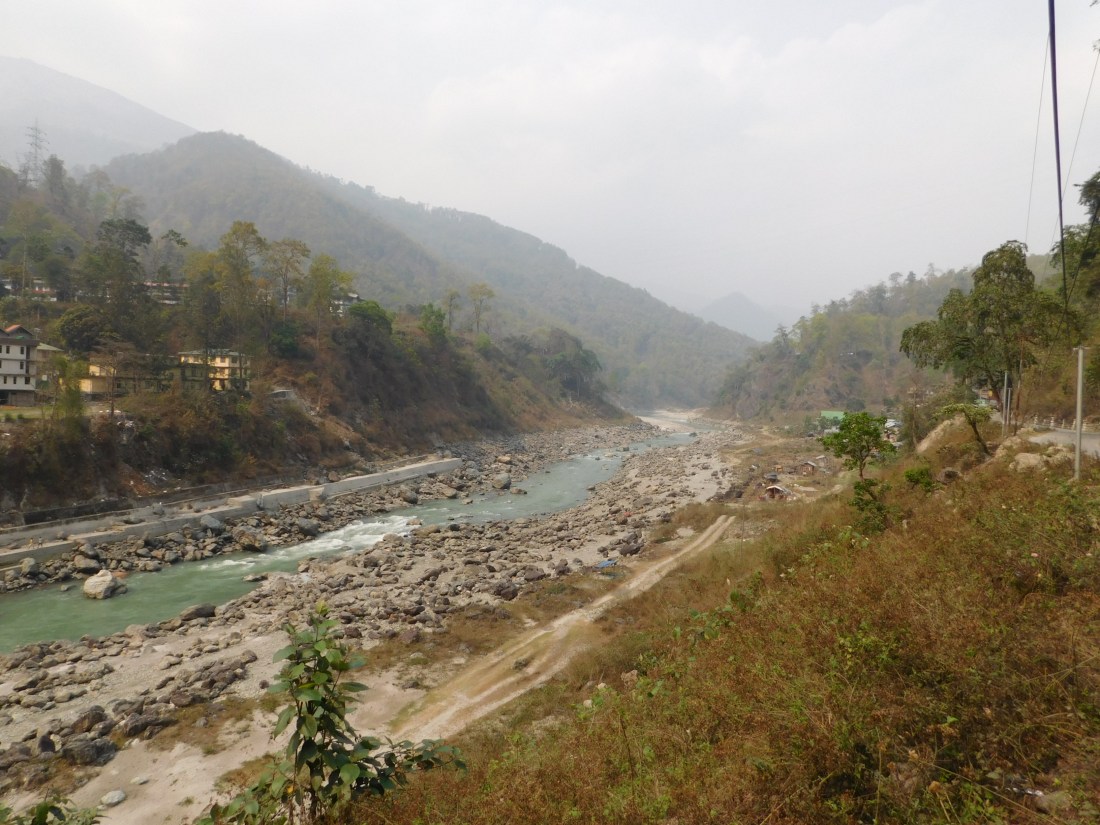
Teesta lake.JPG
Teesta lake, runs between Sikkim and West Bengal.

Last week, I took a break from my routine and went on a trip to the eastern part of India.

It was the state of Sikkim, famous for turban-clad gentlemen and multicoloured bead chains. With a budget I wouldn’t have spent if it hadn’t been an office team-trip.

Nevertheless, even though I was surrounded by my colleagues and their families, I still revelled every minute.

I tried river rafting, an experience I wasn’t so keen on during discussion, but cherish now. But what’s weird is that I didn’t realise how thrilled I was while in the raft. Sure, the ice-cold water splashing over my head, chilling every nerve of my body was fun — and even a little shaky. I laughed harder than I had in a long time, and I knew that. I smiled and waved at the camera, despite my camera-shyness. For the first time in my life, I became someone I didn’t know I already am.

That was the best part of the whole three kilometres on the raft: I was someone else altogether – in such a beautiful way. The entire 30 to 45 minutes were candid moments I’d never forget.

All this, I realised only when I saw the video of myself, being myself. I rafted not only on the lake that bridged two great Indian states (West Bengal and Sikkim), but also through my consciousness to self-realisation.


To Love Returnest

“I’m so glad you came back.”

Clutching her translucent hand, he walked into the ocean.

Alone.

to love returnest

Mindful Moments

state of mind

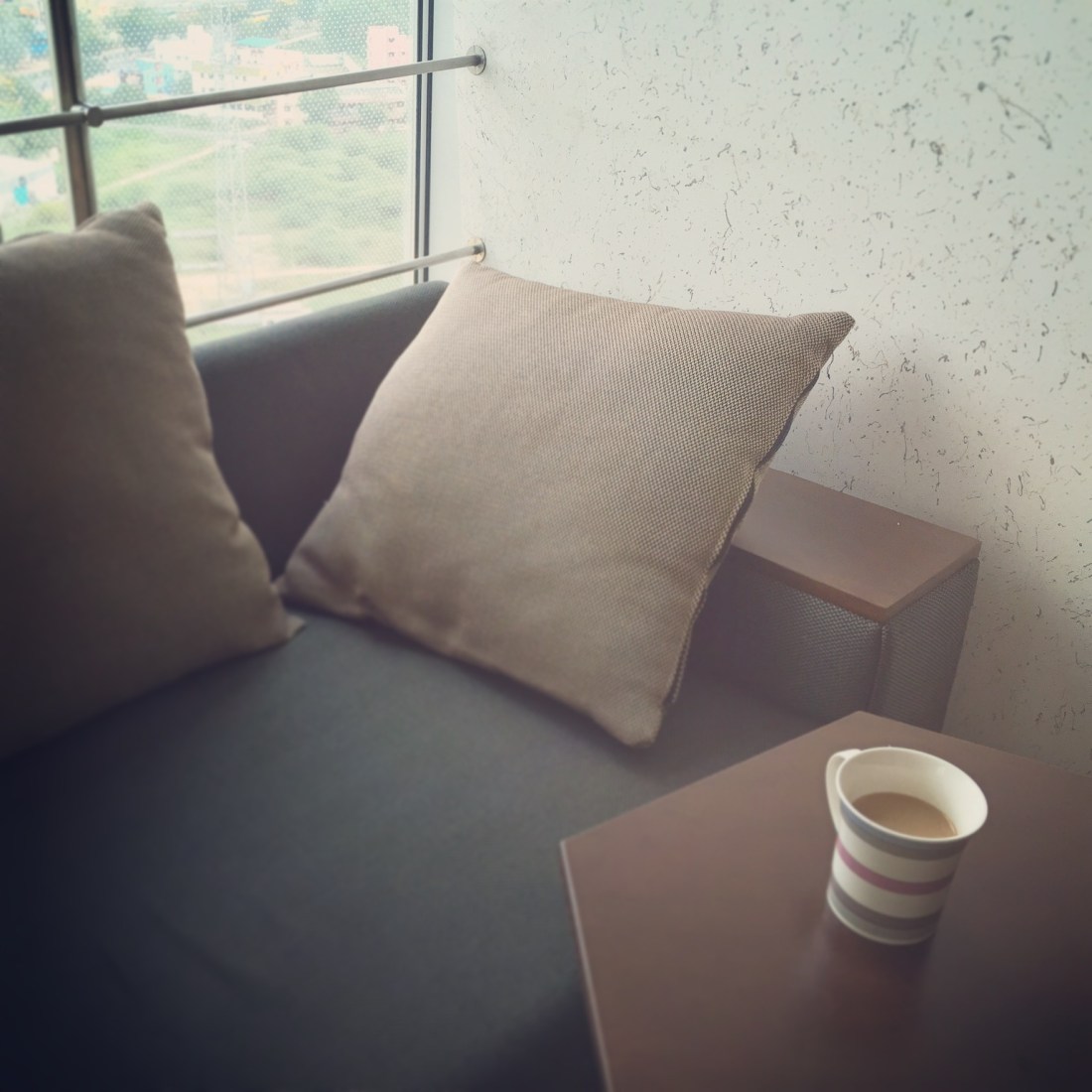
Coffee is all about being in the right mind. And in the early morning, looking down from 12th floor at miniature figures rushing to start their day, coffee is all that is in my mind.

Looking Within

I’ve been reading the Zen and the Art of Motorcycle Maintenance for a while (from November, to be specific), and though I have mixed feelings, I love certain concepts the author mentions.

Like how irrelevant grades and degrees are, for instance.

“This surprising result supported a hunch he had had for a long time: that the brighter, more serious students were the least desirous of grades, possibly because they were more interested in the subject matter of the course, whereas the dull or lazy students were the most desirous of grades, possibly because grades told them if they were getting by.”

And it’s true. We’re always looking for something to point us to the right direction. We want someone to acknowledge us and tell us we’re doing the right thing. We want an authoritative figure to assure us we’re getting by.

But do we need that? Perhaps we should look further than other people to judge our abilities. Perhaps we should look at ourselves, and define ourselves, by ourselves.

“He had wanted his students to become creative by deciding for themselves what was good writing instead of asking him all the time. The real purpose of withholding the grades was to force them to look within themselves, the only place they would ever get a really right answer.”

It’s OK to be average at something. But unless we look within and accept how much we can grow, we may never understand how we’re getting by.

I enjoy reading this book. Even if it does make a good pillow.