

We are naught without our beliefs,
they said
We have to defend our rights,
they said
We should show them who we are
they said
“Forward! Charge for the guns,”
they said —
based behind ballistic glass.
We are naught without our beliefs,
they said
We have to defend our rights,
they said
We should show them who we are
they said
“Forward! Charge for the guns,”
they said —
based behind ballistic glass.
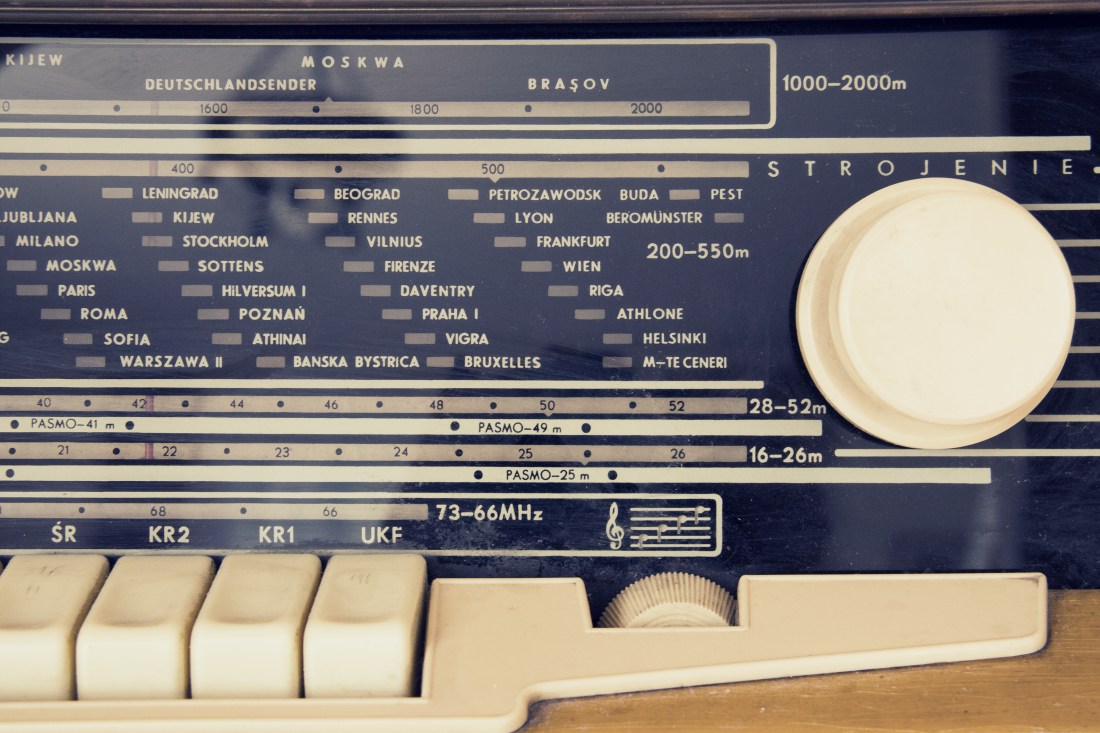
Who can resist perfect strumming? I surrender.
It doesn’t blare; the music doesn’t hurt my ears — even if I’ve turned up the volume to maximum.
What is it about this song? It has no extraordinary opening. Perhaps it’s the crescendo that comes later on— with notes so high and complementing drums.
Or, maybe, it’s the way it changes — no two seconds are same. It rises, and it falls, with unmistakable, yet subtle transitions.
The sound of the music makes me delve within myself, to find that hallow space deep down and do — nothing. It reaches that space just to remind me of its existence.
Every time I replay the song, the tunes scratch the surface of my deepest emotions. It leaves my insides tingling so much that I want to shout, dance, and cry like a maniac — all at the same time. Without looking disturbed myself. Because I don’t feel negative. Just insane peace. Like a slumber in a crisis. Or in the eye of a tornado.
A silence engulfs me just before the ending, and as the final tones die down, the world glares at me again, with its teeth barred.
Same call it escapism. But don’t we all seek art to distract ourselves? To get away from everything — even if only for a while — and enjoy a speck of calm?
I’m most alive when I listen to this song. My mind reels, and even does a tap dance at times. My body lives without my mind’s interference. I feel myself, the real person underneath the messy hair and shabby spectacles.
It’s freedom unlike any other.
Music cuts the leashes that restrain my mind. Once free, I am unaffected even in a throng. I can sit for hours straight caring naught about anything.
I’m above it all. I wonder, I wander.
I peeked through the window at the winding hairpins they called a road. We didn’t get a moment of rest. Every second of the journey felt like treading on a giant sand paper. It was bumpy, curvy, and clammy — yet it was the best trip I had had in a long time.
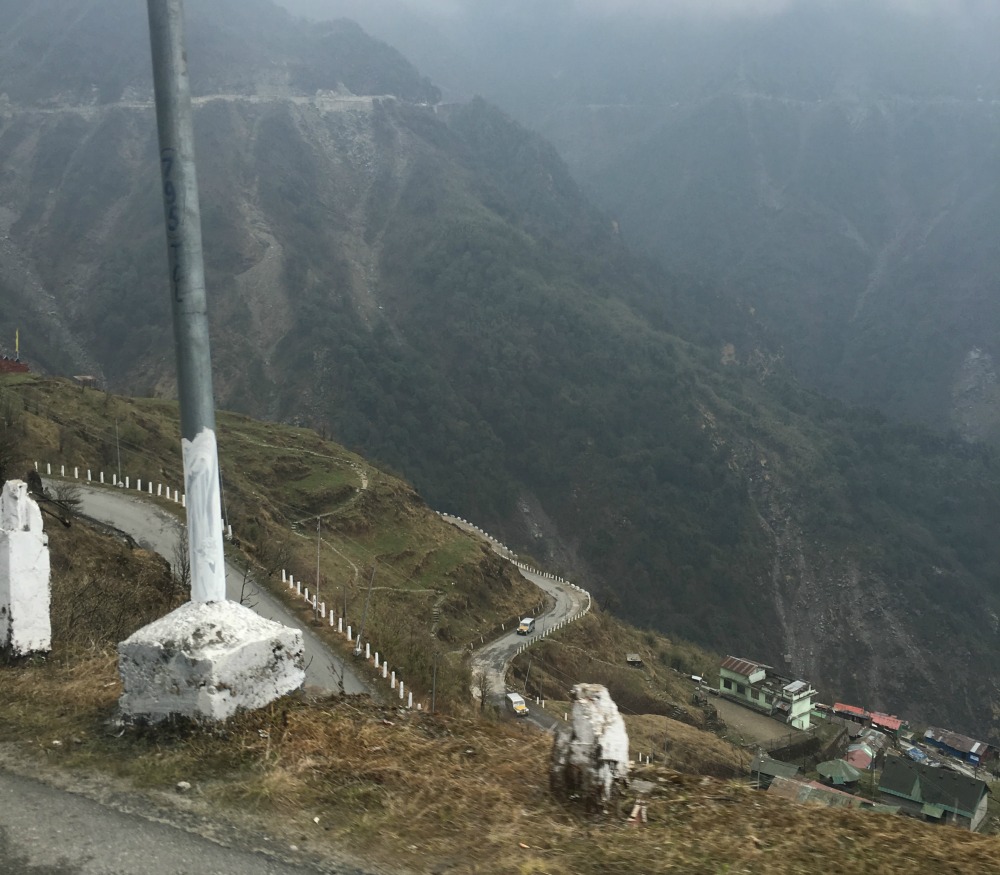
Everything about the road was dangerous. And that only made it more exciting. At least for us inside the car. Visibility was a thing of the plains, not the mountains. The mist — or fog, I never know the difference — hung in front of us, obscuring our path for hours together.
Our driver wasn’t keen on headlights. He’d realised they were useless anyway, and decided, instead, to rely on his instincts, hoping no vehicles would come at us from the opposite direction. Despite it being a national roadway, with over thousands of vehicles passing by every day, the road isn’t safe for two vehicles at the same time.
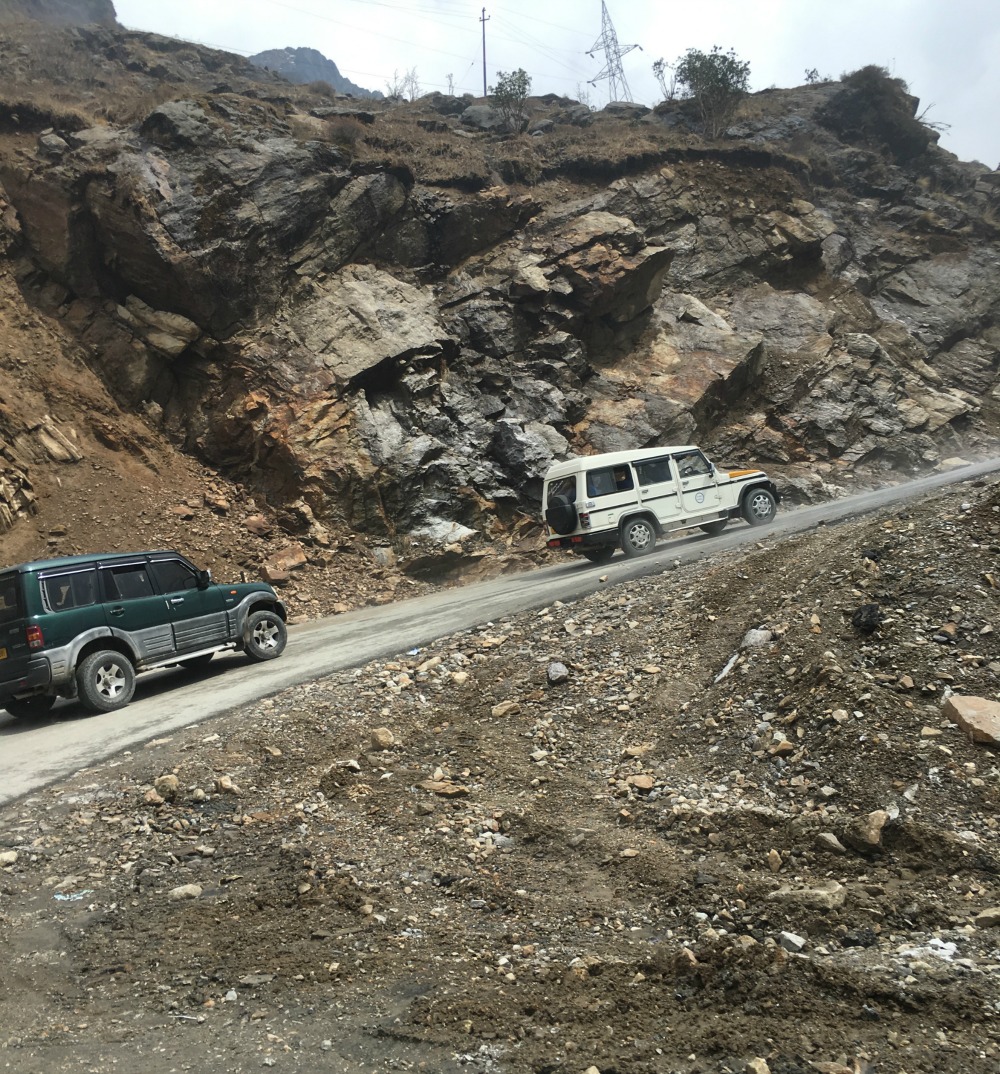
Just as I had made peace with myself that the ride wouldn’t kill us, we made a swerve so sharp that I bumped into my neighbour, almost pushing her off her seat. Grinning and wishing we hadn’t made each other too awkward, we both turned to look outside.
On the right I saw cliffs steeping all the way down to the oblivion. When I hugged the glass to get a better glance, I saw turquoise splashes of unspoilt water, flowing through rocks as shaven as a bald man.
On my left rose the biggest mountain I had ever seen. It felt more like a massive rock spotted with natural beauty chasms. I hadn’t expected mountains so huge, so dented, and so beautiful — all at the same time.
Looking down from the airplane, I had seen an expanse of parched land, bearing more sand than I could capture in one photo. But as I passed through the same mountains in a much smaller vehicle, they seemed as alive as the giant beanstalk itself. With tiny people, in their efforts to conquer everything they chance upon, picking their way through the solidity.
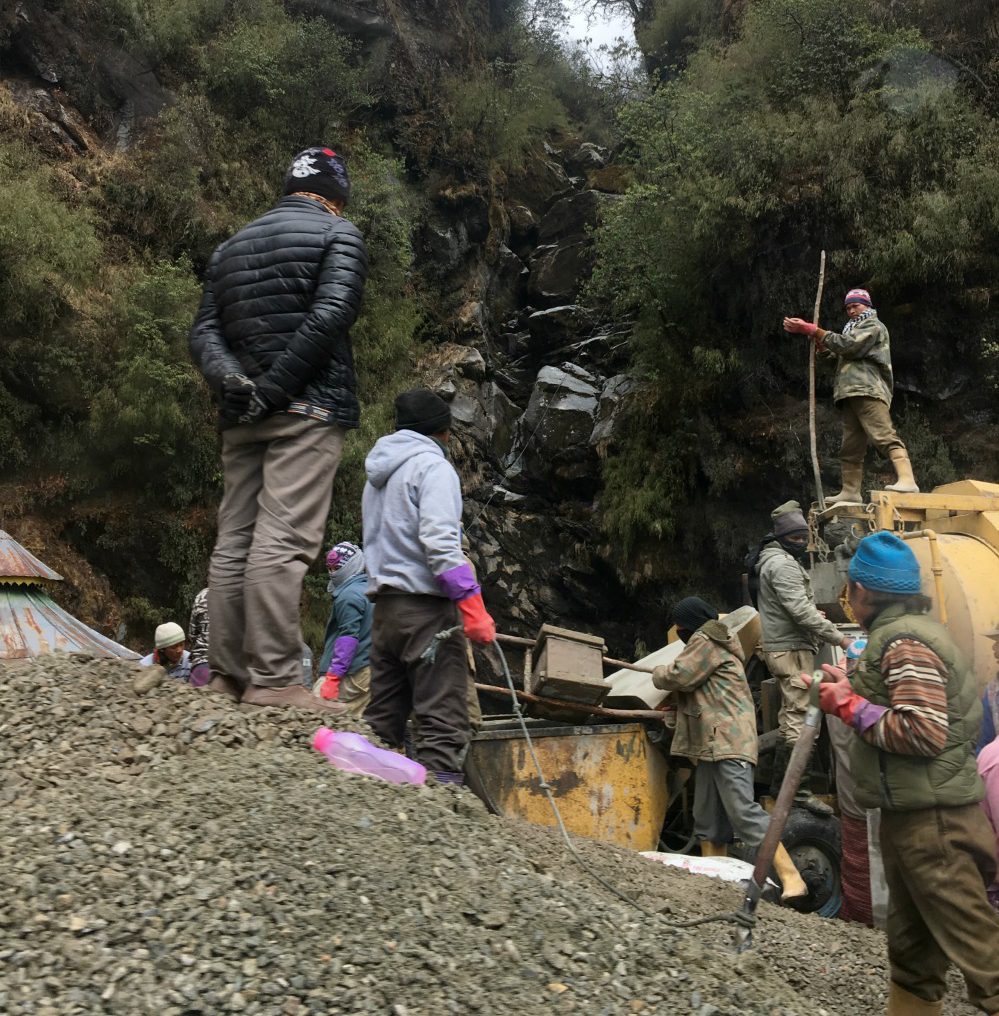
Throughout the day, they seemed at work, reconstructing, drilling, and planning. They went about unperturbed by the endless stream of vehicles. It was just another day for them. Countless passers by, random people getting sick, people staring, provoking, feeding the monkeys, and some others hoping to become the next great photographer.
We didn’t seem to bother the natives at all. But nature was less forgiving. From woollen gloves that betrayed me, and mountains that loomed so high that they made me trivial, to the trees that swayed their disapproving heads as I pulled a sweater over my head.
Nevertheless, it all was worth it.
We often see only what’s in front of us, and not the big picture. In front of me was a stack of hats.
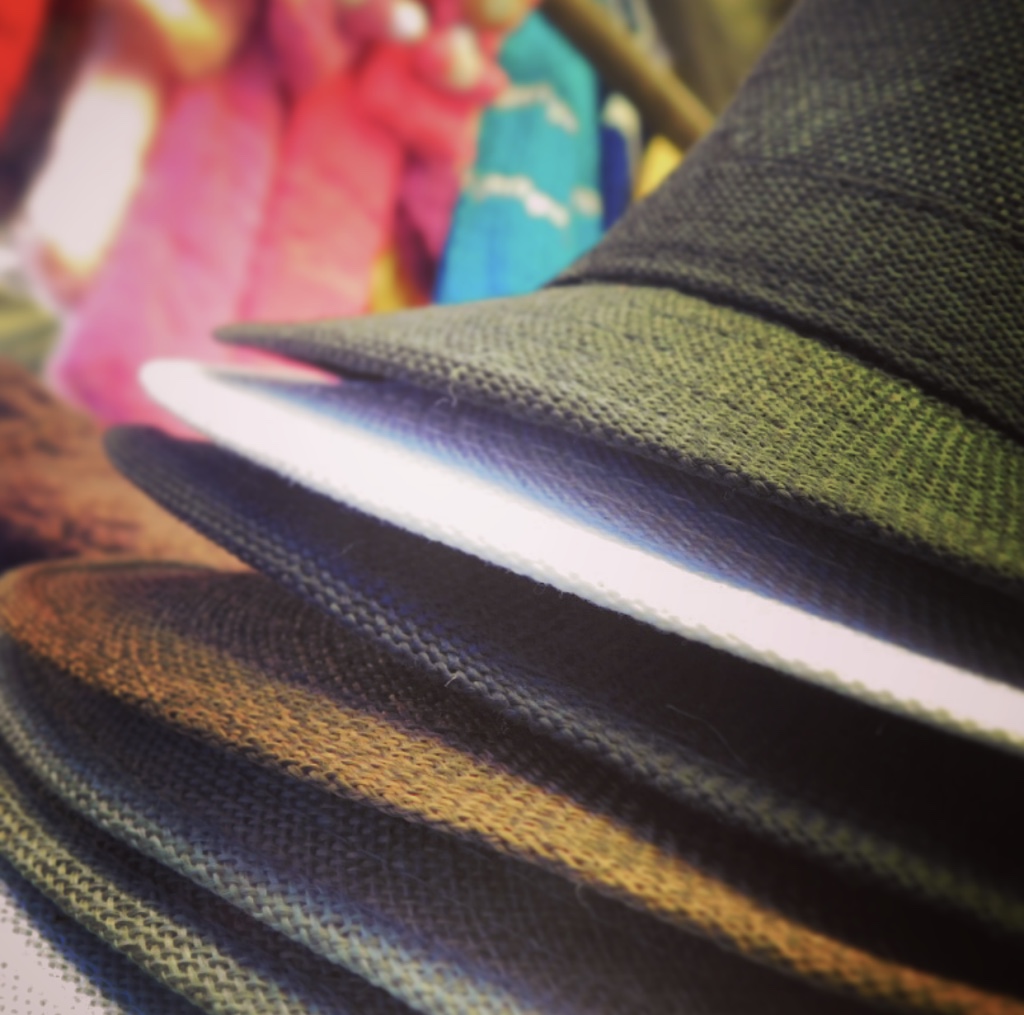
And the big picture?
A buzz of tourists making their way through scores of street shops, picking souvenirs from the beautiful arsenal of treasure.
When I walked into the Himalayan Mountaineering Institute and museum in Darjeeling, I didn’t know what I was hoping to see. In hindsight, it seemed obvious that they’d display the tools, the gear, and even the remains of some of the Himalayan creatures.

But it wasn’t so obvious then, and it was all the more disappointing when they had a clear sign prohibiting all forms of photography. We walked through dozens of glass boxes that rose to the ceiling, encasing mementos from mountaineers who had conquered Himalayas. From little chisels, stoves, and crockery, to even the tents they slept in during their expeditions. They were all in there. And for a moment, I couldn’t grasp the magnitude of what I faced.
The Himalayas wasn’t just something we heard about in the media anymore. It wasn’t just the highest mountain range, with a cold index that no one should underestimate. Standing there, looking at the plate a mountaineer had eaten out of when he was camping in the Himalayas made me realise how big the whole thing was. From being a natural phenomenon that mankind could never conquer, to watching photographs, and clay sculptures of the mountain itself, of the climbers picking their way through the snow caps — it all became too real too soon.
I marvelled at the fact that people just like you an I have managed such a huge feat. They weren’t some weirdos or a mysterious elite. They could have been as ordinary as our noisy neighbours. And yet, somehow, extraordinary. Looking at their possessions, I wondered, that particular mountaineer must’ve have liked his tea like I did mine: A mugful.
And that realisation brought me closer to humans than anything else had ever done.
 The Chaos Within