Many is one

The best thing about modern art is that it has no definition. Anyone can interpret it in any way they like. The artist doesn’t have to be precise or convey everything that runs in their mind. And that’s why no two people absorb a piece of art the same way.

But when the artist has multiple interpretations of their own to convey, then perhaps this is how it might look. This work of art sits at the Museum of Modern Art in San Francisco, California. It reminds me how a single thing can be single and many at the same time. It’s a depiction of how changing, how unfixed art—and to an extent, life—is.

Museum of Modern Art

Food, food everywhere

During my visit to the US, of the many things that stood out to me as weird, food was a major shock. Although I’m not one to eat in a gluttonous way, I make sure I eat every last morsel of food on my plate even if it means eating beyond my capacity. Food wastage is one of my biggest concerns and I have strong opinions about people who order too much and not eat what they got. And so the sheer amount of food in American restaurants I visited overwhelmed me. Not only were the portion sizes ridiculous but almost none of my fellow-diners managed to finish their meal. Perhaps it’s because American culture is so ingrained in sugary sodas and crunchy mid-meal snacks that no one has the stomach for a proper meal.

Regardless, the first time I was at a restaurant, it pained me to see my friends struggle to finish theirs while I ate my larger-than-necessary serving in the most polite way I could. My friends gave up while I was still eating. We had copious food left on the table and I was preparing myself to see all that food go to trash. Just then the waiter stopped by our table and asked my friends, “Would you like a box?”

The next five minutes threw unfamiliar scenes at me. Our waiter brought us a handful of of carry boxes. Leaving them at the table, he smiled at me while I stared in surprise. One by one, my friends scooped up the food on their plates into the boxes. They were taking the leftovers home.

Wow.

Nothing could’ve prepared me for that unexpected turn of events. Within minutes I had gone from mild irritation, to suppression, to unexpected joy, and then to growing shame.

It was only later that I realised how common it is at restaurants in the US. I felt nonplussed all of a sudden—happy, yes, but confused nonetheless. I felt proud of my American friends for their responsibility and candour. They didn’t care if the food had grown cold. For as long as it’s edible, they ate it.

In stark contrast, where I grew up, almost everyone who doesn’t finish their meal at a restaurant leaves it for the trash can. In all my life, only a handful of times have I seen someone asking the waiter to pack up leftovers. And even then, it was the waiter or the kitchen staff who’d pack it up. Even at home, my society has conditioned people to expect warm, fresh-cooked food three times a day. Left overs and cooking disasters often went to domestic helpers. It’s a disgusting habit, I admit, that my society cultivates along with other home and cultural traits.

That’s why, having grown up seeing and seething at such incidents, I felt a little better at eating out in America than I do at home. I knew that even if I couldn’t finish my serving, I wouldn’t have to choose between forcing myself and throwing away food. A habit we could borrow from our western friends.

Under unnatural circumstances

A self-professed nature lover, I adore wild trees with their branches untamed, flowers scattered about, and squirrel-bitten fruits ripening in various stages. Something about unpruned nature gets me excited every time I see it. Whenever I see manicured plants in the various housing apartments in my locality, I cringe and pass silent judgement at those who resort to a vain attempt at getting close to nature.

Regardless of my disdain, however, I realised that I appreciated the same practice when I saw it in the US. Not because it’s a foreign country and that I wouldn’t say anything against such a global leader—no. A dissenter, I can vent about the country at length. But that’s not for now. But the real reason I enjoyed organised nature in the US is because for the first time, I saw it done in style and in clear consideration. It was in Dublin, a small locality in the Pleasanton area of California.
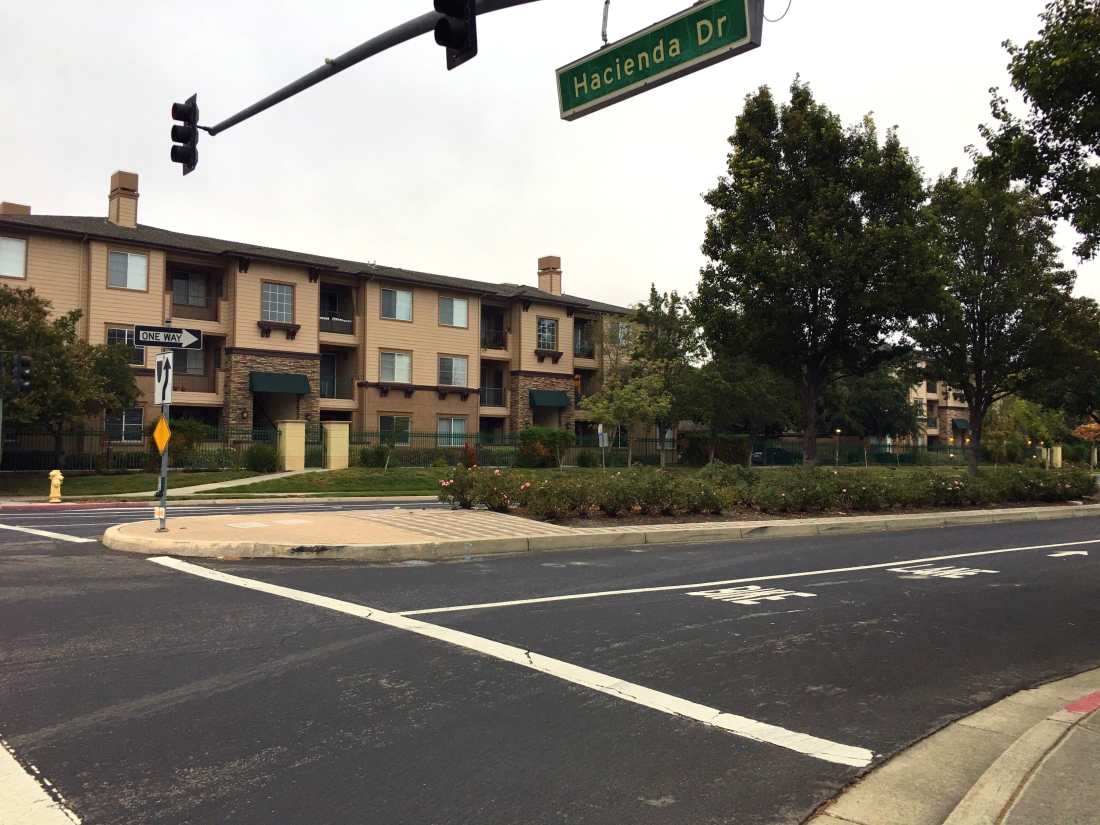
Hacienda Drive, Dublin

The first thing that struck me about Dublin and the rest of Pleasanton is how clean the place is. I’d seen far shabbier localities in San Francisco city, so I knew Pleasanton did something different. It was when my colleague mentioned that Pleasanton is a planned city, that it dawned on me what an artificial place I was at.

Nothing about Pleasanton seemed natural. I began to notice the little things that came from elsewhere, planted and pieced together to form the city. From the trees that lined the footpaths to the pebbles that added beauty and glint, not a twig was out of its place. Shrubberies grew well within their borders, leaves stuck to their branches, and all fruits at the same stage of ripeness.
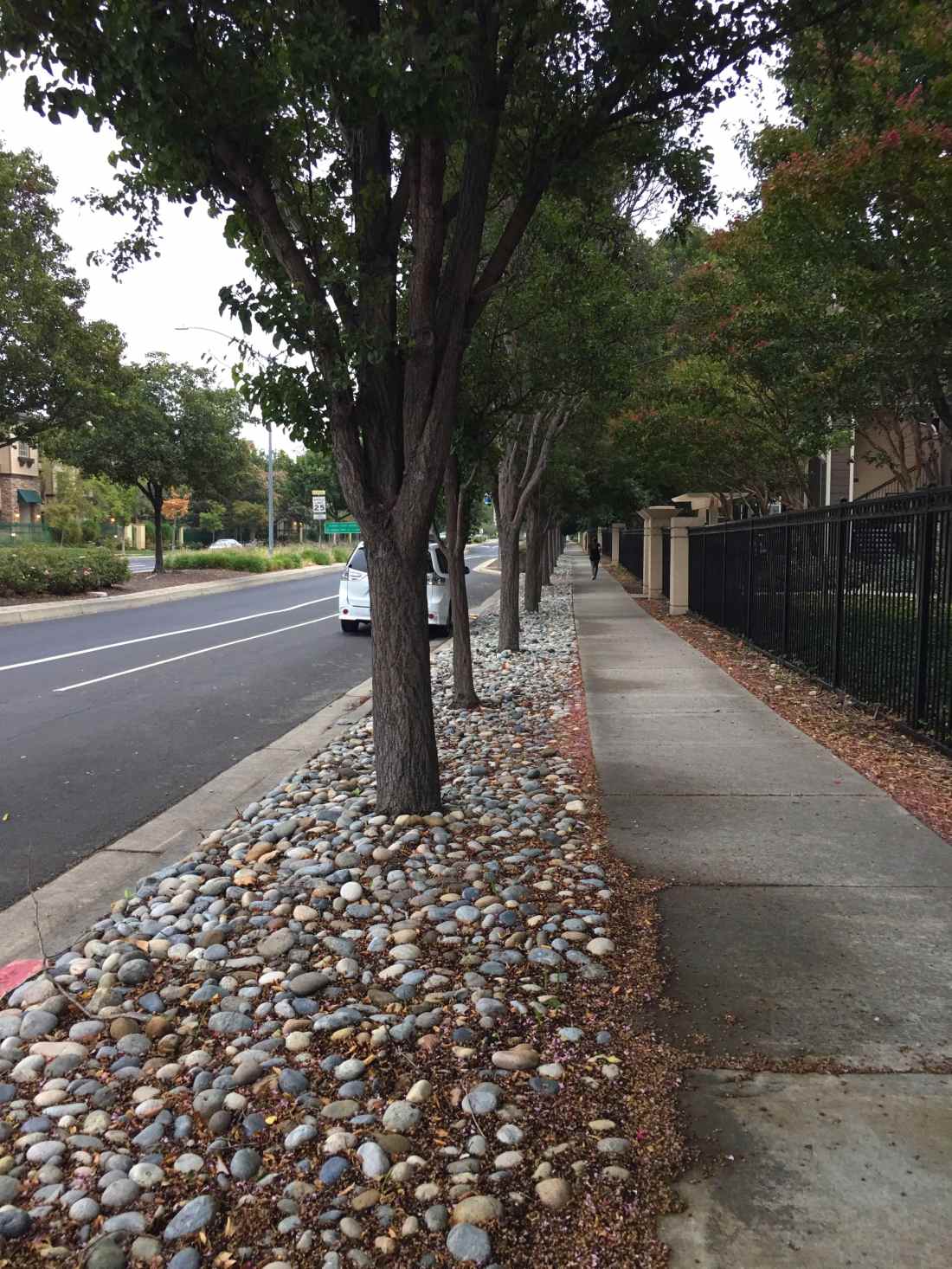
Pathways, Dublin

Regardless of all that, I still enjoyed walking around the neighbourhood. I didn’t know why at first, but the more I explored, the more I understood. Dublin is a rich neighbourhood. Most of its population has passed middle age and is considering settling down and retirement plans. Since a lot others are either business owners or high-level corporate employees, they don’t need to haggle to get through each day. They, unlike people in unplanned cities, can afford to demand perfection. They’re so accustomed to having things their way that improperness gets on their nerves. The whole town, for instance, shuts off at about 9:30 pm. Nightlife is almost non-existent in the streets and silence rings louder than a foghorn.
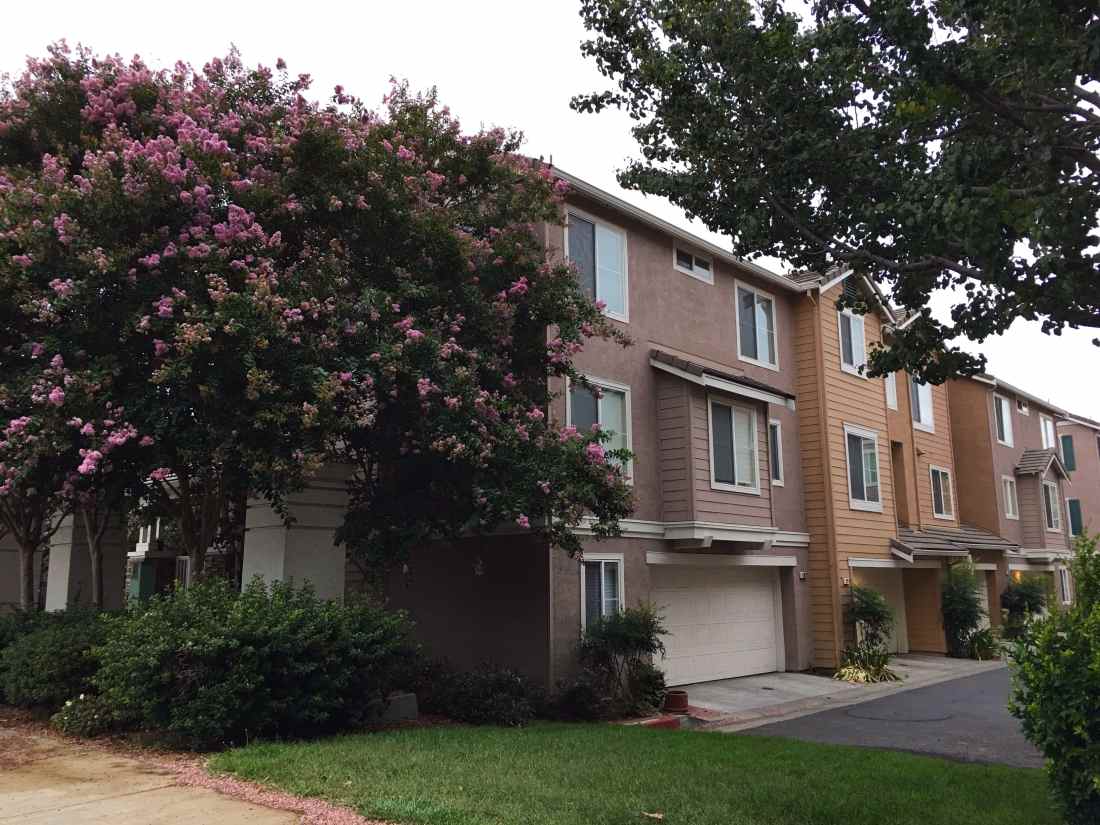
Houses in Dublin

All of this was new for me. I’d never before shared privileges that the Dublin folk takes for granted. And that’s why the perfection and drastic change of scenery impressed me. Walking by house after house, each competing with the other in terms of class and bigness, I gawked in surprise. Walkways were seamless, street signals on time, traffic rare, and drivers polite. While I admired in wonder at everything I saw, it was as if nothing could surprise the locals. They’re used to everything being the way it is—designed without a single flaw.

Did I cherish my time in Pleasanton? Of course, I did. I felt elite and rich. Although I don’t see myself living in such an environment (until perhaps I’m 60 and cranky about petty things) it was wonderful nevertheless.

Dublin trees

Oh, and though authorities count and account for each tree, the sunlight glittering through them is a sight worth beyond words.

Unseen

The detective studied the rotting corpse laid out on the table in front of him. She had lived the high life, he could tell from her manicured finger nails and pruned eyebrows. She’d made conscious efforts on her appearance, he realised observing a sheen of foundation clinging to skin that stretched over handsome cheekbones. Young and married to a wealthy realtor who was working out of town, nothing about Keira betrayed the cause of her sinister suicide.

He scrutinised her for a sign. Why had she overdosed on sleeping pills? Alas, he couldn’t have known: loneliness left its mark within.