
A birthday at work

“Hey Jared,” called out the new intern. She was much younger than I, but our work etiquette encouraged us to collaborate on first-name basis. I didn’t care much, because it made me, even only just, feel a little younger.

“Yes, Sharon?” I replied without looking up from my laptop. I had a project I had to submit by the end of the day, and I had just begun to put it together. It had been a hectic week, and I was already looking forward to the close of the day and the week.

Sharon didn’t reply. I typed away unpertubed for a while, but she called out again, louder this time, forcing me to look up, irritation balooning within me but a smile spreading on my fake face. “Sorry, was busy.” I added an extra emphasis on the last word. “What’s up?”

What an easy phrase that was—what’s up. So helpful when you don’t know what to say, yet so casual that it won’t sound like you’re pissed off at the person you’re saying it to—even if you are pissed off.

“It’s Wendy’s birthday on Monday, and we wanted to get her a cake, and also decorate her work place.”

Wonderful. Just what we needed now, a birthday party. As if we don’t have enough distractions already.

“Oh.” I replied, instead, unable to say anything further. As she looked at me expecting I’d say more, I forced myself to do so, “Oh, ok. That sounds cool.”

No it doesn’t. You’ve worked here one week, why would you throw Wendy a party when you don’t even know her that well?

“Great!” Her eyes popped with with excitement. We’ll order a cake and hang back after work today to decorate her place. You’ll help us, won’t you?”

Why should I? It’s Friday!

“Oh ok,” I trailed away. If I had to spend time decorating with the new kids in, then I’d better finish my work fast. I heaved a deep sigh. Just then, my phone lit up with a push note from my bank: my credit card bill had arrived, and I owed more than I could afford this month. Ah, well. More dues; no news.

I continued to type away wishing this project would end, and with it my responsibility in it. It had taken us more than half a year to get the project up and running, and even afterward, our clients came back reporting issues and disappointmnet. The boss and I had been emailing each other for a while now, he trying to get me to fix it, and I trying to explain to him that we don’t have enough resources.

“Hey Jared!” Sharon’s voice jutted into my thoughts again. Masking my frustration, I looked up again, and trying to sound as innocent as I could replied, “Hmm?”

She looked down at the notebook in her hand, biting the end of her pencil. “It’s three dollars each for the cake, two for the decorations, and a five more for the Papier-mâché doll—the present.” She narrated in an even voice, careful not to give away the impression of robbing me. I saw right through it.

Brilliant. Ten dollars down the drain. For a birthday that will only depress Wendy because she’s getting old.

Wendy and I had been colleagues for over two years now, and though she loved the occasional splurge, I knew she wasn’t taking this birthday in her stride. She had complained to me on various occasions about feeling “old timey”.

“Woah, that’s a handful.” I had to protest. These kids would do anything to get a few likes on Instagram and Facebook. After all, they still lived under their parents’ patronage. “Are you sure you want to spend that much?”

It’s almost the end of the month, and I’m running short of cash.

But I couldn’t tell them that.

“Well…” She dragged on trying to figure out a way to convince me. “It is a bit fancy, but it’s Wendy.” She cocked her head to one side, letting a little streak of untied hair fall down to her eyes. She pushed it aside in a sweeping motion. “She’s like a mentor to us,” she turned to the other four new interns who nodded as if their life depended on it, “and we want to thank her.”

Oh, well. Wendy will be happy, but I’ll be the one getting her a cab home from the bar tonight, after she weep-drinks complianing about her age.

I knew better than to judge Wendy. I had been there myself, and she had been there for me.

“Oh, alright then. Let me finish this first, and I’ll pay you after.”

If the kids wanted to thank her, but end up depressing her inspite of it, I’ll be there for Wendy.

And with that, I went back to my email, writing to the boss: “Sure, thing, Daniel. I can pull some strings with the supplier, and see how we can solve our client’s issues. You can count on me.”

Hit jackpot

jackpot

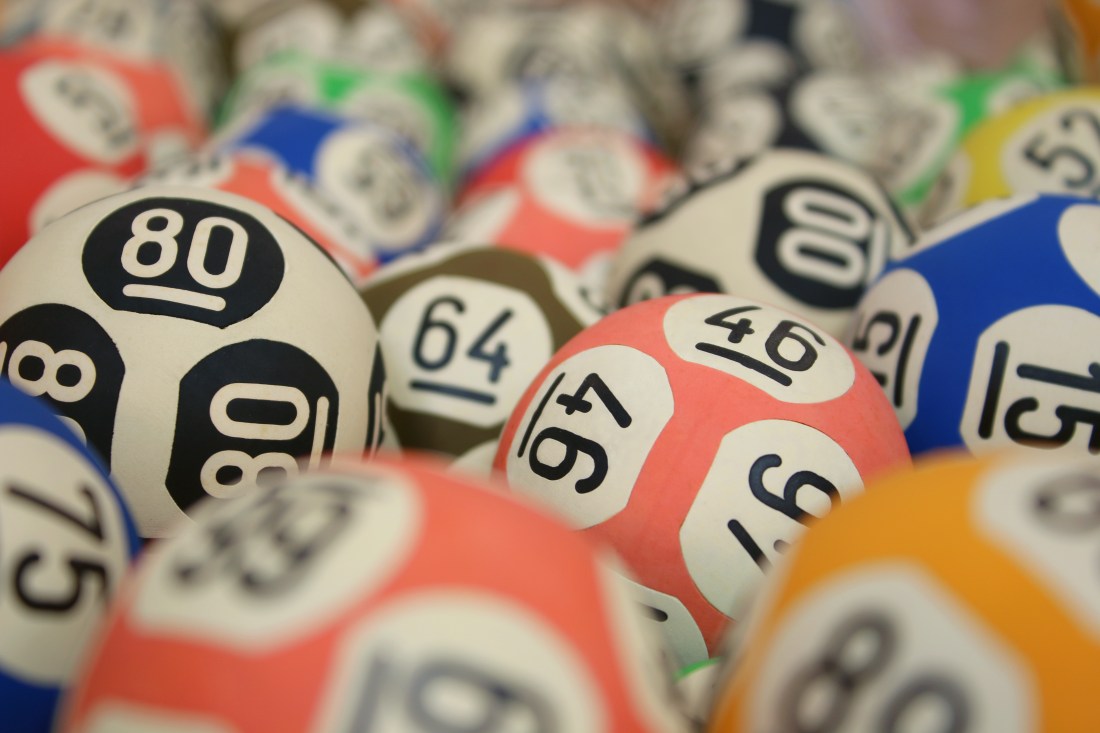
I’ve never had any strong opinion about lottery and jackpot, except that I knew it was a dangerous addiction. I didn’t have any friends or relatives under the habit, and so I never had to think about it either. Until yesterday.

A close friend sent me a message. He had won about $260, and he had spent less than $3 for the ticket.

My first reaction was joy beyond belief—elation. I felt as if I had won the money myself. But the next moment, surprise took me over. It struck me as weird how easy it had been for him to win so much money. It was like pocket money for him now, and it came from working zero hours, spending almost none of his effort. It was no-sweat cash.

And that made me realise how hard I work for the money I make. I love my job, I look forward to Mondays as much as I do to Fridays, and yet, I work harder—much harder—than he does to make almost the same as he does. And to cap it, he had just won an additional jackpot that doesn’t even count as part of work.

I wasn’t jealous, I knew him too well to feel any bitterness towards his luck. And besides, when you’ve got a lot of debt to pay off, you can never have too much luck or money. And I knew he had debt, and so, good use for that money.

Despite all that, though, I still couldn’t accept the concept of a jackpot. It’s so unfair. Unfair to the hardworking, to the ones clocking eight hours a day at work and another hour or two at commute, unfair to the labourers, those working with heavy machinery, people waking up at 3 in the morning to serve hangry passengers in railway stations. If only they had the luck.

Perhaps that’s why the lottery lures us common folk. The possibility—if only. We yearn for whatever little luck a tiny piece of multi-coloured paper would sway our way because our lives hang in dire circumstances we crave to unhinge. Maybe lottery addiction stems from the desire to do more, to have more, in life.

Which leads me to believe that no one is happy with what they have. No one’s satisfied enough, seeking the bubbling reputation, even if it takes them to the canon’s mouth. We’re all reaching in the dark, hoping to grab the light that would light up our lives, free us of our debts, give us a bigger car, a faster laptop, or a smarter phone. Pity, though, that we lay so much of our life on a piece of paper that—as much luck as it brings—may as well fly right out of our reach.

When arts and science collide

As an arts student in school, I had a hard time mingling with the science kids. For them, I was the one who read literature, making fiction the reality of my life. Whereas they micro-examined every organism, demystifying the nature of life. For them, I was nothing but a flimsy girl who walked around with her head in the clouds. My, they were so arrogant at times.

Most science students had the same egotistic attitude, and I so I began hating the elite that was science. Pity, since I enjoyed drawing sketching the heart, naming its parts, and narrating the story of how during inhalation, oxygenated blood runs through the veins, reaching every organ while deoxygenated blood travels through in the opposite direction. It was fun to create poetry about the body—for which I had to know about both. It wasn’t meant to be, though, because I didn’t want to become a bully as they.

I held on to literature, letting science off.

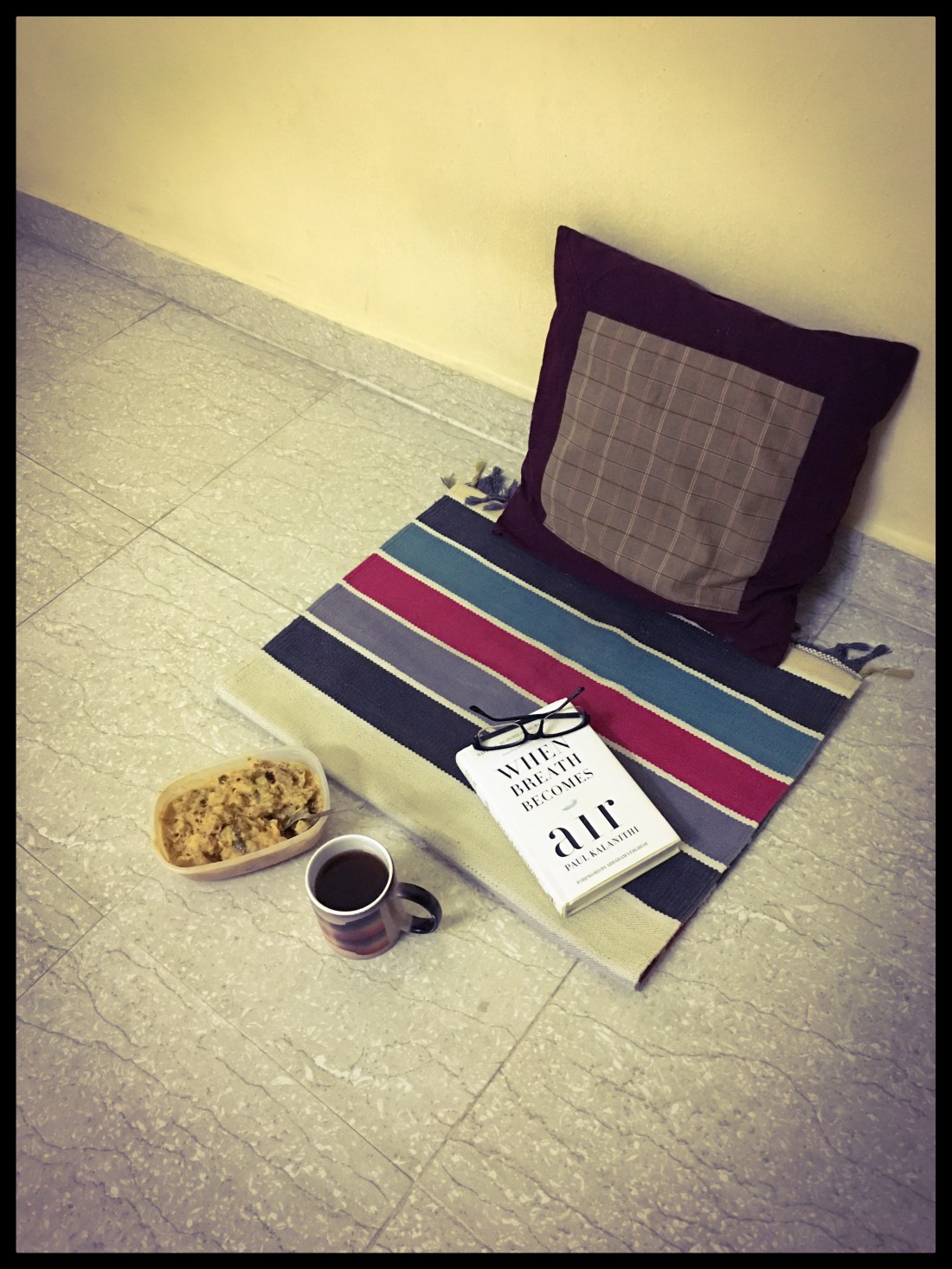
When Breath Becoms Air

And so when a friend recommended a book written by a doctor battling lung cancer, I hesitated. Did I want to read a fantastic, ego-filled book about how medical practice taught this doctor the fleeting nature of life?

My friend insisted, and I decided to give Paul Kalanithi’s When Breath Becomes Air, a try.

Just a few pages into the book, I realised I had been wrong about the author. He wasn’t just a doctor, but a literature major before he ventured into medicine. It was the first time I had heard of a doctor being sympathetic to those dabbling in the fictitious world of literature trying to reveal to the rest of the world that books speak reality, even though they guise as fiction. Paul not only studied literature, but used it as a coping mecanism during his treatment. He was a man of science and facts, but even he needed poetry and prose to survive.

According to the book, Paul loved writing, and reading the book, it’s evident that he did. I breezed through the book taking in all the emotions of a dying man speaking about death and disparity with indifference. In the first half of the book, Kalanithi talks about his journey from a literature student to a medical resident. He narrates his days and nights at the hospital tending to sick, even delusional patients. He writes about his fascination, how he approached anatomy classes, how the blade sliced through the belly of a pregnant woman as his attending doctor performed a C-section, he describes the pounding of a patient’s heart when they had cut through him to operate on the lung, he reminisces an incident when an annoying patient—who had to be conscious while Paul removed a tumor from his brain—swore at the doctors throughout the process urging them to get the stupid thing out of his head. As a reader, I felt myself crooning for most of Paul’s patients, and wishing that last one had died. Paul narrates such powerful stories, that you can’t help but emote along with him.

As a neurosurgeon, Paul speaks of the subtleties of the brain and the care that goes into each surgery. He speaks of the process in such a delicate manner that you, as a reader, can feel the sensitivities involved. As a writer, Paul employs the simplest of language, basic sentence structures, easy vocabulary—all of which makes for a needle sharp impact. The writing is straightforward and factual, the matter he writes about is moving and stiking. As a combination, the book is a joy to the beholder.

The second half of the book is more about Paul himself, about how his life, as a surgeon and as a husband, changed after his diagnosis. He speaks of his waking days and wakeful nights. He speaks of chemo and the pain that pricks at his spine, he speaks of discussing symptoms with fellow doctors, he speaks of his tears, of his fears, of his marriage, and the birth of his daughter.

I’m glad I read this book. It wasn’t life changing, it wasn’t a pool of advice, it wasn’t dramatic, mystic, or any of those things. Instead, it was simple, it was honest, and most of all, humble. And that makes When Breath Becomes Air a worthy read.

Life goals

Susan stumbled out of the bar. Her knees buckled, and the stilettos scorched her feet from within.

It was her friend’s dinner party. There was dancing, drinking, doping, groping, and even some smooching. ‘So worthwhile,’ she thought, squinting for her Uber while rubbing her eyes.

A guard approached. As in every movie she’d watched with friends, he was same: tall, dark, and handsome with bald patches and bold muscles. She recognised him—having often past him in the corridors while rushing for her waitressing shift.

“This isn’t your lifestyle. Why—?”

“I’grew up poor, I don’ wanna be poor grown up.”