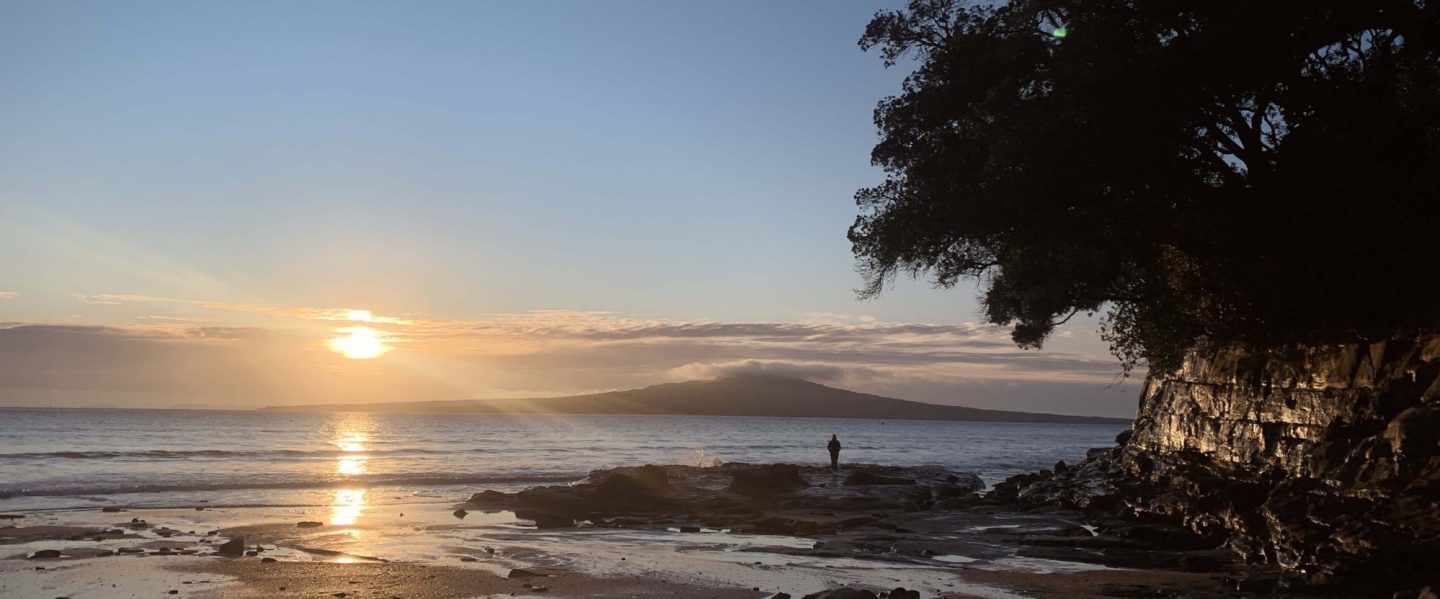

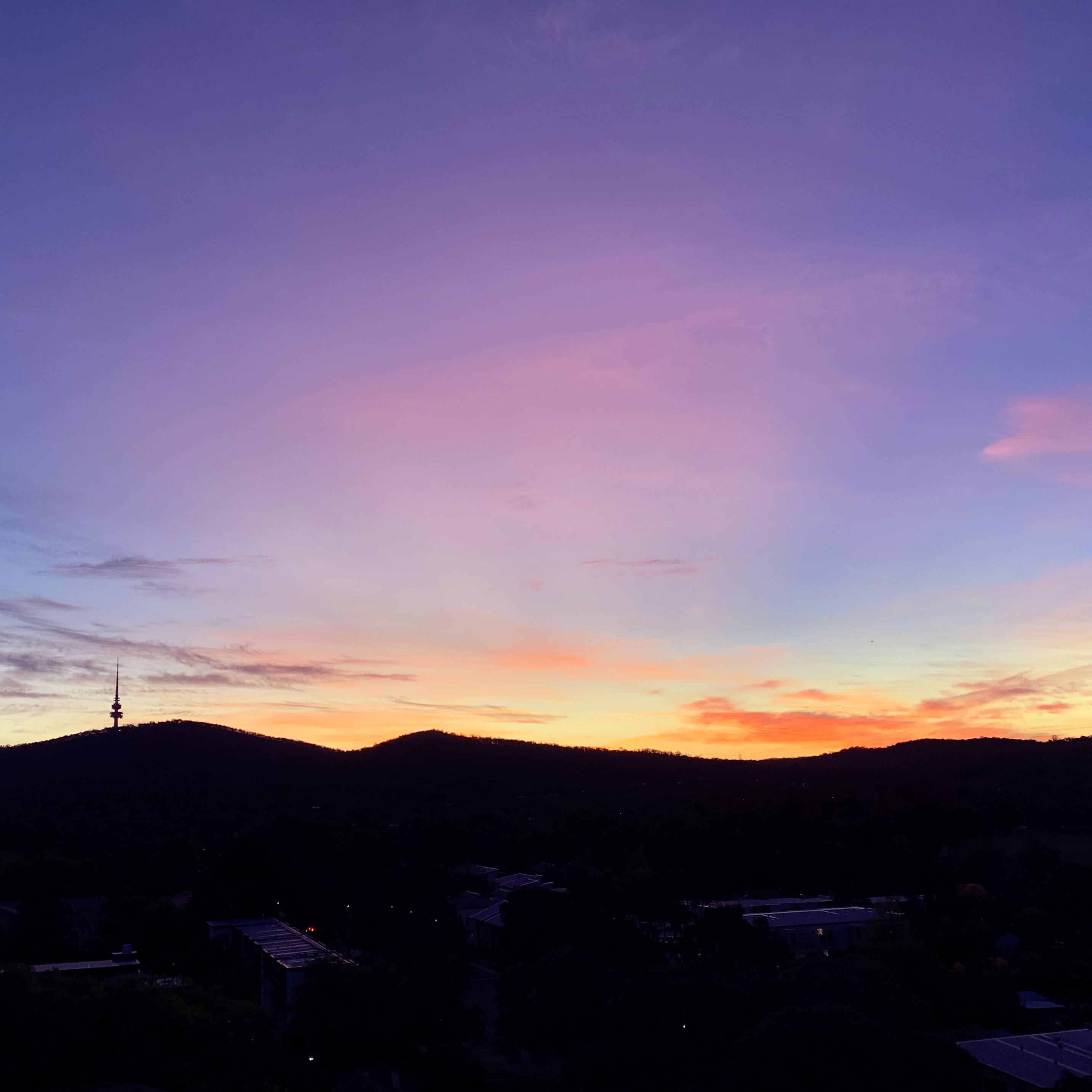
Calmly sets the sun,
despite these unsettling times—
a bright horizon.
Calmly sets the sun,
despite these unsettling times—
a bright horizon.
At least ninety percent of the people I interact with daily involve themselves—and boast about it—in some sort of activism against governments’ inaction on climate change. Until as recently as a couple of months ago, people rallied in closed spaces, furiously discussing the endless possibilities of rallying outdoors, with cheeky signboards and stern yells at authority. It feeds their ego—makes them feel like angry mothers, with a hand on the hip, waving a finger at their uncontrollable toddler.
Now though, with the world gradually going into an impending lockdown, I haven’t seen any of these cluster bombs around me.
Instead of halting traffic and playing their own part in increasing the excess gas pumped into the air as drivers clutched their gears, revving engines, instead of yelling at the top of their voices, as if that’d make global leaders care more, and introducing unnecessary noise pollution in otherwise, quiet streets, instead of wasting everyone’s time just to make themselves feel better as if they’ve achieved something, these non-violent protestors are now in their homes.
Socially distancing themselves from each other, but still unsure what that means, some gather in smaller groups, in each others’ living rooms, to chat about the world and despair at having to cancel protests.
In the meantime, though, the earth has just woken up.
Remember, the first time you let an ant crawl on your hand, how mesmerised you were at its tinyness? How you allowed it to wander up and down from your elbow and knuckles, smiling at its worthless, feeble life at how easily you could crush it? It’s a wonderful experience—to watch an ant strut. Until—it starts to tingle your arm hair, and you feel the ant moving, you sense it more acutely, and soon, you can’t help yourself but smack it or slash it away. The fascinating creature becomes a pest, and like a dog ridding itself of a flea around its ear, you shake it off.
We’re the earth’s ants. We’ve scratched her too long—and now she’s shaking us away.
As we crouch away from all contact, hide in the confines of our own couches, life as we’ve never known it, is returning to its original state. Look at Italy, for instance.
Venice, a travel destination for many, was always too small to treat all the greedy tourists of the world. As a result, it’s faltered under the weight of human pollution. With the country in lockdown, however, because of you-know-what, the waters of Venice are clearer than ever before. Without any humans around, swans and fish rejoice because they can finally breathe the oxygen in those waters.
How sad is that?
The planet’s fine, mate. It’s the people who’re fucked.
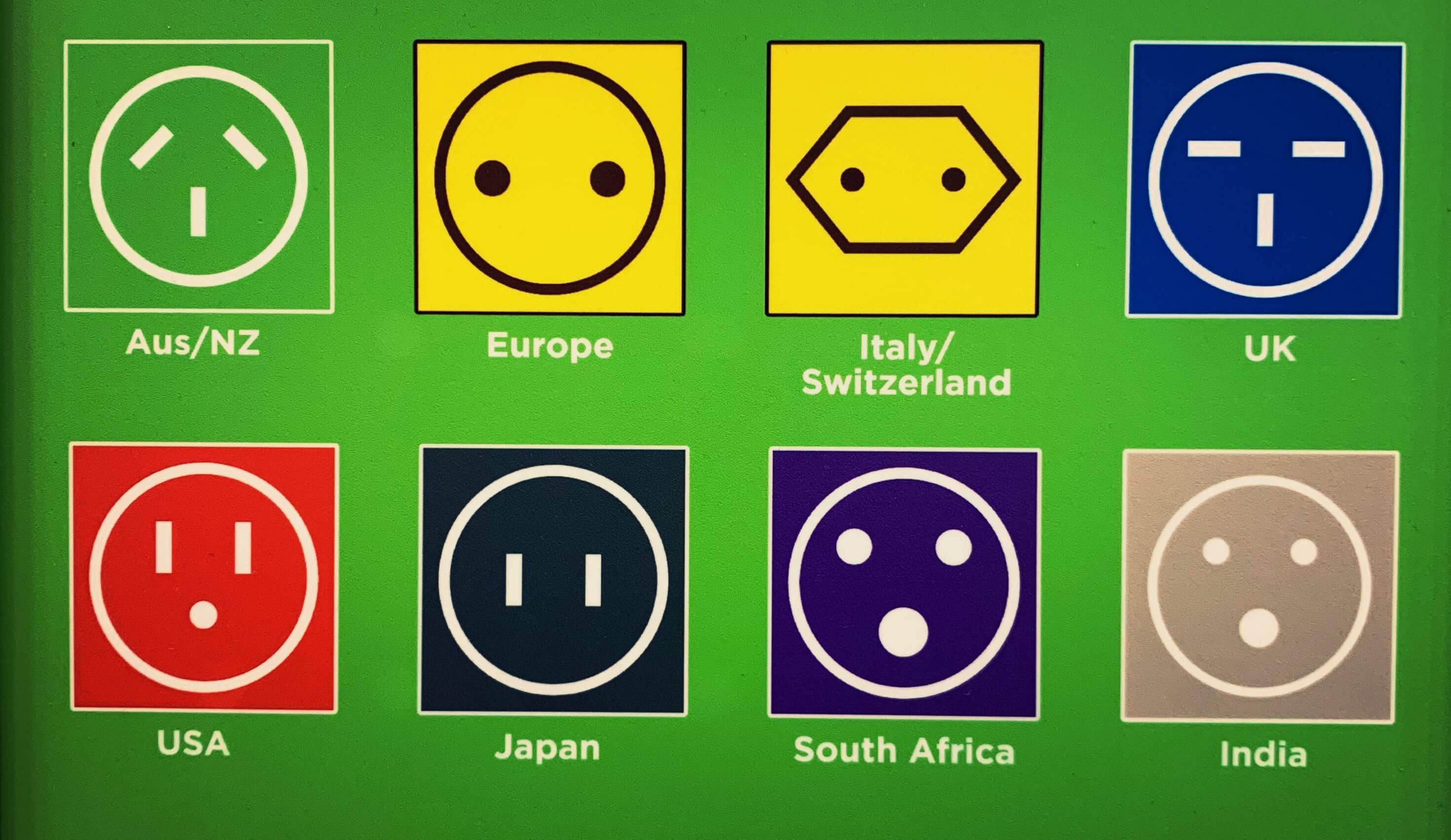
Alters with landings,
travelling—as adapters—
human perceptions.

Owning controlling,
channeling the inner child,
puppeteer singer.
One of the initial and biggest culture shock for someone visiting a western country from the third world is walking into a toilet cubicle and seeing a roll of toilet paper.
On the first morning of my first trip to the United States, in 2017, I texted my brother from the bathroom.
“First world question: is it safe to flush toilet paper?”
I had my reasons, too. For in many parts of the world, places that are still undeveloped after more than fifty years of developing, the toilet system can’t even handle a healthy person’s plump and fibrous roll of waste. It takes more than a few flushes to make sure everything is indeed flushed off and not as disgusting for the next person.
That’s why I was terrified of flushing a wad of toilet paper and messing up the four-star hotel’s drainage system. And so, a wave of relief swept over me as the response came in the affirmative.
Later that morning, my colleague pulled me aside to discuss, in hushed voices and rolling eyes, the great toilet paper incident and how bizarre it is to have so much bog roll but not knowing how to use it. We couldn’t figure out how first worlders could feel comfortable with a backside that potentially harboured dried waste.
Growing up in Asia, my colleague and I were both used to washing ourselves with water. As toddlers, we were potty trained, which not only helps strengthen thigh and waist muscles for later in life but also makes it so much easier to wash ourselves after we finish our business. Even to this day, countless Indian homes have potty-style bathrooms that are highly effective in preventing the spread of germs introduced by western commodes.
However, even when Asian countries adopted the modern and more convenient commode system, they still retained the washing habit by installing hand showers in the bathroom. Hand showers that required some additional plumbing, but made a lot of sense nevertheless. Resembling a sprinkler garden hose, it’s fitted into the wall next to the toilet, making it easy for the loo-goer to squish, splash, and then return it to its stand and walk away clean.
I’ve visited the US a couple times afterwards, and since migrating to Australia last year, I’ve become far more accustomed to the idea of using toilet paper multiple times every day.
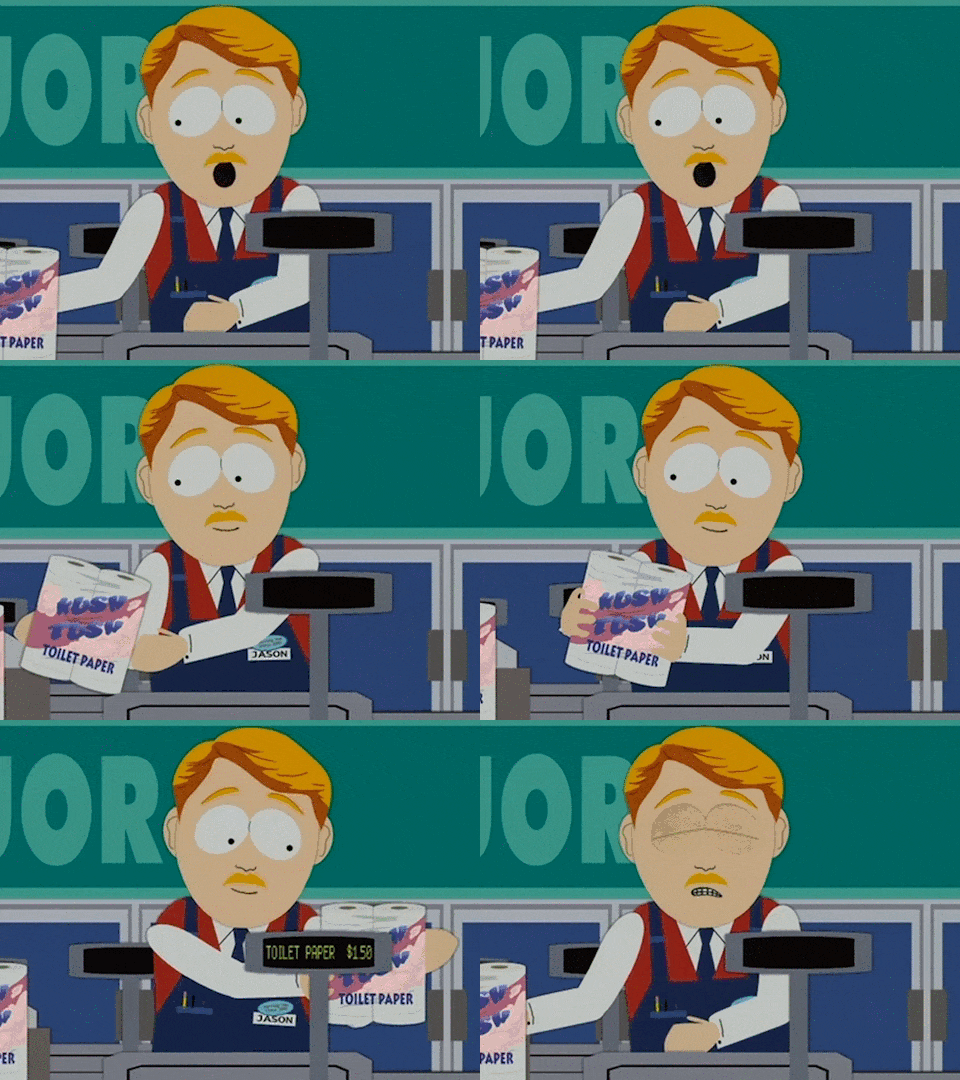
All that said, when coronavirus came into the picture, just as the bushfires were settling down, we went from one unprecedented incident to another one. From donating supplies to people evacuating fire zones, we’ve gone to physically assaulting each other for a roll of toilet paper. This paper crisis and the disastrous fight for bog roll has taken over the internet with memes, devastating videos, graphic images of empty supermarket shelves, and suggestions to use yellow pages instead of toilet paper.
Amongst this incredible, insane situation, a few odd people have been brave enough to suggest the time-tested Asian washing method, only to be sneered at. It’s not unheard of, of course. Many Australians have travelled widely, and the country itself homes millions of migrants in every state. The hand shower idea isn’t as novel as the coronavirus. It’s even the more environmentally-sustainable option compared to toilet paper. Sure, recycled toilet paper is marketed as better than regular ones, but hey, nothing beats water.
Dear first world, welcome to the third world.

