


Morbid love affair
obsession of possession
story of sieges
Morbid love affair
obsession of possession
story of sieges

Two days ago, I sat outside the cafe I volunteer at, trying to distract myself from my drooping eyes and get some work done. Just then, a cross breeze blew its way onto my face, grazing my cheek. A hot slap. It was 37 degrees in the late afternoon, and my laptop was so hot I couldn’t continue typing. I’d been sitting there for less than a half-hour.
It’s the hottest heat I’ve ever experienced. Having grown up in tropical Asia, I’m no stranger to high temperatures. My dark skin and an unhealthy obsession with zero skincare regimes have left me almost permanently tanned. And so when friends told me it’d be hot, and we wouldn’t want to do anything—even cooking elaborate meals—I was amused. I said nothing, however. I can handle the heat, I thought.
I thought wrong.
It came as a surprise to me that I’m not excited for the impending summer. It’s beautiful outside with lusciousness painting the town green, early morning sunlight beating off of hanging leaves, illuminating old brick houses making them, somehow, seem far more bright than they are. Sidewalks are abloom in yellow and purple and white, smiling, welcoming with warm head bobs.
It’s all lovely and inviting. Except it’s hot. Strangely enough, a lot of the houses I’ve seen in Canberra don’t have ceiling fans. Since I arrived just before winter, I didn’t think a no-fan home would be so bad. And yet, as I sit on my comfortable bed, now quite warm from me resting my butt on it for the last twenty or so minutes, mildly wondering if my heating up laptop would survive the summer, I realise—fans matter.

One of the aspects of living in Canberra that I enjoy most is how quiet the streets can be even during peak hour traffic. Everyone follows (well, mostly everyone) the street signs. They yield when they’re unsure, stop for waddling pedestrians immersed in their phones, and always keep a decent distance from the bicyclists who could destroy their driving career with one legal procedure. And so, even if there’re fifty vehicles at any given time in an intersection, no one needs to honk like a raving lunatic. No one yells at the driver next door for being a prick in the neck or something crasser—yet ever so common here. As a pedestrian, it’s nice to watch the street proceedings, as in a cartoon or a dialled toy town—things and people going about their daily life without a hitch.
All this is so fascinating because in the city I lived and worked for over five years, there’s never a quiet moment on the streets. Some might call it active participation—think loud conversations on the phone mingled with the beep-beep of old cars, revs of new motorcycles, the whee… ee… ee… of an occasional ambulance, closely followed by the screech of tyres that desperately cut through the line, tailing the ambulance to navigate the traffic quickly. The cheaters.
I’d call it madness. And noise pollution. As if we didn’t have enough from the black, smoky, gas chugging its way through the exhaust of a thirty-five-year-old green-grey motor vehicle that should’ve been banned fifteen years ago.
I’d forgotten all that manic episodes. As I strolled down the street today, stopping at an intersection awaiting the green man to take over from the red one, I noticed a group of people on the other side holding signs, acknowledging climate change. They’re a popular group in town. They often conduct protests, mostly peaceful, silent ones, trying to sway the government and the public to accept the reality of climate change.
As if to jog my memory, except more violently like chocking someone that’d been running for twenty minutes, one of the signs said, “Honk for climate.”
They asked drivers whizzing through the biggest and busiest roadway in the city to honk if they acknowledged climate change.
For a quick, painful moment, I remembered the city I tried so hard to leave. However, as I waited, observing the four-wheelers’ responses, I couldn’t help but smile. It wasn’t as bad, as loud, or as irritating as I imagined—because not everyone honked. Although it was amusing to see some shoving the end of their palm into their steering wheels, honk-honking until they crossed the protestors, most didn’t blare their horns. Instead, they gave the sign bearers a thumbs up as they went past. Yes, it was a thumb—I had a clear view, and I stood in a vantage point.
At that moment, my subconscious self reacted in a way my conscious self never would. My face broke into a smile. It was a fun way to get attention. And even though it could’ve easily turned into a noise hazard, I did appreciate the sensible drivers who showed their support mutely. As a pedestrian who’s lived through hearing numbness because of violent honking, it was a pleasant surprise.
And of course, what a creative protest.

Sticking out oddly,
personifying weirdness.
It’s nature’s intent.
Living in South Asia, cooking was one of the biggest concerns for my mother. She’d wake up at 4 am to prepare breakfast from scratch. She’d feed us, and once my brother and I left for school and our father to work, she’d clean up and start making lunch. When we got back home, not only would we have a plate of wholesome rice, vegetables, and the occasional meaty or fishy treat, but we’d also have perfectly-proportioned tea and a snack to get us through our homework. While we gorged on the spring rolls, cutlets, or some other goodness, she’d set up the kitchen for dinner. From kneading the dough to rolling it out and cooking it, my mother would spend at least two to three hours sweating over each meal, painstakingly poring over the rolling pin, making sure each flatbread was even on all sides, not too thick or they wouldn’t cook in the middle, but not too thin either for they’d then become too crispy and brittle-like. All the while, she’d ignore the sweltering heat emitting from the stove as her skin and life burned.
She wouldn’t go to bed until after 11 pm.
In a day, she’d spend at least 6 to 8 hours prepping, cooking, and cleaning up. To say she was tied to the stove is an understatement.
She wasn’t the only one. A lot of Indian families had a similar lifestyle. A lot of Indian mothers never had time for a ladies’ night out or even to go to the bathroom at times—because their toddler would wail if they leave the room.
I grew up observing my mother. And although I wouldn’t have had the same life as her, I would’ve still spent a lot of my life cooking and scrubbing had I stuck around the same societal mentality.
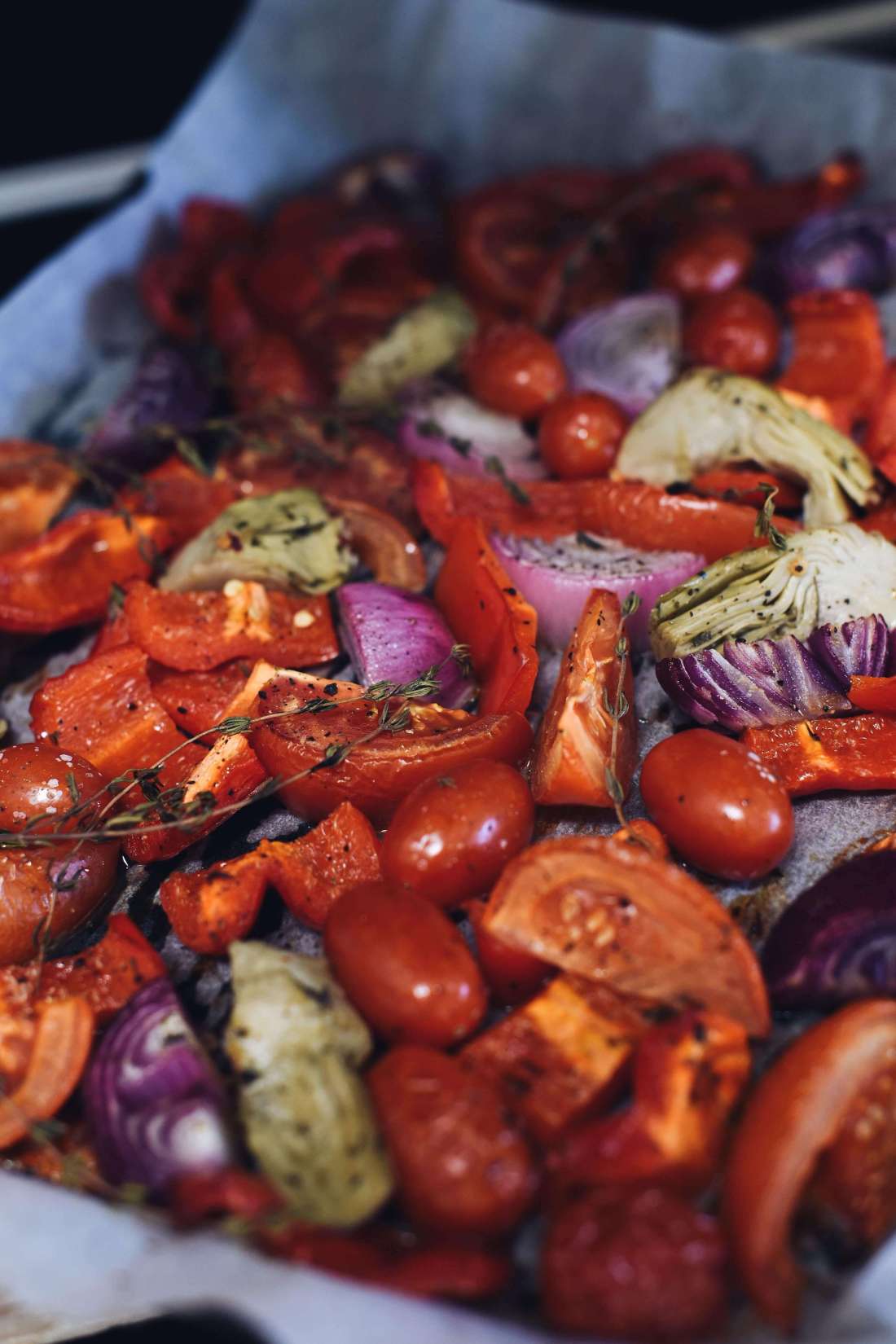
When I moved to Australia, I couldn’t believe how easy the food was. I’m not referring to the abundant restaurants. Cooking itself is now effortless. I rarely eat out—it’s way too expensive. But I do cook a lot. It’s too easy. Canned pulses, frozen fruit and vegetables, and oven-friendly meals have transformed cooking from a chore to a ritual as simple as pulling on a favourite t-shirt in the morning. I don’t cook three meals a day either—I make a pot of beans and use it for three days. People think it gets boring, but it doesn’t. I always have some fruit and vegetable lying around for a quick snack or meal. My meat-eating brother gets chicken wings and shoves them in the oven. It takes less than an hour to prepare a weeks’ worth of meals. It’s fast food without the harmful ingredients and effects you’d associate with fast food. Because everyday meals are so quick and easy, I get a lot of time to work on my hobbies and endeavours—to experiment with new recipes, to read and write, to prepare an elaborate meal once a while, or just to wander the streets, aimless. It’s such a nice feeling not to be a slave to the kitchen.
It’s all too late for my mother, though. Sadly, she didn’t have the convenience that I now have.
That’s the problem of modern life—we take so many things for granted that we fail to realise that even the seemingly instantaneous chopped tomatoes weren’t always that instant.

