A muse on human nature

Ever since I moved to Canberra, I’ve spent every day cherishing my reality. I enjoy every aspect of this weird town that’s big enough to have everything you imagine you’ll need, but is still small enough so you run into the same person twice or thrice a week.

It’s a satisfactory blend of big and small. When, on a Sunday afternoon, I walk down the city paths, I’m amazed at the lack of people running into each other. It feels as if the city’s almost too big for the people it houses. Then as soon as I enter the shopping mall, I’m washed over by excited wailing children, babbling adults, and snippets of he-said-she-said gossips. 

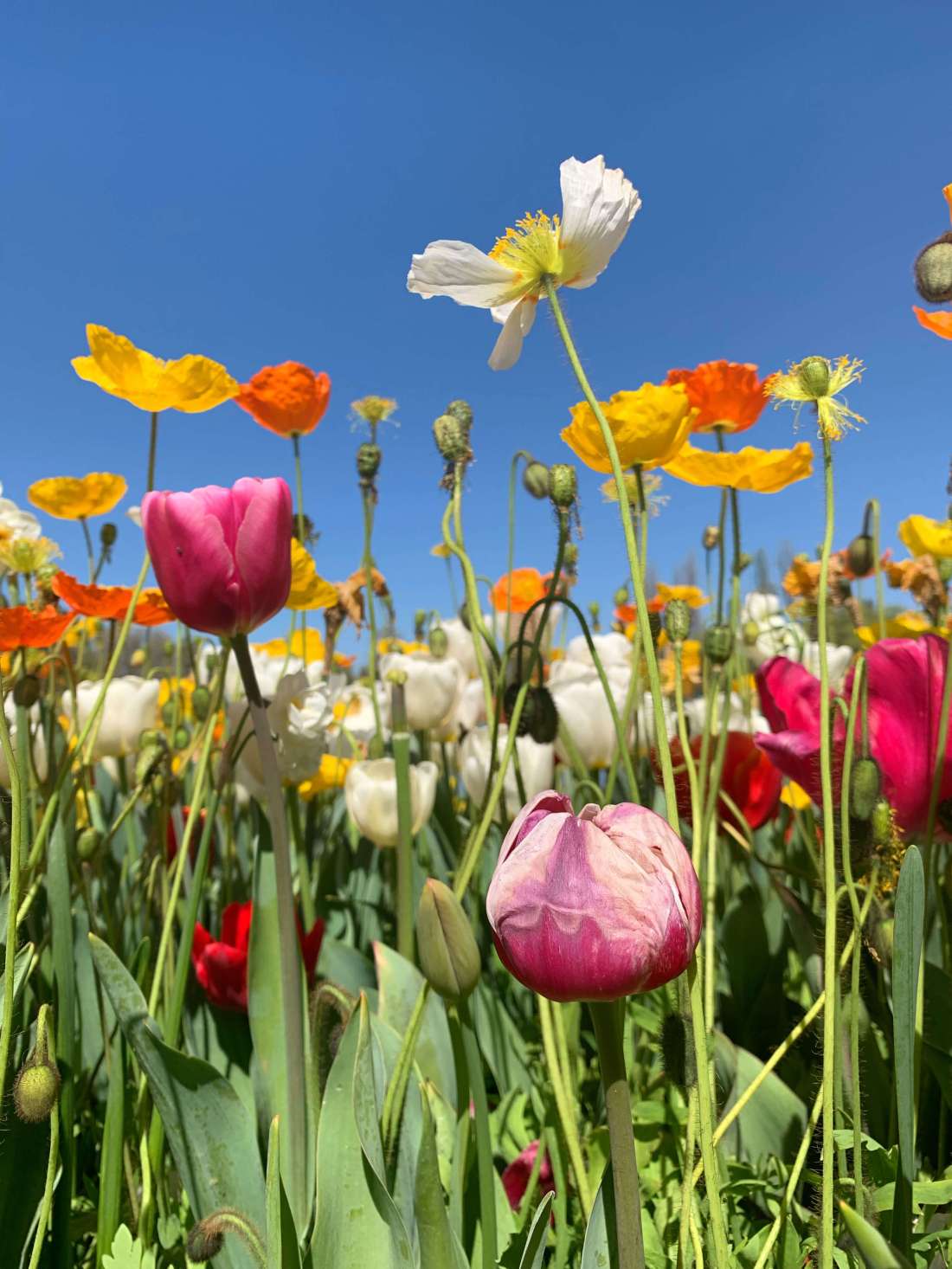
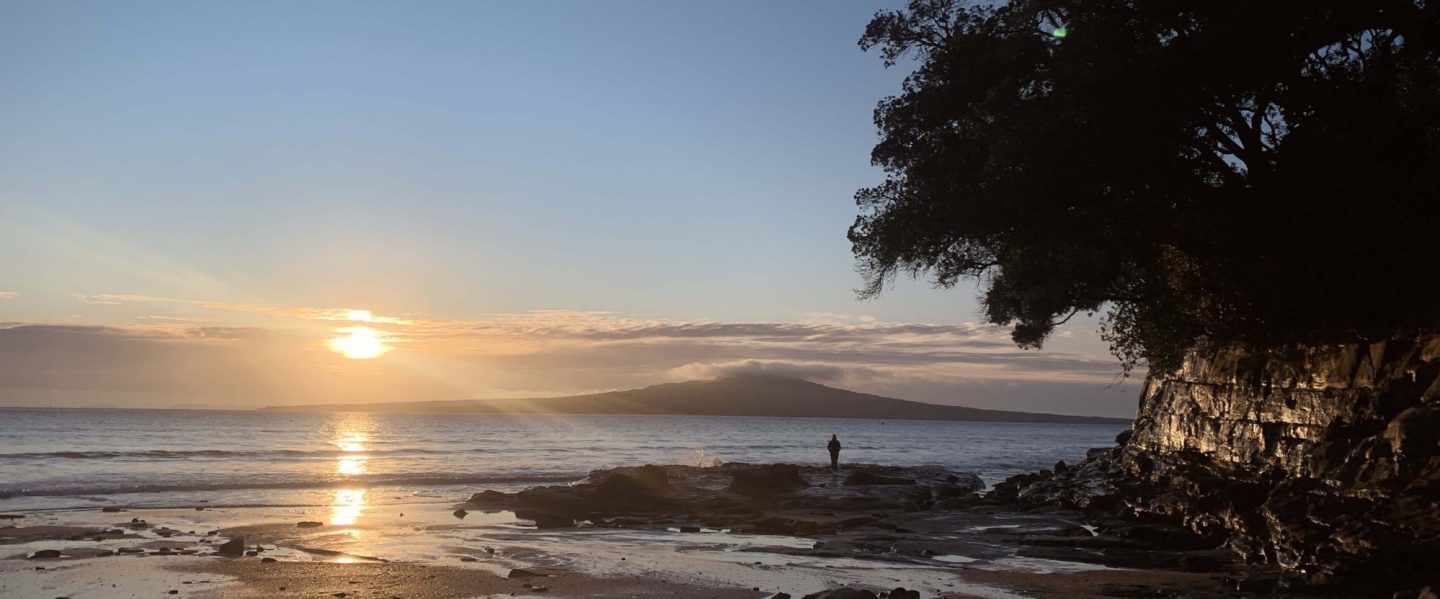
Afterwards, I walk around the lake or along a park, and I’m mesmerised by the vast greenness that spreads before my eyes. Of course, there’re grasslands that’ve seen better days, now dry and parched without much fodder for the grazing cows. But I’m sure, as spring rolls over, rains will pour down and lusciousness will tumble on.

Every aspect of Canberra makes me hopeful. I can’t imagine anyone feeling depressed to live here.

But—

I’ve heard friends moan at the very thought. It’s home, but it’s still alien to them. For quite a while, I couldn’t comprehend why such a beautiful valley of a town was so disturbing for a lot of people.

Today I learnt why. A friend explained: growing up in this small town meant that every street corner has a memory. Each time they walk past the fountain in the city or step over the fence in a park, it triggers past experiences—both good and bad. 

That’s when I realised: no two people ever see the same thing. As a recent migrant, I can’t fathom what a local sees when they look at a building. I see architecture and unknown history, and they see experiences, losses, and lessons. 

That got me thinking. It’s not just about Canberra. It’s the same with every place. 

My distaste for the city I lived in for six years stems from the bad times I had there. When it comes up in a conversation, I tend to focus on the negatives because they’re predominant in my mind. And that blinds me to the good side of the city. Clouded in my opinions, every suggestion I offer to a third person is marred and false even.

Even though we don’t often recognise it, our minds are always biased. It prevents us from weighing options with a level head, to accept even the possibility of a reality we’re unaccustomed to. We’re so entrenched in our own thoughts that we’re oblivious to the external perspective.

But that’s human nature. We can shrug it off and move on, or we can understand that we all come from a personal point of view—an understanding that’s crucial for us to grow as emotionally intelligent people.

*muse over*

Mentality

Lights blind my eyes as an onslaught of motorists zoom past, unaware of the lanky thirty-year-old in tank top and teared jeans, dragging feet along with ice coffee in hand.

Unaware… or uncaring.

It takes me a while to recover, but I don’t stop walking. There was no reason to halt in my tracks, shuffle to a corner, and lean by the railing as a boat or two bellowed from the river running below. 

I’m used to it. 

Chicago never sleeps, and neither do the millions of ants that crawl its streets night and day, heels tap dancing on metal bridges, tongues clicking in response to a muffled voice on the phone, and laughter echoing, reverberating along every alley.

I take another sip from my crush-after-use cup, the weight of which was slowly crushing the earth. I can’t afford to care anymore. I am no longer the save-the-planet idealist I used to be. 

That mentality dissolved with my business, my income.

Seven-Eleven has the best ice coffee. It’s so good that you can sense it trickling all the way down your throat, before plopping on the surface of your empty belly and filling it right to the brim.

Refreshing.

Babble

Radiating confidence 
of teen-girl rebel
rattled by mother
rummaging her things,
defiantly stares 
the young ‘un.

Eyes bulge, carefree,
dripping blueness
all over
father’s shoulder.
Against pink shirt
cotton bud cheeks 
plump up
as lazy lashes 
wink,
in slow motion 
incessant
as instant replay. 

Dribbles
liquid stardust
pixie magic
spayed on words
babbles baby.

Meant to be

There it was—like a non-judgemental mother musing at her teenage daughter growing up too fast to comprehend, a ring sat in his empty tea cup. Unassuming, almost hidden in the shadow of the dark tea, it had nestled, snuggling in the assurance of warmth.

Daniel felt lost.

It was a nice—a simple frill-free band of silver with no ugly engraving or dents. It was the perfect multi-purpose ring, with just enough ambiguity to serve both as an accessory and a testament to a sacred commitment.

Who put it there though?

It seemed silly. To place a ring in a cup of tea. It was the kind of thing non-drinking, overly health conscious, hopeful hippies would do. He smiled. Whoever did this knew him well. Enough to know how much he dreaded jewellery and the spotlight that came with it. 

His curiosity was piqued. He hadn’t told many people about his parents pressuring him to find a partner. So whoever did this was close to him. 

Except he couldn’t quite tell who.

He looked around for a clue. 

Time stood still. Behind the till, Augusta, her face screwed in concentration, held a twenty dollar bill in her right hand and a pile of miscellaneous notes in the other. She was an economics student at the university working casual hours, trying to make some extra cash on the side. She hated math, Daniel recalled her bold declaration in one of their small talks. It couldn’t have been Augusta. She was too involved with her life, and he in math.

Barista Jason’s hand was frozen in midair too, hovering over the milk nozzle, ready to caress its smooth curves. Not him for sure. He was way out of league for Daniel—in every aspect, except perhaps money. 

Cafe chatter he’d gotten used to over the last five years had ceased in mid-conversations, vowels hanging, modifiers dangling, and fragments awaiting completion. Beyond the tainted glass, cars were a blur, as if caught red-handed by amateur photographers, whizzing passed red lights.

He looked back at the ring. And almost instantly, the world went back into motion. Annoying giggles started up from the table nearby and impatient honking from the street waltzed in through the door as someone walked in.

Sigh.

It felt wrong to take the ring without knowing who it came from.

What the hell. 

Pocketing the shiny silver, Daniel walked out the cafe, waving at Augusta and Jason on his way out. It was a good day.

The door clinked behind him.

Not two seconds after, a purple-haired man in the cafe wailed, “Oh, my goodness! They gave you the wrong cup!”

Bullied

“Run!”

He had. From India to Singapore to Australia, cowering, wading through muddy slush and sea sickness.

Darkness returned when eyebrows knotted, students passed by swearing.

Mother echoed: “Run!”


This is my entry for the 29-word short story challenge run by the Australian Writers’ Centre. If you’re into creative writing and interested in pushing your writing boundaries, check it out and subscribe to their newsletter. It’s quite fun.