
When you read travel blogs, it’s always about how fascinating the journey is, how helpful people are, how charming the kids behave, and how scrumptious the meals are. Few bloggers talk about the sprained ankles, weak knees, and frostbite. And almost no one says how it is to hear about a terror attack in a place they’ve once been in. We should talk about that more often.
Travelling is a wonderful way to spend your life. Not only does travel teach you to handle yourself in a more mature way, but it also teaches you to be respectful, humble, and not be an asshole. Travelling throws you in uncomfortable places, shoves down your throat experiences you don’t want, while still bringing you out feeling fresh and craving more. That’s the beauty of travel. I’ve yet to meet a traveller who’s tired of travelling. I’ve yet to encounter a wanderer who doesn’t want to wander anymore. I’ve yet to camp with a hiker who’s ready to give up high sights for high heels. If there’s anything that all travellers share, it’s the passion for travelling despite the hardship. I’m no different.
Although I haven’t travelled as far and as wide as many other travel bloggers, I’ve seen enough to know that I never want to buy a house and settle down for good. I’ve walked enough to know that I can walk more, and I’ve seen enough to know I’ve seen only a grain of the desert. But I’ve also been to a place that’s no longer the place as I remember it.
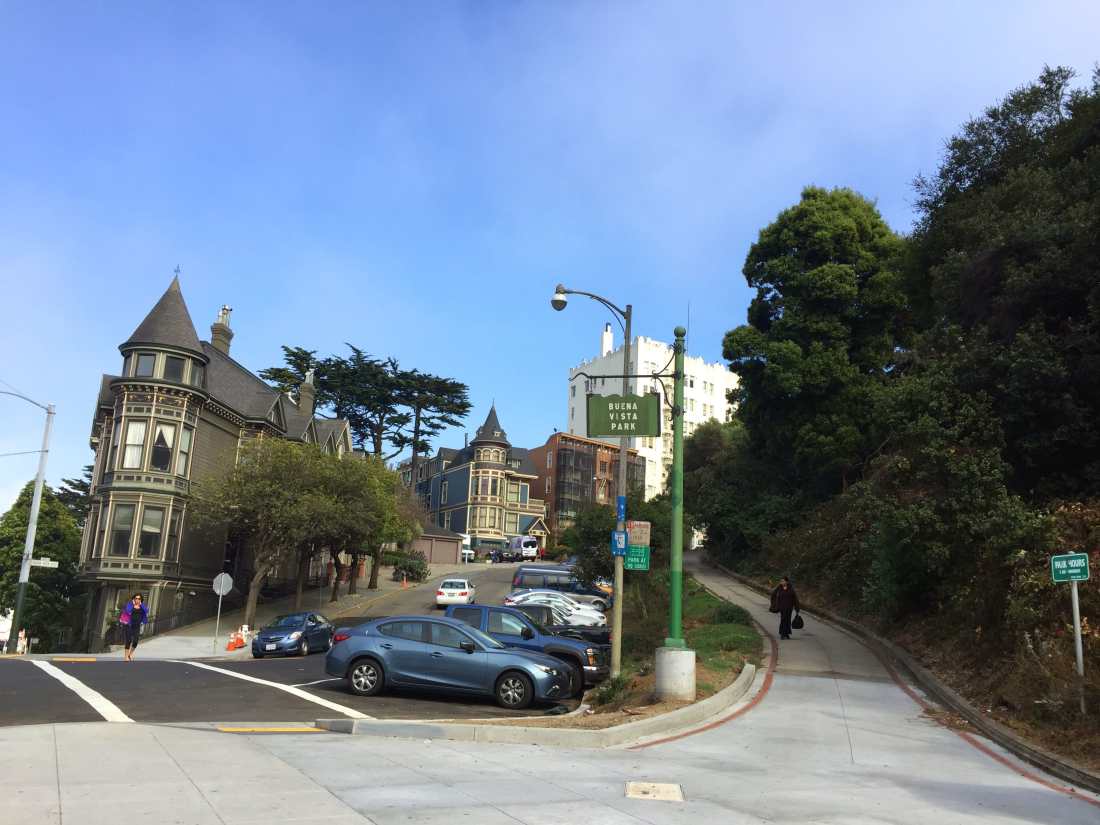
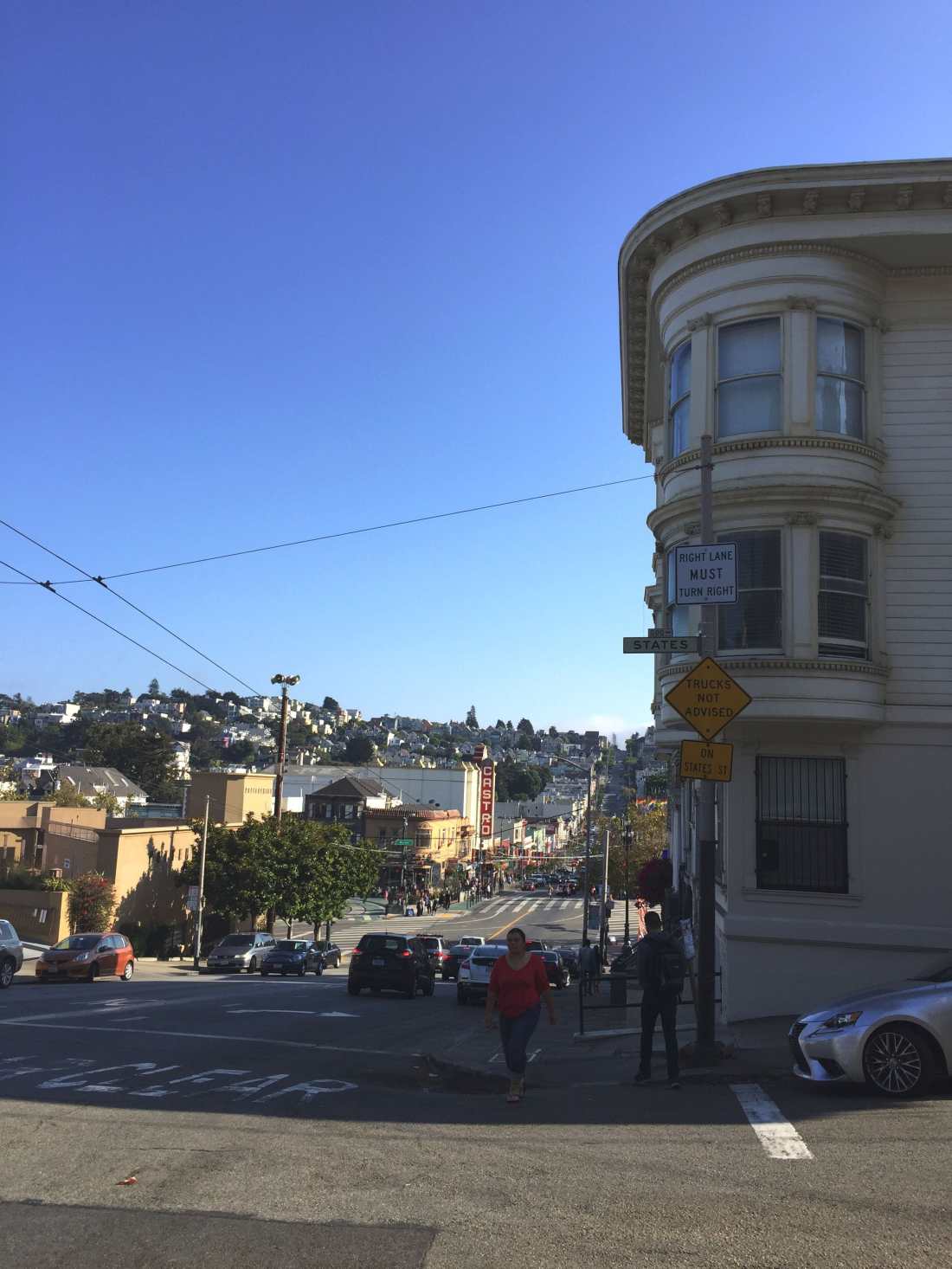
I was in California a few months ago. I was travelling for work, but catching as much as non-work sights as possible. The city of San Francisco sits in my memory as a wonderful and welcoming region of all people and opinions. The district of Castro remains as a place I can always visit and share the cheer. So when I left the country, I felt I knew San Francisco a little better than I did before visiting.
Within a month of being back, I heard news about a random shooting incident in Castro. Several people heard gun shots in the dead of the night, and a police officer got hurt.
Out of nowhere a tight knot clenched my throat. I’d been there. I know where it happened for I’d been standing on that same spot a mere weeks ago. I’d bought coffee in that locality. I’d rested my sore feet after hours of continuous walking. The place that gave me comfort had given someone else a death sentence. I didn’t even know the place anymore.
It was no longer the place I’d fallen in love with. That incident made me wonder if what I’d experienced there was even real. Sure, I was a tourist and tourism isn’t the same as everyday life. When I walked the streets of San Francisco, however, nothing about it showed hatred or a potential threat. That’s why the news left me nonplussed. Over the next week, I read about three different shooting incidents in the same city I’d grown to admire.
While this happened, wildfires raged all over California. Although I knew the state is prone to fires every summer, and seeing hills in their neighbourhood go up in flames isn’t new for the residents, it still shocked me. It pained me to watch graphic images of searing red flames lapping up through grass and grass-fed beef as a vacuum sucking up dog hair.
None of these incidents made me hate California. They, instead, left me lamenting. We no longer care for the things we should care about. We don’t see in our land what a foreigner sees. We’ve reached a point where it takes strangers to identify the beauty around us.
All these have made me more vulnerable to distressing news. I flinch when I hear about a stabbing in a place I’ve visited. Even if the incident isn’t related to me or with even the safety index of that particular city, it still affects me. It’s made me more sensitive and inclined to preaching a peaceful society. Travelling has made me care more about this place we call home.
Perhaps, just perhaps, if people travelled more, we’d appreciate the world more — leaving it better than when we entered.
Well, I can hope, can’t I?