

They dug her soul out
without qualms, without regrets
Earth bled in silence.

Mina stepped out of their hut to discard leftover gruel. It was Sunday, and she’d prepare fresh gruel for the week. She searched the bushes for edible plants. Her son liked his gruel with boiled vegetables, but ever since the government arrested her husband for treason, they lived off the scraps she made from fishing by the sea shore.
Meanwhile in the palace, a surly man sporting a mahogany moustache looked at the man crouching in front of him. “What, Muttu?”
“Sir, the fishermen are here.”
“Well done!” The governor smiled through his moustache. “You’ll be rewarded for your collaboration.”
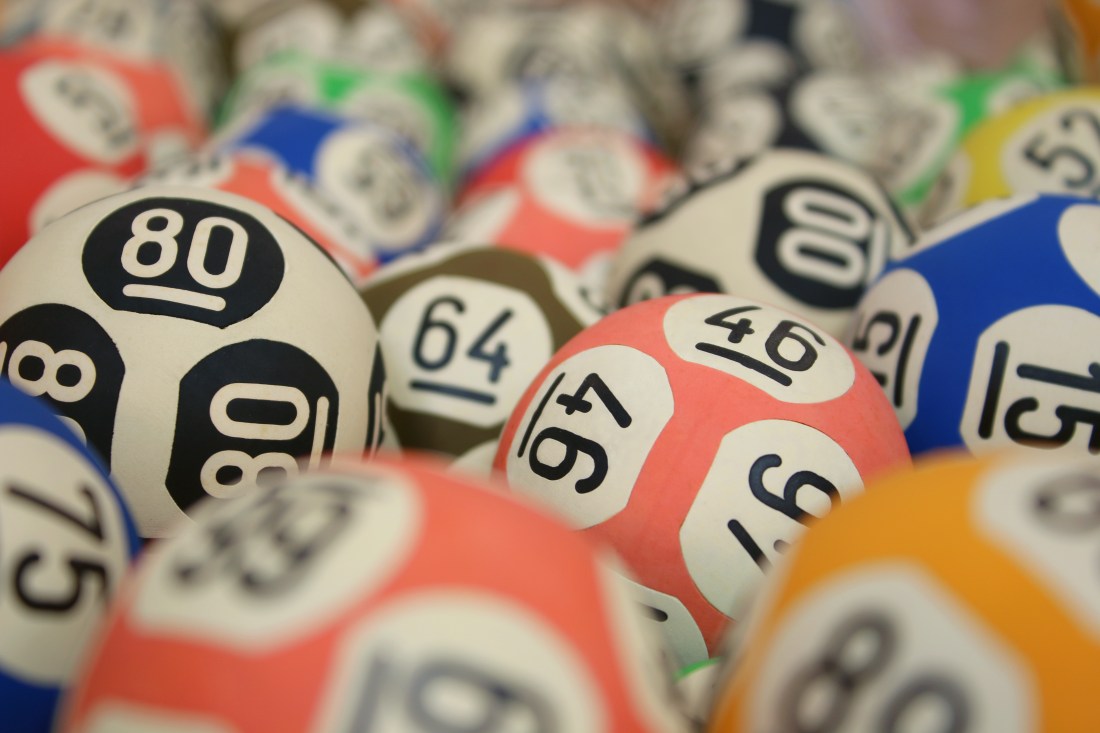
I’ve never had any strong opinion about lottery and jackpot, except that I knew it was a dangerous addiction. I didn’t have any friends or relatives under the habit, and so I never had to think about it either. Until yesterday.
A close friend sent me a message. He had won about $260, and he had spent less than $3 for the ticket.
My first reaction was joy beyond belief—elation. I felt as if I had won the money myself. But the next moment, surprise took me over. It struck me as weird how easy it had been for him to win so much money. It was like pocket money for him now, and it came from working zero hours, spending almost none of his effort. It was no-sweat cash.
And that made me realise how hard I work for the money I make. I love my job, I look forward to Mondays as much as I do to Fridays, and yet, I work harder—much harder—than he does to make almost the same as he does. And to cap it, he had just won an additional jackpot that doesn’t even count as part of work.
I wasn’t jealous, I knew him too well to feel any bitterness towards his luck. And besides, when you’ve got a lot of debt to pay off, you can never have too much luck or money. And I knew he had debt, and so, good use for that money.
Despite all that, though, I still couldn’t accept the concept of a jackpot. It’s so unfair. Unfair to the hardworking, to the ones clocking eight hours a day at work and another hour or two at commute, unfair to the labourers, those working with heavy machinery, people waking up at 3 in the morning to serve hangry passengers in railway stations. If only they had the luck.
Perhaps that’s why the lottery lures us common folk. The possibility—if only. We yearn for whatever little luck a tiny piece of multi-coloured paper would sway our way because our lives hang in dire circumstances we crave to unhinge. Maybe lottery addiction stems from the desire to do more, to have more, in life.
Which leads me to believe that no one is happy with what they have. No one’s satisfied enough, seeking the bubbling reputation, even if it takes them to the canon’s mouth. We’re all reaching in the dark, hoping to grab the light that would light up our lives, free us of our debts, give us a bigger car, a faster laptop, or a smarter phone. Pity, though, that we lay so much of our life on a piece of paper that—as much luck as it brings—may as well fly right out of our reach.

Jason was, again, the star in the meeting. He made juniors feel at home and seniors reel at numbers.
It wasn’t new. Jason was the energy machine in every gathering. He’d bust awkward situations, introducing people to fun and laughter.
No one’s seen him angry or sullen. He was the funniest guy at work, the loveable friend in college, and the most helpful neighbour.
Every morning, however, before masking himself, Jason would stare at the dark liquid in his mug. As he’d drown the bitter shot, he’d also drown the bitterness of his phony life. Then get ready for work.

