Reworking

reworking

We think much and scrutinize on details. We’re always poring over our work with such intense repetition, until we often get lost in it.

It’s satisfying – to turn over and look at your own work, with pride swelling within your chest. It’s gratifying — to know that your work is worthy of recognition.

But to get there, we need to peer at our work. Sometimes we ask others to look into it, all the while pondering on that word choice or the particular shade of blue. Something stronger? Bold, perhaps?

It’s natural. We’re engineered that way — to rework and to reconsider. To recycle, rewrite, to recommission. And recommend.

But that thirst for precision, that repetitive craving to improve could also become our downfall. Because the longer we work on something, the more accustomed to it we get. Repetition breeds expertise. At the expense of a mundane life.

Remember the thrill of learning crocheting? The details! The scrutiny, the absolution at every twist of the fingers — everything about it filled you with excitement and anticipation. It was the perfect summer course.

But then, imagine having to do that everyday for the rest of your life.

We’d still be looking for that precision, but now it’ll be pronounced. We’d be so used to redoing that we’d be redoing just for the sake of redoing and not for the thrill that it once was.

And therein lies the risk of repetition.
Crafting A Dream City

Cristian

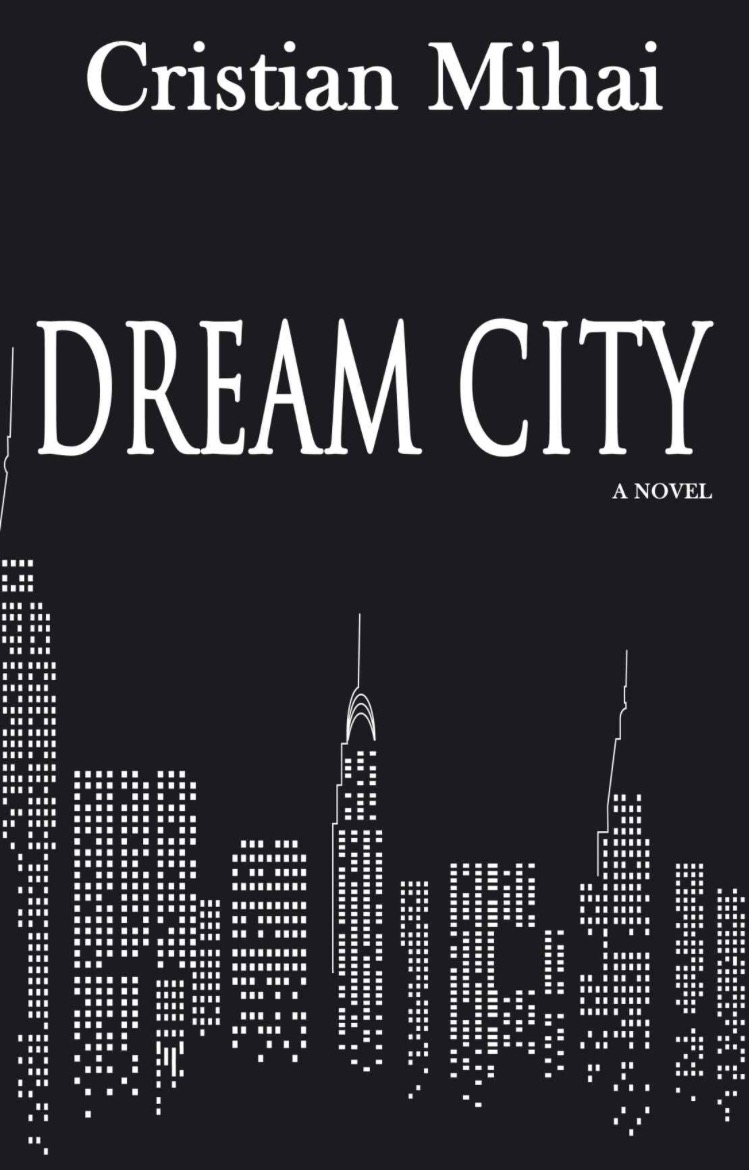
I’ve been following Cristian’s blog for a while and I feel guilty each time I read one of his posts. Because though I’ve had his book on my kindle for a long time, I’ve never read it.

I should have read it sooner.

The one constant in the story is Cristian’s voice. He kept seeping through the words. There were either sentences he often uses in his posts or thoughts that every writer could relate to. The story itself is about artists, art and the consequences of choosing art.

I loved the story. And the main reason: simple words ringing hard in your ears. This book lingers.

“But the truth is, what doesn’t kill you makes you wish it did.” – Cristian Mihai, Dream City

This is Cristian. Every syllable of that line screams Cristian. And it’s more; it’s every artist. And it was gripping that in many places, I felt the protagonist and Cristian interchange. Not just him, I felt myself intermingle with the protagonist too. Because the characters speak to you, and you suddenly realize their life is your life.

The author knows the pain of being an artist, and he translates the emotion with so much art.

Dream City

That’s it. The essence of everything we do.

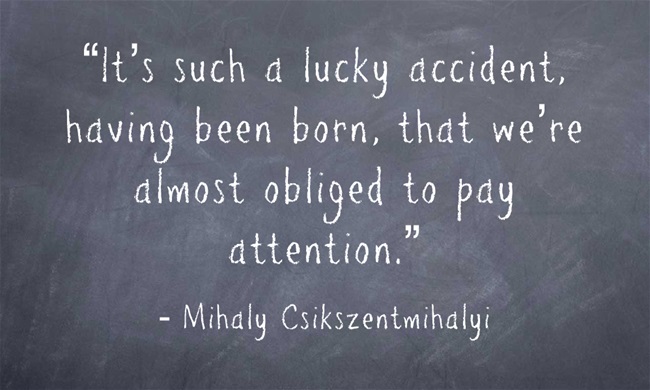
Lucky Accidents

What’s the purpose of birth?

It’s a zen-like rhetorical question, but like they say, everything has a purpose.

How about an accident? I like to look at accidents and huge catastrophes – sad though they are – as Nature’s way of clearing up the world; as a way of weeding out ripe lives so as to make room for fresh ones.

But what happens when birth itself is an accident? Is it just Nature’s way of telling us there’s still something left to experience? We’ll never know, unless we pay attention.

Lucky accident

What Is The Point Of Reading?

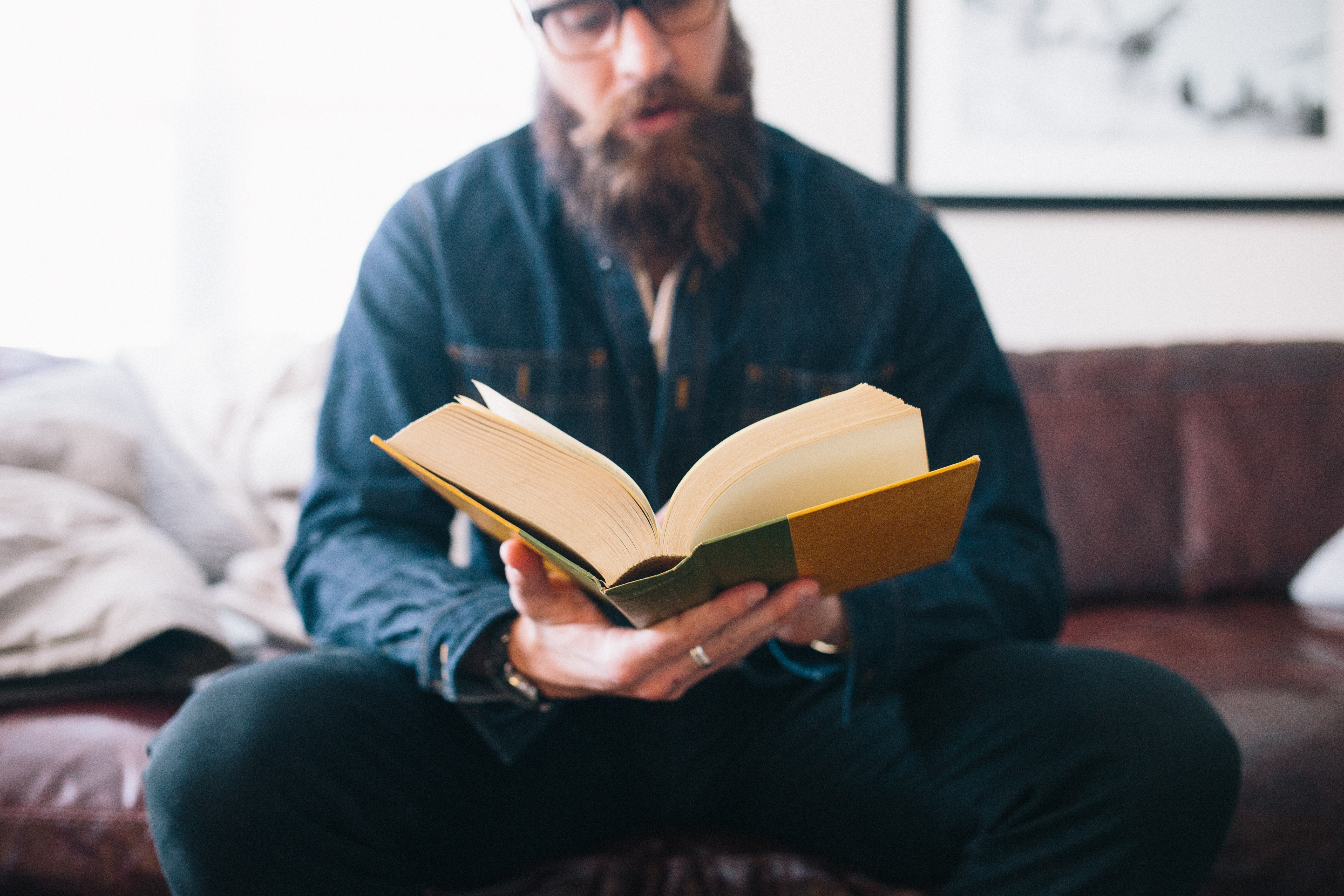
What is the point of reading?

Really, why do we read? I can’t say how many times I’ve got the same advice: read. Some writers even say the best writing advice they’ve received is, “read as much as you can. Read anything and everything you can lay hands on.”

But I’ve also seen people who never read. People who are too lazy to pick up a paperback, or to drag a hardcover along. Think they’d rather prefer the kindle? Nope, they are tech junkies.

Come to think of it, in a world without traditional schooling, you don’t have to read at all. Except of course, the statuses on Facebook and the incessant chattering on Twitter. You just wake up, eat, go out with friends, earn some cash, spend more than you make (so you have something to regret later on in life), grab a drink with a friend while checking your phone every other minute, and then go home to bed.

Where would you be reading? Why would you be reading at all?

But then, days pass by. You’d grow tired of the same pitcher you’ve gotten from the same pub for years together, your burger would taste same o’l, same o’l and soda would just leave you bloated.

Friday evenings would become painful. You would slump on your couch all evening, uninspired to even switch on the television. Life would go on, in a straight road; no speed breakers, no potholes, no jerks, no jokes. Lifeless.

Suddenly it would all seem dry, plain and dull. Your world would become much smaller than it used to.

And then one day, someone would hand you a book. Nothing fancy, just The Jungle Book.

And life never is same.

Why else would we read?

Just Another Day

just another day

It was a grey Monday morning and here I stand facing a puffy face and bloodshot eyes. It’s been a month, and I’m still struggling. Therapy didn’t help, and neither did wine. Which is sad because there’s nothing that wine can’t fix. Or was that supposed to be chocolate?

Oh, but I’m no child anymore, we all have to grow up, and I grew up from chocolate milk to wine. But it still didn’t help.

I stood watching my dark circles, musing on how they are gradually becoming a part of my look. I turned away. Time to get the menial tasks done.

Brush. Wash. Coffee. And another round of coffee.

I locked the door to my house and stepped out for some freshly polluted air. After breathing in the usual carbon dioxide, I walked over to my bicycle that I had tethered to the lamp post.

I rode. And rode. And rode some more before coming to a screeching halt in front of the high-rise glass building.

I looked upwards at the glitter of sunshine on the building’s curves. I could see one or two black tuxedos walking to and fro, closely followed by white short skirts in horn rimmed glasses carrying notepads.

It was time to go in there and be what I was. A slave. And so, I strode in with a confidence I didn’t feel, a glow make-up gave me, and with a smile that didn’t reach my eyes.

There was Bob, dozing off in his chair. He jerked awake as he heard my dragging feet, and relaxed when he saw me. “Oh you. Hey.” he managed to stifle his yawn.

“Good morning, Bob!” I rang in the cheeriest voice I could muster. But I needn’t have bothered; Bob knew. Bob understood. We were the same, Bob and I. We work, day in and day out, washing and cleaning up after the people in leather jackets and fur boots. As they carried the burdens of their electronic books and the weight of the stock market, we just lumbered on with soaking mops and dry towels. We aren’t Bob and Lisa. We are the maintenance.