Advice for the Modern Age

hamlet

Body shaming is a thing now. Having experienced it a few times myself, I can say it’s not new. For a long time now, the world has been mocking those who don’t have pear-shaped bodies.

One man has the best advice for those who shame other people. He lived well ahead of his time, hinging on the period he was born into, yet thriving even four hundred years later.

And how does he give us a his piece of mind? He shames his lover for a start.

“If hairs be wires, then black hairs grow on her head.”

That was, of course, in a time when blond curls ruled the day and any woman with straight hair was un-ladylike. Things have changed since, I know. Nowadays, people pay fortunes just to get their curly hair straightened. Nevertheless, body shaming hasn’t changed at all.

And then there’s this image of rosy cheeks and powder puff.

When I face my mirror, I know I have no rosy cheeks. There’s no chubbiness that every man’s supposed to like, there’s no colour, or flush, or blush. When I see myself in the mirror, I only see what shamers told me: A dull face, and cheeks too thin to be beautiful.

Shakespeare said it too:

“But no such roses see I in her cheeks.”

But here’s the question. Why would anyone expect a woman to look more like the sun and less like a woman? Why would anyone want a woman who resembles a child’s doll, when she’s stronger than that in real life?

Again, Shakespeare has the answer. And his answer — four centuries old though it is — is unmatched even in this age.

“And yet, by heaven, I think my love as rare

As any she belied with false compare.”

To be or not to be a body shamer. That’s not the question anymore. No matter how much we compare a person, woman or man, to an image of perfection, it would be just that — an image. Pretty face and fair skinned, or spotted and dark skinned, there’s just a skull underneath.

They’re People Too

When I walked into the Himalayan Mountaineering Institute and museum in Darjeeling, I didn’t know what I was hoping to see. In hindsight, it seemed obvious that they’d display the tools, the gear, and even the remains of some of the Himalayan creatures.

HMI

But it wasn’t so obvious then, and it was all the more disappointing when they had a clear sign prohibiting all forms of photography. We walked through dozens of glass boxes that rose to the ceiling, encasing mementos from mountaineers who had conquered Himalayas. From little chisels, stoves, and crockery, to even the tents they slept in during their expeditions. They were all in there. And for a moment, I couldn’t grasp the magnitude of what I faced.

The Himalayas wasn’t just something we heard about in the media anymore. It wasn’t just the highest mountain range, with a cold index that no one should underestimate. Standing there, looking at the plate a mountaineer had eaten out of when he was camping in the Himalayas made me realise how big the whole thing was. From being a natural phenomenon that mankind could never conquer, to watching photographs, and clay sculptures of the mountain itself, of the climbers picking their way through the snow caps — it all became too real too soon.

I marvelled at the fact that people just like you an I have managed such a huge feat. They weren’t some weirdos or a mysterious elite. They could have been as ordinary as our noisy neighbours. And yet, somehow, extraordinary. Looking at their possessions, I wondered, that particular mountaineer must’ve have liked his tea like I did mine: A mugful.

And that realisation brought me closer to humans than anything else had ever done.

The Gandhi Zone

I didn’t realise for a long time how much we, as an Indian community, use Gandhi’s name on everything. It’s become so common that from being a credibility-booster, it’s become a marketing ploy. Like some low ball technique we use to get our way in the world. Or as an excuse to take pride in our stupidities.

“In the land of Gandhi!” they say. Or proclaim, in fact. In the land of Gandhi, we did this, and that, and all other things we didn’t do.

Which is fine with me, except that we’ve exhausted the name now. In futile attempts to show how much we adore the man, we even named streets after him. And in more cases than one, M.G.Road is a city’s official shopping zone.

There was one in Darjeeling too.

MGRoad 1

It’s amazing how the name “Mahatma Gandhi Road” is a shoppers’ stop when the man himself advocated ultimate simplicity. Guess it’s just another of our inherent paradoxes.

As I walked along M.G.Road, I saw all the things Gandhi stood against, while he himself stood next to a fountain, as erect as a guard.

Watching him watch the tourists, I remembered studying in an old school book that he preached simple attire. Whereas in M.G.Road, people ogled at woollen sweaters, silken scarves, and sleeveless dresses studded with little stones that mirrored the chandeliers.

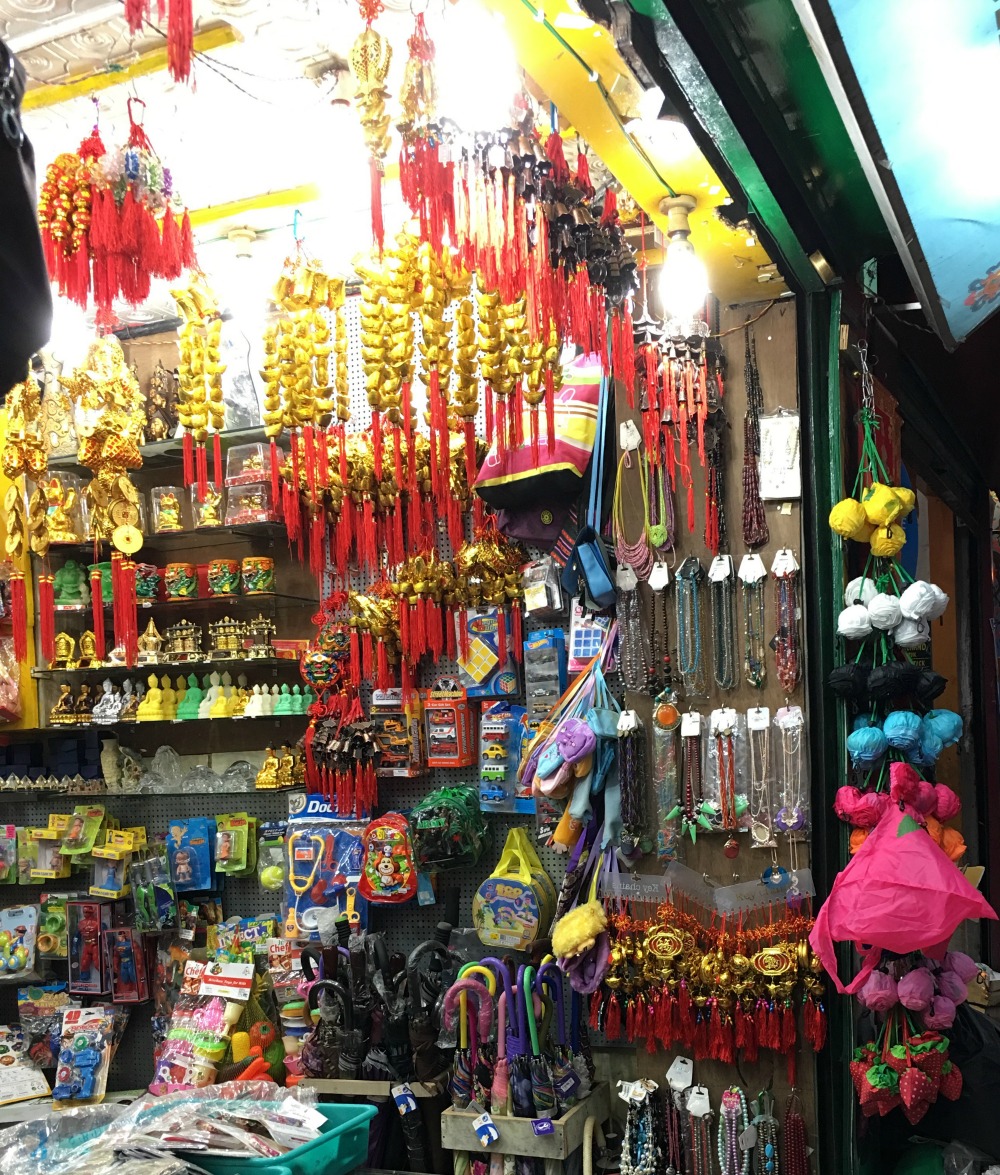
There were bakeries stuffed with all things self-raising, and salty, buttery goodness. And sweet shops showcasing the pride of West Bengal. While stacks of shops sold home-made foods, there were cafes and snack stalls too. Some places sold tea, some coffee, and some places just disgraced the emotions of tea and coffee.

MGRoad 2

And of course, countless liquor stores luring in the fancy folk who preferred things stronger than a simple cuppa. Oh, and tobacco too.

In the middle of all these, stood Gandhi’s figure, deep in observation. Not that he could do anything, of course.

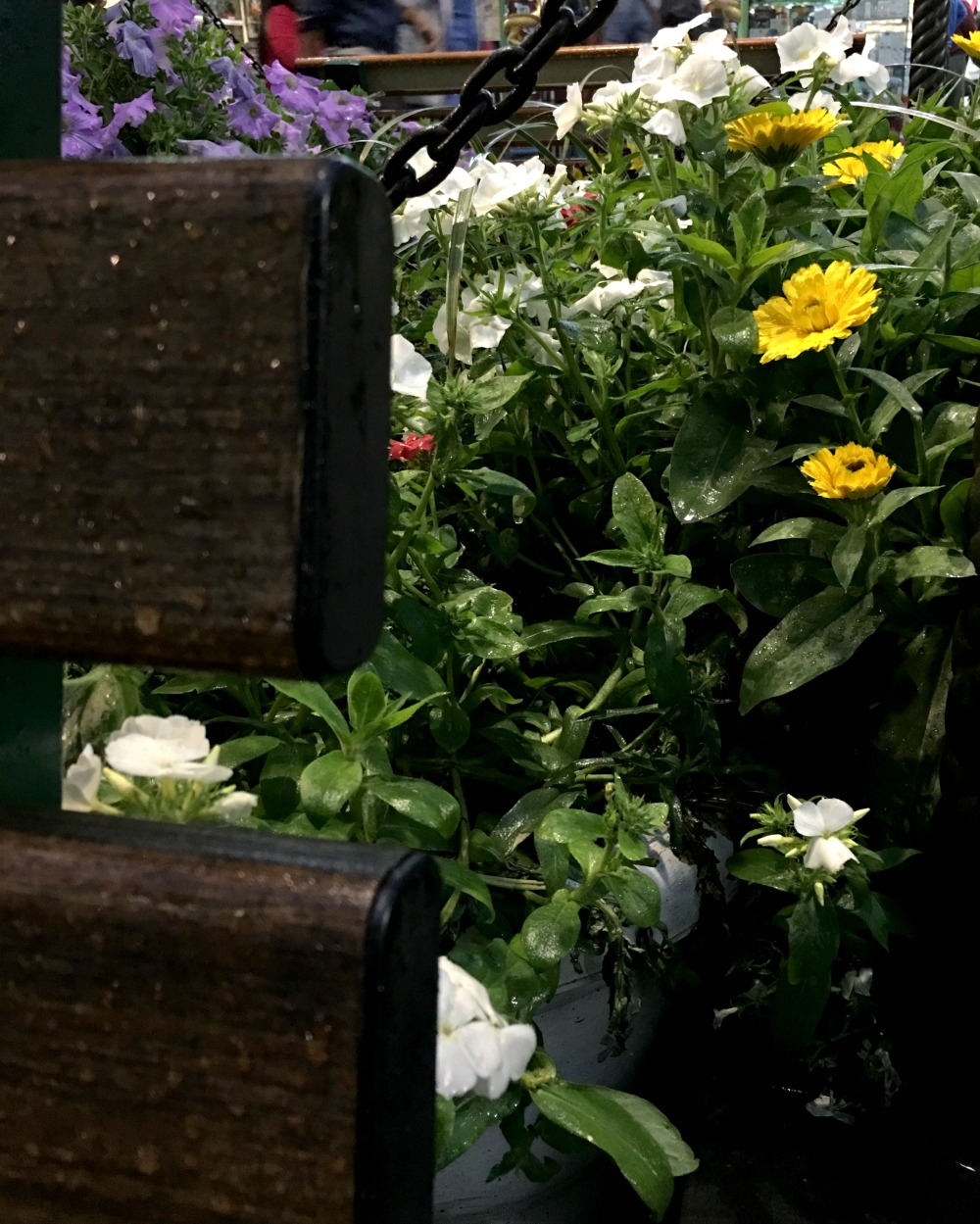
And then — the flowers. So may flowers. So many colours, so many shades, so many tiny petals bearing tiny leftover droplets from the rain of just moments before.

MGRoad 3

It was a magnificent sight. Even for me who hated shopping in every sense of the traditional word. I loved walking through that street. And the best part of it all: The street is always closed to vehicles from late in the day to later on in the evening. That made it all the more welcoming. With the rain adding a dash of chilliness to the cold breeze, the smell of someone’s strong cigar wafting through the air, the steaming cup of tea in my hands, and the bunch of friends ready to laugh at a good joke — what more could I have asked for?