
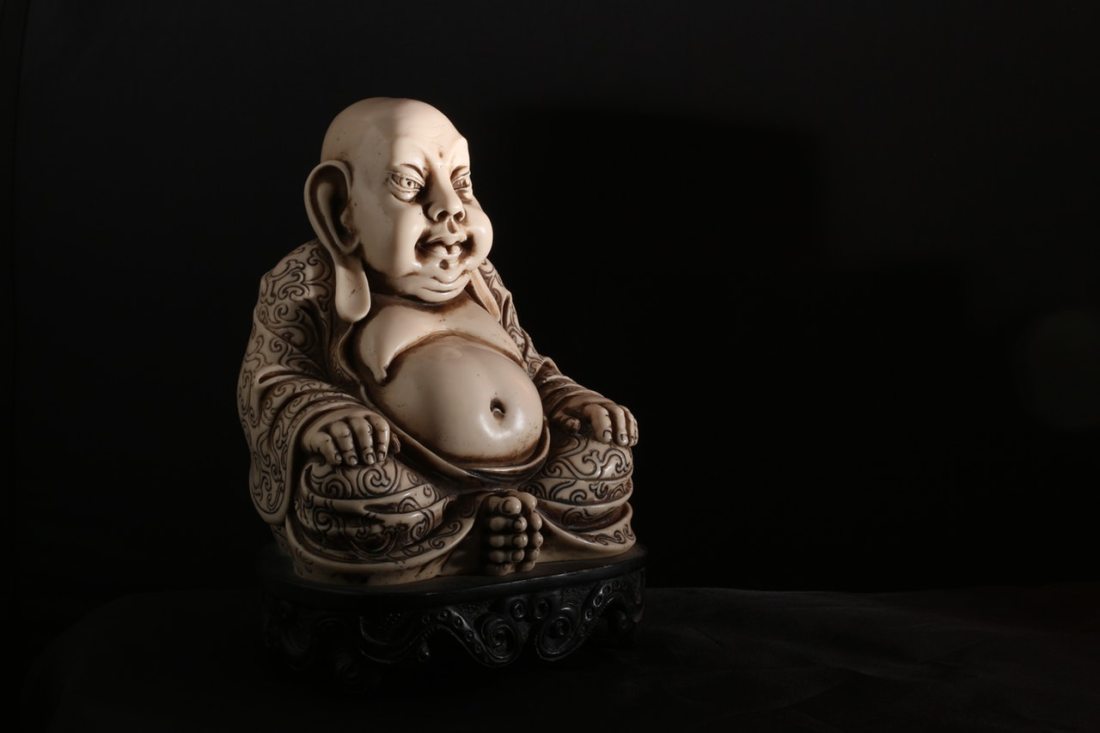
Static expression
of ecstatic wonderment
carved on a statue
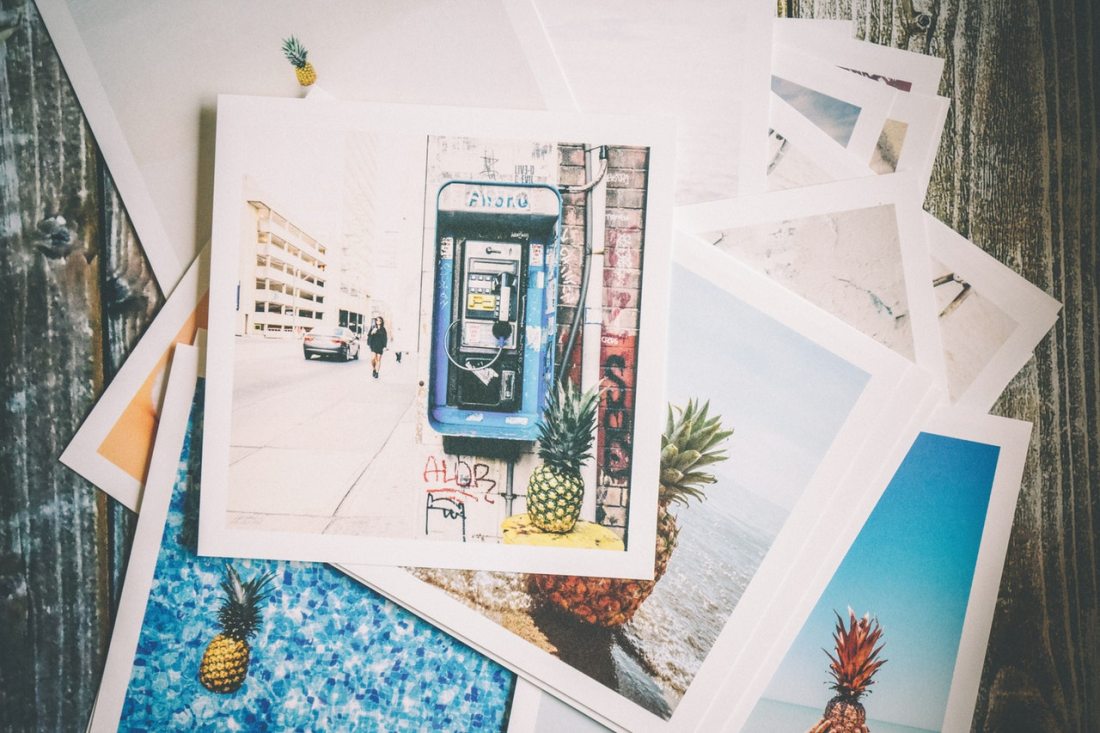
Bess stared at a tattered postcard. The sun was setting behind the Empire State Building, once-brilliant brightness browned with years of neglect.
Walking away from the boxes she’d been unpacking, she sat down. She’d bought postcards in all 56 countries she’d visited, stocking boxes upon boxes with frozen memories of a lifetime of adventure.
She was no longer the same. She’d neither left the house nor invited anyone since her husband died. For fifteen years, she lived alone, minding her self, motiveless as if in a trance.
Until the postcards evoked her younger self.
Picking up her laptop, she searched: Seoul.
Nature has a weird way of beating itself up. But even though it’s sad when natural beauty and light depletes, there’s nothing pathetic about it. It’s the way of life—a default course of action. Artificial things, however, are prone to deterioration faster and in an uglier fashion than nature. It’s when you see them side by side that you notice how time and surroundings weathers both natural and man-made phenomena.
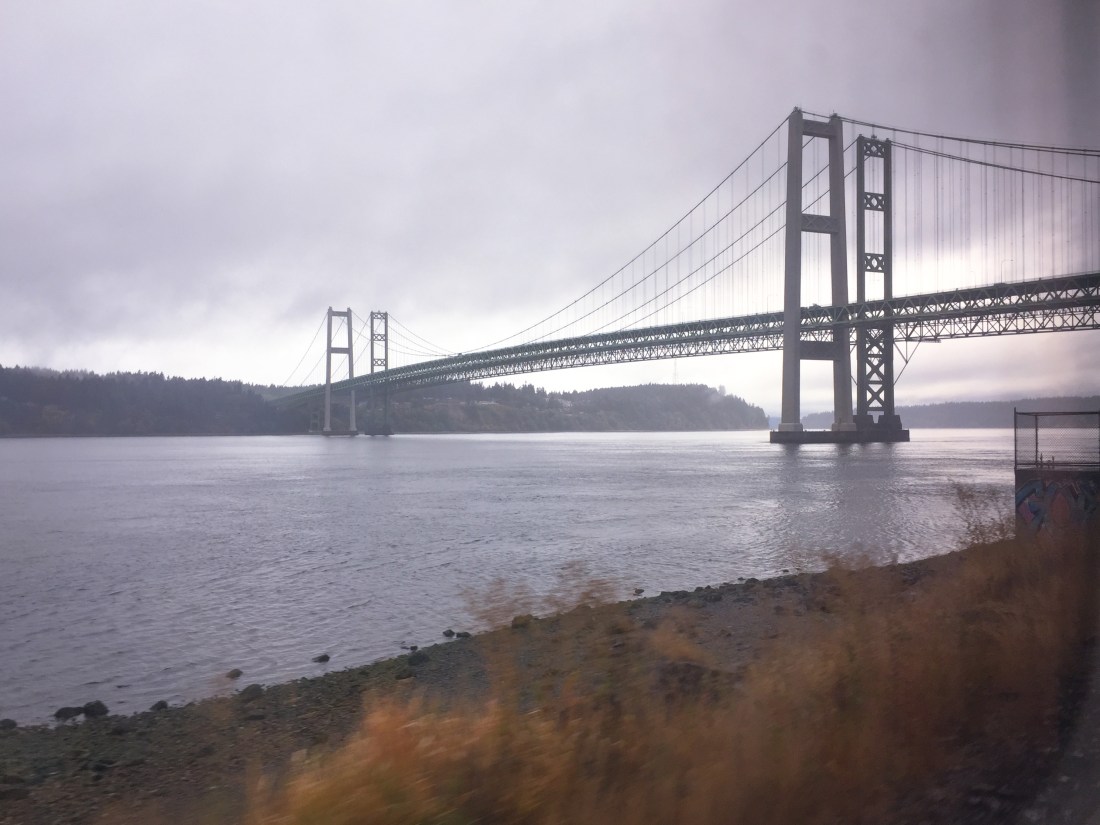
This is a photo of the Narrows Bridge Memorial Park in Tacoma, Washington. I was on a train from Portland to Seattle when I saw this massive old structure still standing, yet worn with age.
Aloneness has always been my happy place. Although most people would assume I suffer from social anxiety, it’s in fact a bad case of intense affection to solitude. I find that it helps me focus on my thoughts and prioritise myself. The society I grew up in, however is overprotective to the point of patronising. My parents make constant effort to prevent me from being too alone.
My father, in particular, agonises that I’d end up forever alone. It’s this deep-seethed fear that makes him flare up with emotion every time I hint at going out alone. And to avoid causing more pain than he already feels, I often choose to obey rather than counter argue. It’s easier for the both of us when I avoid confrontation. Besides, at 60+, it’s almost impossible to introduce change in his attitude. There’s just too much inertia there.
It thrilled me when my boss announced I’d be travelling to the US with a colleague for a work event. Here was my chance to venture on my own, a chance I wouldn’t forgo. I decided to extend my trip by five days and inaugurate my solo travel experience.

Soon, with lots of help from my North American colleagues, I’d made travel and accommodation arrangements in Portland and in Seattle. I’d spoken to strangers, made flight reservations for myself, and even mapped out my itinerary. I felt proud. I realised I’d organised my life without being my parents’ puppet. By the time I left home and embarked the flight, I had everything for the following month planned out, ready for life to play it out.
Finishing up the work event, my colleague returned home as I prepared to run solo. As I walked out from my employer’s sponsorship and embraced my own, I felt my entire weight on my shoulders. To my sheer surprise, though, it neither scared me nor dragged me down. It, instead, made me feel complete and independent.
For the first time, I realised, I—who’s never felt autonomy in personal life—could manage being a part of the world on my own. Growing more and more fond of that comforting thought, I took off on my journey.
I couldn’t have planned and scheduled any of it without my friends and friends of theirs I acquainted with during the process. But I no longer expected my father to do the talking on my behalf. I didn’t need him to set up my life for me. And that, I think, is the most pivotal part of every first time solo traveller’s life—finding their own path, and accepting its consequences.
 The Chaos Within