
With reform in mind
and a jangling mob in front
the rebel revolts.
He crouched over the parchment, fingers, enveloping a phoenix quill, quivering in agitated uncertainty. A thousand thoughts flooded his mind, creeping doubt attempting to clamber onto his bony frame.
He cleared his throat to help clear his mind. Characters had walked in and out as remnants of a shady past. He’d animated them, but ended up eliminating them altogether. He’d fallen in love with some and out with others, spending days staring at the sky, his mind wandering.
Throat clearing hadn’t helped. Heaving, instead, he dipped his quill in the ink bottle and scribbled, “It was the best of times,”
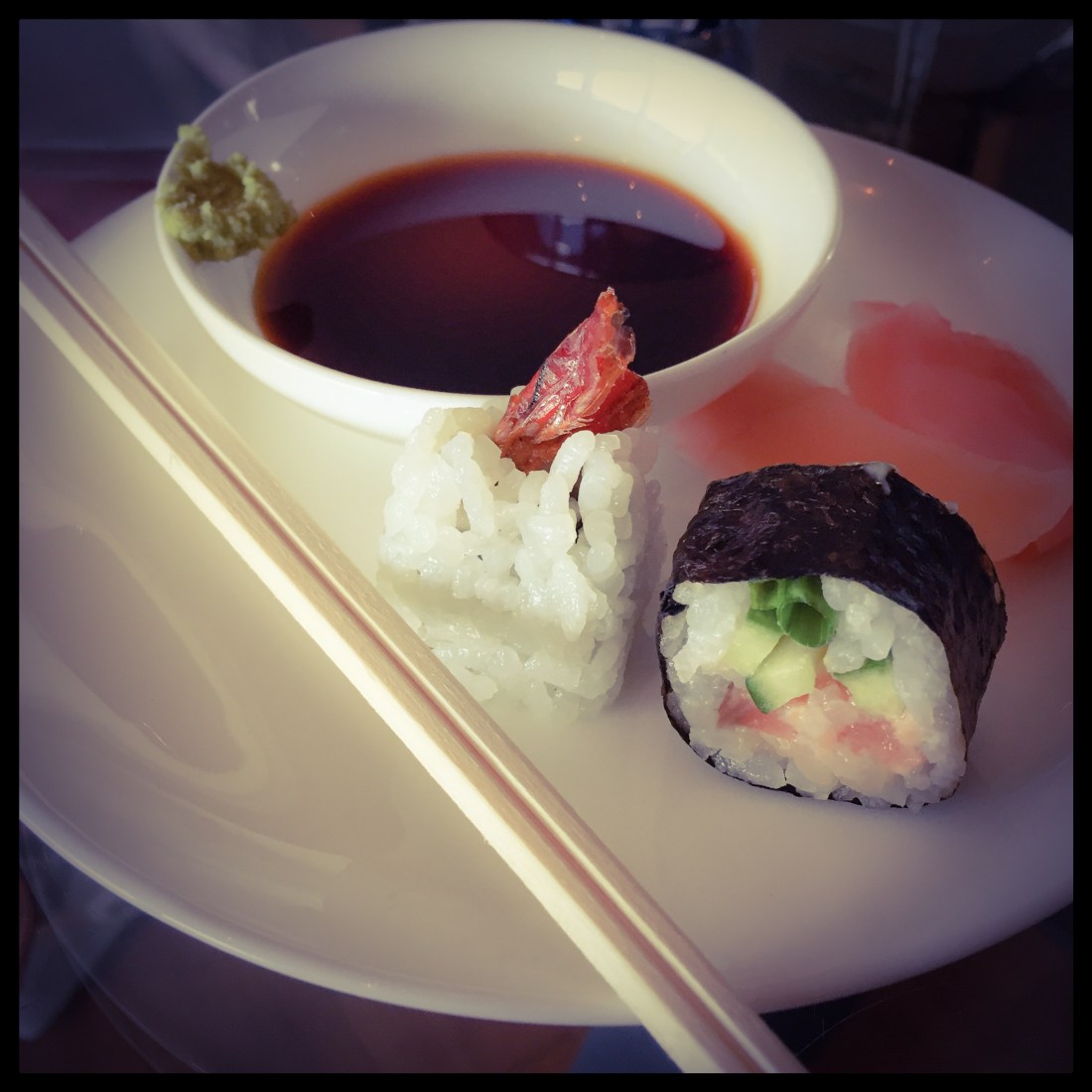
Nothing brings people together like good food and great conversations. I took this picture when I was out with friends who’ve lived in Korea for a while. While we exchanged stories about our cultures and mused about our distinct social practices, they also introduced me to sushi. It was my first experience with everything sushi—chopsticks, pickled ginger, soy sauce, wasabi (wow!), even rice balled up. Though I grew up in a rice-based household, sushi showed me a side to rice that I hadn’t known before. Not only was the flavour rich but it was also a blend of the familiar with the unfamiliar.
That day, that sushi became the bridge that connected me with the rest of Asia’s delectable cuisine.
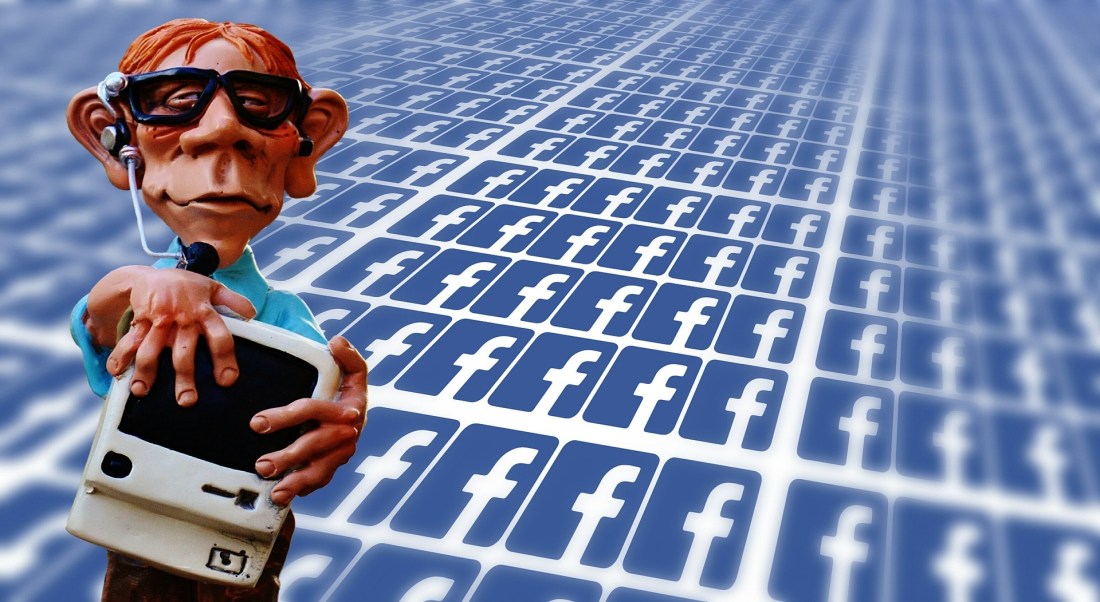
For a few years now, everyone I know is obsessed over likes on Facebook. It’s become the sort of thing that gives identity to a person. Like a beacon that assures them they’re in the right path.
Everything is about likes. It’s as if our need for recognition and social acceptance has surpassed our ability to self assess. I know I’ve made a decent photograph of the moon last night, and yet I can’t accept it unless I’ve seen a few tens of likes affirming it for me. And if the tens grow into hundreds, my confidence grows with it.
It’s a good thing in a way, because we need self-confidence to uphold ourselves in society. At the same time, however, this incessant desire for others’ approval is making us more dependent than ever. I’ve lived in the eastern part of the world all my life, and the one thing that differentiates the East from the West is that it’s more of a pluralistic society. The western world, however, is more individualistic by nature.
We see pluralism everywhere in the East; from schools that over-indulge in group activities, to local societies that promote the extended family system, to parents who expect children to live with them until they are married off. (That’s a story by itself.)
As people continue to crave more social media recognition, even the West may head towards a more pluralistic society. The current generation is, by principle, broad minded, and so it doesn’t shy away from accepting its dependence on fellows or the previous generation. Even then, this social shift seems to grow faster now than it did in previous years. Soon, we may all become more social. But — for all the wrong reasons.
The problem is social media recognition isn’t genuine. Most of the time, people on Facebook hit on the like button not because they like the post but because they want to acknowledge whoever’s shared the post. It’s a way to let the entire friends community know that they’re just round the corner. In a way, it’s a desperate measure by one person to remind others that they exist.
Though plenty of people use Facebook and other social media for specific reasons like business ads, community building, local selling, and interests and hobbies, that’s only a niche compared to the vast pool of youth who get on Facebook to chat with friends they’ve just said goodbye to at school. I remember, when in school, my classmates making appointments to meet on Facebook at a designated time just so they could chat on FB. It was a status symbol then—about seven years ago. Not much has changed since, except now it’s Snapchat.
This tendency is making us — both the eastern and western population — unable to survive without one another. What’s ironic though, is that while a proper pluralistic society means to promote healthy social living, we, in reality, aren’t looking for actual human interaction. We’re, instead, seeking recognition through the inanimate, yet animated GIFs and laughing faces. It’d be interesting to see how our society progresses from here. Do you folks agree? Or am I just being paranoid? (I’ve heard I could be.)

 The Chaos Within