Time to manage

She walked to work feeling excited. She had woken up ten minutes earlier than usual and, to her surprise, didn’t feel tired at all. It’s going to be a good Thursday, she thought walking through the glass doors at her workplace. And if turns out lousy, the weekend’s not far away, her mind assured her.

Taking her place, she looked at the empty seats around her. It was 9 in the morning. She had about an hour before people trudged in.

Taking a deep breath, she fired Safari up. It opened all the tabs she had been working on before shutting down the previous evening. And the first one that looked back at her: Facebook. Instagram was just nearby.

She glanced at her phone. It was 9.05 am. Perfect. She had plenty of time to get some work done early—before the distractions walked in. Perhaps she could leave office early, too, and read that book she had been putting off for more than a while now.

Excited, she was about to turn back to her laptop when she noticed that the wallpaper on her phone seemed boring. Of course, she hadn’t changed it in over a two months. Well, how long could it take?

She flipped through the photos on her phone, and finding nothing worthy of a wallpaper, turned back to her laptop and opened a new tab: mobile wallpapers.

It took a while but she managed to find a perfect fit. Having set the new wallpaper, she was ready to go back to her work email. Facebook was still open, and so was Instagram. She flipped through her feed in record speed, just to catch the latest news from friends. Masha was getting married, Dave Jones had a baby boy (“Name him Davey!”), Trisha was pregnant again, and Joanna had got a new job in Paris. Wow, she wondered scrolling down. It was nice to see the gang succeed.

She kept scrolling until a video made her stop. “How to make the world’s best chocolate chip cookies—as told by Monica.” She smiled to herself. That’s a clever headline, her marketing brain whispered. Good tactic, recalling the beloved Friends character. The title worked on her too; she watched the ten-minute video even though she doesn’t bake. Sighing and craving chocolate, she scrolled further before pausing again. A social-worker friend had posted a video of a non-profit organisation that trained speech-impaired children. Feeling like she owed it to the kids, she played the video. It was short—just a minute and a half. At the end of it, she wanted to bake chocolate chip cookies and share with those kids.

She looked at the phone again. The wallpaper was fine, but would become dull in a month. Perhaps she should try themed wallpapers each month, something fun, she thought—it was 9.45 am.

Now she panicked. The stragglers straggled in one by one. “Hey Bob,” she waved as he passed. “Morning,” she nodded at Priya. And seeing the boss right behind Priya, she looked down in a hurry. She didn’t want him to see her cheery face, for he’d call attention to it at the end-of-quarter meeting later in the day.

She sighed (9.49 am). It was almost time to prepare herself for the tasks of the day. But she didn’t want to. Looking back at the browser, she saw her Instagram full of notifications. Then she remembered she had posted a photo the previous night, and hadn’t seen the responses yet. It was 9.51 am but she still had time. She clicked on the heart.

“Hey. What’s up?”

Her teammate stood behind her cradling a cup in his hand. It was 10.33 am—his coffee time. “Hey,” she replied, her eyes drooping. “I was just reading this article—about successful time management.”
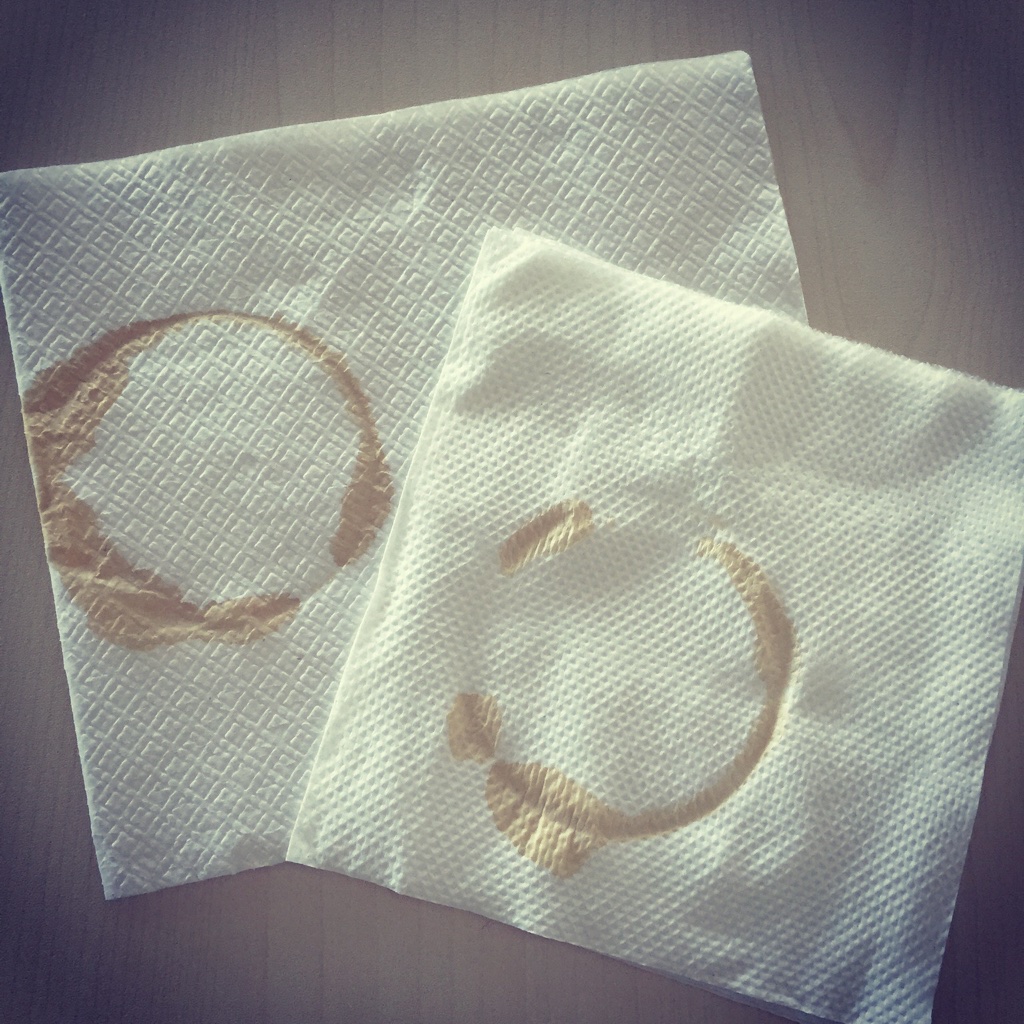
Magical solution

coffee
More stuff like this on my Instagram profile.

Elixirs on shelves

make me sociable — they say

None, as ground coffee.

Fine Dining

“Don’t be silly!” he lashed at Mary—in their sixth argument in two months.

Dave had just washed down a triple cheese burger with a large Coke. Mary, however, had imagined wine and scampi for their anniversary dinner. But when he showed up carrying a takeout meal, she couldn’t help but cry. “You’re a selfish jerk, Dave!” She had yelled.

They fumed in silence for half hour. Before he left, “We’ll go out tomorrow,” Dave promised stroking her hair.

Exhausted, Mary retired. She turned to her bed and noticed purple roses with a note, “Scampi is fine, but you’re finer.”

Of Murder in Non-Fiction

There are two types of readers of murder: one who read fiction and non-fiction and know what they’re reading. The other is those who read non-fiction and complain it’s not as good as fiction.

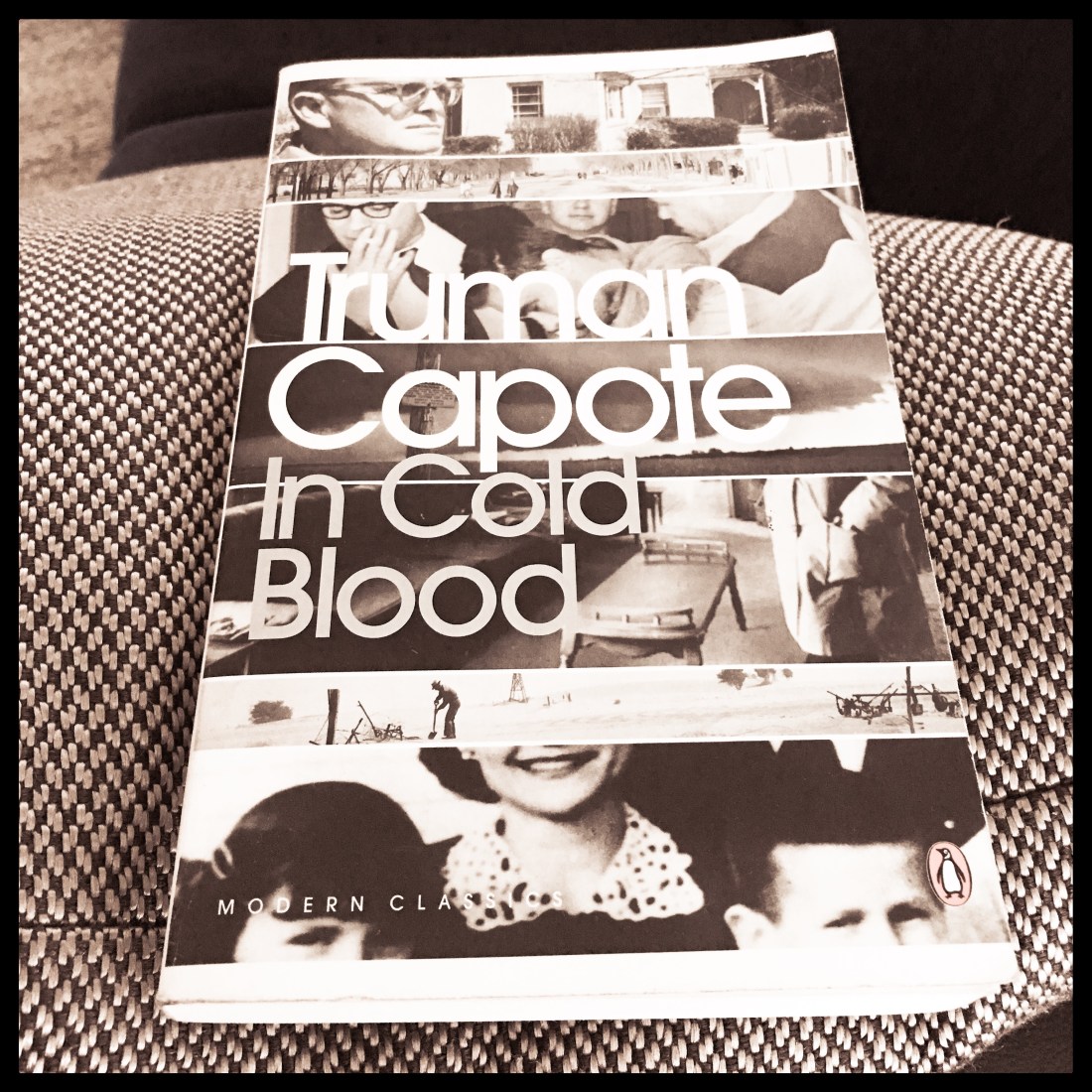
I don’t care about the latter, but I don’t see how they don’t see the difference between the two genres. For instance, In Cold Blood by Truman Capote is non-fiction, and it doesn’t read like fiction. For the adrenaline junkie, it’s no page-turner. For readers who expect an Agatha-Christie like unravelling, non-fiction murders are a bore.

In Cold Blood by Truman Capote

Just a few weeks ago, a close friend recommended In Cold Blood to me. She enjoyed it said I too would. Well, since she knows me and my preferences, I decided to heed her suggestion. However, when I asked around to borrow the book, one voracious reader told me not to waste my time over In Cold Blood. It’s a slow and dull read, she offered.

I was surprised to hear such conflicting views from two well-read people. I read the book nevertheless. That’s when I realised the true difference between murder-fiction and murder-non-fiction.

For one, the intended audience in non-fiction is not the same as in fiction. While almost any reader can appreciate the thrill of chasing an evasive fictitious serial killer, not everyone can understand the subtleties of outlining an actual murderer’s mind. Truman Capote, in the book, isn’t addressing the impatient ones who want to finish the book and lable it “Read” on Goodreads. He, instead, addresses those curious to know the way the mind works. The author speaks of Dick and Perry’s childhood, of Perry’s troubled family and abusive upbringing, of his dreaming of a giant bird, and of his attitude towards his partner in crime. None of these details matter in fiction because no one would care. In non-fiction, however, knowing Perry’s reluctance to swimming because he’s embarrassed by the way his legs appear, makes him relatable—it makes him human. And that’s the kind of depth that no fiction goes into. For someone looking for short bursts of exciting crime, a non-fiction like In Cold Blood is just plain boring.

This is my first non-fiction murder novel. And so it struck me how different the author’s tone is than in fiction. Capote doesn’t try to lure the reader with mysterious adjectives and goosebumps-inducing alleyways. Instead, he sticks to the facts—the cold facts that chill the bone one page at a time. For instance, there’s no element of surprise in In Cold Blood. I had gone less than fifty pages into the book, and I knew the killers, their appearance, and their uncanny ability to smile as they killed—so to speak. That’s how non-fiction works; the author has little to nothing to fold in a heart-stopping moment into the plot. The whole world knew the victims, the killers, and the history of the investigation—even before Capote began writing the book. It’s no surprise that there’s no surprise in the story. Nevertheless, the book reads like a true work of art. The crime was slick, chilling, and brutal. And Capote does nothing to make it sound any less.

Come to think of it, when reading a non-fiction murder story like In Cold Blood, a reader shouldn’t expect anything. The purpose of non-fiction is in itself different from fiction. While fiction has a perfect beginning, a crescendo, a plot twist, and the climax, non-fiction serves a larger purpose: understanding. Non-fiction readers don’t look for the climax, because the book opens with it. Instead, they look to look into the lives of the murderers, the routines of the victims, what they ate the day they were killed, who Nancy helped bake a cake, which part she played in the school play, how much she loved riding the horse with her friend. The non-fiction reader looks for life in murder. They find reality in hostility, and they seek to read the killers’ intentions. Because non-fiction murder isn’t just revenge, it’s the result of an entire lifetime of bottled emotions—boiling down to a moment of unsteadiness. And that’s what a reader hopes to discover.

It’s not just the reader, though. Even the author of non-fiction murder has a purpose that varies from fiction. Writing about murders takes more than time and patience. It’s takes more than writing itself. Capote would’ve spent a lot of time researching the facts, but he also would’ve spent years trying to uncover the mystery of human psychology. I can imagine how it must be for a writer to flip through gruesome photos and statistics. The purpose, again, isn’t to write the most spine-tingling novel. It’s more than that—it’s to bring to life, and show the world, the soul of a human who happened to take a wrong path.

I enjoyed every bit of In Cold Blood. If you haven’t read it already, you should. Be warned, though: if you’re the fiction lover who is reluctant to spend time (even as long as a month) on a single book, then don’t bother. But this is one wonderful book. Capote’s sharp writing would drive through your chest, and you’ll yearn to know more about the men—who could well be your neighbours—who also murdered a family in cold blood.

Life Without Meaning

Jason trudged home alone, head low, hands in his pockets. No one wondered where he was or where he went.

He wished he was slender as the others. Perhaps then he could match their pace as they paced in line. He was the biggest and oldest of fifteen children, and his parents hosted hundreds of relatives, seldom noticing his absence.

It was yet another of those days, and they had found sweet merriment without him. He went into his room and shut the door. He hated his existence. He wished he had been born human; being an ant seemed meaningless.