Writer’s Trauma

About three years ago, I was thrilled when I finished writing an entire novel. I had great expectations for it. It didn’t see the darkness of the press or sit in bookstores where fans cradled it and smelled the fresh print, as I had hoped. But it’s on Inkitt.com, and that’s better than it being locked inside my cupboard. A few days ago, I got an email from Inkitt about a new contest called the Teaser Awards. It’s pretty straightforward: I have to write a 200-character teaser for my novel.

Fun, I thought. It would be a great way to persuade people to read my story. I needed more readers because most of my cheerleaders (immediate friends and family) didn’t even get past the first chapter. It’s not because the story was crappy, (I checked), but other pressing stuff came up. And with this teaser assignment, I thought I’d use my creativity to re-ask my friends and family to give my novel a second chance.

I sat down to write.

Three years was a long time ago. Of course, I know every scene almost by heart, but when I had to drill it down to a 200-character teaser, I got stuck. Not that I had so much to say and didn’t know what to pick, but because I had nothing at all to say. All of a sudden, the story I spent hours pondering on and nurturing, didn’t seem interesting enough. I tried digging my memory for something worth talking about, and it was as if my story was worth nothing. I didn’t have adrenaline pumping action, no sword fights, no heated arguments, not even a trace of romance. For fifty chapters, I had rambled on an on about a normal girl going about her normal life. I didn’t know what to say in my teaser.

I panicked. If I couldn’t find excitement in the story, myself, how would anyone else find it? I was so shattered I couldn’t work on my teaser anymore. I gave it a break, a day. Then it hit me: perhaps that’s why my family couldn’t read the story. Because there was nothing interesting about the everyday life of a teenager.

It was a depressing revelation, because when I wrote the story, I thought I’d made it as relatable as possible. A handful of readers told me they got bored after the first few chapters, but again, folks who did manage to read the whole story told me they loved it. (Well, not “I loved it” verbatim, but most of them said things like, “great work.”) And now every time someone tells me I’ve done a decent job, I can’t help my widening lips, my glowing face, and my joyous swelling, heart.

That’s how it is: You’d never know how others would react to your stories. There will always be mixed feelings and varied reviews. Some would like your story, some would hurl at it. Some give you constructive feedback, some would just throw unhelpful opinions. Variety is the essence of life. And it’s also the curse of writing.

I did rework my teaser to this:

What if you don’t know your calling? You’d try to figure it out, making decisions you’d regret – or love. You’d break your heart a few times, too. Until one day, you’ll succeed and all will be well.

If you think it works, you can read the story here. I would appreciate your feedback, whether good and bad.
Looking Forward

After how this year turned out, it looks like 2017 couldn’t get worse. I wouldn’t put anything past chance, though. We still have fifteen days for the year to wrap up and anything could happen.

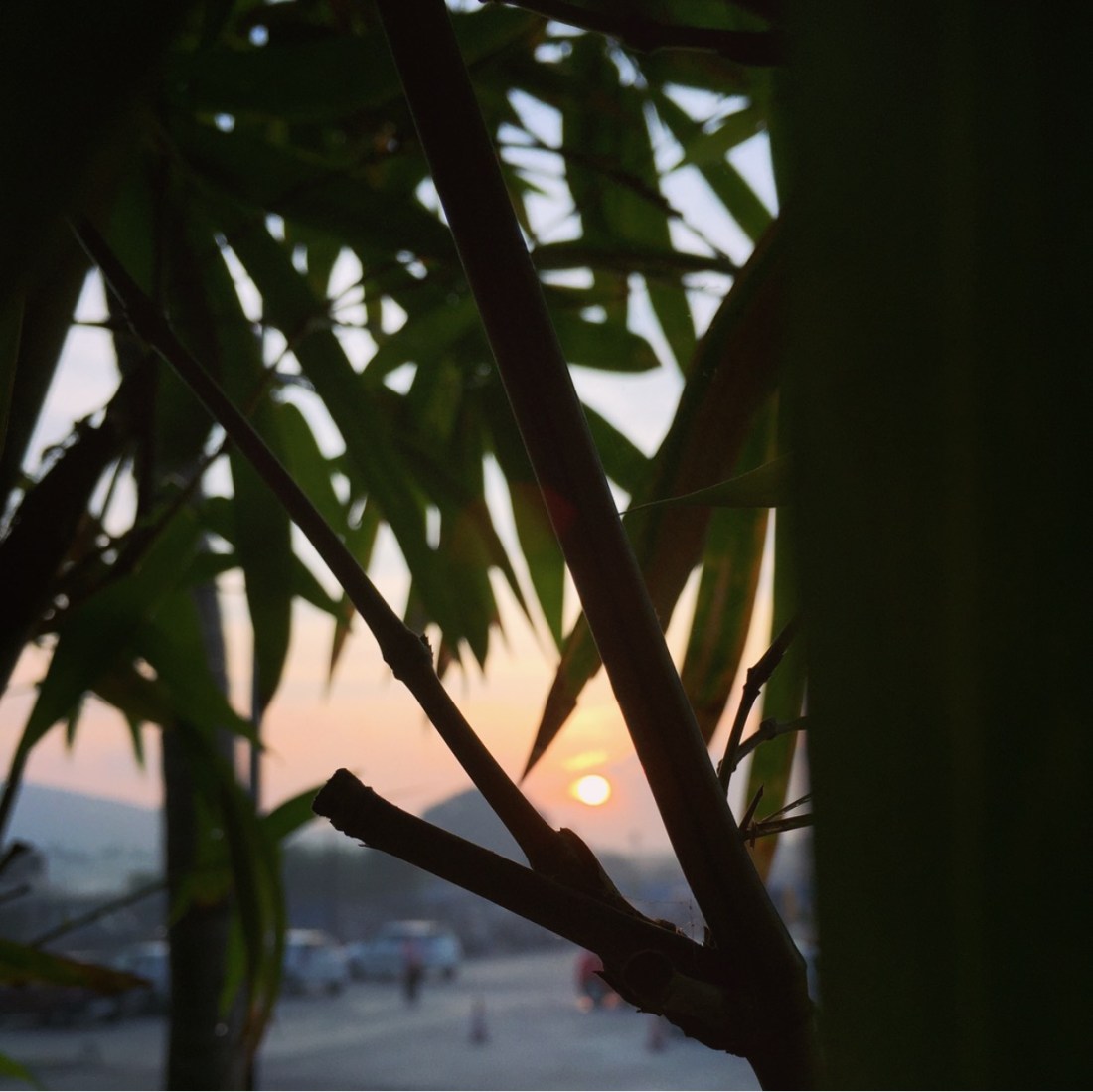
But no matter how the rest of the month goes, we’ll have a new beginning in a few days. And to celebrate, I want to rewind a year to a photo I took on the 1st of January 2016.

When I took the photo, I had no idea how the year would unfold. And yet, I enjoyed a moment of solace with a sunrise and a new horizon. Perhaps 2017 would turn out better.

new-horizon

Life with Diabetics

After an exhausting brainstorming session, my colleague and I decided to take a break and get a cup of coffee. We walked together discussing work, seeming more professional in the pantry than we are in our seats.

My colleague grabbed a cup and filled it with a couple of spoons of sugar. And then she held it under the nozzle of the vending machine which ground roasted seeds and dispensed the magical liquid into her cup. It was my turn next. I grabbed a cup, skipped the sugar, and went straight for the nozzle.

My colleague looked at me surprised. She wasn’t the first one, and I know she wouldn’t be the last. I drink sugarless tea and coffee, I avoid processed sugar five days of the week, and am trying hard to quit the weekend candy crush saga.

Countless people tell me I shouldn’t be as obsessive about sugar as I am.

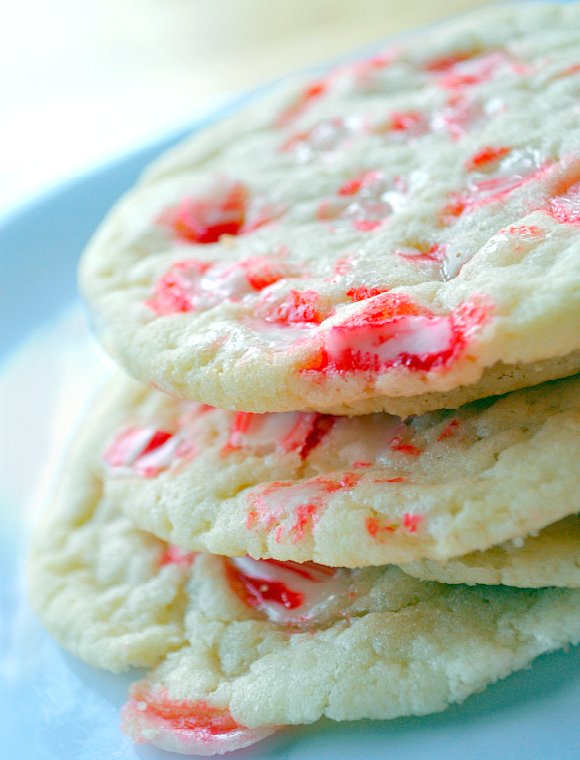
sugar-cookies

However, none of them know what’s it’s like growing up in a diabetic household. None of them know that my blood line is infested with a line of ants all lining up to get a whiff of our sugary blood. My grandmother was a diabetic. My mother is a diabetic. My aunt is a diabetic. Tell me I’m not paranoid to think I’m next in line.

Living in a sugar-coated family has changed the way I see my life. The last thing I see before going to bed at night and the first thing I see when I wake up is medicines. We have at least five plastic boxes, all colour-coded and named after every diabetic tablet available in the pharmacy. We’ve adopted med-speak as our secondary language; we speak in milligrams and figure out how diabetic someone else is based on how many milligrams they swallow every day.

Our conversations begin with stories about the time someone forgot to take their sugar pills, and our dinner talks involve verifying if there are enough medicines for the whole month.

I’m now accustomed to living in constant fear of self-raising flour and simple carbs. No other food has scared me as much as the soft, white, and deceptively harmless glucose granules. I’ve lost count of the times I’ve looked up the difference between glucose and fructose, without understanding it once. And sometimes, when I think I deserve a piece of candy or cake, I devour it, only to feel terrible about it later. I hate myself that I sometimes eat a sweet treat in front of my glucometer-cradling mother.

Still, every time I handle a spoon full of sugar, I hesitate and wonder how much is too much.

The types of diabetes you can get, the different ages in which you can get it, the symptoms, and preventive measures to keep your blood sugar in check are everyday discussions in the family of a diabetic. And when you’re growing up with these details hammered into your brain, it’s more than enough to suck the enthusiasm out of your life bit by bit.

There’s nothing sweet about living with diabetes. And there’s nothing bitterer than living with a diabetic.

Crossed Arms and Teary Goodbyes

I went to bed last night knowing that in less than 9 hours, I would bid farewell to my close friend.

Crossed Arms and Teary Goodbyes.jpg

My parents thought I’d wet my pillow with my tears. They were ready with tissues and shoulders in case I needed someone to console me. They stood by me ever supportive as I stood with my arms across my chest waiting for my friend to leave.

It was around 7 am, and I had had just dragged myself out of bed. I had slept well. So well for someone whose friend was going away to another country altogether.

I wasn’t worried. It was just another time zone. Besides, my friend and I only message each other a lot, and a five and half hours in between wouldn’t change anything much.

Not everyone else saw it the same way.

For my friend’s parents, he was going away for good. It was like he was abandoning them, running away without leaving a note.

As the previous day waned and the time for departure drew near, the father grew quieter and quieter. His voice grew smaller, his face duller, and his tension a little higher.

The mother, on the other hand, was panicking within. It was obvious, but she tried her best to cover it up by sweating in the kitchen instead. She cooked all his favourite foods; from fried chicken and sautéed fish, to stir-fried crabs, she wanted to make sure her son ate everything he could before he left the nest.

Ever since he booked his flight ticket, things had shaky at home. He had to mask his excitement so that his parents wouldn’t feel bad. For an outsider, it was all funny.

But on the inside, the family had broken down. Nothing was as big as the child leaving home to work in an alien country. That’s how parents are. They’re annoying, meddling, and saying things that we don’t like, and saying the right things almost all the time, which we don’t like even more. But they’re parents. At the end of a long day, they’re the ones who stay up all night wondering if the son has boarded the aircraft, and they’re the ones losing sleep because one plane crashed twenty years ago.

And there I was, my arms across my chest waiting for him to leave. I, the friend, didn’t even pretend to wipe away an absent tear. Well, what can I say, I not into public display.

Well, what can I say, I not into public display.

Respecting the Maker

Craft is a wonderful thing. The crinkled eyebrows, the watchful eyes, and the delicate fingers all make a craft what it is: a magnificent and complex piece of art. It demands the maker’s energy and time and unlike any other physical activity. It’s one of those things that drain you just even if you’re just sitting in one place with your head bent low.

To an observer, the craftsman is a scientist; a microbiologist. One who’s got eyes for nothing and no one around them. And that’s the beauty of a handmade object. It’s a part of a human’s life that they give away to someone else.

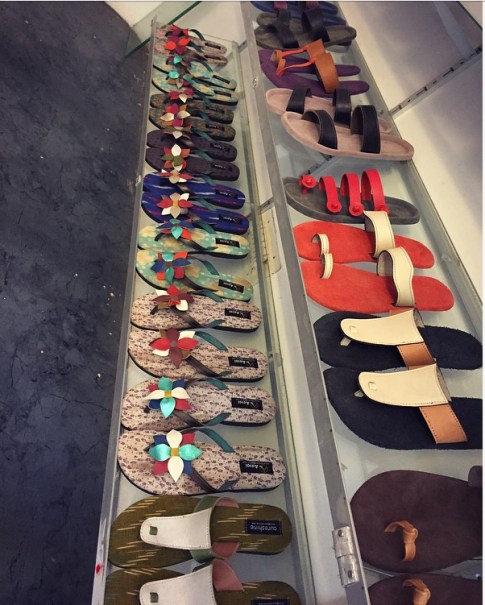
I saw a craftsman in Pondicherry a while ago. He was a shoe and footwear maker. He, along with the owner of the shop, makes and delivers custom footwear for customers about an hour or two after they place an order. But they also have a gallery of ready-made designs to can choose from.

handmade-footwear

While the owner was busy showing us around his little shop, the craftsman huddled with his tools near the pillar outside the shop. His eyes moved in tandem with his hands that stitched together leather and leather.

While his skin exploded with sweat, inside, the quaint shop exploded with colour. Yellow, red, and green straps crisscrossed with brown, black, and grey soles. I saw straight straps on one shelf and curled straps on the other, plain ones lying about and fancy ones folded up neat. The costs varied, too, from a few hundreds to a few more hundreds.

handmade-footwear-2

My friend raised eyebrows at the prices. It was a sad sight. Because there never is a fair price for the labour of human hands.

It’s human to first look at the product and then flip over the tag to check the price. Whether it’s a shirt or a shoe, we consider the price and weigh its worth.

It’s an instinct, yes. Still, when it comes to handmade crafts, what we think is high is never too high. Though we drool at a craftsman work, every time we roll our eyes at the price, we undermine the maker’s efforts. We need to realise: In this age of our lazy bones and sitting on our asses, it’s taxing to work through hundreds of needles and stitches every day.

craftsman

That’s why we should learn to respect the ones who do, because, in a few years, no one will have the patience to dedicate the scrutiny involved in making handmade pieces.