
I’m not the political kind, but even I know the sorry depths democracy has fallen to.
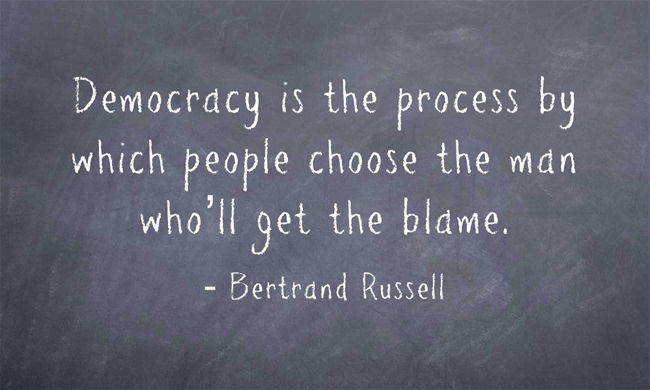
I’m not the political kind, but even I know the sorry depths democracy has fallen to.
I’ve always enjoyed poetry. But I never understood reason, until now.
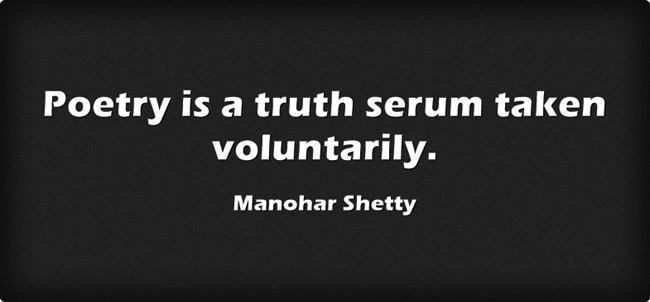
It’s true, people write in poems things they can’t speak of, things that are too personal, things that make us vulnerable, that make us cringe at ourselves, laugh at our stupidity, and scorn at our vanity.
Every poem is a bitter reminder of the truth we’d rather not hear. Every rhythm and every rhyming couplet — from “black wires grow on her head,” to “The old Lie: dulce et decorum est pro patria mori” — every piece of poetry is a whiplash to humanity.
And maybe it’s necessary, to take that serum once in a while, to hit ourselves with a dose of poetry and question everything we ever stand by.
I just read Twice Born, a novel by Vijay Raghavan. After having read three books of Paulo Coelho’s, I needed a break. And so, I turned to some Indian writing.
I hate it that sometimes Indian writers try too hard. They try hard to sound as close as they can to a native English writer. Which is fine, except, none of the British and American writers I read seem to write books with a thesaurus in hand.
And when I read this book, I thought of Joey and big hearts.
Maybe it’s just me, with my measly vocabulary, but to me, if a writer can’t convey her thoughts in a simple way, she can’t convey her thoughts at all.
After all, I heard it was Einstein who preached that if you can’t explain it to a six year-old, you don’t know it yourself.
But I digress.
This is a story of an English professor, also the narrator. One fine day, he realizes he’s schizophrenic, and two characters pop out from his head to help in his “conquest of happiness.” A doctorate in English, he names these characters Dr Heckyll and Mr Jyde. Throughout the rest of the story, these characters talk to him, advise him–even insult him at times–and at last, lead him to answer his own questions.
Even for someone who hates having to open the dictionary every few paragraphs, I enjoyed this story more than I hoped to. Maybe it was the effect of too much Coelho, but the plot of Twice Born ran fast and captivating. It was a peek into the life of a man torn between the Indian and the Western world. The narrative was honest in most places, a little philosophical at times, but overall — detached. I didn’t feel emotions seeping out of any of the characters; they all seemed logical, straightforward and calculative.
Nevertheless, I had my moments with this book. Moments like this.
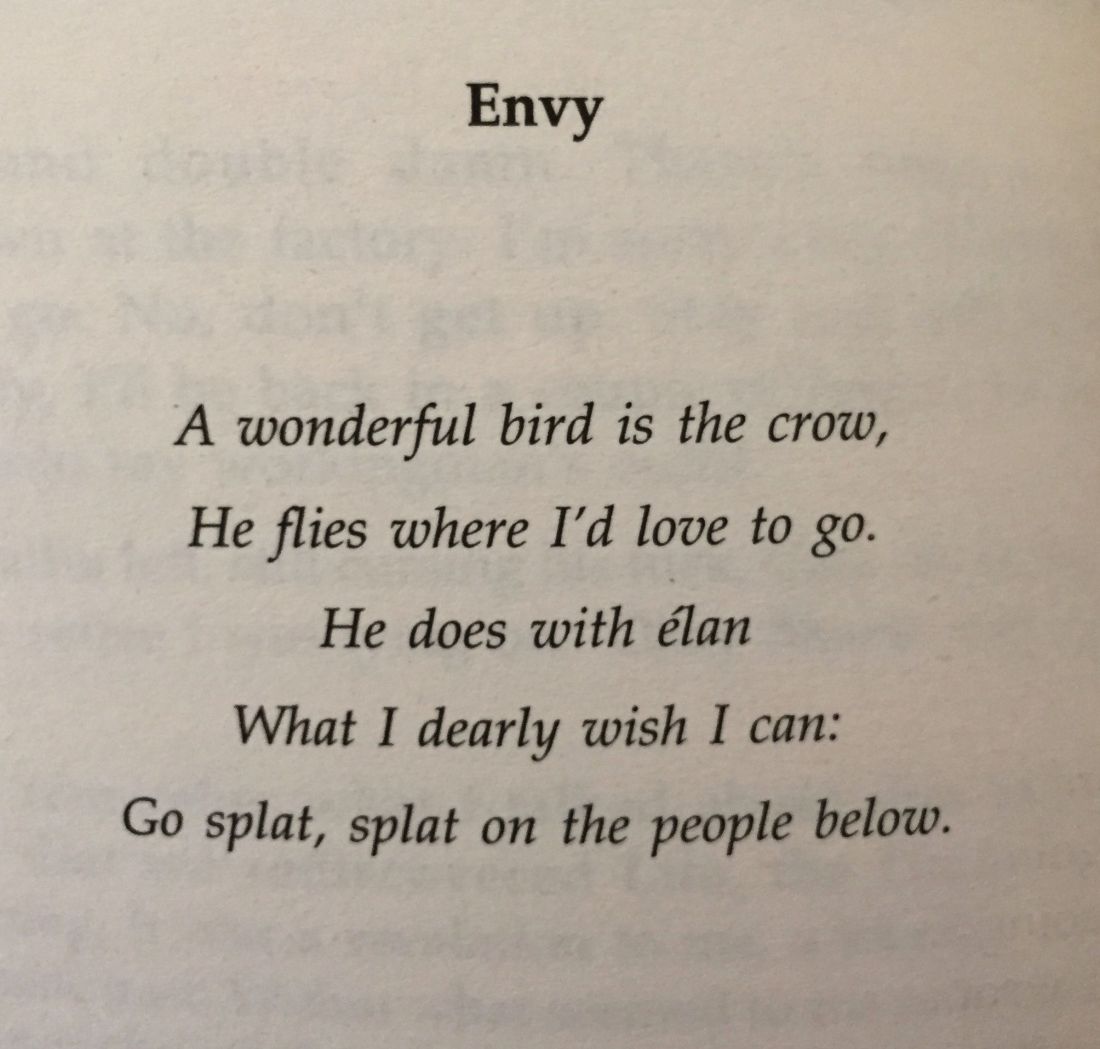

What if I wake up tomorrow to find I’ve hit a block so hard that there’s no coming back? What if, I can’t write anymore?
It’s a hypothetical question, but a wake up call as well. Because I don’t have a contingency plan. I don’t know what I’d do if I don’t write. I’m lucky my job involves writing and my hobby is writing. But if I can’t do the one thing I can do, what would I do then?
I would try singing. But I make people bleed from their ears.
Maybe I’d just go back to studying. I like studying, I like poring over books and reading between lines. I like reading great writers, and I’d revel in words, delve deep into the mystical world of literary puns and illiterate goons.
I’d wake up each morning, breathe in words — from Shakespeare and Milton to Doyle and Christie. I’d bury myself in fresh prints and vintage tints, reading in bed, every day — on Valentine’s too.
And while turning the pages, I’d whistle my favourite tunes — and no one can tell me it’s not a girl-thing to do . I’d sing when I feel like it, I’d read aloud, I’d narrate, I’d play the part of the main character and test my vocals; “Romeo! Wherefore art thou Romeo?”
I’d read book after book, I’d turn page after page, I’d inhale in morsels, the ink on those books, and get drunk in the pleasure of alliteration and word manipulation.
And then I’d realise romance isn’t my forte, and I’d pick something closer to my heart; because I know, “something wicked this way comes.”
And once I step over my Rubicon, there’s no return. And I’d be for eternity under the influence of the greatest drugs known to mankind; “words, words, words.”
How often do we find ourselves trying hard to convince people of our intentions? Quite often, in my case.
There’s something so weak about human nature that begs to be understood, to be heard, to be trusted, adored, and — in short — to make sense.
And then I saw this on Pinterest. And it made me question everything.
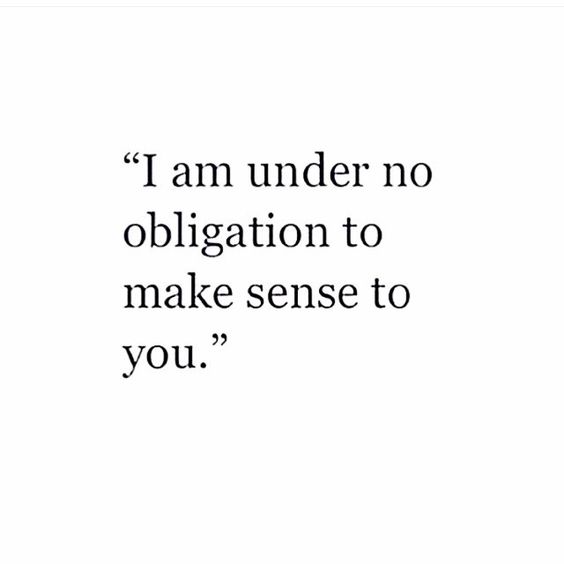
Makes sense, huh?

