Stranger Things

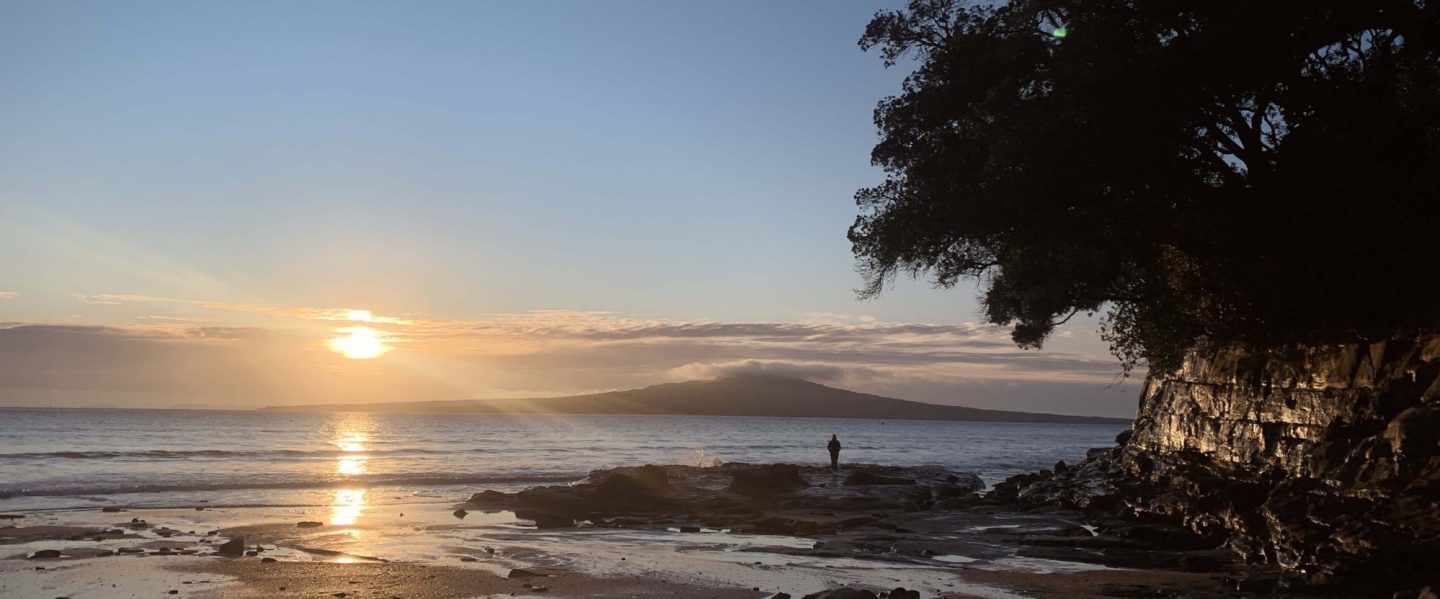
On my first trip to Kerala, I stayed awake all night. I stood at the door of the bus, clutching to the frame and watching the dark sky lighten.

It was three years ago, on a school trip. But the memories still linger, as if just yesterday I stood at the footstep, nibbling chocolate chip cookies at 4 am.

We started out at around 10 pm the previous day, and just like any trip with friends, we talked, and sang, and danced well into the night. But as darkness fell, most of my classmates started to doze off. I sat down next to a friend who fell asleep in an instant, making me howl with jealousy. I plugged in my earphones, instead, and sat up straight wondering what to do in a bus full of sleeping classmates with only the driver to talk to.

And then I got bored. The wind blew harder with every mile we passed. The cold October breeze stung through the open windows. Pulling my cap over my ears, I walked over to the entrance of the bus. Unlike the usual full-length, the door was about my height so I could look out without reaching out.

I put my head through the door, and a warning call came from behind. The driver’s companion (who’d take the wheel when the other driver needed a break) yelled at me to stop being a fool. I flashed a sheepish grin and assured him I wouldn’t hang out the door or rest too hard on it. It was a secure door, I knew but you can never be too careful.

And so I stood there, gazing at trees passing us at 45 miles per hour. From swaying green monsters, I saw them transition to black ghosts. As the night moved onto early morning, a blueish hue appeared over the horizon, and lights popped up at every corner I turned to.

My stomach growled. I pulled out a packet of cookies and went back to my lair. A friend on a seat nearby jerked awake and joined me. We stared out at the tents that lined the highway, lights within them illuminating creepy silhouettes with butcher knives. We passed a few more tents and noticed large bodies hanging on the entrance of the tents.

It took us more than one chilling moment to recognize what it was. Kerala is famous for dark meat, and with the rest of the country dabbling in holy cow controversies, it wasn’t so obvious to us that the beef dealers started their day early. Once we understood that, we smiled at ourselves and began pointing out gory silhouettes.

It was the closest we could ever get to being in a thriller a movie. We basked in the sensation, and a while later, the sun peeked from pink clouds, cast them away, and walked out in full glory. More of my classmates began to stir, ready to explore the wonderful land of Kerala.

While they chattered away, I traced my way back to my seat. My adventure had come to an end, and staying up all night had given me a headache.
Friend Indeed

My friend,
You’ve lost my favourite pencil
folded the edges of my books
left the cap open in my marker
forgotten to use a coaster
overdosed on bill due dates
and even skipped doing dishes.

My friend,
Though your idiosyncrasies grew,
I’ve said naught for years
Be warned, though: you’re history,
if you make your you’re again.

Game of Life

The moms were there and dads were too
best men glowed, bridesmaids glowered
they tilted heads and swelled with joy
as the coupling saw each other’s eyes
with bright exuberance and wild passion
exchanging bands with studded jewels.
Though an entire congregation witnessed,
none would’ve guessed how it all ended.

A Simpler Time

If there’s one thing about my childhood that I cherish, it’s the endless sea of tea plantation and me trying to stand straight on a sloping ground that’s more slippery than a bathtub.

I like to think I had happy summers and Christmases there in the Nilgiri where an uncle of mine owned a tea estate. Every time school closed for a holiday we’d pack up our trunks, pick up a truck, and head up the hills. And no matter how many times we’d been up there, round and round the hairpin bends, squashing against each other at steep curves, and spilling juice all over the seats, the trip would be filled with fun and laughter. Plus, when we cousins got together, we’d just hang around and find reasons to drink more tea than usual.

It was a simpler time when ego was unheard of, and adolescent mood swings were in the unseeable future. My uncle’s house was set deep inside an estate, and we’d often take walks around the house exploring unkempt trees and unfamiliar plants. We’d find a new fruit each day only to hear from the well-trained estate folk that we’d discovered poisonous plants. We’d run around barefoot and come home crying with a bruised knee and a guilty-looking cousin. And our biggest problem was coming back before the bears got to us.

But then we got older. What once seemed impossible became the ugly reality. We had grown up, and in the process, lost our innocence to society’s poison that our estate friends failed to warn us about. We drifted apart, seeking joy in movies rather than the open lands. We once walked into dense nature just to live the moment, but as our hair grew, so did our passion for attention, and our attraction to selfies. We are cousins who don’t even visit each other anymore. Some of us married, some happy, some looking, and some others still finding joy in brewing tea.

Life doused our faces with reality, yet the memories linger of a childhood worth cherishing.

Olympics Aftermath

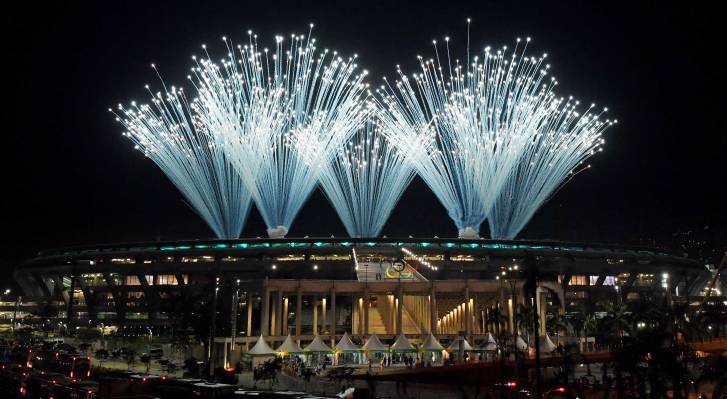
I just read that to glitter for one month, the city of Rio de Janeiro had displaced 80 000 of its citizens.

rio

If that doesn’t shame a country, I don’t know what else does.

The Olympics is a big deal, sure. It’s a mass congregation, the world’s largest sports convention, the holy godmother of all sporting events, yada, yada, yada.

And while the rest of the world saw the sugar, spice, and all other things nice, reality shoved its ugly face on the people of Rio. They wouldn’t have liked the idea of the entire world coming to — taking over, rather — their home.

It’s not just Rio. We saw a similar picture the last time Olympics went to London and Beijing before that. Countless glorious venues now lie barren and play host to a meagre number of tourists. And to make matters worse, the Bird’s Nest costs $11 million a year just to maintain. And nothing worthwhile came off setting up the Olympic Village either.

As for Athens, the first Olympics I cherished, went $15 billion above their budget to put on a show that’s now in disarray and disuse.

Millions of people thrown into the labour of making these stadia, setting up seating, and fitting in lightings— all for attendees staying less than a month. So much time, money, sweat, and blood shed for the vain pride of hosting Olympics. And at the end of glow and show of sportsmanship, the rings get rusty, and we go back to hating each other.

Nothing about the Games was a game to Rio’s now homeless, squashed under its crushing weight.

And here we are, just days after the closing ceremony, complaining on Facebook that another country outperformed us in track events. We should, instead, be ashamed; blinded by our so-called national pride, we ignored a nation that groaned under the pressure of treating us assholes for a fortnight.

We somehow played a part in uprooting the lives of 80 000 people, and that makes me guilty. Some of those people were school children, pregnant women, infants, and single-meal breadwinners. Even budding athletes.

Come to think of it, Rio 2016 (and every Olympics before that) could’ve destroyed a generation of future sportsmen and women.