
In India, it’s odd for a man over 40 to not complain about his weak knee. But our guide was an exception. He didn’t climb uphill, he galloped. And he had been a tour guide for the last 25 years.
With that wowing thought in the back of my mind, I stepped up my pace as we climbed the Shola peak in Thekkady. It wasn’t much of a climb since the jeep had covered most of the distance and the height. We only had to walk over some muddy rocks that blocked our way to the top.
I stood at the top point of the peak and looked around to a panoramic view of the Shola forest. Spanning well beyond my range of view, I saw not a single yellowing grass, not even a tiny patch of parched land.
Trees grew taller than I had ever imagined they grow. The distant mist clouded our view, but from what our guide told us, the trees sway to pull in the clouds so they remain within the forest. That’s why the land gets continuous rainfall and never loses freshness.
 I looked on, and on, and on, but couldn’t get enough. There’s something mesmerising about green. Coupled with a gentle breeze that gushes its way through dense trees, rustling the leaves, it injects oxygen into the onlooker.
The hills felt alive, infecting everything around it as well. From the top, I climbed downhill on the opposite side. The further I went, the chillier it became. And the chillier it became, the more I could take in. I looked behind and the very mountain I had climbed down from now began to loom over me.
I trotted on towards the thin-falling waterfall in the distance. On my right were a herd of deer, and on my left was a well-paved tyre track. A couple of experienced local boys walked ahead of me, feeding my jealousy.
I was a tiny speck in a universe that grew greener each day. And staring at it, nothing mattered. Nothing except the streaming life that engulfed me. And at that moment, I was the most alive I had ever been and became one with wildlife.
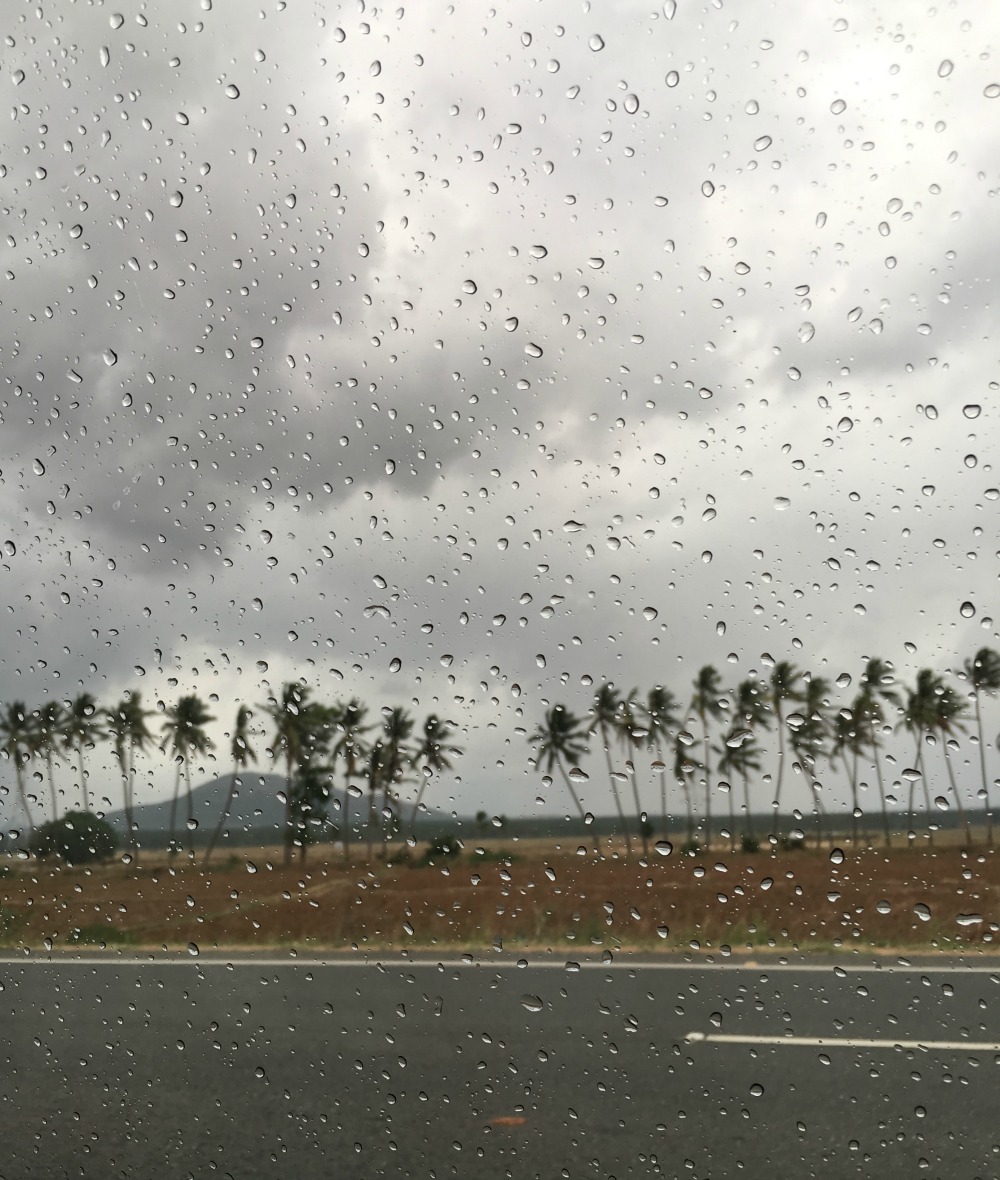 We sped on and two more hours later, we slowed down into the town of Thekkady. It was past the typical lunch time, but we did find a restaurant.
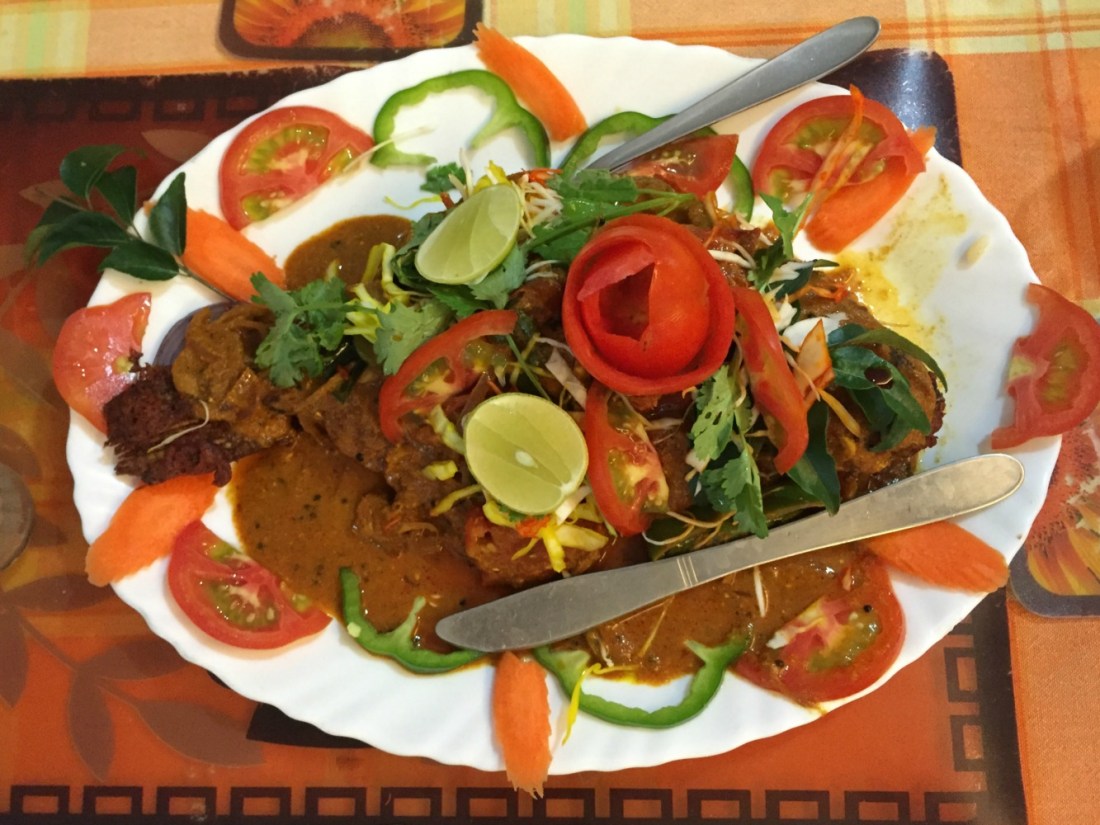 But even as we ate, we glanced out through the glass windows only to see the rain receding. And about five minutes later, the sky had cleared, the clouds departed, and the sun made yet another brave attempt to shine. People pushed back the hoods of their jackets and some walked out from the small shops around.
 I had always taken for granted the beauty of tea plantations. But I hadn’t been in one for about four years. We did visit an estate during my team trip to Darjeeling, but that was no proper estate. It was young and grew on plains!
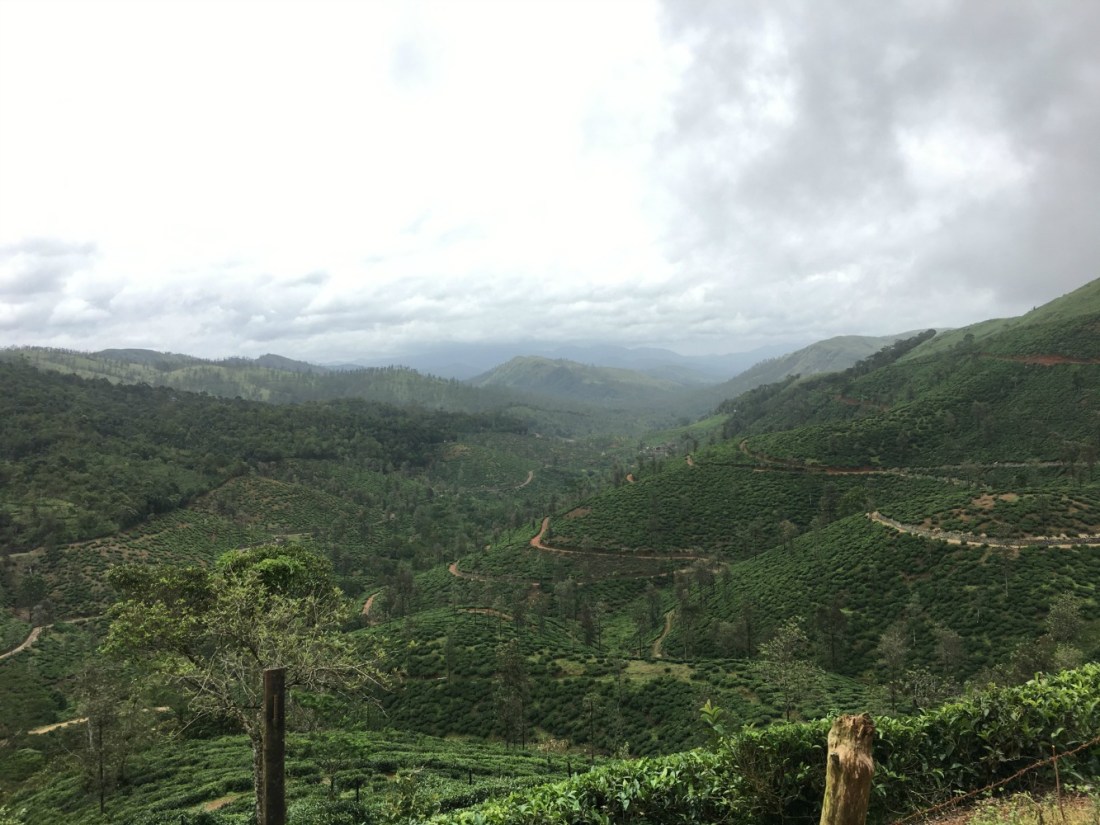 But none of that mattered once we reached the top. That wasn’t our destination, but we had ridden through so much of lusciousness, we had to take a break. What’s more, we could smell the tea drifting through the leaves.
