Thekkady Days

Last week I was away on a family trip to Thekkady. It’s a beautiful little town perched on the border of Tamil Nadu and Kerala.
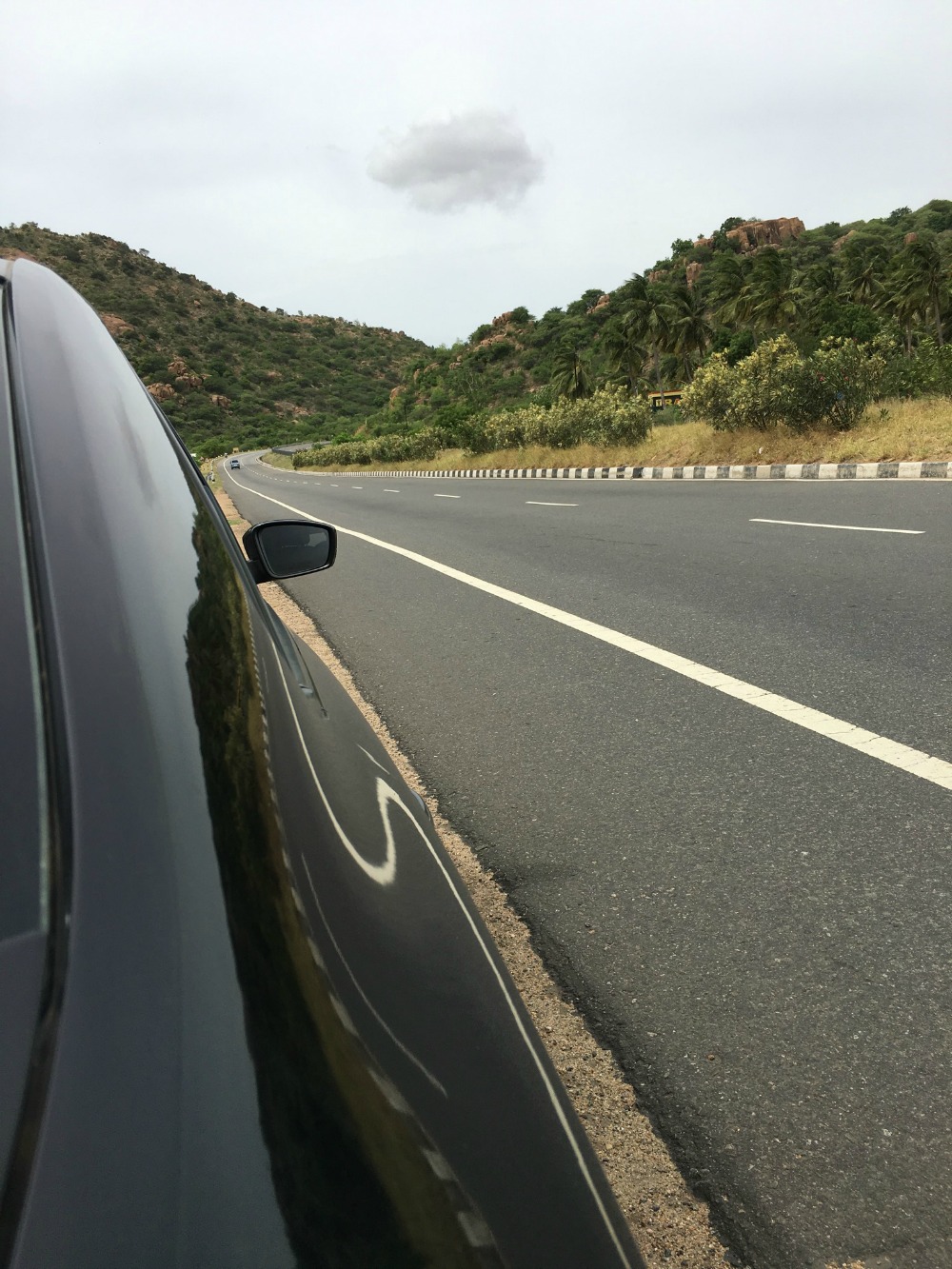
on the way

Just beyond the border is Kumily, after which comes Thekkady. There’s not much distance between the two towns, and we saw plenty of shops with address boards that read “Kumily/Thekkady.” It’s almost as if the locals have made peace with the fact that tourists will never understand the nuance differences between two small towns.

Nevertheless, we were in Thekkady. I love the way the name of the town rolls off my tongue. It starts slow but halfway through, it tumbles as if in a hurry. It’s a beautiful word, to name a beautiful town.

Even before we chose Thekkady to spend my parents’ anniversary, we knew there was nothing for us there. Sure, there were a handful of tourist attractions but they all came in a package. The package which starts at 5.30 am, ends at 3.00 pm. And during that time, we’d travel on a ferry, get a glimpse of a waterfall, trek through a spice garden, and ride through one part of the 1388 sq.ft of the forest cover.

We did none of those, though. We didn’t want to lose sleep and cram a tiny boat, with other tourists pointing fingers and cameras at overgrown trees and the silhouette of a tiger.

We chose the untrodden way, instead. My brother knew a local guide who had been doing jungle safaris for twenty-five years. He didn’t promise serene stuff like a lake-view lunch. But he asked for four hours of our time. And told us we’d be going to three places, all of them view points.

the green

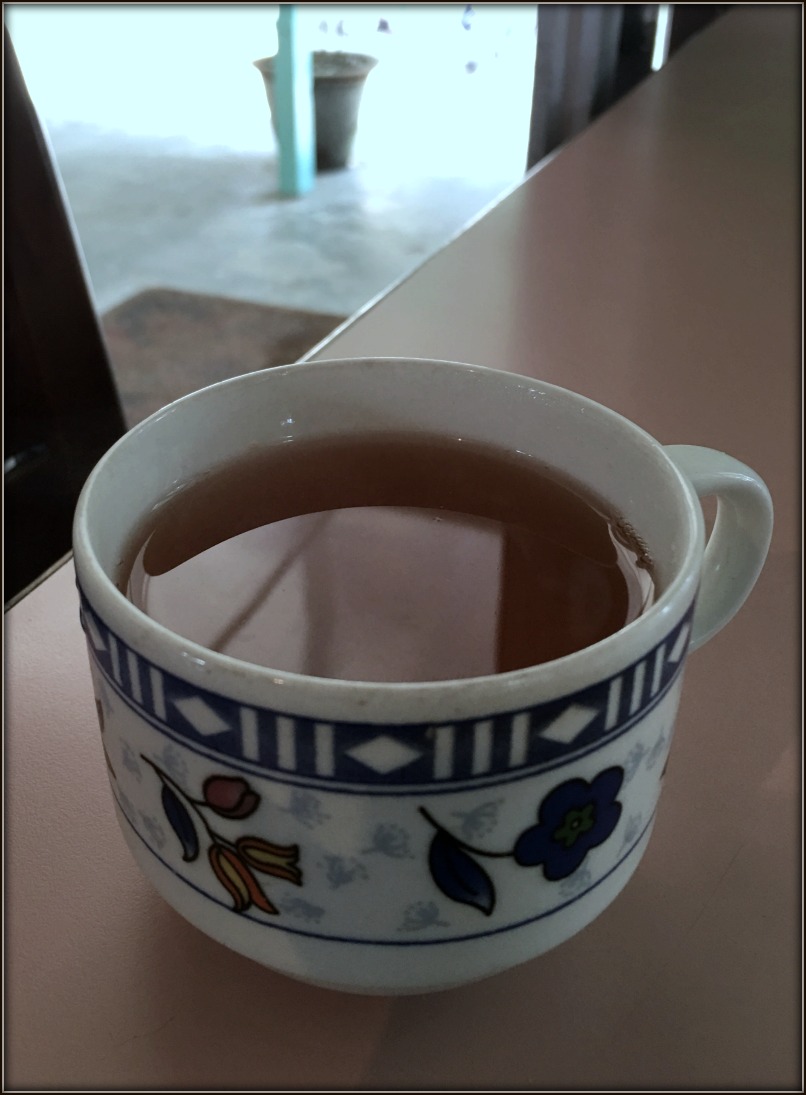
He took us to The Green Mountain, The Shola Forest, and Parunthampaarai (Translates to Eagle Rock). And a bonus, he bought us the local special tea in one of his friend’s tea shop. It was cardamom tea at its best.

Each of the three places had so much to capture that one panorama couldn’t do it. I realised a whole different meaning of getting high. Having lived in a city with just enough fresh air to sustain myself, I was thrust, all of a sudden, into more oxygen that I could take in.

All three places deserve separate posts, and that’s what they’ll get. Stay tuned.

They’re People Too

When I walked into the Himalayan Mountaineering Institute and museum in Darjeeling, I didn’t know what I was hoping to see. In hindsight, it seemed obvious that they’d display the tools, the gear, and even the remains of some of the Himalayan creatures.

HMI

But it wasn’t so obvious then, and it was all the more disappointing when they had a clear sign prohibiting all forms of photography. We walked through dozens of glass boxes that rose to the ceiling, encasing mementos from mountaineers who had conquered Himalayas. From little chisels, stoves, and crockery, to even the tents they slept in during their expeditions. They were all in there. And for a moment, I couldn’t grasp the magnitude of what I faced.

The Himalayas wasn’t just something we heard about in the media anymore. It wasn’t just the highest mountain range, with a cold index that no one should underestimate. Standing there, looking at the plate a mountaineer had eaten out of when he was camping in the Himalayas made me realise how big the whole thing was. From being a natural phenomenon that mankind could never conquer, to watching photographs, and clay sculptures of the mountain itself, of the climbers picking their way through the snow caps — it all became too real too soon.

I marvelled at the fact that people just like you an I have managed such a huge feat. They weren’t some weirdos or a mysterious elite. They could have been as ordinary as our noisy neighbours. And yet, somehow, extraordinary. Looking at their possessions, I wondered, that particular mountaineer must’ve have liked his tea like I did mine: A mugful.

And that realisation brought me closer to humans than anything else had ever done.

Tea Talk

Sometimes, to understand some things, you have to be there. That’s how Darjeeling is. I had to be there to realize what the most talked-about tea was all about.

It’s just tea. But the mystic romanticism involved with Darjeeling tea is enough to make any dog out peep through the window.

That’s why I had to know what the ruckus was about. From my research, I learnt that locals add unsalted butter to their tea. Well, with plummeting temperatures, they need to be bulletproof of course.

We never got to try it though. It could be because we were just a fancy group of people walking around with flashy phones and discount DSLRs, pretending to be professionals. Typical tourists tend to put the locals off.

Nevertheless, there was tea. There’s always tea.

cups

But it was commercialised tea. Good, yes, but some shops denied justice to the perfect combination of milk and water. Because milk does’t suit Darjeeling. We shouldn’t have expected a perfect cup of tea with full cream milk and two spoons of sugar.

When in Darjeeling, you should drink tea without milk. As for the sugar, maybe a little. That’s the essence of tea in that hill.

I love tea in all forms. I adore the strong smell wafting through my nostrils, invigorating the brain all the way to the last bone. And the earthy flavour that lingers in my throat, even hours afterward.

Milk just ruins the whole experience. At least in Darjeeling.

As an avid tea-fanatic, I can vouch that colour is most important while drinking tea. And if you like your milk strong, you can’t have your tea as strong. Darjeeling is famous for leaf-based tea, and not the dust that’s common throughout the rest of India. That’s what makes Darjeeling tea unique: It’s all leaf and no powder. And that’s why it needs to brew, not cook.

Tea making is an art. Making Darjeeling tea is another one altogether. It’s a process: You put the pot to boil, and wait for the bubbles to pop up, threatening to evaporate all your water. You switch off the stove, and let it sit for a few seconds while you measure out a few leaves. Sniff in the scent of fresh toxic before throwing them into the pot and closing the lid.

And then you wait.

For a minute or two. For the leaves to seep through the heat, to distil the purest of flavours, and transform plain water into a royal drink. Then strain and enjoy. It’s worth the whole 2 minutes you’d have spent standing by the pot.

tea

But making Darjeeling tea isn’t as easy as four steps. Let it seep for an extra few minutes, and you’d end up with some bitter tea that’ll make you feel like a dethroned royal.

Despite that, I bought back five packets of Darjeeling tea. I know, some days would be bad tea days. But every day, I’d be royal.

Collecting Experiences… And Capturing Moments

They say you should collect experiences more than things. And that’s what I’ve been up to the past week. I went on a holiday to the hill country with my family. And it was filled with experiences that make me crave more.

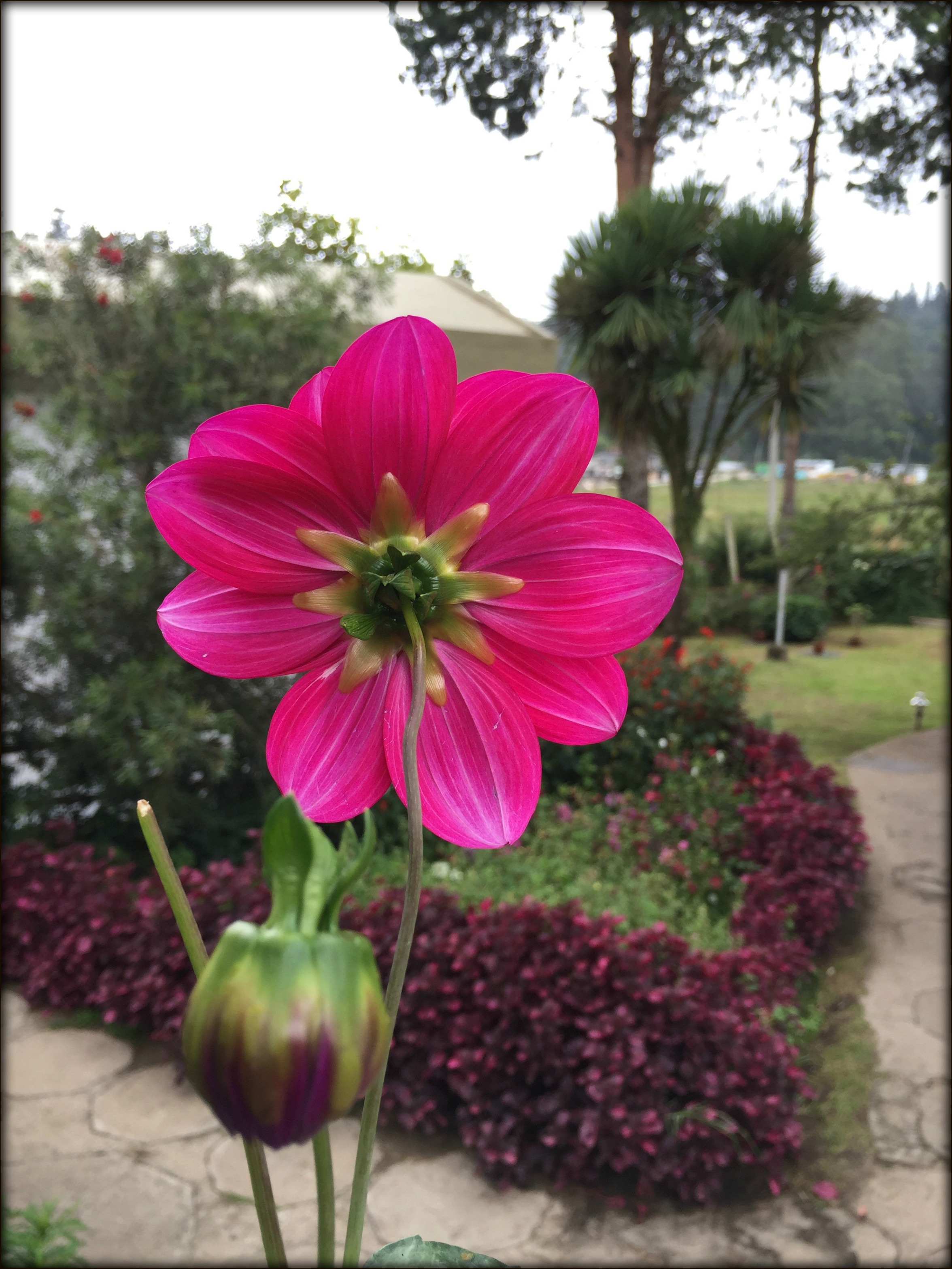
I will surely write about the trip and my mentality there; we sure had some lovely companions at our hotel. See for yourself.

collecting experiences