Passing thoughts

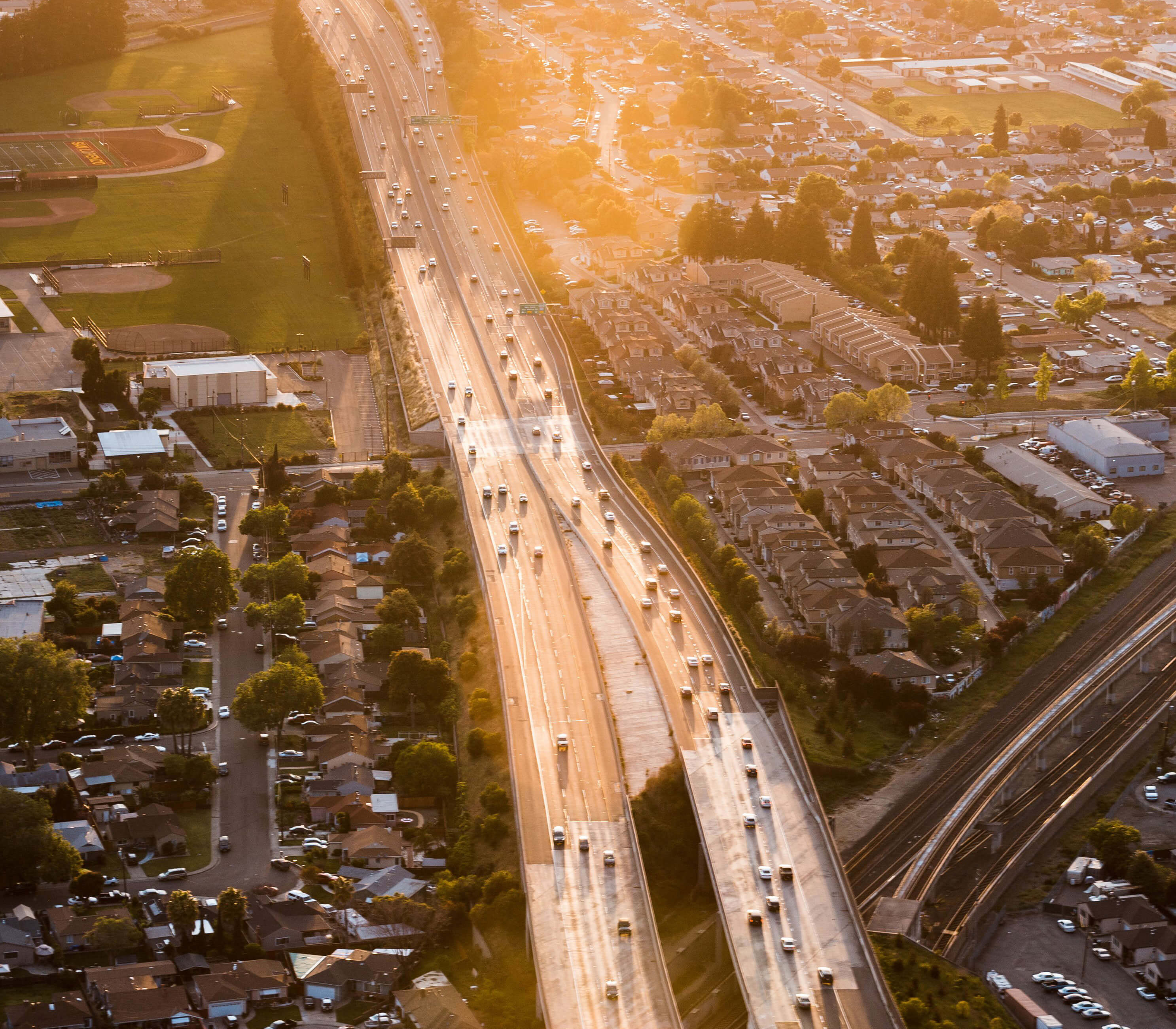
city traffic in the sunlight

Bumper sticker: “You can make it if you try.”

What a load of boohockey. It’s never only about trying. Luck—that’s what I need, that’s what everyone else has that I don’t. I’m not untalented, I know that for sure. And it’s not as if I don’t try either. In fact, I try hard. Every day. 

In the morning when pink horizon melds with orange, hope swells within me like a hot air balloon. I gawk at the path ahead of me as a child watching the colourful orb reaching for the skies, and I imagine life becoming easier to tread. Potholes vanish, sticks and stones crumble under callous feet, and entry barriers fall apart. 

When summer scorns through my neon blazer, I cringe my eyes against the rays, sweat dribbling down my temple to drip from my nose, but I hope. Passersby don’t realise how difficult it is. To be a traffic conductor, underpaid, unseen, waved at by dogs and children immature to hold a phone—no one knows what that’s like. To spend almost every waking moment standing. Like a parking ticket, a special-edition vintage, I’m limited-time only. Valid until I have control over my bowels; diabetes will wreck me before it wrecks my life.

So don’t tell me I’m inadequate. You entitled little son of a my-father-paid-for-my-Volkswagen.

Don’t you dare suggest I try harder for a better job, family, friends, or meals.

It’s all I do to stay sane.


Image source: burst.shopify.com

Shopping mall

Nodding, she mutely accepted the handsome volunteer’s scripted gratitude. A measly $15 donation didn’t warrant his genuine thanks.

Still. More welcoming than the tirade of her alcoholic breadwinner.

Procrastinating

Blank and white
ghostly eyes staring into mine
waiting
questioning
every moment inching towards the fire
as pressure grows
on sweating brows
awaiting that drop
     red hot and blue
the beginning
of a great evolving tale
a masterpiece
in the making
was indeed still in the making

Blank and white
ghostly eyes staring into mine
judging
silently musing
just another day in the mire
my breath rasps
as the eye gasps
expecting a piece
      soft, tender, yet strong
the fruits
of a lifelong struggle
an achievement
much deserved
remains a dream, reality evading

Blank and white
ghostly eyes staring into mine
blinking
minutes passing
falsely assuring in case I tire
for darkness looms
deadline approaches
a story due for tomorrow
      real, gripping, and witty
one off solution
to demeaning poverty
yet endures writer, procrastinating

Evolution of time

When I was five or six, my school teacher instilled in me the importance of the clock. Until then it was a round face on the wall, eye-less, needles circling past numbers one through twelve. Then, all of a sudden, time played into everyday conversation, and making my own clock at home became a school project.

I sat at the dining table on a Saturday morning, moping about the impending workload, all the while outlining a kitchen bowl on crisp board. My mother drew slices of arrows, one short fat and another longer slender with perfect, pointy ends. And even though I was familiar with the workings of a clock, I never figured why they had to have “hands” or why those hands had to be one over the other—the shorter one always on top. Regardless, with a pin I pierced, securing them in place, sticking a slice of eraser at the back, for I knew well from experience why that mattered.

That took all morning, with the hour after lunch reserved for penciling numbers on the circular board. It required so much precision, that there was no way a-six-year-old would do it without complaining. Or a cartoon break.

All that hoopla came to an end when on Monday my smiling teacher, approving my effort, gave me a red star.

It meant the world.

She then used the same cardboard clock to teach us how to read the time, making us write as we read—twelve o’clock, half past six, quarter to ten, quarter past nine, 20 minutes past eight—gah, I hated the secret math involved in calculating how many minutes had past or were to an hour. It seemed an unnecessary complication to think of the first half of the hour as “past” and the next half as “to”—as if thirty was the secret number around which the world revolved. As if conspiracy theories would unravel how three with its hunched shoulders and zero with its perfect nothingness made the entire world dance to their tune.

But it was important. A child who told the time well was a child who’d succeed in life. At least that’s what they told us so we’d work hard for the test.

It soon grew far more convoluted, however. As I observed the world around me, I noticed that no one said 23 minutes to ten. They said nine-forty instead. It was’t accurate, but it was close enough. And to my utter dismay, close enough was good enough. Three meagre minutes, give or take, wouldn’t kill us now, would it? Or better yet—some said nine forty-five. Rather be early than late.

I was going berserk. People didn’t stick to the rules. As if the rules were more like guidelines anyway. No one said the time as I was taught to, or as the clock showed it.

Then one day, our clock at home stopped running. “Ma, it’s half past ten,” I called out, rather proud of myself, after breakfast on a Saturday. She was making chicken and wanted to know how long it’d had been since the bird fell in the pot.

Hours afterwards, I glanced at the clock again—the chicken now eaten and almost digested—and it was still half past ten.

Oh, the horror.

Not only were people not telling the time right, time itself no longer showed it right.

Ah, stupidity of a six year old. Some even call it innocence.

And then everything changed. From being so important in life, to life, time became… convenient. My father set his clock five minutes faster than everyone else’s. My watch matched the school’s recess bells, my mother followed our good ol’ clock in the living room, and my brother in his room, had clocks from America, UK, Australia, and India.

From being dictated by time, we had for once conquered time, manipulating it into our disposal.

Confusion infused

Ouch!

I jerked awake, surprised and irritated at the same time. A blinding light pierced my eyelids forcing me to look away, and only then did I realise that the comforting darkness had disappeared from our room. It was dawn, perhaps.

I felt another sharp jab in my ribs before I saw the cause. My cousins around me mirrored m uncertainty. Two large plump fingers reached out and grabbed three of us by the neck.

Oh, dear.

I’d dreamt of this moment, I won’t lie. For months shut up in that room, I’ve wondered what the outside looked like, and each day the plump fingers came, I wished to go along. I was disappointed every time. Until now.

Now, however, I was anxious. Are all three of us going, I wondered. What if they threw me back in, casting me away with the rest of my family? Oh, the shame of rejection. I can’t bear to face my cousins again.

But I needn’t have worried. The fingers took all three of us, and before we could absorb our surroundings, dropped us into a large glass jug.

Everything was so massive. I now saw that the fingers were attached to a big red arm and a round body. A speck of dark hair rested on a what looked like an inverted pot, stiff handles for ears.

I turned to the other side. From my place in the jug, I faced brown tables spread across the room. More round bodies with potheads. Some were big, some small. There was even one clutching something fluffy to its chest. A few sat while most stood, holding cups or bottles and fiddling with flashy cards between their fingers.

I couldn’t see much clearly. They were all mouthing at each other. I heard nothing, of course, but apparently they did and understood too.

I still couldn’t comprehend my place in this situation. What was this place? The moment I was picked, I knew I was about to fulfil my destiny—whatever that was. All along I’d dreamt of getting out of the box, but only now did it dawn on me that I’d never imagined what I’d do once I got out. Perhaps deep down, I never saw beyond the inside of that dank room.

Just then, the familiar red arm approached our jug. I opened my mouth, ready to ask what it all meant. Before I could utter anything, though, boiling steam hit my eye and water crushed my lungs siphoning the air out of me.

Uuuuuhhh

I inhaled in panic, and I felt myself rise towards the jug’s rim. I hadn’t seen this coming. Then again, I hadn’t seen anything. Beside me, my silent cousins were struggling too. We’d never spoken before, but just then, our eyes locked for a fleeting moment before I saw their colours vanish. They descended, swaying as they sunk to the bottom.

It was too much. I had no air left, and my organs were weighing me down. They felt heavier than I ever thought they could. My breath rasped as the world spun. My heart was telling me to give up. My brain already had.

And so I let go of my limp body, floating away with the water’s steam. The wind was pulling me further from the jug, but I managed a last glance before being swept away. As the arm fished our bodies from the jug, I saw what we’d left behind: a reddish concoction with a tinge of mint. And I understood. Perhaps that was my destiny—refreshing the sore.