Of daylight savings

A lot of my friends overseas whine at having to rewind their clocks twice a year. Living in a country where daylight savings wasn’t a thing, I tried my best to sympathise with them and nod along as they apologised for missing meetings, and ranted about how the change was disrupting their lives.

Now though, I live in a country that does have an official system of daylight savings. About three weeks ago, Canberra went from AEST to AEDT, which means we have now turned our clocks an hour late. 

I couldn’t care less about it. 

I understand that people working defined times in a day would be thrown off by the sudden shift. But it didn’t affect me in any way, except giving me an extra hour of sleep every morning.

Aside from that, I don’t understand why the rest of the world gets so upset when the clock turns. It’s a mild, temporary, adjustment that we get used to within a couple of weeks.

I don’t see purpose in physically delaying time. So why complain and make a big deal of it?

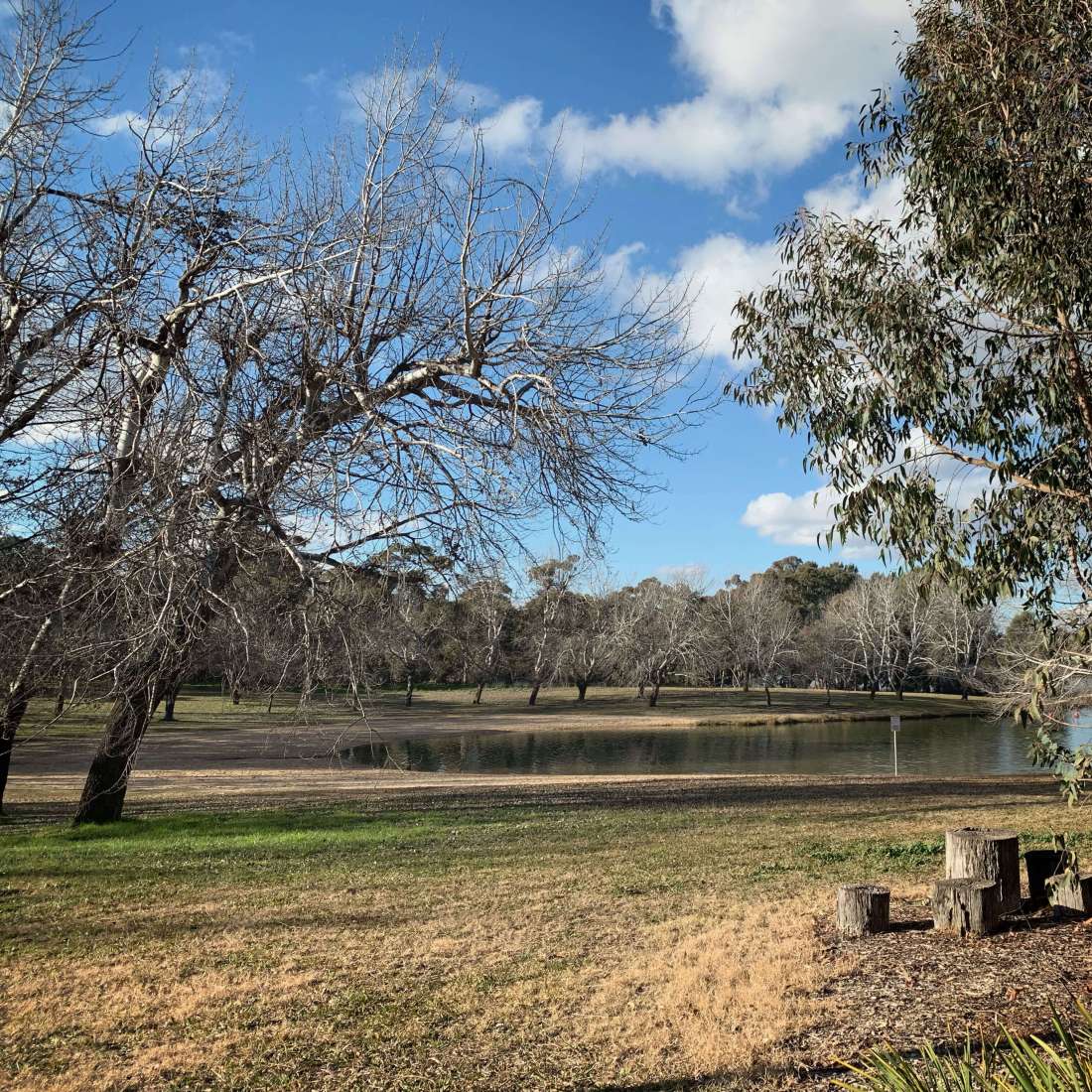
When I look through my bedroom window, at 6 pm, it’s bright, sunny, and warm. I’m amazed that I can spend another couple of hours wandering around the lake before it gets too dark to stay out without a flashlight. (It’s not hot yet, and I’m not looking forward to summer.)

My point is, we’re getting so much daylight in a day. When nature herself gives us more than we could ever ask for, we shouldn’t be worrying about petty things like human made clocks.

If we just stop trying to fit time into our constraints, perhaps we’d be happier and notice all the time that we do have in our hands.
How to spring in Australia

Just before summer last year, I pottered about the streets—fresh out of a shower with nothing more than a light-scented talcum powder mildly-layering my brown surface. Temperatures didn’t exceed 42 degrees Celsius, and the talc was more than enough to prevent me from turning into a body of walking stink.How to spring in Australia. Just before summer last year, I pottered about the streets—fresh out of a shower with nothing more than a light-scented talcum powder mildly-layering my brown surface. Temperatures didn’t exceed 42 degrees Celsius, and the talc was more than enough to prevent me from turning into a body of walking stink.

I was in Chennai, a south Indian city of over 6 million people. 

This time, I’m in Canberra. It’s springtime, and people smile at the sun, women gliding about in beautiful spring skirts, men waddling in khaki shorts trying to balance two beers in one hand, and more people in singlets of every colour and pattern. I’ve seen all kinds of ankles, knees, and arms. Temperature can reach up to 25 degrees now, and 42 degrees in summer.

I don’t have talcum powder anymore.

Instead, 

I have sunscreen. 

Moisturiser.

Petroleum jelly, because I’m still recovering from winter dryness.

I have lip balm.

Deodorant.

And I’m nursing chapped, cracked, and chipped skin. 

Welcome to Australia—the sun loves us so much that it ripped the ozone, earth’s face mask, away  so it can kiss us more fully, purely, with love as mother showers upon her 18-month baby, except more harshly.

18 degrees, an idealistic dream in Chennai, burns in Canberra. 

Normal. 

The sun has a way to hurt you, and you have a way to deal with it. What else are conglomerates for? They churn out cream after cream, all-purpose ones for efficiency and portability, and more specialised, individually focussed line of products for a more complete skin care. Variantly priced to suit your comfort.

And yet, it’s not just about lining rows and rows of supermarket shelves with liquids and creams people may or may not want. It’s not the unrestrained dance of the capitalist banshee, wasteful.

It’s necessary. 

Australia has one of the world’s highest skin cancer rates. Although tanning has been huge crazy (why, I’ll never understand), our unnatural behaviour has led to natural exposure to excessive UV rays, and that keeps this country a hot bed.

No one goes out without synthetic protection hugging their skins. The more clothes you shed to cope with the rising heat, the more you need to layer up on creams. 

I’m glad I got my transition glasses just in time—my eyelids would fry otherwise.

And that, my friends, is how you spring in Australia. Wonderful time for picnics and lounging on the grass with a book—just as long as you’ve got your layers on.

Watch out

When I awoke this morning way late than usual (it’s alright, it’s Saturday), a dense fog clung to my window, shading Lake Ginninderra and the sunlight from my view.

Beyond the lake, in the distance, mild green and brown mountains rose through the mystic fog. It was so beautiful I could’ve stared at it all day. With my blanket over my shoulders, feet wrapped in cosy socks, behind the comfort of my insulated window.

I would’ve loved to leave the house and run to those foggy mountains, but I was too lazy. 

In less than thirty minutes, the fog departed, clouds separated, and a mild sun streamed into my room. I sat up in an instant, shedding my blanket. The sun was out at last. I moved to sit in the sun and within five minutes told myself, “Woah, that’s too hot.”

It’s mid-winter and the sun was burning my skin. 

Welcome to the bush capital.

When people in Australia say everything here is out to get you, they don’t just mean the inhabitants of our animal kingdom. They also mean the wind, winter sun, and especially the summer sun.

I haven’t experienced the summer yet, but I hear it melts leather gloves. Even though I can’t fathom why anyone would wear gloves outdoors in summer, if you do, it’ll leave you a hot sticky mess.

But that’s summer almost everywhere. Think California and Florida—it’s too warm to stay indoors, so people cool off at the beach, drinking soda and water by the litres. Mountains catch fire every other day, and everyone’s accustomed to heat waves. It’s just a tad bit worse in Australia, no thanks to the gigantic pothole in the Ozone looking down on us.

But winter is all about the chills, right? Wrong. I, along with the rest of the world, imagined winter would be all about hot chocolate, snow storms, frosty sidewalks, foggy afternoons, and an overall aura of a magical mystic.

Turns out, in Australia, you can get sunburnt in winter. That’s how harsh the rays are. I come from a hot tropical country where it’s almost always 25 degrees or more, throughout the year. But I’ve never felt such searing hatred from the sun as I have in Canberra. And I haven’t even seen temperatures go beyond 20 degrees!

Let’s not forget the wind though. A couple of weeks ago, horrible winds blew away birds in flight. My jaw dropped as I watched through my window. When I stepped outside forcing myself not to be a coward, cold air cut through my face pushing me around like a sock puppet.

By afternoon today, the lake sat still, soaking in the heat hitting it square in the face. There was no wind of a breeze to rustle the pavement leaves. And you could hear parched throats wheezing as joggers passed you by.

That’s the land down under, mate. Watch out for… everything natural.